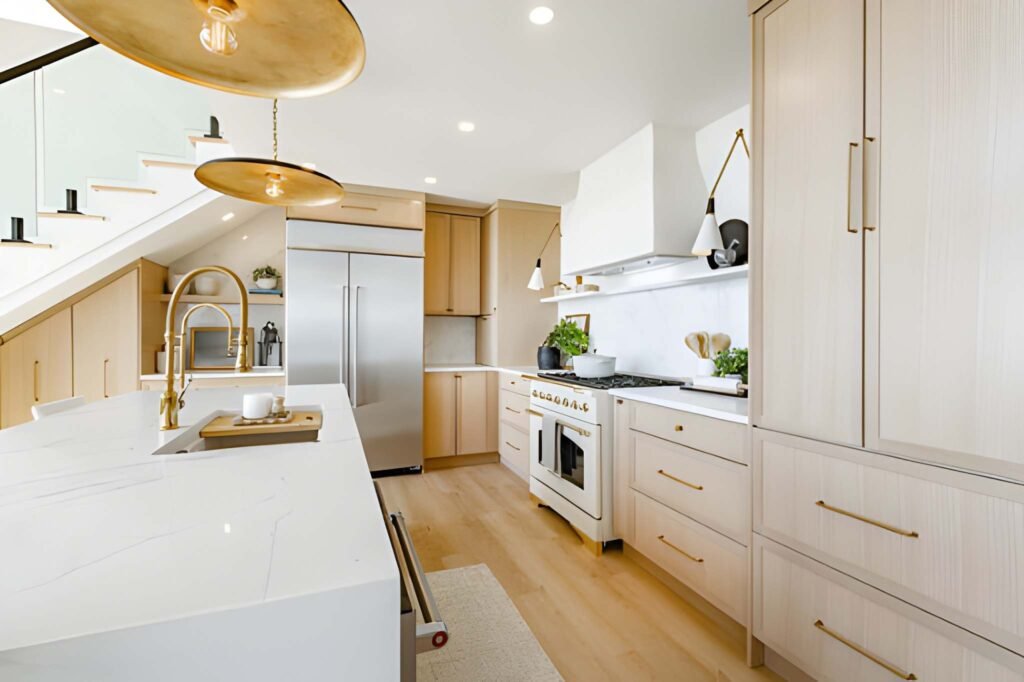
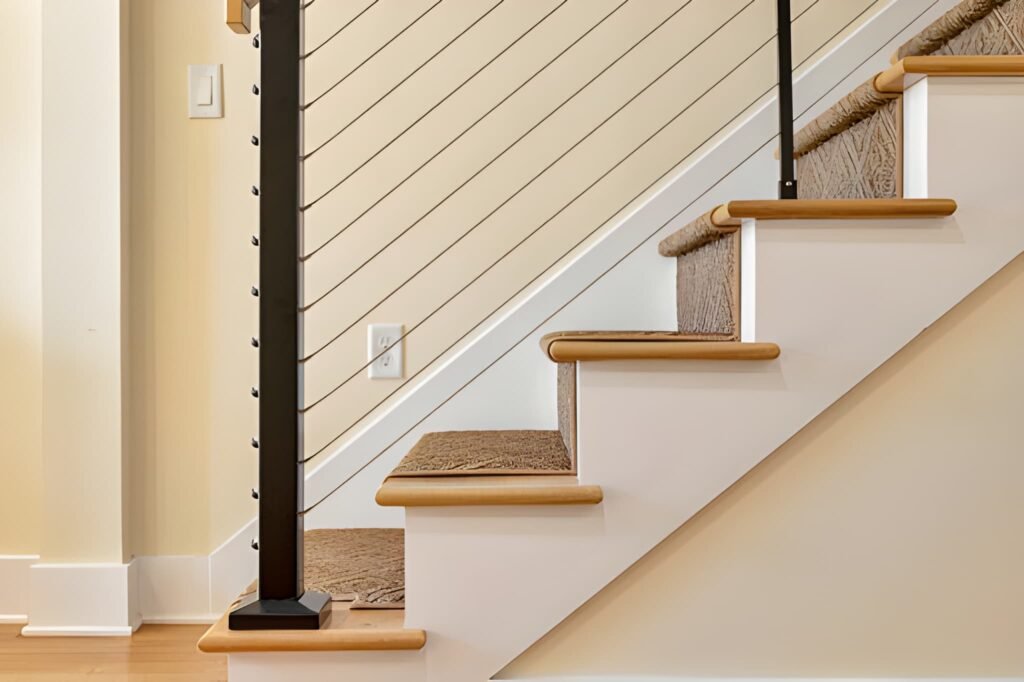
The staircase is the architectural spine of a multi-story home, a dynamic sculpture that connects the separate levels of our lives. Yet, it is often one of the most neglected features, hidden beneath worn carpet, cloaked in dark stain, or boxed in by bulky walls. A stair renovation is a unique undertaking that sits at the intersection of major carpentry and cosmetic detail work. It is a project that commands attention, dramatically altering the flow, light, and character of a home’s central core. Whether addressing squeaks and safety hazards or executing a full aesthetic transformation, renovating a staircase requires a careful balance of structural understanding, design intuition, and a clear-eyed view of budget and complexity.
The Anatomy of a Staircase: Understanding What You’re Changing
Before a single tool is lifted, one must understand the components of a staircase. This knowledge is crucial for communicating with contractors and for understanding the scope of your own ambitions.
The basic structure consists of stringers—the diagonal, notched boards on either side that carry the weight of the stairs. The treads are the horizontal boards you step on, while the risers are the vertical boards that close the space between each tread. The newel posts are the large, sturdy posts at the bottom and top (and sometimes in the middle) that anchor the entire structure. Connecting the newel posts are the handrails, and the vertical balusters (or spindles) that fill the space between the handrail and the bottom rail or treads form the balustrade.
A renovation can target any one of these elements or all of them at once. The nature of the work falls into three distinct categories, each with its own cost, skill requirement, and impact.
The Three Tiers of Stair Renovation
Your project’s ambition will define its path. The following table outlines the primary approaches:
| Renovation Tier | Scope of Work | Primary Goal | Skill Level Required |
|---|---|---|---|
| The Cosmetic Overhaul | Refinishing existing wood, replacing balusters, painting. | Aesthetic update without structural change. | Intermediate DIY to Pro |
| The Cap & Wrap | Adding new treads and risers over the existing structure, updating balustrade. | Modernizing appearance and addressing wear; a “facelift.” | Skilled DIY to Pro |
| The Full Structural Renovation | Replacing stringers, changing the layout (e.g., straight to L-shaped), opening up walls. | Altering the home’s flow and architecture; a major remodel. | Professional Only |
Most homeowner projects fall into the first two categories. The full structural renovation is a profound endeavor that often coincides with a larger home addition or reconfiguration and requires engineering and permits.
The Cosmetic Overhaul: Maximum Impact with Minimum Invasion
For a staircase that is structurally sound but visually dated, a cosmetic overhaul can be breathtaking. This is the most accessible tier and can often be accomplished for a few hundred to a few thousand dollars, depending on materials and DIY involvement.
Refinishing Existing Wood Stairs: If your stairs are made of solid wood hidden under carpet, you have uncovered a potential gold mine. The process is labor-intensive but highly rewarding. It involves:
- Removal of all carpet, padding, and a seemingly infinite number of staples and nails.
- Repair of any cracks or splinters in the treads with wood filler.
- Sanding, which is the most critical step. A belt sander for the flat areas of the treads and a detail sander for the corners are essential to remove the old finish and any stain.
- Staining and Sealing. After thorough vacuuming and tack-clothing, a new stain color is applied. The choice here defines the character. A dark, rich walnut feels traditional and formal, while a light, natural oak is modern and airy. The final, non-negotiable step is applying a durable, clear coat. For stairs, a moisture-cured urethane or a commercial-grade polyurethane is necessary to withstand decades of foot traffic.
The Power of Paint: Painting a staircase is a powerful design statement. The most classic and practical approach is painted risers with stained treads. This combines the durability of a clear-coated wood tread with the crisp, bright contrast of a white or colored riser. Alternatively, painting the entire structure—treads, risers, and balustrade—in a single color can unify the staircase, making it a monolithic, sculptural element. For a more detailed look, painting the handrail and balusters one color (e.g., black or a dark charcoal) and the newel post another (e.g., white) creates a custom, high-contrast effect.
Baluster Replacement: This is one of the most transformative cosmetic changes. Replacing dated, thin wooden spindles or 1980s oak balusters with a modern alternative instantly updates the entire home. Popular options include:
- Simple Iron Square Balusters: Offer a clean, craftsman or modern farmhouse look.
- Ornate Wrought Iron: Adds traditional elegance.
- Cable Rail Systems: Provide a minimalist, industrial aesthetic that maximizes sightlines.
This is a precise but manageable DIY project. It involves carefully removing the old balusters (often just nailed or pinned in place) and installing the new ones with a combination of wood glue and finishing nails or specific metal brackets.
The Cap & Wrap: A Deeper Transformation
When the existing treads are too damaged, too thin, or made of a low-quality material that cannot be refinished, “capping” is the solution. This involves installing new, pre-cut wood treads directly over the old ones and new risers over the existing risers. This builds out the staircase slightly but provides a brand-new, high-quality surface.
This process requires more advanced carpentry skills to ensure each tread is level and securely fastened. The nosing (the front edge of the tread) is a critical detail; a bullnose edge is traditional, while a square, waterfall edge feels more contemporary. This method is also the ideal time to add a runner. A runner is a strip of carpet that runs down the center of the stairs, protecting the wood on the high-traffic area while providing noise reduction and softness underfoot. Installing a runner with elegant, polished rod hardware is a timeless look that bridges traditional and modern styles.
The Full Structural Renovation and Design Considerations
A full renovation that involves altering the stringers or footprint is a job for a professional carpenter or contractor. This might involve removing a wall to open up the staircase, changing from a closed-in design to an open-riser modern flight, or even rebuilding the stairs with a different material entirely, such as floating concrete treads or a steel frame.
At this level, design choices become architectural. The choice of a handrail profile—a round, oval, or flat cap—changes the tactile experience. The newel post design can be a simple, modern box or a grand, turned column. Open risers, where the space between treads is left empty, create a sense of lightness and allow light to filter through, but they are subject to strict building codes regarding the size of the gap to prevent small children from falling through.
The Critical Role of Building Codes and Safety
No stair renovation can ignore the International Residential Code (IRC). These codes exist to prevent falls and ensure safety. Key requirements include:
- Riser Height and Tread Depth: The maximum riser height is 7 ¾ inches, and the minimum tread depth is 10 inches. Importantly, the variation between the tallest and shortest riser or the deepest and shallowest tread cannot exceed 3/8 of an inch. This consistency is crucial for muscle memory and preventing missteps.
- Handrail Height: Handrails must be between 34 and 38 inches tall, measured from the nosing of the treads.
- Baluster Spacing: The space between balusters must be less than 4 inches to prevent a child’s head from passing through.
A professional contractor will ensure all work is to code, which is essential for both safety and for passing a future home inspection.
The Investment and Return
The cost of a stair renovation is wildly variable. A DIY cosmetic refresh can cost as little as $300 for paint and supplies. A professional cap-and-wrap with a new balustrade can range from $4,000 to $8,000. A full structural renovation can easily exceed $15,000.
The return on investment, however, is significant. A renovated staircase is a central focal point that sets the tone for the entire home. It signals to potential buyers that the property has been meticulously maintained and thoughtfully updated. It resolves nagging safety issues and eliminates the persistent annoyance of squeaks. More than almost any other single feature, a beautifully executed staircase makes a house feel like a crafted home, a deliberate ascent from one chapter of domestic life to the next.