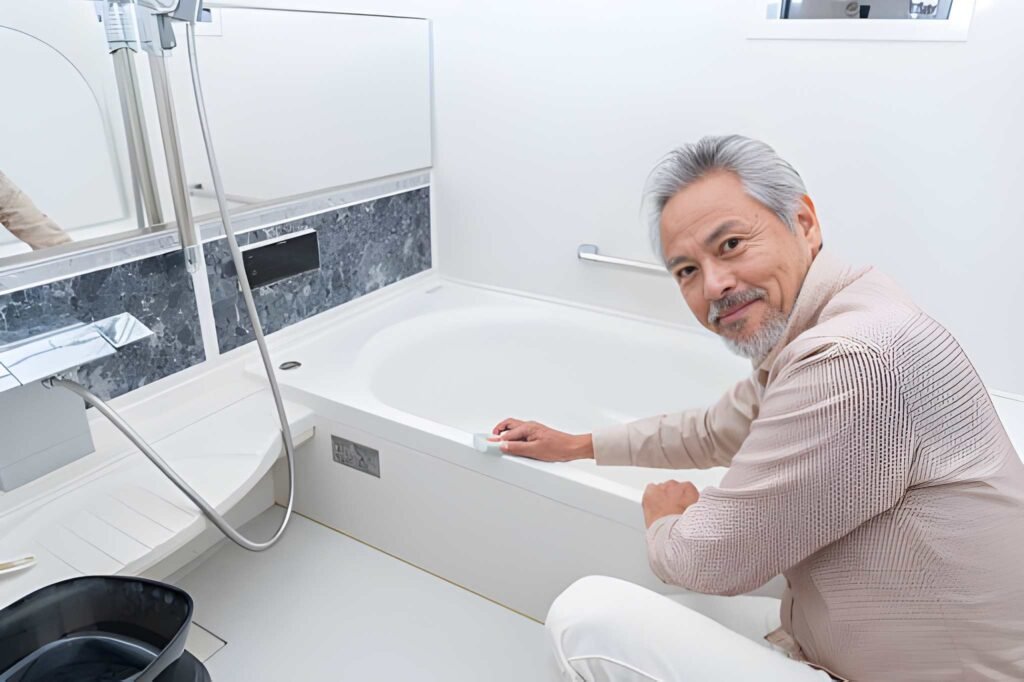
The bathtub stands as a central fixture in the American bathroom, a vessel for both daily hygiene and deep relaxation. Yet, over time, it can become a source of aesthetic disappointment and functional frustration. A worn, stained, or outdated tub can drag down the entire feel of a bathroom. Renovating this central element is a project that demands a clear-eyed assessment of goals, methods, and budget. This guide provides a comprehensive exploration of bathtub renovation, moving beyond simple surface fixes to examine the full spectrum of options, from affordable refinishing to complete replacement. We will dissect the practicalities, costs, and long-term implications of each path, empowering you to make a decision that restores both the tub and the tranquil potential of your bathroom.
The decision to renovate a bathtub is often triggered by a combination of factors: the desire for a fresh look, concerns over cleanliness from a cracked or porous surface, or the need for a more accessible and safe bathing experience. The path you choose will depend on the condition of the existing tub, your financial constraints, the scope of work you are willing to undertake, and your vision for the final result.
The Foundation: Assessment and Goal Setting
Before committing to a method, you must first conduct a thorough diagnostic of your current situation. This assessment will reveal the most viable and cost-effective path forward.
Evaluate the Tub’s Condition:
- Surface Flaws: Are the issues primarily cosmetic? This includes surface scratches, minor chips, and stubborn stains that bleaching cleaners cannot remove. A faded color or a 1980s pink hue also falls into this category.
- Structural Integrity: Does the tub have deep cracks, a feeling of flex or give when you stand in it, or significant rust spots? Is the surface rough and porous, making it impossible to clean thoroughly? These are signs of more profound failure.
- Underlying Issues: Look for evidence of water damage on the walls or floor around the tub. Soft spots in the floor, peeling wallboard, or mold suggest that water has breached the surrounding seals, potentially indicating rot in the subfloor or wall studs.
Define Your Renovation Goals:
- Cosmetic Refresh: The goal is a new look with minimal disruption and the lowest possible cost. The existing tub is structurally sound.
- Hygienic Restoration: The goal is to create a non-porous, easy-to-clean surface, often to address concerns about mold, mildew, or ingrained grime.
- Functional Upgrade: The goal is to change the tub’s form or function—swapping a shallow builder-grade tub for a deep soaker, replacing a worn tub with a new shower unit, or installing a walk-in tub for accessibility.
Your assessment and goals will naturally lead you to one of three primary renovation avenues: refinishing, lining, or full replacement.
Method One: Bathtub Refinishing (Reglazing)
Bathtub refinishing, also known as reglazing or resurfacing, is the process of applying a new coating over the existing tub surface. It is a popular choice for its speed and relatively low cost.
The Process: A professional refinishing job is a multi-step, technical process. It is not a simple paint job. It involves:
- Deep Cleaning and Degreasing: Removing all soap scum, oils, and residues.
- Repairs: Filling chips and cracks with a bonding compound.
- Etching: Sanding the entire surface with coarse abrasives to create a “tooth” for the new coating to adhere to.
- Masking and Protection: Sealing off the entire bathroom with plastic sheeting to contain overspray.
- Priming and Coating: Applying a specialized primer followed by multiple thin coats of a high-solids epoxy or polyurethane coating using a professional sprayer. These coatings are typically two-part systems that cure into a hard, durable finish.
Pros of Professional Refinishing:
- Cost-Effective: Costs typically range from $400 to $800, a fraction of replacement.
- Speed: The entire process is usually completed in one day, with the tub ready for light use in 24-48 hours.
- Minimal Disruption: There is no demolition, no dust throughout the house, and no risk of damaging walls or plumbing.
- Aesthetic Versatility: You can change the tub to any color, including converting a colored tub to a standard white.
Cons of Professional Refinishing:
- Durability Limitations: The new finish is not as hard as original porcelain or enamel. It can be chipped by dropping a heavy object and can be degraded by harsh abrasive cleaners.
- Limited Lifespan: A professional job typically lasts 5 to 10 years before it may begin to show wear or yellowing.
- Chemical Exposure: The process involves strong fumes from the etching acids and coating solvents, requiring excellent ventilation and professional safety equipment. DIY kits are available but rarely produce a comparable result.
Method Two: Bathtub Liners
A bathtub liner is a custom-molded PVC or acrylic shell that is adhered over your existing tub. It is a “slipcover” for your bathtub.
The Process: A company takes a digital template of your existing tub. At a factory, a thin shell is vacuum-formed to its exact dimensions. Installers then apply a layer of adhesive to your old tub and carefully fit the new liner into place, sealing the edges with caulk.
Pros of Bathtub Liners:
- Instant New Surface: The new acrylic surface is non-porous, stain-resistant, and easy to clean.
- Quick Installation: Installation is usually a one-day process with no curing time; the tub can be used the same evening.
- No Major Demolition: Like refinishing, it avoids the tear-out of a full replacement.
Cons of Bathtub Liners:
- Cost: Liners are more expensive than refinishing, often costing between $1,200 and $2,000.
- Fit and Aesthetic Issues: The liner can make the tub feel slightly smaller. The seam where the liner meets the wall can be a trap for moisture and mold if not perfectly sealed. The look can sometimes appear less “built-in” than a original tub.
- Potential for Hidden Damage: The liner seals over the old tub, potentially trapping moisture and hiding pre-existing leaks or rot that will continue to fester unseen.
Method Three: Bathtub Replacement
Full replacement is the most invasive and expensive option, but it also offers the most permanent and customizable solution. It involves the complete removal of the old tub and installation of a new one.
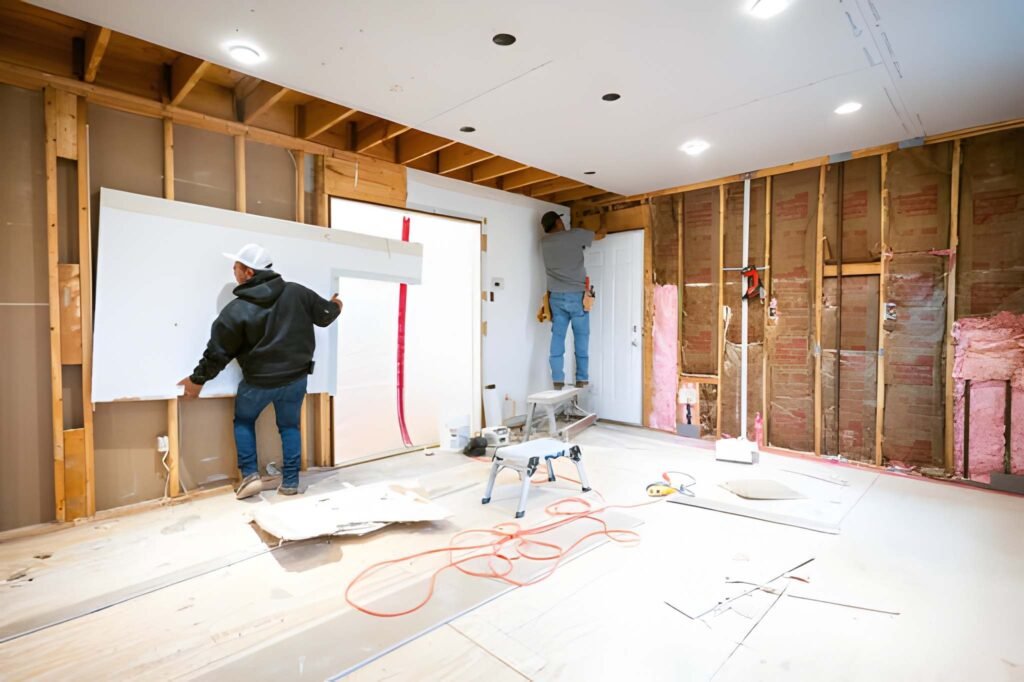
The Process: This is a multi-day project involving demolition. The old tub is cut out and removed, which may involve damaging surrounding walls. The subfloor and wall framing are inspected and repaired. The new tub is maneuvered into place, leveled, and secured. The plumbing is connected, and the walls are repaired around the new unit.
Pros of Bathtub Replacement:
- Permanent Solution: A new, quality tub will last for decades.
- Complete Customization: You are not limited to the existing form. You can choose a deep soaker tub, a jetted whirlpool, a freestanding slipper tub, or a walk-in model for accessibility.
- Opportunity for Other Upgrades: The demolition phase allows you to easily update the wall surround, install new shower valves, add niche shelving, or replace damaged subflooring.
- Maximum Durability: The new surface—whether enameled steel, cast iron, or acrylic—is original and designed to withstand years of use.
Cons of Bathtub Replacement:
- High Cost and Complexity: This is a significant project. The cost includes the price of the new tub ($500 – $3,000+) plus extensive labor for demolition, plumbing, wall repair, and tile work. Total costs can easily range from $2,500 to $6,000 or more.
- Major Disruption: The bathroom will be out of commission for several days to a week. The process generates significant dust and debris.
- Requires Skilled Labor: This is not a DIY project for most homeowners. It requires the skills of a plumber and a carpenter or tile setter.
The Decision Matrix: Choosing Your Path
The following table provides a clear comparison to help guide your decision based on key criteria.
Table 1: Bathtub Renovation Method Comparison
| Criteria | Refinishing | Liner | Full Replacement |
|---|---|---|---|
| Primary Goal | Cosmetic Update | Hygienic, Quick Update | Functional & Aesthetic Transformation |
| Cost | $400 – $800 | $1,200 – $2,000 | $2,500 – $6,000+ |
| Project Duration | 1 Day (+ 48hr cure) | 1 Day | 3 – 7 Days |
| Lifespan | 5 – 10 years | 10 – 15 years | 20+ years |
| Disruption Level | Low | Low | High |
| Best For | Sound, outdated tubs you want to refresh on a budget. | Sound tubs where a easy-clean surface is the priority. | Structural damage, desired style/type change, or during a full bathroom remodel. |
| DIY Feasibility | Low (Poor DIY results) | None | Very Low (Professional required) |
The Accessibility Factor: Beyond Cosmetics
For an aging population or those with mobility challenges, bathtub renovation can be a critical safety upgrade. In this context, replacement is often the only viable path.
Walk-In Tubs: These feature a watertight door that allows the user to enter without stepping over a high wall. They typically include a seat and built-in handholds. Installation is a complex replacement project that requires precise plumbing and electrical work for any jet systems. Costs are high, ranging from $5,000 to $12,000 or more installed, but the investment in safety and independence can be invaluable.
Low-Threshold Showers: For many, replacing the tub altogether with a low-threshold or zero-threshold (barrier-free) shower is the ultimate accessibility upgrade. This creates a seamless and safe entry point, often with the addition of a bench and grab bars.
Conclusion: A Renewal of Ritual
A bathtub renovation, in any of its forms, is more than a home improvement task. It is a reclamation of a space dedicated to renewal and comfort. The choice between refinishing, lining, and replacing is a balance of budget, ambition, and the condition of what lies beneath. Refinishing offers a clever and affordable facelift for a tub with good bones. A liner provides a clean, new shell with minimal fuss. But full replacement remains the definitive solution, offering the chance to correct underlying issues and realize a completely new vision for the space. By carefully assessing your tub’s condition and aligning it with your long-term goals for your home, you can execute a renovation that not only restores the tub itself but also revitalizes the daily ritual of bathing, turning a simple necessity back into a sanctuary.