A one hundred and fifty thousand dollar home renovation is a profound undertaking. It moves far beyond the realm of cosmetic updates and enters the territory of fundamental transformation. This level of investment is not about choosing new cabinet pulls over a fresh coat of paint; it is about reimagining the very function, flow, and character of a dwelling. For a homeowner, this project represents a critical crossroad: it is the power to alter a home’s DNA without the immense transaction cost and personal disruption of selling and buying anew. It is the scale at which you can correct a flawed floor plan, add significant square footage, or comprehensively upgrade every major system to a modern standard. The success of such an endeavor hinges not on the brute force of a large budget, but on the disciplined, strategic, and holistic management of that budget across a complex web of decisions, trades, and unforeseen challenges. This is the art of large-scale residential reinvention.
Defining the Scope: The Three Pathways of a $150k Renovation
With a budget of this magnitude, the path forward is not singular. The allocation of funds dictates the entire character of the project. We can broadly categorize the approach into three distinct philosophies, each with its own priorities, challenges, and ultimate outcomes.
Pathway 1: The Whole-House Gut Rehab. This is the most intensive option. It involves stripping the home down to its structural skeleton—the studs and the foundation—and rebuilding it from the inside out. This path is chosen when the existing home is fundamentally dysfunctional or outdated in every respect. The budget is distributed across every system: new electrical, new plumbing, new HVAC, new insulation, new drywall, new flooring, new kitchen, new bathrooms, and new windows. The advantage is the creation of a truly new home within an old shell, with all the efficiency, safety, and modern amenities that implies. The disadvantage is the immense complexity, the need for the homeowners to relocate for several months, and the high risk of discovering expensive structural issues once the walls are opened.
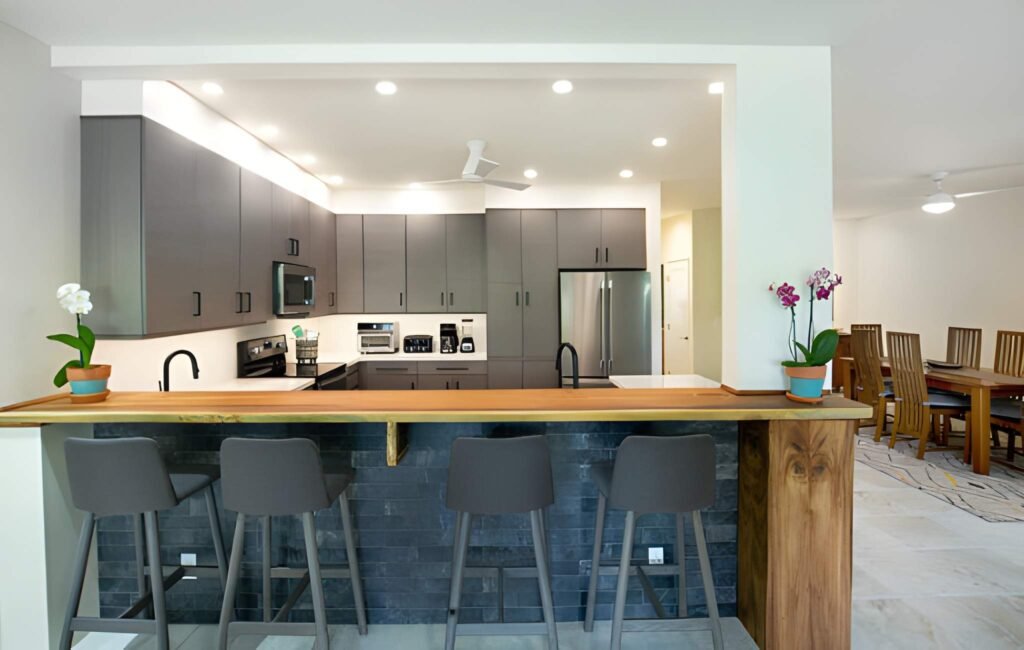
Pathway 2: The Addition with Supporting Renovations. Here, the primary goal is to add space. The $150,000 is strategically split between constructing a new physical addition—a family room, a primary suite, a second story—and then renovating a portion of the existing home to integrate with and support the new space. For example, a $90,000 ground-floor addition for a new great room might be paired with a $60,000 renovation of the existing kitchen to open it up to the new area. This approach directly addresses a home’s biggest liability, such as a lack of bedrooms or living space, and can dramatically increase the appraised value. The challenge lies in the seamless integration of old and new, ensuring the addition does not feel tacked on and that the existing home’s systems can support the new square footage.
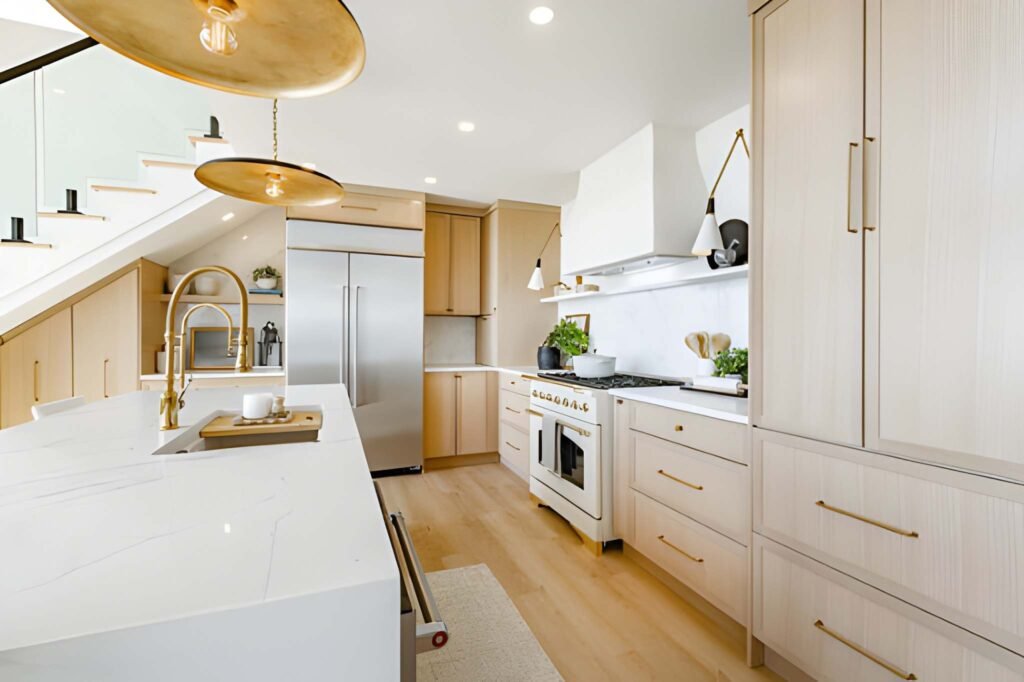
Pathway 3: The High-End Finishes and Systems Overhaul. This path is for homes that are already of a good size and sound layout but are dated. Instead of adding square footage or gutting to the studs, the investment flows into premium materials and critical system upgrades. Think of a chef’s kitchen with custom cabinetry and professional-grade appliances, a spa-like primary bathroom with a freestanding tub and a multi-head shower, wide-plank hardwood floors throughout, and a comprehensive smart home system controlling climate, security, and lighting. This pathway prioritizes luxury, comfort, and personalization over sheer spatial gain. It is about elevating the quality of life within the existing footprint.
The following table illustrates how the $150,000 budget might be allocated across these three distinct pathways for a 2,000-square-foot home.
| Budget Category | Whole-House Gut Rehab | Addition + Kitchen Reno | High-End Finishes & Systems |
|---|---|---|---|
| Design & Permits | $10,000 | $8,000 | $5,000 |
| Demolition & Site Prep | $12,000 | $7,000 | $3,000 |
| Structural/Addition Framing | $15,000 (for repairs/new beams) | $40,000 (for 300 sq ft addition) | $2,000 (minor modifications) |
| Mechanical Systems (HVAC, Plumbing, Electrical) | $35,000 | $15,000 (upgrade/extension) | $25,000 (full system upgrades) |
| Insulation & Drywall | $18,000 | $10,000 | $5,000 (targeted) |
| Windows & Doors | $15,000 | $8,000 | $20,000 (high-end windows) |
| Kitchen | $25,000 (semi-custom) | $25,000 (semi-custom) | $45,000 (custom) |
| Bathrooms (x2) | $20,000 ($10k each) | $5,000 (powder room update) | $35,000 (luxury primary bath) |
| Flooring & Interior Finishes | $10,000 (engineered wood) | $8,000 (engineered wood) | $15,000 (solid hardwood) |
| Contingency (15-20%) | $22,500 | $18,000 | $15,000 |
| TOTAL | $182,500 (exceeds, needs scope adjustment) | $144,000 | $170,000 (exceeds, needs adjustment) |
Note: The table demonstrates that initial estimates often exceed the target budget, forcing deliberate trade-offs and scope refinement, which is a critical part of the planning process.
The Foundational Phase: Design, Permits, and Professional Team Assembly
Skipping or short-changing the pre-construction phase is the single greatest error a homeowner can make with a project of this scale. This is where the battle for a successful outcome is won or lost.
Architectural and Design Services. For a $150k renovation, hiring a residential architect or a certified designer is not a luxury; it is a necessity. A professional translates your vision into a coherent set of construction documents that contractors can accurately bid on and build from. They consider spatial relationships, structural implications, building code compliance, and the flow of light and movement. Their fee, typically 8-15% of the project cost, pays for itself in avoided errors, optimized space, and a clear roadmap. They help you navigate the often-byzantine world of building permits. Pulling permits is mandatory for structural, electrical, and plumbing work. It ensures the work is inspected for safety and compliance, protecting your investment and your family. Unpermitted work can lead to fines, complications during a future sale, and voided insurance claims.
The General Contractor. You are not hiring a painter; you are hiring a project CEO. The General Contractor (GC) is the maestro who orchestrates the symphony of subcontractors—the framers, electricians, plumbers, drywallers, and tilers. They manage the schedule, order materials, provide liability insurance, and bear the responsibility for delivering the project. Vetting a GC is a forensic process. You must check licenses, insurance certificates, and, most importantly, past client references. You should visit a completed project. The contract should be exhaustive, detailing a fixed price or a cost-plus fee with a guaranteed maximum price (GMP), a clear payment schedule tied to deliverables, and a comprehensive scope of work.
The Construction Sequence: A Phased Unfolding
A major renovation follows a strict, logical sequence. Understanding this flow helps manage expectations and reveals why certain disruptions happen when they do.
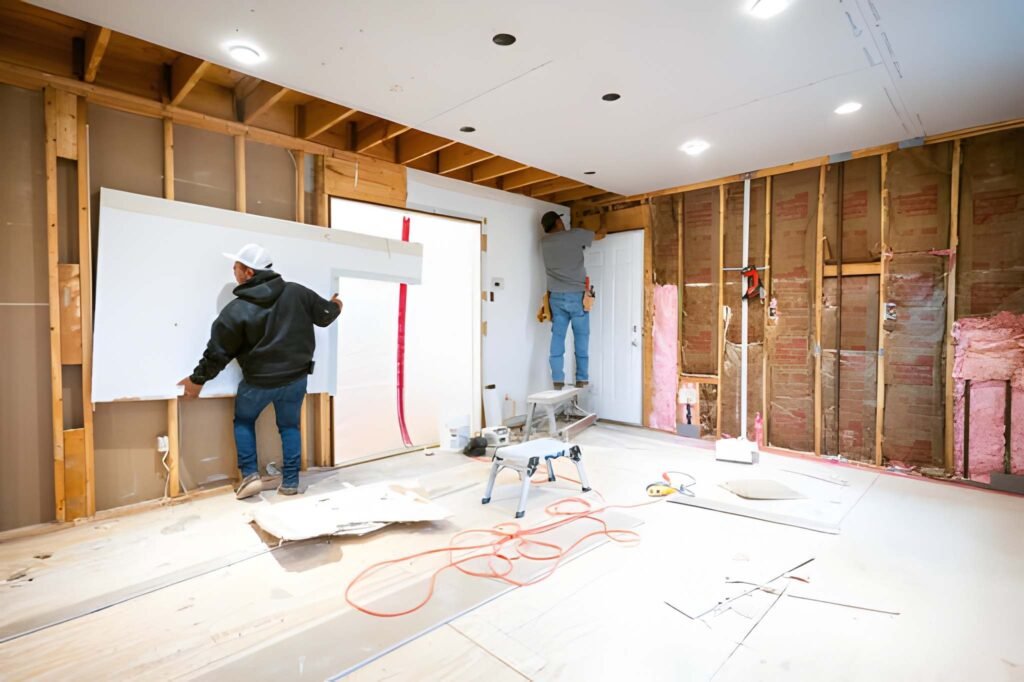
Phase 1: Demolition and Structural. The controlled chaos begins. Walls come down, floors are ripped up, and the home is reduced to its essential bones. This is the phase where hidden problems—rot, termite damage, outdated wiring—are exposed. The contingency fund begins its work here. Simultaneously, any new foundation work for an addition or structural beams to support opened floor plans are installed. The project feels raw and overwhelming at this stage.
Phase 2: The Rough-Ins. With the skeleton exposed, the vital organs are installed. Electricians run new wires through studs, plumbers install new supply and waste lines, and HVAC crews set up new ductwork or mini-split systems. This is also the stage for adding insulation to walls and roofs, a critical upgrade for energy efficiency and comfort that is impossible to do properly once the walls are closed. Inspections from the municipal building department occur after the rough-in work is complete but before the walls are sealed.
Phase 3: Closing the Walls and Surfaces. The rhythm of the project changes. The noise of saws and hammers gives way to the quieter, more precise work of finish carpentry. Drywall is hung, taped, and sanded to a smooth finish. Subfloor is laid, and windows and doors are installed. The home begins to feel whole again, transformed from a construction site back into a defined interior space.
Phase 4: Finishes and Fixtures. This is the phase where the visual identity of the home solidifies. Cabinets are installed in the kitchen and baths, countertops are templated and set, and tile is laid on floors and shower walls. The painter arrives, and with a few strokes, the entire palette of the home is unified. This phase involves the most decisions in the shortest amount of time—from plumbing and light fixture installation to doorknob and cabinet hardware selection. The homeowner’s active involvement is crucial to ensure the final details align with the vision.
Phase 5: Final Trim-Out and Punch List. The electrician returns to install light fixtures, switches, and outlets. The plumber hooks up toilets, sinks, and faucets. The GC and homeowner then conduct a final walk-through, creating a “punch list” of minor items that need correction or completion—a paint touch-up, a sticky door, a grout line that needs cleaning. The project is not complete until the punch list is resolved.
The Invisible Investments: Systems and Sustainability
A significant portion of a $150,000 budget should be allocated to the components you cannot see but that define the home’s long-term performance and cost of ownership.
Mechanical Systems. Replacing a 20-year-old HVAC system with a modern, high-efficiency heat pump or geothermal system is a massive upgrade. It improves air quality, provides consistent temperatures, and slashes utility bills. Similarly, upgrading an outdated electrical panel to 200-amp service is essential for powering a modern home with its demands for electric vehicle chargers, smart appliances, and home offices. A tankless water heater provides endless hot water on demand while using less energy.
Building Envelope. This is the thermal boundary of the home. Investing in spray foam or high-performance batt insulation, along with new, energy-star rated windows, fundamentally changes the home’s relationship with the external environment. It becomes quieter, more draft-free, and drastically cheaper to heat and cool. These are unsexy investments, but they pay dividends for decades in comfort and savings.
Smart Home Integration. At this budget level, integrating smart systems is a logical step. This goes beyond a voice-activated speaker. It encompasses a centralized system for lighting control, thermostats, security cameras, door locks, and motorized blinds. While the hardware has a cost, the greater expense is often the professional installation and programming to ensure all components work together seamlessly.
Navigating the Human and Financial Realities
The stress of a major renovation is as much emotional as it is financial. Living in a construction zone, if even possible, is a test of patience. Dust infiltrates everything, and the constant presence of workers erodes privacy. Budgeting for alternative accommodations, even for a few critical weeks, can be a wise investment in marital and family harmony.
The contingency fund is your psychological safety net. A 15-20% contingency is not a suggestion for a project of this complexity; it is a rule. You will discover a junction box buried in a wall you planned to remove. You will find that the floor under the old tile is not level. The contingency fund transforms these discoveries from project-killing crises into manageable problems.
The ultimate value of a $150,000 renovation is not solely captured in a future resale appraisal. Its true worth is measured in the daily experience of a home that finally works, that reflects its owners’ identity, and that provides a sanctuary of comfort, functionality, and beauty for the years to come. It is the creation of a legacy property, a home that is not just lived in, but is deeply and personally loved.