
A twenty-thousand-dollar home renovation exists in a distinct and powerful category of home improvement. It is a substantial investment, yet it operates under clear constraints that demand strategic precision. This is not the budget for adding square footage or gutting a kitchen to the studs. Instead, it is the realm of highly focused, high-impact projects that can dramatically alter the perception, function, and value of a home without the upheaval of a major construction project. The success of a $20,000 renovation hinges entirely on intelligent allocation, disciplined project management, and a sharp understanding of where your dollars will yield the most significant return, both in daily living and future equity.
The Strategic Mindset: Focus and Precision
With a budget of this size, the classic homeowner mistake is to attempt too much, spreading the funds so thinly across multiple rooms that the final result feels incomplete and amateurish. The core philosophy for a $20,000 renovation must be one of intense focus. You are not refreshing the entire house; you are executing a surgical strike on one or two critical areas. The first step is to conduct a clear-eyed audit of your home’s strengths and weaknesses. Ask which single problem, if solved, would most improve your quality of life. Ask which single update would most increase your home’s curb appeal or marketability. The answer to these questions will point you toward your project.
Your strategy must also be defined by your timeline and goals. Are you preparing to sell your home within the next year? If so, your choices will lean toward neutral, broad-appeal projects with a high and proven return on investment. Are you settling in for the long term, seeking to enhance your personal enjoyment for years to come? This allows for more personalization, though not at the expense of sound value. The following table outlines the primary strategic paths for this budget:
| Strategic Path | Primary Goal | Ideal For |
|---|---|---|
| The Resale Power Play | Maximize ROI for an imminent sale. | Homeowners looking to list their property within 6-12 months. |
| The Quality-of-Life Boost | Solve a specific functional problem or refresh a dated space. | Homeowners planning to stay for 5+ years. |
| The Exterior & Curb Appeal Overhaul | Create a powerful first impression and protect the structure. | Homes with a sound interior but a tired or uninviting exterior. |
Each path demands a different allocation of funds. The resale play prioritizes visible, emotional upgrades. The quality-of-life boost might invest in less-glamorous but highly functional improvements. The exterior focus invests in the home’s shell and first impression. Choosing your path is the foundational decision that dictates every subsequent choice.
The High-Impact Project Portfolio
Once your strategy is set, you can evaluate specific projects. The following are realistic, high-yield endeavors that can be accomplished within a $20,000 budget, assuming professional labor is used for skilled trades.
1. The Strategic Kitchen Resurface
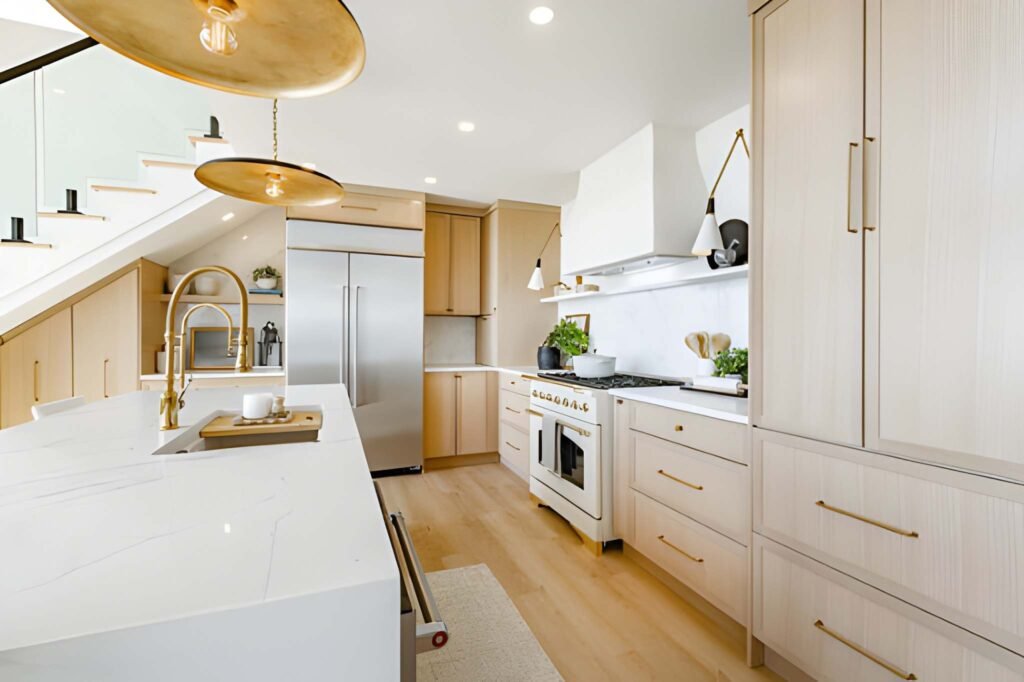
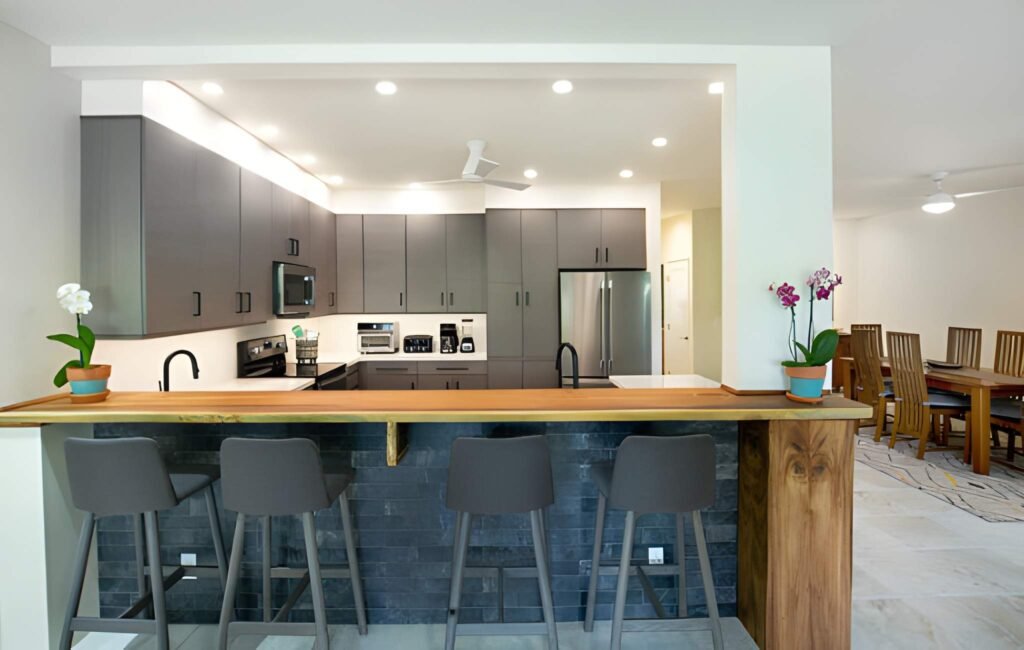
A full kitchen gut is a $40,000-$75,000 endeavor. However, a $20,000 budget is perfect for a comprehensive resurface that transforms the space without moving plumbing or electrical lines. This project is the pinnacle of working smart, not just hard.
A realistic budget breakdown would look like this:
- New Cabinet Doors & Professional Painting: $4,000 – $6,000. This involves removing old doors and drawer fronts, then having new ones fabricated and installed, or having existing boxes professionally sprayed for a flawless, new-looking finish.
- Quality Quartz or Solid Surface Countertops: $3,500 – $5,500. This is the centerpiece of the transformation, providing a modern, durable surface.
- New Hardware & Faucet: $500 – $1,000. Updated pulls, knobs, and a stylish, professional-grade faucet add the essential jewelry.
- Mid-Range Appliance Package: $4,000 – $6,000. A coordinated suite of stainless steel appliances from a reliable brand creates a unified, modern look.
- New Sink & Backsplash: $1,500 – $2,500. An under-mount sink and a full tile backsplash complete the aesthetic.
- Labor & Contingency: $3,000 – $4,000. Covers installation of all components and a buffer for any minor issues discovered.
This approach delivers 90% of the visual impact of a full remodel for half the cost, making it one of the most potent uses of a $20,000 budget.
2. The Primary Bathroom Sanctuary
Bathrooms are another high-value target. For $20,000, you can completely transform a standard primary bathroom into a spa-like retreat, but you must manage the scope carefully. This budget allows for a full gut and replacement, but not the relocation of major plumbing lines.
A sample allocation:
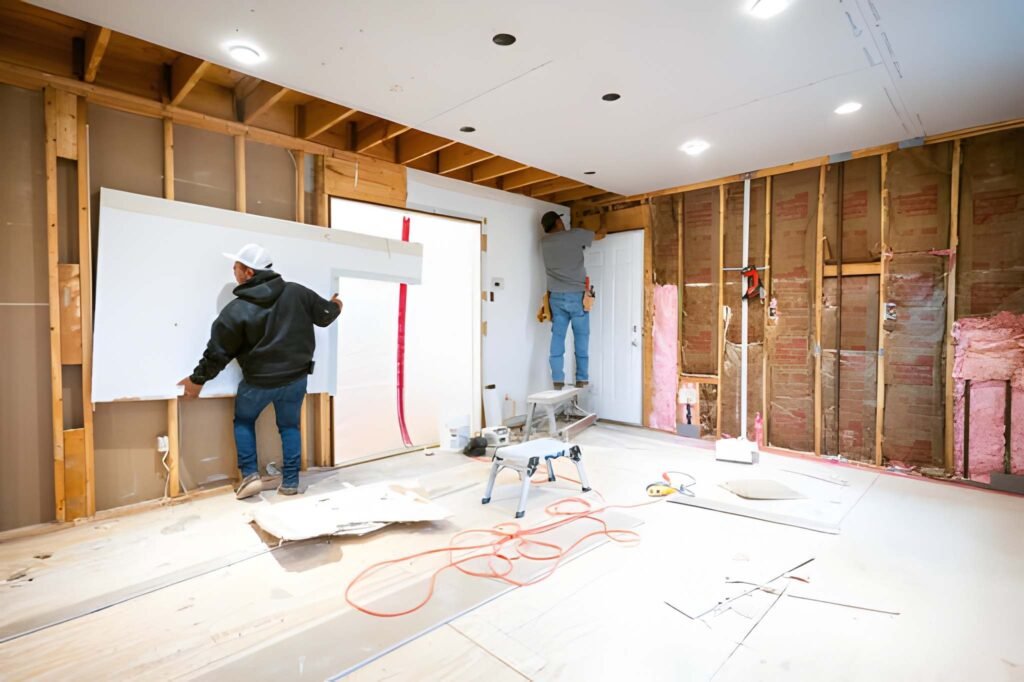
- Demolition, Disposal, & Rough-In: $2,500 – $3,500. The messy but essential first step.
- New Shower System & Enclosure: $3,500 – $5,000. This includes a tiled shower pan and walls with a frameless glass door, or a high-quality shower-tub combo.
- Vanity, Countertop, & Sink: $2,500 – $4,000. A double-sink vanity with a stone top becomes a luxurious focal point.
- Flooring, Tile, & Waterproofing: $2,000 – $3,000. Durable, water-resistant flooring and proper membrane systems.
- Plumbing & Lighting Fixtures: $1,500 – $2,500. This includes the toilet, shower trim, vanity lights, and a ventilation fan.
- Labor & Contingency: $4,000 – $5,000. Skilled labor for plumbing, electrical, and tile work is non-negotiable here.
The result is a completely new, fully customized bathroom that addresses modern tastes and provides a daily sense of luxury.
3. The Whole-House Facelift
If your goal is to refresh the entire home’s aesthetic, a $20,000 budget can achieve a remarkable transformation through a series of coordinated, cosmetic upgrades. This is the “resale power play” in its purest form.
- Professional Interior Painting (Entire Home): $5,000 – $7,000. This is the single most impactful cosmetic change. Professional painters will deliver a perfect, efficient result on all walls, ceilings, and trim, using modern, neutral colors.
- New Flooring (Main Living Areas): $6,000 – $9,000. Replacing worn carpet or outdated tile with consistent, high-quality Luxury Vinyl Plank (LVP) throughout the main flow of the home creates a seamless, modern, and durable foundation.
- Updated Light Fixtures & Hardware: $1,500 – $2,500. Replacing all builder-grade ceiling lights, door handles, and cabinet hardware provides a surprising amount of cohesive polish.
- Exterior Curb Appeal Package: $3,000 – $4,000. A new modern front door, updated house numbers and mailbox, professional landscaping mulch, and a few strategic plants.
This approach does not solve functional problems, but it makes the entire home feel clean, current, and well-maintained to a potential buyer or for your own enjoyment.
The Hybrid and Functional Approach
Not all value is visual. A $20,000 budget can also be directed toward a hybrid of aesthetics and essential function, or toward a single, transformative functional upgrade.
The “One Room + Systems” Model. You might allocate $12,000 to refresh the living room (paint, flooring, new fireplace surround) and use the remaining $8,000 to replace an aging, inefficient HVAC system. This provides both immediate aesthetic pleasure and long-term reliability and energy savings.
The Energy Efficiency & Durability Investment. For homeowners in older houses, this budget can be a strategic defense against future problems. This could include:
- New Windows (Partial Replacement): $10,000 – $15,000. Replacing the most problematic windows on the home’s front and street-facing sides with modern, double-pane, low-E windows improves curb appeal, reduces noise, and cuts heating/cooling costs.
- Insulation & Air Sealing: $3,000 – $5,000. Adding blown-in insulation to the attic and sealing gaps can have an immediate impact on comfort and utility bills.
- Exterior Painting (Partial) or Siding Repair: $7,000 – $12,000. Addressing peeling paint or damaged siding on the most visible elevations protects the structure and boosts curb appeal.
These projects lack the immediate “wow” factor of a new kitchen, but they speak directly to a savvy buyer’s desire for a low-maintenance, efficient home and address the fundamental purpose of a house: to provide shelter.
The Execution: Managing the Budget and the Process
With a fixed budget, every dollar must be guarded. This begins with obtaining multiple, detailed, written quotes. A vague estimate is a red flag; a professional quote will itemize labor and materials for each component of the work. Your $20,000 budget must include a contingency fund of at least 10% ($2,000). When an unforeseen issue arises—and it will—this fund prevents panic and keeps the project on track.
Your role is that of a project manager. You must make selections on schedule to avoid contractor delays. You must understand the payment schedule outlined in your contract; never pay for the entire project upfront. A standard structure is a small deposit, progress payments at defined milestones, and a final payment upon satisfactory completion. For some projects, like painting or flooring, you might act as your own general contractor, hiring the trades directly. This can save money but requires a significant investment of your time and coordination skills. For complex projects involving plumbing and electrical, such as a bathroom, a licensed general contractor is worth their fee for their network of reliable trades, their knowledge of codes, and their ability to solve problems.
A $20,000 home renovation is a test of vision and discipline. It forces you to prioritize, to make smart compromises, and to invest in quality where it matters most. Whether you channel it into a single, breathtaking kitchen update, a whole-house aesthetic revival, or a critical investment in your home’s efficiency and bones, this sum holds the power to fundamentally redefine your living space. The outcome rests not on the amount, but on the intelligence of its application.