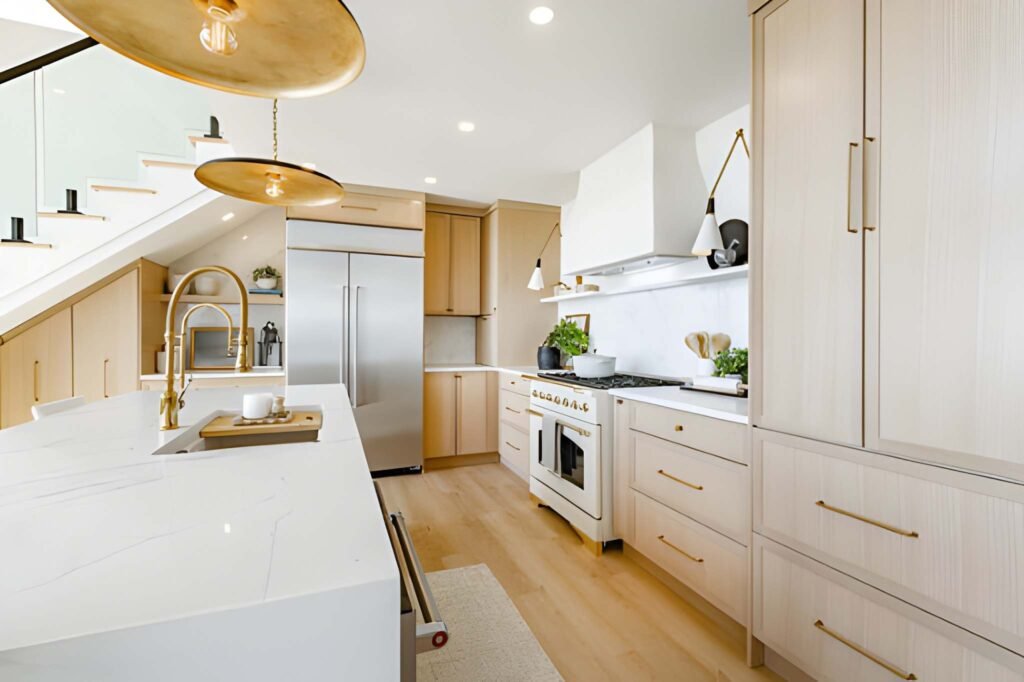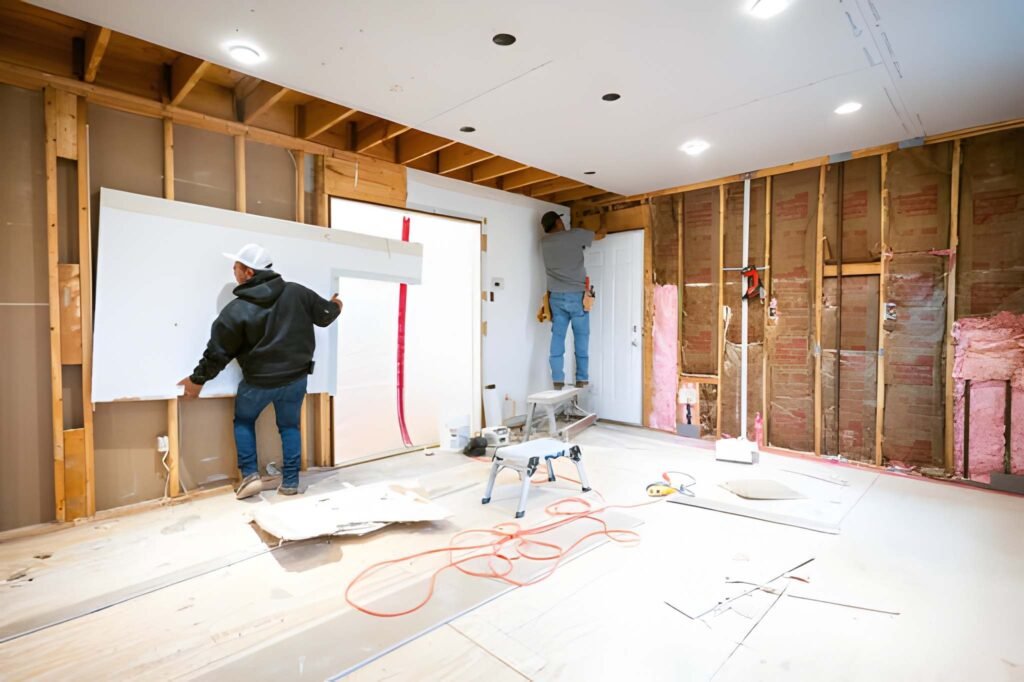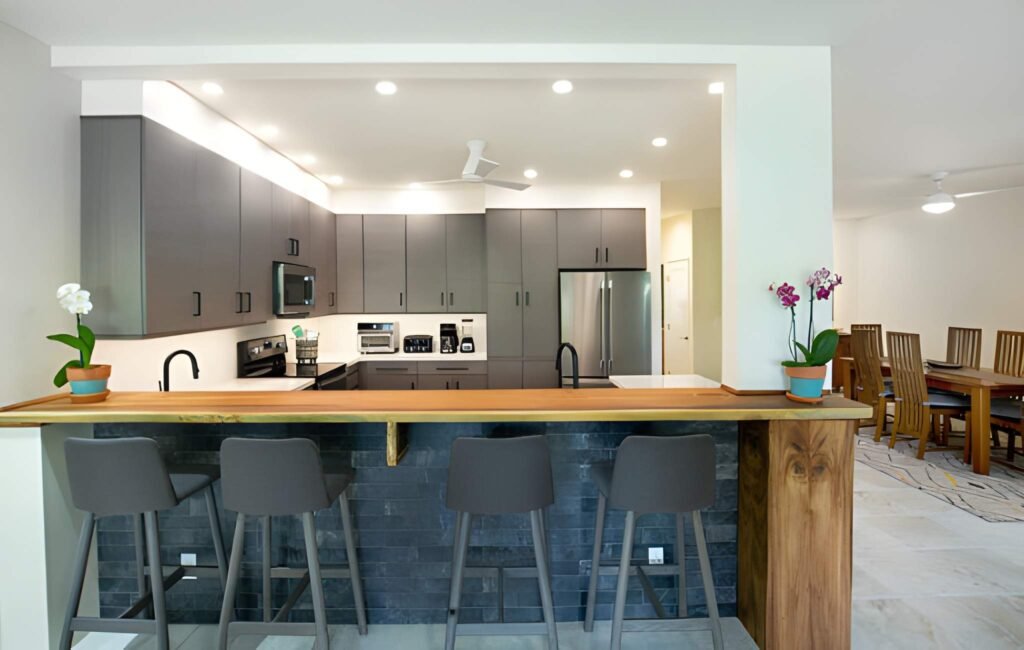
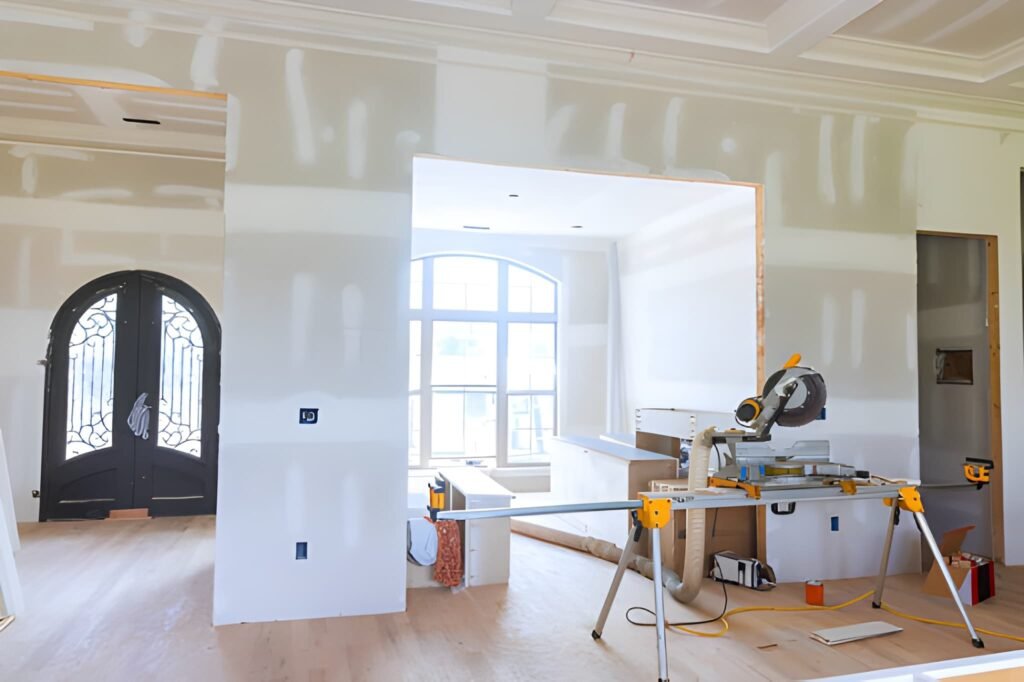
The $20,000 kitchen renovation represents a significant threshold in home improvement. It is a budget that moves beyond mere cosmetic updates and into the realm of substantial, full-scale transformation. At this level, homeowners can address not just aesthetics but also core functionality, workflow, and even some layout alterations. This financial commitment demands a strategic and informed approach to ensure every dollar works toward creating a space that is both beautiful and profoundly practical. This guide provides a comprehensive blueprint for navigating a $20,000 kitchen renovation, from initial planning and strategic budgeting to material selection and the critical decision of where to save and where to invest.
We will explore how this budget allows for a more cohesive design than a smaller refresh, potentially incorporating new semi-custom cabinetry, solid surface countertops, a full suite of appliances, and professional-level lighting. The goal is to achieve a result that not only delights the senses but also enhances daily life and delivers a strong return on investment, all while operating within a clear and disciplined financial framework.
The Strategic Mindset for a $20,000 Budget
With $20,000, the philosophy shifts from “what can we update?” to “what can we transform?” This budget provides the breathing room to address multiple high-impact elements simultaneously. The key is to think in terms of systems and cohesion. Instead of a piecemeal approach, you can plan a renovation where the cabinets, countertops, and appliances work together as a unified whole. This requires a more disciplined pre-planning phase. You must develop a complete vision and a fixed budget allocation before any work begins, as changes mid-stream will be costly. The $20,000 renovation is a balancing act between investing in permanent, hard-to-change elements (like cabinet boxes and layout) and selecting surfaces and fixtures that offer the best value without sacrificing quality.
The Foundational Assessment: Layout and Scope
The first and most critical step is a ruthless assessment of your existing kitchen’s layout and condition. The decision to keep the kitchen’s “footprint” or to make minor alterations will dictate the entire project’s trajectory.
Working Within the Existing Footprint: This is the most cost-effective path. By keeping all plumbing and electrical rough-in points in their current locations, you save thousands of dollars in labor and materials for moving pipes, drains, and wiring. This approach allows you to pour a larger portion of your budget into the quality of the components themselves—better cabinets, higher-end countertops, and superior appliances.
Considering Minor Layout Alterations: With $20,000, some minor layout changes become feasible. This could involve removing a non-load-bearing peninsula to open up the space to an adjacent room or shifting the refrigerator location by a few feet. The most significant and expensive change is moving the sink, as it involves both plumbing and electrical work for the dishwasher and garbage disposal. If a new layout drastically improves the work triangle and workflow, it can be a worthy investment of $1,500 to $3,000 of your budget. A good rule of thumb is that any structural change involving load-bearing walls is likely beyond the scope of this budget.
The Detailed Budget Allocation: A Zero-Sum Game
At $20,000, meticulous budget allocation is not just helpful; it is imperative. The following table outlines a sample allocation for a balanced approach, where no single element is starved, and the overall result is cohesive and high-quality.
Table 1: Detailed $20,000 Kitchen Renovation Budget
| Component | Allocation | Rationale & Specifications |
|---|---|---|
| Cabinetry | $7,000 – $9,000 | The centerpiece. This covers semi-custom stock cabinets (e.g., Thomasville at Home Depot, KraftMaid at Lowe’s) or a full IKEA kitchen with custom door fronts. Includes installation. |
| Countertops | $3,500 – $4,500 | A solid surface like quartz is the prime target. This budget allows for a good-quality quartz from a secondary supplier or a remnant piece of premium granite. Includes professional templating and installation. |
| Appliances | $3,000 – $4,000 | Covers a full suite of mid-range appliances from reliable brands like GE, Whirlpool, or Frigidaire. Focus on a package deal from a major retailer. Open-box or scratch-and-dent models can increase buying power. |
| Flooring | $1,500 – $2,000 | Durable, waterproof Luxury Vinyl Plank (LVP) is the ideal choice. This budget covers materials and professional installation for an average-sized kitchen. |
| Backsplash & Wall Prep | $1,000 – $1,500 | Includes materials (subway tile, herringbone pattern tile) and mortar, grout, and professional installation. Also includes painting walls/ceiling. |
| Lighting & Electrical | $1,000 – $1,500 | Upgrading to energy-efficient LED recessed lighting (4-6 cans), a stylish pendant light over the island/sink, and under-cabinet LED tape light. Includes an electrician’s labor. |
| Plumbing & Fixtures | $800 – $1,200 | A high-quality, professional-grade faucet (e.g., Delta, Moen), a new stainless steel sink (16 or 18 gauge), and a new garbage disposal. |
| Contingency (10-15%) | $2,000 – $3,000 | Non-negotiable. This fund is for unforeseen issues like rotten subfloor, outdated wiring that needs updating, or plumbing surprises. |
This allocation is a template. Your personal priorities might lead you to shift funds. A passionate cook might take $1,000 from the appliance budget to upgrade the faucet and sink and add a pot filler, relying on a package deal for the remaining appliances.
The Cabinetry Decision: Semi-Custom as the Sweet Spot
With $20,000, refacing or painting existing cabinets is often no longer the best use of funds unless the boxes are truly exceptional. This budget typically allows for new cabinetry, which solves both aesthetic and functional problems in one stroke.
Stock vs. Semi-Custom vs. Custom:
- Stock Cabinets: Pre-made in standard sizes. They are the most affordable but offer limited design flexibility. Brands include IKEA and big-box store in-stock lines.
- Semi-Custom Cabinets: The ideal choice for this budget. You choose from a catalog of door styles, finishes, and interior accessories (pull-out shelves, tray dividers) but they are built to order in standard sizes. This offers a perfect balance of customization, quality, and price.
- Full Custom Cabinets: Built from scratch by a cabinetmaker for your specific space. This is a luxury that would consume the entire $20,000 budget on its own.
The investment in new, well-organized semi-custom cabinets pays dividends every day. Features like soft-close hinges and drawers, full-extension slides, and base cabinet pull-outs transform the kitchen’s functionality. When selecting a door style, a simple, shaker-style door in a timeless color (e.g., white, navy, gray, or natural wood) offers the best long-term value and appeal.
Countertops, Appliances, and flooring: The Value Triad
This budget tier allows for significant upgrades in the three other major cost centers.
Countertops: Quartz is the reigning champion for its durability, non-porous nature, and wide variety of designs. At this budget, you can confidently select quartz without needing to hunt for remnants. If you prefer the unique character of natural stone, you can find beautiful granites within this price range, though they require periodic sealing. Butcher block remains an option for adding warmth, but the savings can now be redirected elsewhere, perhaps toward a higher-tier appliance.
Appliances: The $3,000-$4,000 range opens the door to a coordinated suite of appliances with modern features and improved energy efficiency. This is the budget to secure a French door refrigerator, a gas or convection range, a quiet dishwasher, and an over-the-range microwave or a built-in microwave drawer. The key is to shop for package deals during holiday sales. The aesthetic will be cohesive, and the performance will be a noticeable step up from builder-grade models.
Flooring: Luxury Vinyl Plank (LVP) is the unequivocal recommendation. It is 100% waterproof, incredibly durable, comfortable underfoot, and available in convincing wood and stone visuals. Its click-lock installation system makes it a potential DIY project, but for a flawless, professional finish, factoring in installation is wise. Porcelain tile that looks like wood is another excellent, durable option, though the material and installation cost can be higher.
The Power of Professional Lighting and Plumbing
With the core elements secured, the $20,000 budget allows you to invest in the details that elevate a kitchen from good to great.
A Professional Lighting Plan: An electrician can implement a layered lighting scheme that is both functional and atmospheric.
- Ambient Lighting: 4-6 LED recessed lights (“cans”) placed strategically to eliminate shadows.
- Task Lighting: Hardwired, dimmable LED tape lights under the cabinets, providing perfect illumination for food prep.
- Accent Lighting: A statement pendant light over a sink or island that serves as jewelry for the room.
Quality Plumbing Fixtures: A cheap faucet feels and performs like a cheap faucet. Allocating funds for a professional-grade pull-down sprayer faucet from a reputable brand ensures reliability and daily satisfaction. Similarly, a high-quality 16-gauge stainless steel sink resists dents and noise far better than a thinner 22-gauge model. These are touch-points you interact with countless times a day; the investment in quality is palpable.
The Contractor vs. DIY Hybrid Model
At this budget level, a pure DIY approach is risky for all but the most experienced homeowners. However, a hybrid model is both feasible and financially smart.
Hire a General Contractor For:
- Any structural or layout changes.
- Cabinet installation (for perfect alignment and function).
- Electrical and plumbing rough-in and final connections.
- Countertop template and installation.
- Flooring installation (if not DIY).
Manage Yourself or DIY:
- Demolition of the old kitchen.
- Painting the walls and ceiling.
- Backsplash installation (if you have a moderate skill level).
- Installation of cabinet hardware and light fixtures.
- Final cleanup.
This hybrid approach controls labor costs—the single largest variable in any renovation—while ensuring the critical, complex tasks are handled by professionals. It is essential to get at least three detailed, fixed-price quotes from licensed and insured contractors. A clear, itemized contract protects both you and the contractor.
Navigating the Process: A Phased Timeline
A successful $20,000 renovation follows a disciplined sequence.
Phase 1: Planning & Sourcing (4-8 Weeks)
This is the most important phase. Finalize your design, select all materials, and get everything on order. Cabinets and countertops have long lead times (6-10 weeks). Secure your contractor and sign a contract.
Phase 2: Demolition & Rough-In (1 Week)
The old kitchen is removed. The contractor addresses any unforeseen issues (rotten subfloor, old wiring) and performs any necessary electrical, plumbing, or structural work.
Phase 3: Installation (2-3 Weeks)
- New flooring is installed (if going under cabinets).
- Cabinets are set and leveled.
- Countertops are templated and then installed a week later.
- The sink and faucet are installed.
- The backsplash is tiled.
Phase 4: Finishing (1 Week)
- Appliances are delivered and installed.
- Light fixtures and switch plates are installed.
- Cabinet hardware is attached.
- Final paint touch-ups are completed.
- The space is thoroughly cleaned.
Conclusion: The New Standard
A $20,000 kitchen renovation is a substantial undertaking that, when executed with strategy and foresight, yields a transformative result. It allows you to replace the entire ecosystem of the kitchen—cabinets, counters, appliances, and flooring—with quality, durable materials that will serve you well for years to come. By prioritizing semi-custom cabinetry, investing in professional installation for critical tasks, and allocating a robust contingency fund, you navigate the process with confidence. The outcome is not a temporary facelift but a fundamental upgrade to the core of your home. It is a kitchen that functions with seamless efficiency, reflects a cohesive and timeless design, and solidifies its role as the true, enduring heart of the household.