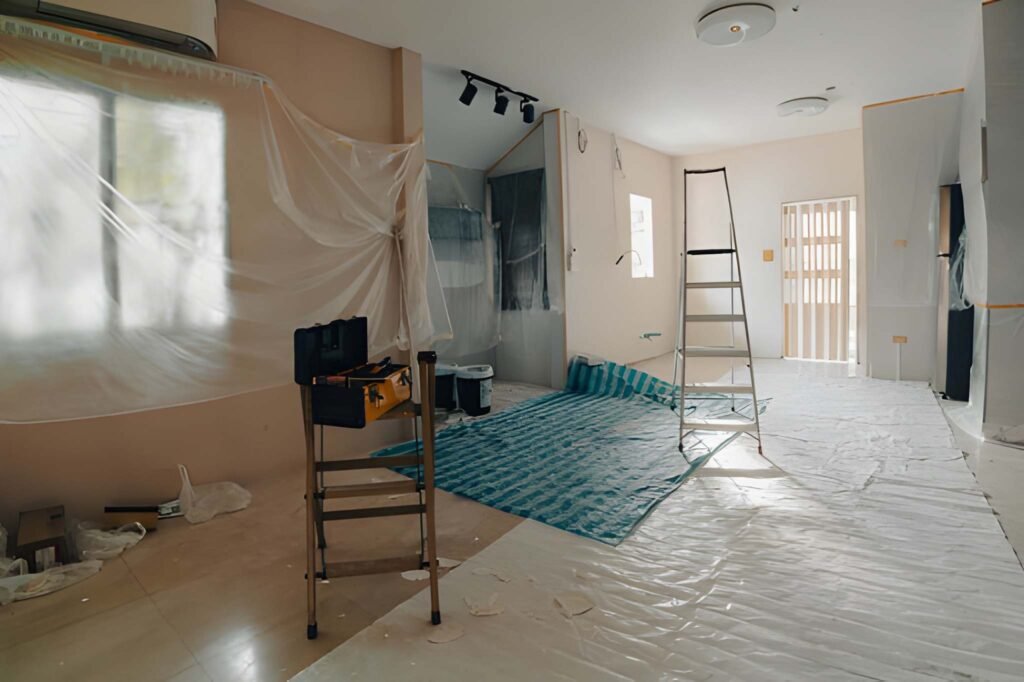
A two hundred thousand dollar home renovation is a statement of intent. It transcends the category of a simple upgrade and enters the realm of architectural reinvention. This is not a project defined by choosing new countertops or refinishing floors; it is a comprehensive re-evaluation of a property’s very essence, its relationship to the land, and its functionality for modern life. This level of investment grants a homeowner the power to execute a vision that is both expansive and precise, addressing not only surface-level aesthetics but the foundational systems, spatial flow, and long-term performance of the dwelling. It is the financial threshold where one can realistically consider adding significant square footage, reconfiguring an entire floor plan, or integrating high-performance technology and sustainable materials. The successful execution of a renovation at this scale demands a methodical, almost clinical approach to planning, a deep understanding of value engineering, and the emotional fortitude to manage a process that will reshape your living environment for six months to a year.
The Strategic Imperative: Defining the “Why” Before the “What”
Before a single wall is touched, the fundamental purpose of this substantial investment must be crystal clear. The allocation of two hundred thousand dollars follows one of several distinct strategic paths, each with its own set of priorities and financial logic.
The Forever Home Enhancement. This is the most common driver for renovations at this budget level. Homeowners, often empty-nesters or established families, have no intention of moving. They love their location, their neighborhood, and the underlying structure of their home, but the property no longer suits their lifestyle. The $200,000 is an investment in long-term personal satisfaction, health, and comfort. The focus here is on creating a deeply personalized environment: a primary suite sanctuary, a chef’s kitchen designed for entertaining, dedicated spaces for hobbies or home fitness, and universal design features that allow for aging in place. The return on investment (ROI) is measured in daily joy and utility, not future resale value.
The Value-Add Repositioning. This is a tactical, almost entrepreneurial approach. The homeowner, who may or may not be an occupant, has identified a property with strong “bones” in a desirable neighborhood but that is functionally obsolete or stylistically dated. The $200,000 renovation is a calculated deployment of capital to force an appreciation in the property’s market value. This strategy targets specific, high-ROI transformations: adding a second story to a ranch home to create four bedrooms, converting an attic into a legal rental unit, or reconfiguring a closed-off floor plan into a sought-after open-concept living area. Every decision is weighed against its potential to increase the appraised value.
The Systemic Overhaul and Envelope Upgrade. Some homes, particularly those from the mid-20th century, possess a desirable architectural character but suffer from catastrophic systemic failures. The $200,000 is allocated not for glamour, but for necessity and performance. This includes replacing a failing roof, outdated knob-and-tube wiring, corroded galvanized plumbing, and an inefficient HVAC system. It also includes a comprehensive upgrade of the building envelope: new energy-efficient windows, continuous exterior insulation, and air sealing. This path creates a home that is safer, cheaper to operate, and more resilient, laying a high-performance foundation for future cosmetic updates.
The following table outlines how the $200,000 budget could be allocated across these three strategic visions for a 2,500-square-foot home.
| Budget Category | Forever Home Enhancement | Value-Add Repositioning | Systemic Overhaul & Envelope |
|---|---|---|---|
| Design, Architecture & Permits | $20,000 | $15,000 | $10,000 |
| Demolition & Site Work | $10,000 | $12,000 | $15,000 |
| Structural Modifications / Addition | $25,000 (e.g., beam for open plan) | $60,000 (second-story addition) | $5,000 (targeted repairs) |
| Mechanical Systems (HVAC, Plumbing, Electrical) | $30,000 (high-efficiency, zoned systems) | $25,000 (to code for new space) | $75,000 (full replacement + panel upgrade) |
| Building Envelope (Windows, Insulation, Roofing) | $25,000 (high-quality windows) | $18,000 (standard replacement) | $50,000 (top-tier windows, spray foam, new roof) |
| Kitchen | $45,000 (custom, high-end appliances) | $30,000 (semi-custom, stylish) | $15,000 (functional update) |
| Primary Bathroom | $35,000 (spa-like, premium materials) | $20,000 (modern, stylish) | $10,000 (basic update) |
| Other Interiors (Flooring, Paint, Millwork) | $20,000 (solid hardwood, custom built-ins) | $15,000 (engineered wood) | $15,000 (LVP, repaint) |
| Contingency (15%) | $30,000 | $25,000 | $25,000 |
| TOTAL | $240,000 (Requires scope adjustment) | $220,000 (Requires scope adjustment) | $220,000 (Requires scope adjustment) |
Note: The initial estimates consistently exceed $200,000, demonstrating the constant tension between ambition and budget that defines this scale of project. Value engineering becomes a critical discipline.
The Professional Ecosystem: Assembling Your Project Team
A $200,000 renovation is not a DIY project. It is a small business venture that requires a dedicated team of specialists. The homeowner’s primary role is that of the CEO, making high-level decisions based on expert advice.
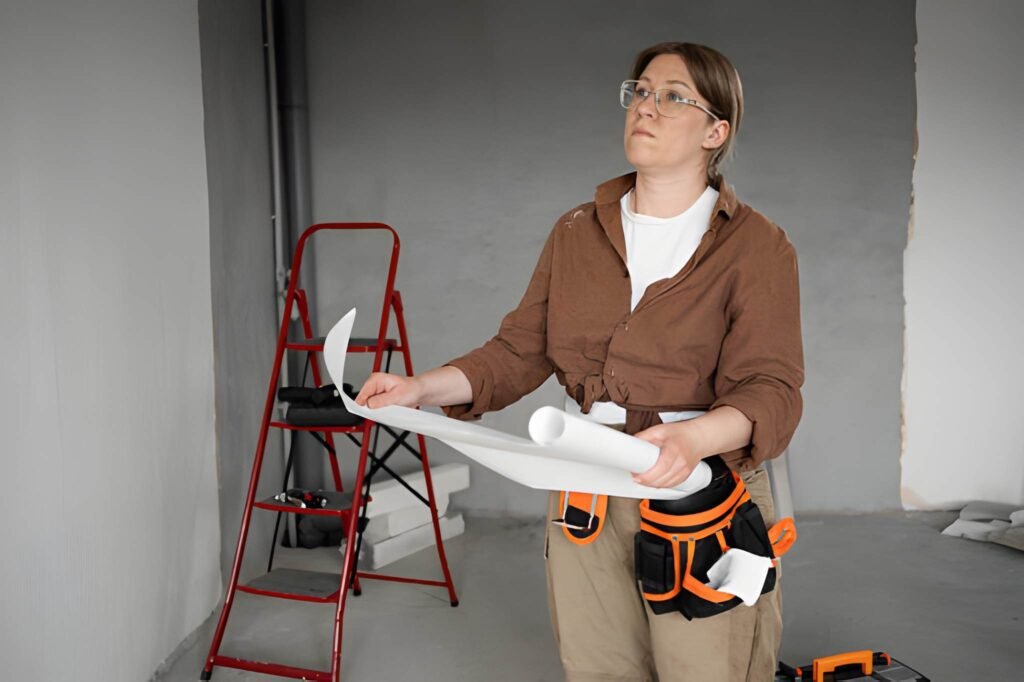
The Architect or Residential Designer. For any project involving structural changes, additions, or a complete rethinking of the floor plan, an architect is indispensable. They synthesize your lifestyle needs with the physical and regulatory constraints of the property. They produce construction documents that are legally binding, ensuring the contractor builds what you envision and that the design complies with building codes. Their fee is an investment in avoiding catastrophic and expensive errors.
The General Contractor (GC). The GC is the project’s operational manager. They provide the labor, source the materials, and manage the complex sequence of subcontractors. For a project of this size, you must vet a GC with a proven track record of comparable projects. The contract should be a fixed-price or a Guaranteed Maximum Price (GMP) agreement, not a time-and-materials contract, to protect you from cost overruns. The payment schedule should be clearly defined, with the largest retainage (typically 10%) held until final completion and punch list resolution.
Specialized Consultants. Depending on the project’s scope, you may need to engage a structural engineer to design beams and foundations, a landscape architect to integrate outdoor living spaces, or an energy consultant to model the home’s performance and recommend specific insulation and mechanical strategies.
The Anatomy of a High-Budget Renovation: Key Investment Areas
With a skilled team in place, the $200,000 budget allows for transformative investments in several key areas.
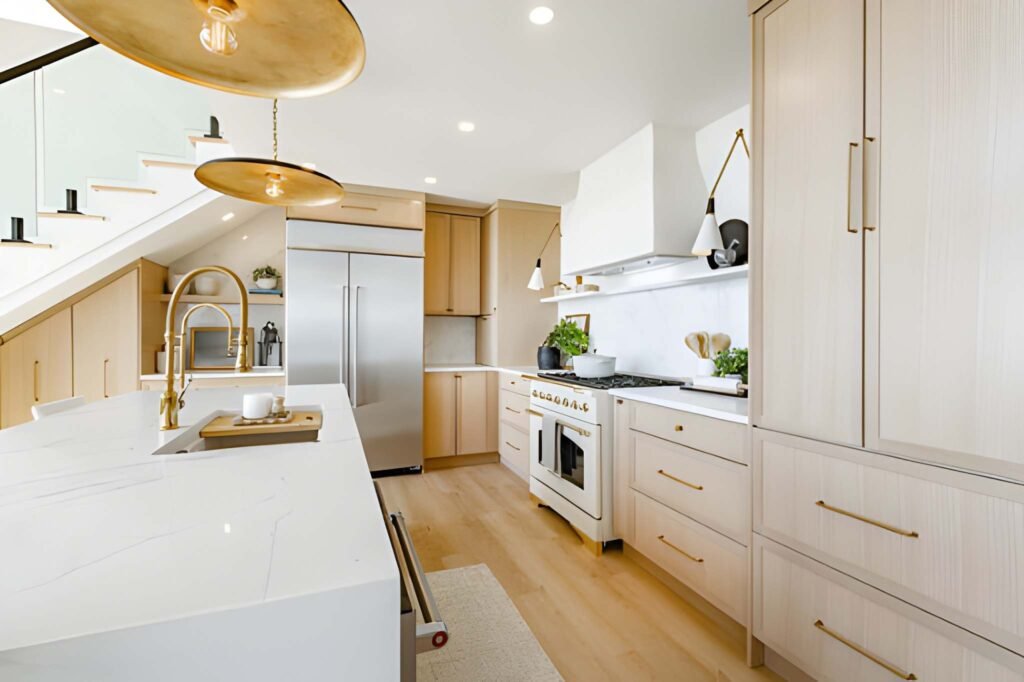
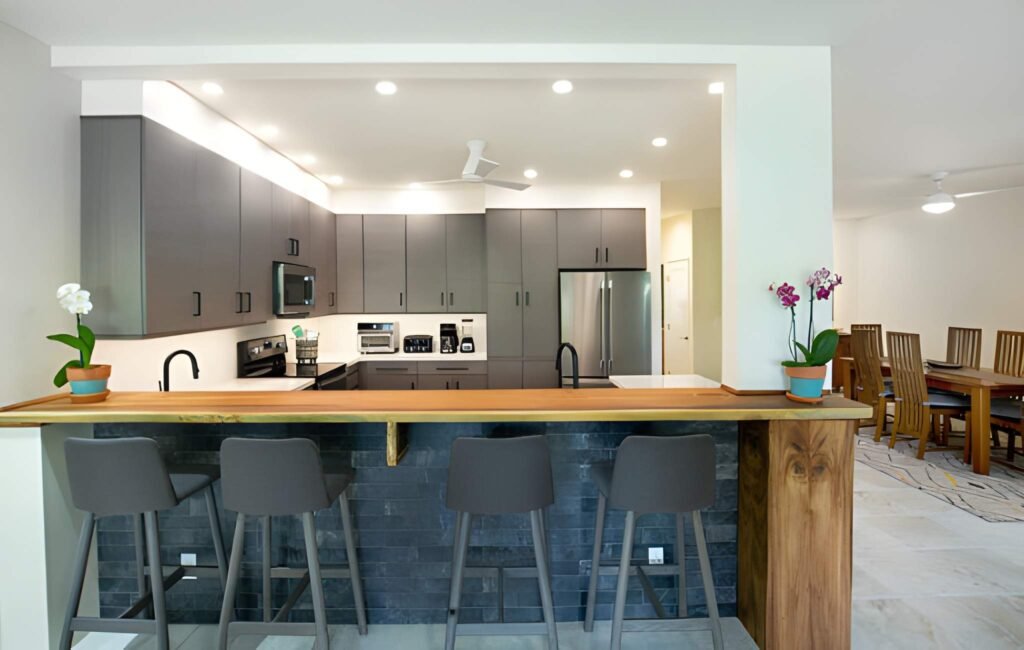
The Kitchen as a Command Center. At this budget level, the kitchen evolves from a room for cooking into the functional and social heart of the home. Investment flows into custom or semi-custom cabinetry with integrated organization systems, professional-grade appliances (a 48-inch range, integrated refrigeration), and durable, beautiful countertops like quartzite or full-slab granite. The design often incorporates a dedicated pantry, a large island with seating, and specialized zones for coffee, baking, or clean-up. The lighting plan is layered, with ambient, task, and accent lighting all on dimmers.
The Primary Suite Retreat. The concept of the master bedroom expands into a private sanctuary. The renovation may involve borrowing space from adjacent rooms to create a true suite, complete with a sleeping area, a spacious walk-in closet with custom organizers, and a luxury bathroom. This bathroom features a walk-in shower with multiple showerheads, a freestanding soaking tub, dual vanities with ample storage, and heated floors. The focus is on creating a spa-like environment that serves as a private escape.
Indoor-Outdoor Integration. A significant portion of the budget can be allocated to erasing the boundary between the interior and the exterior. This involves installing large-format sliding or folding glass doors that open onto a new deck, patio, or pergola. The project may include extending the HVAC system to condition a sunroom or building an outdoor kitchen, effectively adding usable living space and enhancing the perception of square footage.
The “Unsexy” Upgrades with Long-Term Payoff. The discerning homeowner allocates a substantial sum to the components behind the walls and above the ceilings. This includes upgrading to a 400-amp electrical service to support future electric vehicle charging and home electrification, installing a PEX plumbing manifold system for better water pressure and control, and implementing a multi-zone, high-velocity or ducted mini-split HVAC system for optimal comfort and efficiency. Spray foam insulation in the roof and walls dramatically reduces energy bills and external noise pollution. These are investments that a future home inspector and appraiser will recognize and value.
Navigating Risk, Contingency, and Emotional Resilience
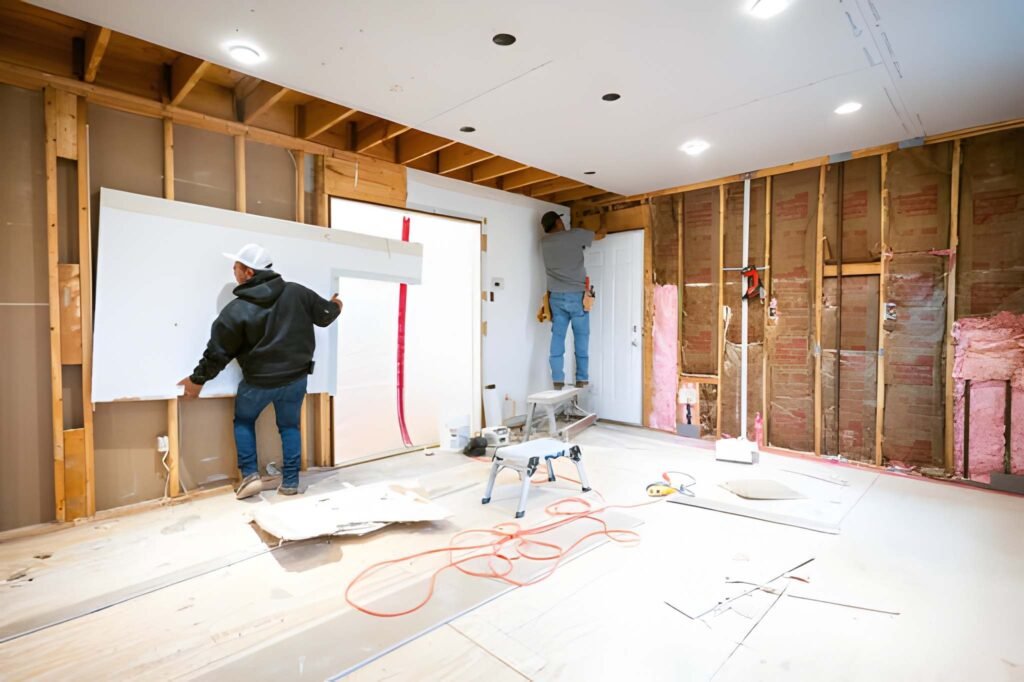
The single most critical financial concept in a renovation of this magnitude is the contingency fund. A 15-20% contingency ($30,000-$40,000 on a $200k project) is not a luxury; it is an absolute necessity. This fund is for the inevitable discoveries: the rot found in the subfloor when the old tile is removed, the asbestos wrapping on old pipes discovered during demolition, or the need to upgrade the sewer line to meet current code. A robust contingency fund is what separates a successful project from a bankrupt and half-finished one.
The emotional toll is equally significant. Living in a construction zone for months on end, dealing with dust, noise, and a constant stream of decisions, creates immense stress. Many homeowners find it wise to budget for temporary relocation, especially during the most disruptive phases like demolition and mechanical rough-ins. This preserves sanity and family harmony.
The process of value engineering—finding ways to achieve the desired aesthetic and functional outcome without exceeding the budget—becomes a constant practice. This might mean choosing a stunning ceramic tile that mimics marble at a fraction of the cost, or opting for expertly crafted painted cabinets instead of natural wood to save funds for a more critical item, like the HVAC system.
A $200,000 home renovation is a profound journey that tests your vision, your budget, and your patience. Yet, when executed with strategic clarity and professional guidance, it results in more than a renovated house. It creates a home that is a true reflection of its owners—a space that is not only beautiful and functional but also a sound, high-performing asset built for the future. It is the culmination of a vision that transforms a structure of wood and concrete into a deeply personal and enduring legacy.