The prospect of a $25,000 grant to renovate your home can feel like a transformative opportunity, a financial windfall that unlocks the potential of your property without the burden of repayment. The landscape of home renovation grants, however, is often misunderstood. It is a complex ecosystem of highly specific federal, state, and local programs, each with rigid eligibility requirements and defined purposes. There is no universal, nationally-available $25,000 check waiting for every homeowner. The real journey involves understanding the specific programs that can aggregate to such a figure, identifying your eligibility, and navigating the intricate application processes. This guide demystifies the world of home renovation grants, separating myth from reality and providing a strategic roadmap for accessing these critical funds.
The Reality of Home Renovation Grants
The first and most critical concept to grasp is that government grants are not gifts; they are strategic investments with public policy goals. They are designed to solve specific problems, such as revitalizing low-income neighborhoods, improving public health and safety, or promoting energy independence. Therefore, the availability of grant money is almost always tied to a combination of factors: your household income, the location of your home, the specific repairs or improvements needed, and your status as a homeowner.
The notion of a single $25,000 grant is rare. More commonly, homeowners may access a package of assistance that combines a smaller grant with a low-interest loan or a deferred-payment loan, which together may reach or exceed $25,000 in total assistance. The following table outlines the typical structure of these assistance programs:
| Type of Assistance | How It Works | Typical Purpose | Key Characteristics |
|---|---|---|---|
| Grant | Funds that do not need to be repaid. | Targeted repairs for health, safety, and accessibility. | Highly competitive; strict income and location requirements. |
| Forgivable Loan | A loan that is gradually forgiven over a set period (e.g., 5-10 years) as long as you remain in the home. | Major repairs, weatherization, and sometimes aesthetic improvements in targeted areas. | Functions like a grant if you comply with the terms; recapture clause if you sell or move early. |
| Deferred Loan | A low- or zero-interest loan that requires no monthly payments. The balance is due when the home is sold, transferred, or the borrower no longer lives there. | Whole-home rehabilitation for low-income seniors or those with disabilities. | Puts a lien on the property; the debt does not accrue interest and is paid from the sale proceeds. |
The most likely path to $25,000 in assistance is through a local program that blends these instruments. For example, you might receive a $10,000 grant for a new roof and a $15,000 forgivable loan for window and siding replacement, creating a total benefit of $25,000.
Primary Sources for Substantial Grant Assistance
The search for renovation grants must be hyper-local. While federal agencies provide the funding umbrella, the distribution is almost always managed by city or county departments, non-profit organizations, and community development corporations.
1. The U.S. Department of Housing and Urban Development (HUD)
HUD is the primary federal source for housing rehabilitation funds, which it channels to states and local jurisdictions through block grants. The two most significant programs are:
- The Community Development Block Grant (CDBG) Program: Local cities and counties use CDBG funds to support a wide range of community development activities, including homeowner rehabilitation programs. These programs are exclusively for low- and moderate-income households and are often targeted to specific neighborhoods the city is trying to revitalize. The assistance can be quite substantial, covering critical repairs like roofing, plumbing, electrical, and heating systems.
- The HOME Investment Partnerships Program: This program provides grants to states and localities to fund a wide range of housing activities, including building, buying, and rehabilitating affordable housing. Some participating jurisdictions offer HOME funds for owner-occupied rehabilitation, often in the form of a forgivable loan.
2. The USDA Rural Development Program
For homeowners in qualified rural areas, the USDA Single Family Housing Repair Loans & Grants program, often known as the Section 504 Home Repair program, is a direct source of grant funding.
- Eligibility: You must be a homeowner in a USDA-defined rural area, be unable to obtain affordable credit elsewhere, and have a family income that is below 50% of the area median income.
- Grant Specifics: The program offers grants of up to $10,000 for homeowners who are 62 or older. The grant must be used to remove health and safety hazards, such as repairing a failing well or septic system, or addressing structural or electrical hazards.
- The $25,000 Path: While the grant itself is capped at $10,000, the program also offers low-interest loans. A qualified senior could potentially receive a $10,000 grant and a $15,000 loan, achieving the $25,000 in assistance for vital repairs.
3. State and Local Housing Finance Agencies (HFAs)
Every state has a Housing Finance Agency, and many large cities have their own equivalents. These agencies are powerhouse administrators of affordable housing programs. They often manage the state’s allocation of federal funds and create their own initiatives using bond revenues. They frequently offer programs for first-time homebuyers that include renovation components, as well as programs for existing homeowners. These can include grant or forgivable loan components for weatherization, lead paint abatement, or accessibility modifications.
4. Non-Profit and Charitable Organizations
Organizations like Habitat for Humanity are not just for building new homes. Many local Habitat affiliates have a “Home Preservation” or “Aging in Place” program. These initiatives provide critical repairs, accessibility modifications (like ramp installations and grab bars), and exterior painting for low-income homeowners, particularly seniors and veterans. The work is often done at no cost to the homeowner through a combination of volunteer labor and donated materials, representing a significant in-kind grant of services that can easily equate to thousands of dollars in value.
The Strategic Application Process
Securing grant funding is a marathon, not a sprint. It demands patience, organization, and persistence.
Phase 1: Research and Eligibility Confirmation
Your first stop should be the website of your city or county’s “Housing and Community Development” department. Search for terms like “owner-occupied rehabilitation,” “home repair grant,” or “housing preservation.” Next, visit your state’s Housing Finance Agency website. Compile a list of all potential programs and note their specific eligibility criteria: income limits (usually as a percentage of Area Median Income), geographic target areas, and types of repairs covered.
You must gather the required documentation. This almost always includes:
- Proof of homeownership (deed).
- Proof of income for all household members (tax returns, pay stubs, Social Security award letters).
- Proof of identity.
- Proof that your property taxes and homeowners insurance are current.
Phase 2: The Pre-Application and Home Inspection
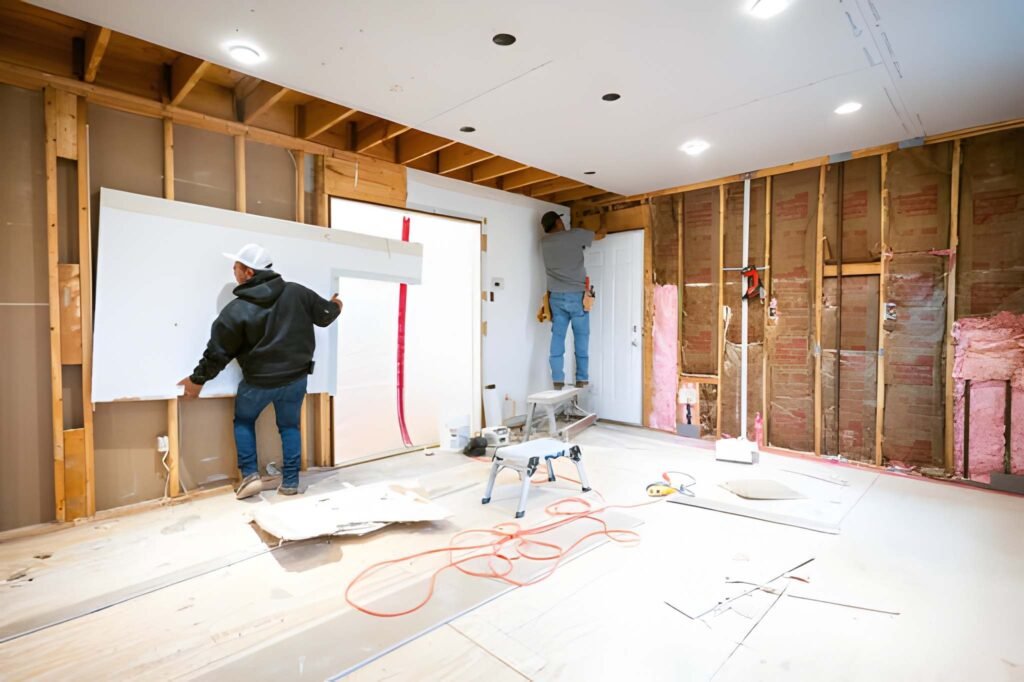
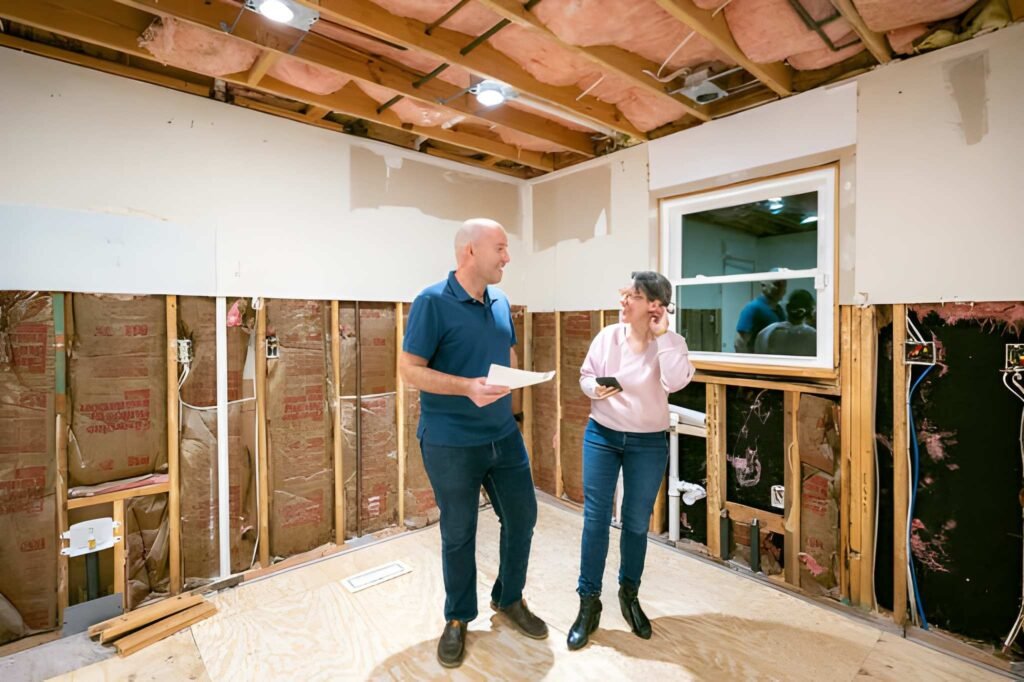
Many programs have a pre-screening process. Once you make contact, a program representative will often schedule a home inspection. This inspection is not a mere formality; it is the basis for the “Work Write-Up.” The inspector will create a detailed list of all necessary repairs that fall within the program’s scope, prioritizing health and safety issues. This write-up becomes the definitive scope of work for the project and determines the final award amount.
Phase 3: Application Submission and the Waiting Game
You will complete a formal application package. After submission, prepare for a long wait. These programs are notoriously underfunded relative to demand. Many operate on waiting lists that can be months or even years long. Your application is often not processed until funding becomes available and your name reaches the top of the list. Consistent, polite follow-up is essential to ensure your application remains active.
Phase 4: Contractor Selection and Project Management
Most programs do not give the funds directly to you. They typically pay the contractor upon satisfactory completion of the work. You may be given a list of approved contractors who are familiar with the program’s requirements, including prevailing wage laws. The program administrator acts as your project manager, overseeing the work and ensuring it meets local building codes.
A Realistic Scenario: Building a $25,000 Assistance Package
Consider a hypothetical low-income senior homeowner in a qualified rural area.
- They apply for and receive the USDA Section 504 Grant for $10,000 to replace their failing septic system.
- Their local county, using CDBG funds, operates a Minor Home Repair Program that offers a $7,500 forgivable loan for roof repairs.
- A local non-profit, funded by the state HFA, runs a Weatherization Assistance Program that provides $5,000 in value for attic insulation, air sealing, and a new energy-efficient furnace.
- A community action agency uses private donations to fund an Accessibility Modifications Program that installs a walk-in shower and grab bars, a value of $2,500.
In this scenario, the homeowner has not received a single $25,000 grant. Instead, they have strategically navigated multiple, layered programs to receive a total of $25,000 in grants, forgivable loans, and in-kind services, comprehensively addressing their home’s critical needs.
The path to $25,000 in home renovation grant assistance is not a simple application but a strategic pursuit. It requires a clear understanding that these funds are targeted, scarce, and designed to serve the most vulnerable homeowners and communities. Success depends on meticulous local research, patience with bureaucratic processes, and a willingness to assemble a financial solution from several different sources. For those who qualify and persevere, the result is more than just a renovated home; it is the preservation of a safe, healthy, and stable foundation for life.