
A custom condo renovation represents a unique and complex chapter in urban living. It is the deliberate process of transforming a standardized, developer-built unit into a home that is a direct reflection of its owner’s identity, lifestyle, and aesthetic. This endeavor exists at the intersection of personal desire and collective responsibility, where the dream of an open-concept layout must be reconciled with the reality of concrete pillars, governing documents, and shared infrastructure. Unlike a single-family home renovation, a condo project is a tightly orchestrated operation conducted within a multi-family ecosystem, demanding a specific kind of strategic planning, diplomacy, and technical expertise. This guide delves into the multifaceted world of custom condo renovations, providing a roadmap for navigating the logistical hurdles, architectural constraints, and design opportunities to create a deeply personal urban sanctuary.
The drive to customize a condo often stems from a desire to maximize the utility of a finite footprint, to infuse character into a neutral space, and to create an environment that functions with seamless efficiency. It is an investment not just in finishes, but in a superior quality of life within the urban fabric.
The Condo Conundrum: Rules, Regulations, and Neighborly Diplomacy
Before a single wall color is selected, the most critical phase of a condo renovation begins: understanding and navigating the building’s governance.
The Condominium Documents: The declaration, bylaws, and rules and regulations form the legal framework for your project. A meticulous review is non-negotiable. Key areas of focus include:
- Alteration Agreements: Most buildings require a formal application and a signed legal agreement before any work can commence. This document outlines your responsibilities, insurance requirements, and liability.
- Construction Windows and Hours: Buildings strictly enforce when work can occur, often limited to standard business hours on weekdays. There are no weekend or late-night exceptions.
- Approved Contractor Lists: Many buildings maintain a list of pre-vetted, licensed, and insured contractors who are familiar with the building’s specific protocols. Using a contractor from this list can streamline the approval process.
- Structural Limitations: The documents will explicitly prohibit any modification to load-bearing elements, which in a condo are almost always the perimeter walls and any interior concrete columns.
The Property Manager: This individual is your most important ally—or your most significant obstacle. A proactive, transparent, and respectful relationship with the property manager is essential. They will coordinate elevator usage, dumpster placement, and access to shared utilities.
The Logistics of Vertical Living: The logistics are a puzzle in themselves.
- Elevator Reservations and Protection: You will need to reserve the service elevator for move-in/move-out days. The elevator must be fully protected with padded blankets, masonite, and tape to prevent damage—a cost borne by the owner.
- Material Pathways: All materials must travel from the loading dock, through common halls, and into your unit. This includes defining a “materials pathway” with the building management, which must also be protected.
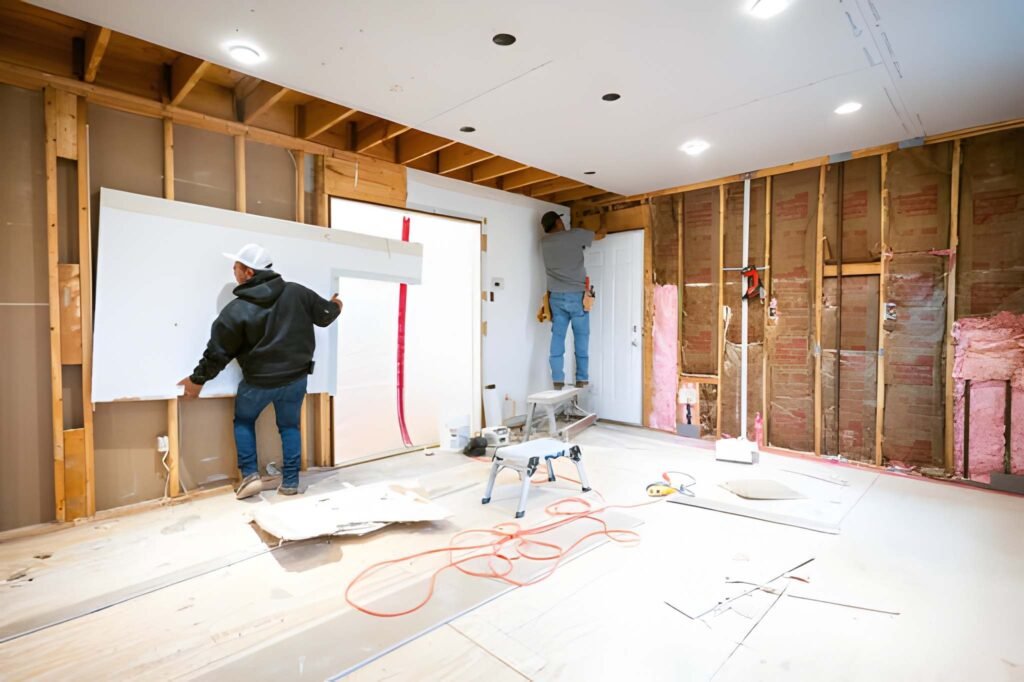
- Dust and Debris Management: A professional contractor will use negative air machines with HEPA filters to contain dust within the unit and will seal the doorway with zip-wall barriers. Meticulous cleanup of the common pathway at the end of every day is mandatory.
The Strategic Assessment: Unlocking the Potential of a Fixed Footprint
The physical constraints of a condo are significant. You cannot expand the footprint, and you likely cannot move load-bearing walls. The art of the custom condo renovation, therefore, lies in intelligent spatial reconfiguration and the clever use of volume and light.
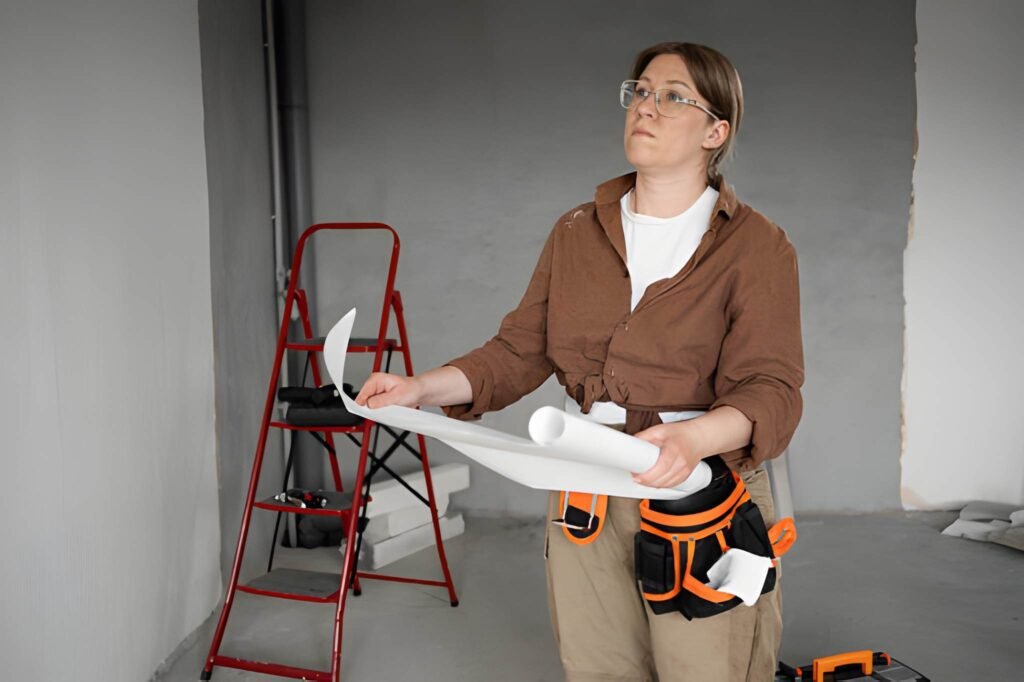
The “As-Built” Hunt: The single most valuable document you can obtain is the original architectural as-built drawings for your unit. These show the location of all structural elements, plumbing chases, and electrical conduits. The property manager may have these on file. Without them, you are operating partially in the dark, and your contractor will need to engage in more exploratory demolition.
Working with the Core: The fundamental layout is often dictated by two immovable wet walls—the vertical stacks that contain plumbing and waste lines for the entire building. Kitchens and bathrooms are typically anchored to these walls. A custom renovation works within this framework to optimize, not relocate, these core functions.
Spatial Strategies for Small Footprints:
- Volume over Square Footage: If you have high ceilings, building up can create visual space. This could mean tall, floor-to-ceiling cabinetry, a lofted sleeping area, or the use of transom windows to borrow light.
- The Illusion of Space: Strategic use of large-format tiles, continuous flooring throughout the unit, and consistent baseboards and trim can make small rooms feel connected and expansive.
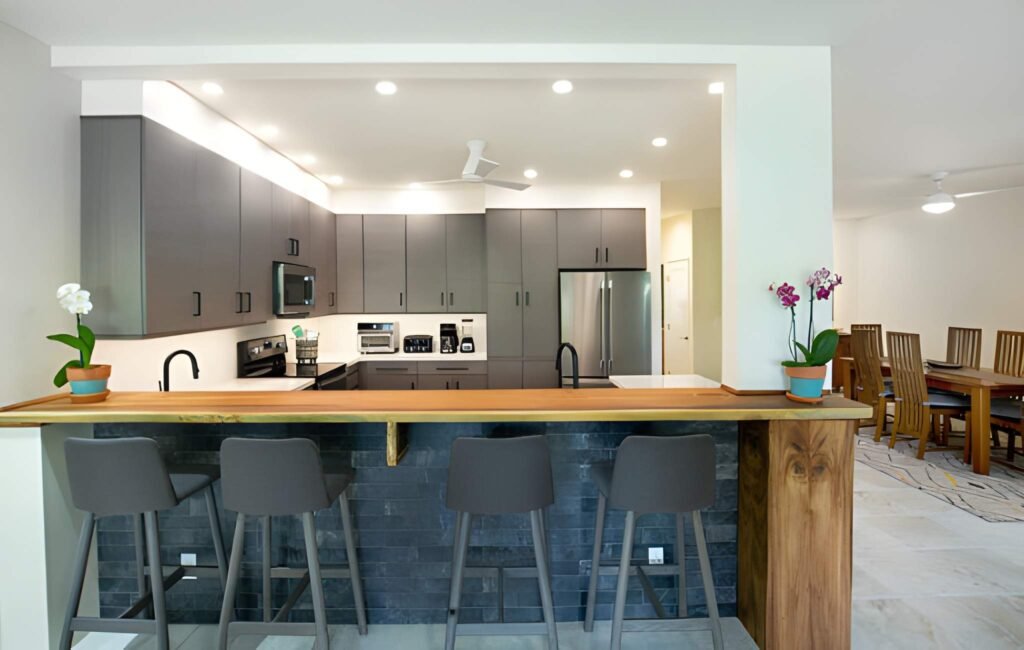
- Zoning without Walls: Instead of solid walls, use changes in floor material, ceiling coffers, half-walls, sliding barn doors, or open shelving units to define different areas (living, dining, sleeping) without closing them off.
The Custom Allocation: Where the Budget Goes in a Condo Renovation
A custom condo renovation budget has unique line items not found in a house renovation. Labor is often more expensive due to the logistical complexities and limited work windows.
Table 1: Sample $75,000 Condo Renovation Budget (1 Bedroom, 800 sq ft)
| Category | Allocation | Condo-Specific Rationale |
|---|---|---|
| General Contractor & Fees | $15,000 – $20,000 | Higher premium for project management of complex logistics, building liaison, and strict timeline adherence. |
| Building & Permit Fees | $2,000 – $5,000 | Includes the building’s non-refundable renovation deposit ($1,000-$3,000), permit fees, and elevator reservations. |
| Cabinetry & Custom Millwork | $18,000 – $22,000 | The centerpiece of customization. Built-in storage solutions, custom closets, and furniture-like pieces that maximize every inch. |
| Appliances & Mechanical | $8,000 – $10,000 | Condo-sized or panel-ready appliances. May include an upgrade to a multi-stage HEPA air filtration system. |
| Flooring & Surface Preparation | $6,000 – $8,000 | Installation of sound-deadening underlayment is often a building requirement. Premium engineered hardwood or LVP throughout. |
| Electrical & Lighting Plan | $5,000 – $7,000 | A fully customized plan with dimmers, dedicated circuits, and built-in LED lighting. Rewiring old units is a common need. |
| Plumbing & Bathroom Finishes | $7,000 – $9,000 | Limited to existing wet walls. Budget goes toward high-end fixtures, custom vanity, and premium tile in a compact space. |
| Contingency (15-20%) | $11,000 – $15,000 | Critical. For unforeseen issues like discovering knob-and-tube wiring, corroded pipes inside walls, or required concrete patching. |
The Core Systems: The Unseen Upgrade
The quality of life in a renovated condo is profoundly affected by its internal systems. These are the upgrades you feel rather than see.
A Superior Airscape: Standard builder-grade HVAC is often inadequate. A custom renovation might include:
- ERV/HRV System: An Energy/Heat Recovery Ventilator provides a constant supply of fresh, filtered air while retaining conditioned air, solving the stale air problem in a tightly sealed unit.
- Multi-Stage Air Filtration: Upgrading to a system that can handle pollen, dander, and urban pollutants.
The Acoustic Environment: In a shared building, sound transmission is a primary concern.
- Soundproofing: Adding mass-loaded vinyl (MLV) or soundproof drywall to interior walls, especially those shared with neighbors or between a bedroom and living area.
- Subfloor Isolation: Using a premium acoustic underlayment beneath all new flooring to mitigate impact noise for the neighbors below.
Integrated Technology: A custom renovation allows for seamless integration of low-voltage wiring for a distributed audio system, motorized window shades, and smart lighting controls, all centralized for a clean, uncluttered look.
The Design Philosophy: Curating an Experience
With space at a premium, every design decision must be intentional and multi-functional.
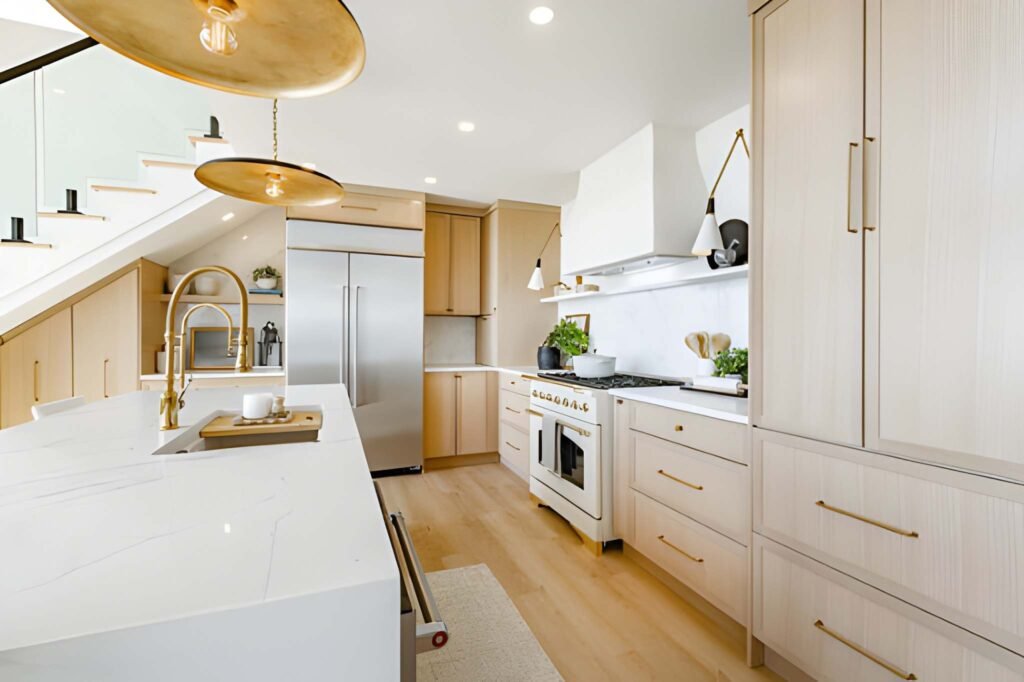
The Material Palette: In a smaller space, materials are experienced up close. Tactility, sheen, and detail matter immensely. A mix of textures—brushed brass, honed marble, cerused oak, and matte tile—creates visual interest without clutter.
The Custom Storage Ethos: This is where customization shines. Storage is not an afterthought; it is the architecture of the space. Think of floor-to-ceiling pantries with pull-out shelves, a bed frame with integrated drawers, a window seat with hidden compartments, and a desk that folds away into the wall. The goal is to have a designated place for everything, rendering the space serene and uncluttered.
Furniture-Style Millwork: Instead of standard base cabinets, the kitchen island can be designed as a freestanding furniture piece. A bathroom vanity can resemble a chic console table. This approach elevates the fixed elements from built-in to bespoke.
The Path to Completion: A Phased and Managed Process
The timeline for a condo renovation is often longer than for a house of equivalent size due to the administrative and logistical hurdles.
Phase 1: Pre-Construction (4-8 Weeks)
This is the most critical phase. It involves finalizing designs, securing building approval, ordering all materials with long lead times (cabinets, tile, appliances), and scheduling the contractor and tradespeople around the building’s approved timeline.
Phase 2: The Silent Demolition (3-5 Days)
A carefully controlled demolition focused on containing dust and debris. This phase reveals the true condition of the space and is when most unforeseen issues are discovered.
Phase 3: The Rebuild (6-10 Weeks)
The work happens in a precise sequence: rough-in of new electrical/plumbing, framing of non-structural walls, installation of soundproofing and insulation, drywall, flooring, painting, cabinet installation, and finally, fixture and appliance trim-out.
Phase 4: Final Inspection and Close-Out
The contractor coordinates the final building inspection. Once passed, the building management will perform its own inspection to ensure no damage to common elements. Your renovation deposit is typically returned after a successful final walk-through.
Conclusion: The Ultimate Urban Personalization
A custom condo renovation is a testament to the belief that our homes should be a perfect extension of ourselves, regardless of their size or location. It is a complex, disciplined, and deeply rewarding process that transforms a generic box into a highly personalized, efficient, and beautiful home. By embracing the constraints of the space and the community, and by investing in intelligent design, superior systems, and custom craftsmanship, you create more than just a renovated apartment. You craft a calibrated environment that supports your life in the city, a sanctuary that is both a refuge from the urban hustle and a perfect expression of your place within it. It is the art of making a shared building feel unequivocally and uniquely your own.