A luxury condo renovation exists in a category of its own, a world apart from both basic updates and sprawling single-family home overhauls. It is an exercise in maximizing impact within a constrained footprint, where every square inch must be curated with intention and every design decision must balance profound personal expression with the unyielding realities of building codes, homeowner association rules, and shared structural systems. This is not mere remodeling; it is the art of crafting a bespoke sanctuary, a highly personalized environment that reflects a specific lifestyle of refinement, technology, and comfort. The goal transcends simple aesthetics. It is about transforming a standard unit into a seamless fusion of architectural integrity, sophisticated materiality, and invisible performance—a private domain that feels both expansive and intimately secure.
The Foundational Constraints: The Rules of Engagement
Before a vision can be realized, the practical boundaries must be understood and respected. A luxury condo renovation is governed by a unique set of constraints that fundamentally shape the project.
The HOA Regime: The homeowners association is the ultimate gatekeeper. Their rules, or Covenants, Conditions, and Restrictions (CC&Rs), will dictate everything from allowable construction hours and elevator reservation protocols to the permissible noise levels and the types of materials that can be transported through common areas. A pre-application meeting with the HOA architectural review committee is not a suggestion; it is a mandatory first step. They will require detailed plans, proof of insurance from your contractor, and will often mandate a significant deposit to cover potential damage to common elements like hallways and elevators.
Structural Limitations: In a high-rise or multi-unit building, you are not simply renovating a home; you are altering a component of a larger structural system. Load-bearing walls are often not where they seem. Pouring a heavy stone wet room shower or installing a grand freestanding tub requires a structural engineer’s review to ensure the floor’s load capacity is not exceeded. The placement of plumbing and electrical chases is fixed, limiting how freely you can move kitchens and bathrooms. You are working within a pre-defined concrete or steel skeleton.
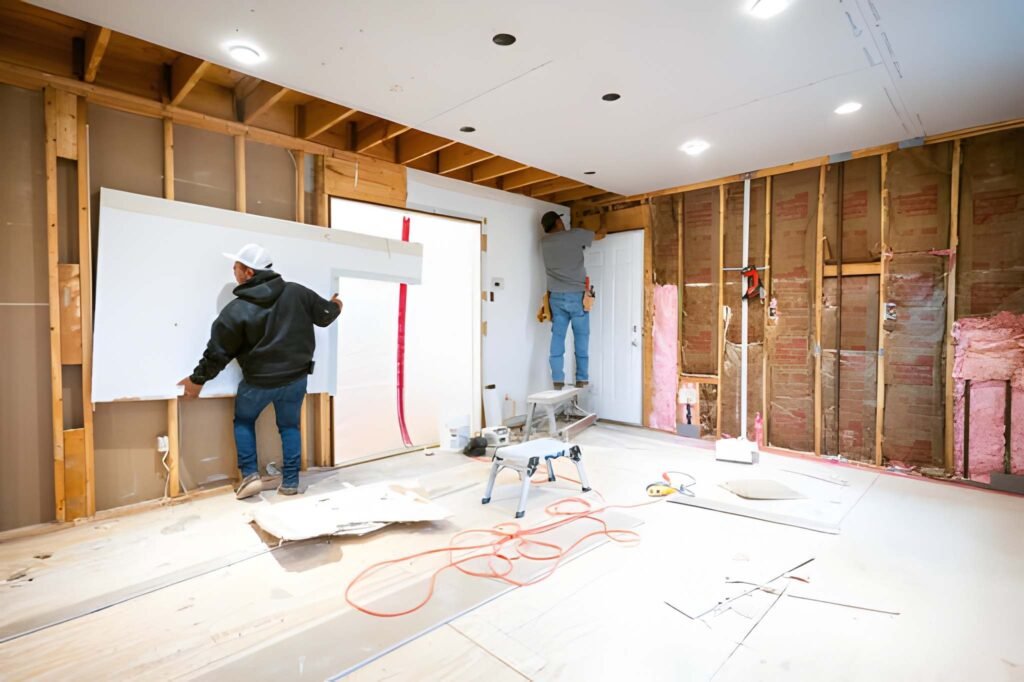
The Phasing and Logistics Puzzle: There is no driveway for a dumpster. Every piece of debris must be bagged and removed via the service elevator, often during specific, limited time windows. Delivery of materials like full-slab stone countertops or oversized appliances becomes a complex logistical operation. Construction is confined to strict weekday hours, prohibiting disruptive work on evenings and weekends. This “slow-drip” schedule extends the project timeline and demands a contractor with specific high-rise experience and impeccable site management skills.
The Pillars of a Luxury Renovation: Where the Investment Flows
The luxury designation is earned not through a single extravagant gesture, but through the holistic integration of several key pillars. The budget allocation reflects this multifaceted approach.
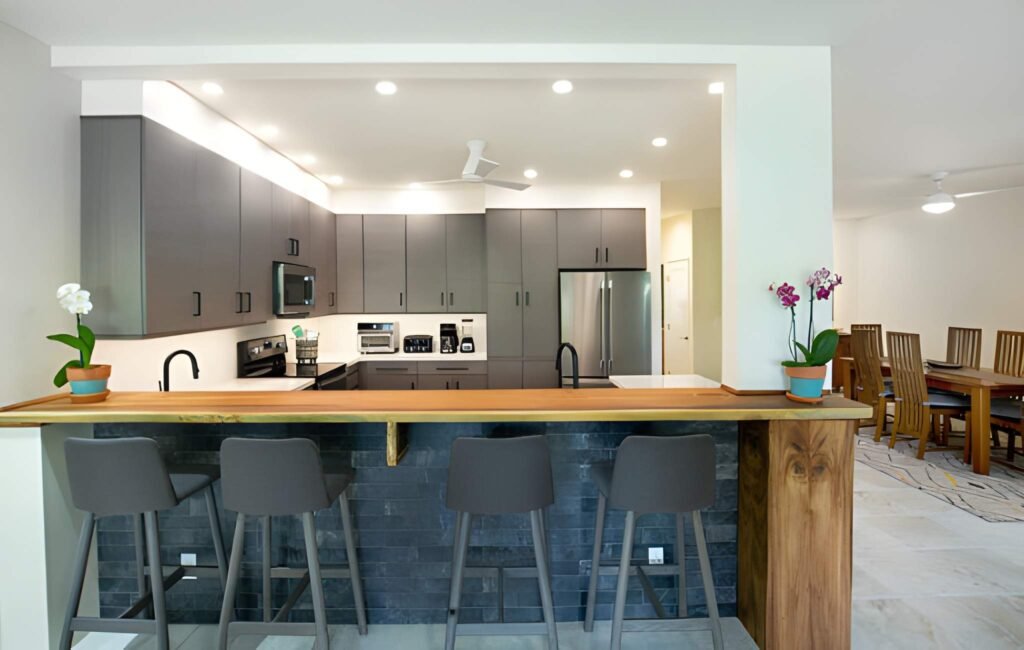
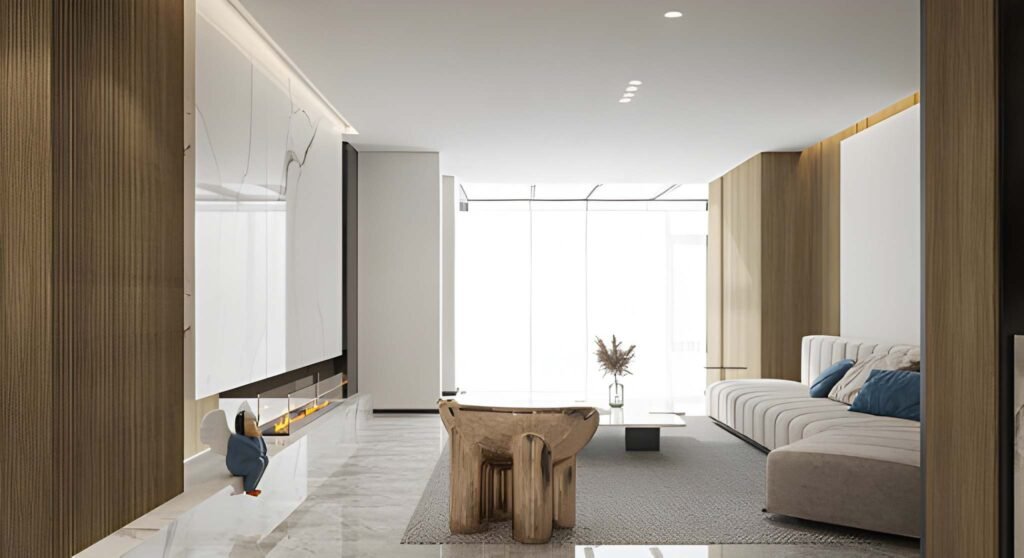
Architectural Reconfiguration and Spatial Flow: The first and most impactful luxury is space itself. The investment often begins with rethinking the entire floor plan. This may involve removing non-structural walls to create an open-plan great room that capitalizes on panoramic views, or it could mean strategically borrowing space from a secondary bedroom to create a sprawling, hotel-style primary suite. The focus is on creating a logical, fluid progression from public to private zones, eliminating wasted circulation space, and ensuring that the layout feels both expansive and intuitively comfortable. Custom built-ins—floor-to-ceiling millwork that integrates a media center, a bar, or a library—are used to define spaces without the visual weight of walls, adding both function and architectural gravitas.
The Material Palette: Authenticity and Sensorial Experience: Luxury is communicated through materials that are authentic, textured, and engaging to the senses. This is the realm of full-slab, book-matched stone slabs on countertops and shower walls, where the natural veining is treated as a work of art. It includes wide-plank, European oak flooring with a hand-scraped or wire-brushed finish, installed in a unique pattern like chevron or herringbone. Solid wood veneer cabinetry, often custom-designed with integrated, touch-latch hardware, replaces standard stock options. Metals are substantive and intentional—brushed brass or nickel faucets, matte black architectural door hardware, and perhaps a statement light fixture in a polished, unlacquered finish that will develop a patina over time. The philosophy is one of integrity; materials are chosen for their inherent beauty and longevity, not their ability to imitate something else.
The Integrated Technology Layer: In a luxury condo, technology is not visible; it is ambient. It is the silent, automated system that raises the shades at sunrise, adjusts the climate to a pre-set comfort level, and provides multi-zone audio that follows you from room to room. A robust, hardwired network forms the backbone, supporting 4K projectors, motorized screens, and invisible speakers. Lighting control is paramount, with a system that allows for the creation of “scenes”—a single button that sets the perfect level of ambient, task, and accent lighting for entertaining or relaxing. This technology should feel effortless, managed through a simple, intuitive interface or voice command, enhancing the experience without ever becoming a distraction.
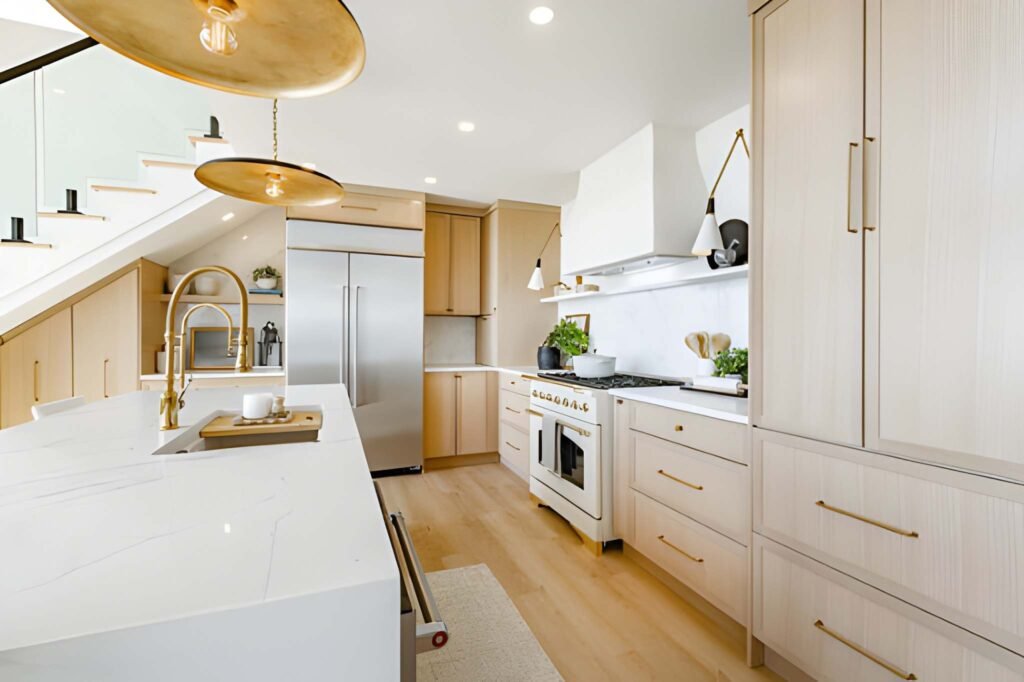
The Kitchen as a Culinary Instrument: The condo kitchen evolves from a utility space into the functional and social epicenter of the home. The investment here is in professional-grade, integrated appliances—a 48-inch gas range with a dedicated ventilation system, a column refrigerator and freezer set flush with the cabinetry, and a fully insulated dishwasher for silent operation. The layout is meticulously planned for a multi-person workflow, with distinct zones for prep, cooking, and plating. A large island with a waterfall stone edge becomes both a social anchor and a serious work surface. Thoughtful details abound: dedicated storage for specific items (spice drawers, knife blocks, appliance garages), a pot filler at the range, and under-cabinet task lighting that eliminates shadows.
The Primary Bathroom as a Personal Spa: The bathroom is re-conceived as a private wellness retreat. The experience begins with heated floors and towel warmers. The shower is a multi-sensory environment, a wet room with a rain head, a wall-mounted hand shower, and perhaps even a steam generator. The focal point is often a sculptural, freestanding tub positioned to capture a view. Vanities are double-sided and floating, with integrated lighting and smart mirrors that eliminate fog. Every surface is chosen for its tactile and visual appeal, from the honed marble on the walls to the pebbled stone in the shower floor. Acoustics are considered to ensure a serene, quiet atmosphere.
The Execution: A Symphony of Specialized Trades
The realization of this vision demands a team of artisans and a project manager who acts as a conductor.
The Design Team: An interior architect or designer is essential. They translate lifestyle into a buildable plan, manage the complex sourcing of custom materials, and create a cohesive narrative that ties every element together.
The General Contractor: The chosen GC must have a portfolio of completed high-end condo projects. Their network of subcontractors is critical: the tile setter capable of intricate mosaic patterns, the carpenter who builds custom millwork on-site, the electrician who programs the control system, and the stone fabricator who handles the fragile, expensive slabs with precision.
The Budget and Timeline Realities: A true luxury condo renovation is a patient person’s game. Timelines of six to twelve months are common for a full-unit overhaul. The budget is substantial, often ranging from $150,000 for a comprehensive one-bedroom update to well over $500,000 for a large, top-floor unit with high-end finishes and complex structural changes. A contingency of 20% is a prudent necessity, as opening up walls in an older building can reveal a host of unforeseen issues with existing plumbing, electrical, or concrete.
A successful luxury condo renovation is the ultimate expression of personalized living. It is a deeply collaborative process that results in a home that is not just beautiful, but profoundly responsive to its owner’s way of life. It is a testament to the belief that one’s personal environment should be a source of daily inspiration, comfort, and impeccable performance—a custom-tailored haven suspended above the city.