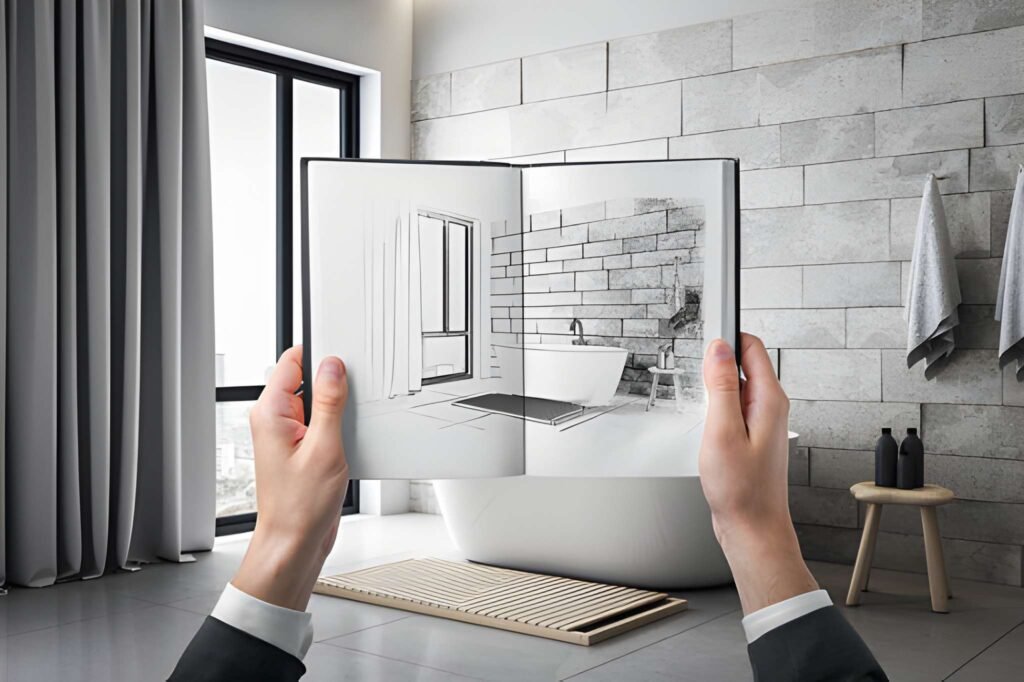
A complete bathroom renovation is one of the most complex, disruptive, and rewarding projects a homeowner can undertake. It is a surgical procedure on a room that must balance hard-wearing utility with personal sanctuary. Unlike a cosmetic update, a full renovation strips the space down to its studs and subfloor, offering a blank canvas to address everything from outdated plumbing and poor lighting to inefficient layouts and failing waterproofing. This process demands a meticulous convergence of design, engineering, and project management. A successful renovation does not just replace old materials with new; it reimagines the entire experience of the space, creating a room that functions flawlessly for daily routines while also serving as a retreat that restores the spirit and solidifies the home’s market value.
The Philosophical Foundation: Defining “Complete” and Setting Intent
Before the first tile is selected, you must define what “complete” means for your project and your life. The scope and character of the renovation will be dictated by your primary objective. Is this a primary bathroom suite designed for long-term personal enjoyment, a hall bathroom updated for family functionality and durability, or a guest bath aimed at maximizing resale value with universal appeal? Each intent demands a different allocation of budget and a different design philosophy.
The primary bathroom for a homeowner is a place for customization and luxury. This is where you might invest in a freestanding tub, a large, multi-head shower, or heated floors. The hall bathroom requires a focus on resilience, storage, and layouts that accommodate multiple users. Neutral, durable materials and easy-to-clean surfaces are paramount. The resale-focused bathroom should prioritize timeless aesthetics, quality staples, and features with broad market appeal, avoiding overly personal or trendy choices that might alienate future buyers.
A crucial, and often sobering, part of this foundational phase is establishing a realistic budget. A complete bathroom renovation is a significant financial undertaking, with costs varying dramatically by region, scope, and material selection. The following table outlines typical budget tiers for a mid-range, complete renovation of a standard 5’x8′ bathroom, assuming professional labor.
| Budget Tier | Typical Scope & Material Quality | Key Characteristics |
|---|---|---|
| $10,000 – $20,000 | Budget-friendly materials (stock cabinets, laminate surfaces, standard acrylic tub/shower). Focus on layout preservation. | Cost-conscious; replaces old with new without major structural changes. Relies on prefabricated components. |
| $25,000 – $40,000 | Mid-range materials (semi-custom vanities, quartz countertops, porcelain tile, framed shower base). Potential for minor layout changes. | The “sweet spot”; allows for customization, quality materials, and professional design input. |
| $50,000+ | High-end and custom materials (custom cabinetry, natural stone, intricate tile work, freestanding tubs, smart fixtures). Often involves layout reconfiguration. | A luxury project focused on creating a personalized spa-like experience with top-tier craftsmanship and finishes. |
A non-negotiable rule is to allocate 10-20% of your total budget for a contingency fund. Behind the walls of an older home, you are almost guaranteed to find unexpected issues—rotted subfloor, outdated wiring that is not to code, or plumbing that needs complete replacement. This fund is your financial shock absorber.
The Sequential Unraveling: The Phases of Demolition and Reconstruction
A full renovation follows a strict, linear sequence. Skipping or rearranging these steps leads to costly mistakes and rework.
Phase 1: Demolition and Discovery
This is the point of no return. Everything that is not structural—vanity, toilet, tub, tile, drywall—is removed. This stage is cathartic but also revealing. It is here that the true condition of the space is laid bare. A professional contractor will inspect the exposed studs, subfloor, and plumbing for rot, mold, or damage. This is when your contingency fund becomes most valuable, as issues like black mold or galvanized steel pipes that need re-piping are common discoveries.
Phase 2: The Rough-In: The Unseen Engine
With the space empty, the critical “rough-in” work begins. This is the installation of all the components that will be hidden behind walls and under floors.
- Plumbing Rough-In: Plumbers relocate supply lines and drainpipes to accommodate the new layout. This might involve moving the toilet flange, raising shower valve bodies to a comfortable height, or adding a supply line for a bidet.
- Electrical Rough-In: Electricians run new wiring for vanity lights, overhead lighting, exhaust fans, and any new outlets (required by code to be GFCI-protected). This is the time to add dedicated circuits for heated floors or a high-wattage heat lamp, and to pre-wire for potential smart mirrors or speakers.
- Framing and Mechanical: Any new walls are framed. The ductwork for the exhaust fan is installed, vented to the exterior—never into an attic. The shower pan or bathtub is set and leveled.
Phase 3: The Enclosure: Closing the Walls
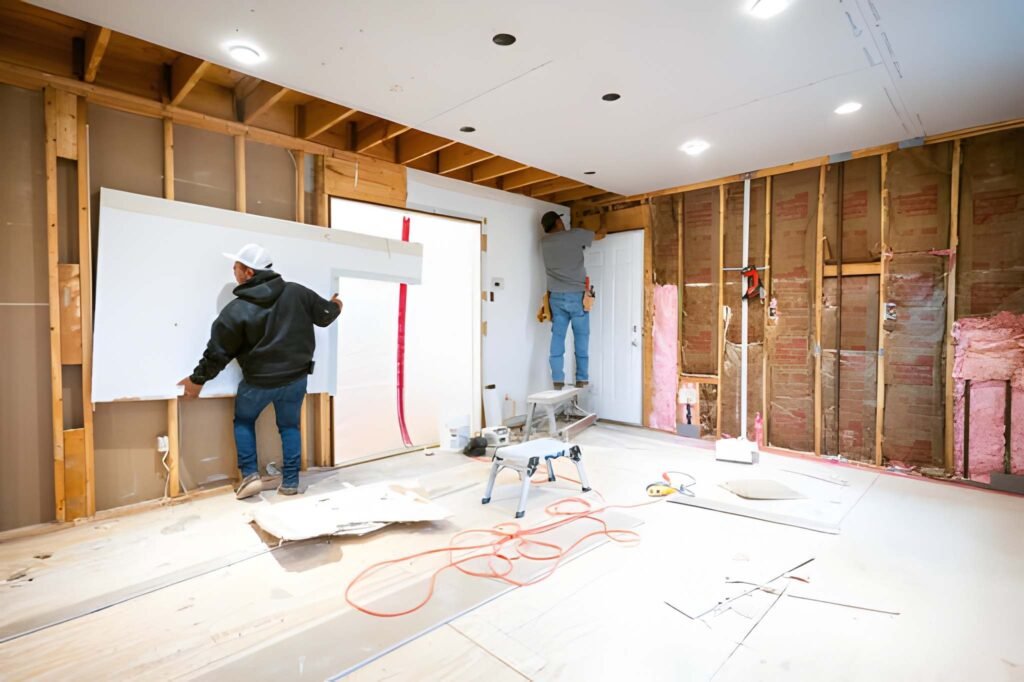
Once all rough-in inspections are passed, the walls are closed. For wet areas like the shower and tub surround, cement board or a proprietary foam panel system is used instead of drywall. These materials are impervious to moisture and provide a stable base for tile. The rest of the bathroom gets moisture-resistant drywall. The installation of the shower pan liner (for a tiled shower) is a critical step that requires a flood test to ensure it is watertight.
Phase 4: The Finish Work: Where Vision Meets Reality
This is the longest and most visible phase, where the bathroom takes its final form.
- Tile and Flooring: Wall tile is installed in the shower and on any wainscoting. Then, the floor tile or other waterproof flooring is laid. The choice of layout (e.g., subway, herringbone, large-format) and grout color has a dramatic impact on the final aesthetic.
- Painting: All non-tiled walls are painted. A satin or semi-gloss sheen is recommended for its moisture resistance and ease of cleaning.
- Fixture Installation: The “day of the plumber” sees the installation of the toilet, vanity, faucets, shower trim, and tub. The shower glass company installs the enclosure.
- Final Touches: Electricians return to install light fixtures, the mirror, and switch plates. Hardware like towel bars, toilet paper holders, and cabinetry pulls are installed.
The Core Design and Material Considerations
The selection of materials will define the room’s durability, maintenance profile, and style.
The Wet Zone: Shower and Tub. The shower is the centerpiece of most renovations. The choice between a prefabricated shower base and a custom-tiled shower is fundamental. Prefabricated bases are less expensive and guaranteed to be waterproof, but limit design options. A custom-tiled shower allows for any size or shape, a linear drain, and niche shelving, but its waterproofing is only as good as its installation. For tubs, the decision between a built-in alcove tub for efficient space use and a freestanding tub as a sculptural focal point will guide the entire layout.
The Vanity: Storage and Statement. The vanity is the bathroom’s anchor, providing both storage and a strong style statement. The choice between stock, semi-custom, and custom cabinetry offers a range of price points and flexibility. The height is a key consideration; 36-inch tall vanities are now standard for comfort, replacing the outdated 32-inch height. The countertop material must balance beauty and resilience. Quartz offers durability and a wide range of designs, while natural stone like marble provides timeless elegance but requires more maintenance.
Lighting and Ventilation: The Atmosphere Engineers. A single overhead light is the hallmark of a poorly planned bathroom. A layered lighting plan is essential. This includes task lighting at the mirror (sconces on either side or a lighted mirror), ambient overhead lighting (often on a dimmer), and accent lighting, perhaps in a shower niche. The exhaust fan is not a luxury; it is a necessity for moisture control and preventing mold growth. It must be sized correctly for the room’s volume and vented directly outside.
The Materiality of Surfaces. Tile selection requires thinking about both aesthetics and safety. Large-format tiles have fewer grout lines, creating a cleaner look and simplifying cleaning. For shower floors, smaller mosaics provide better slip resistance. The choice between porcelain and ceramic is often one of durability and water absorption rates, with porcelain being denser and more suitable for wet environments. Heated flooring, while an added expense, transforms the experience of a bathroom, especially in colder climates, providing comfort and helping to dry the floor surface quickly.
A complete bathroom renovation is a profound investment in the fabric of your home. It is a complex puzzle where plumbing meets poetry, and electricity meets ambiance. The process demands patience, a significant budget, and trust in skilled professionals. Yet, the reward is a space that is not merely new, but thoughtfully crafted—a room that supports the mundane with flawless function and elevates the daily ritual into a moment of quiet sanctuary. It is a renovation that pays dividends every single day, in both personal satisfaction and tangible equity.