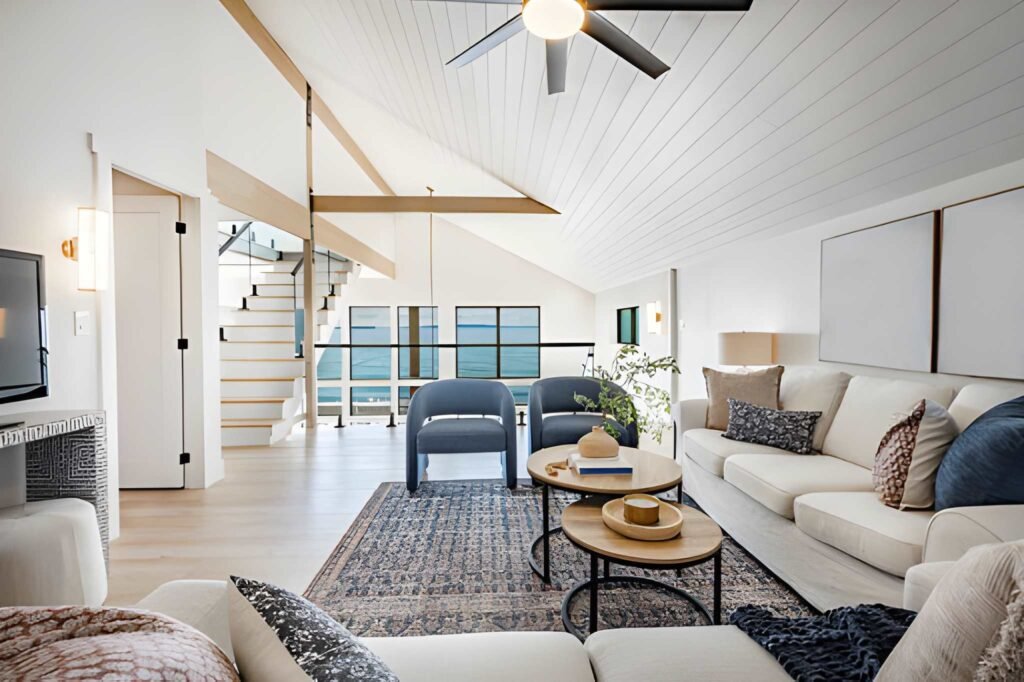
The single-level cottage, often a hallmark of cozy neighborhoods and vacation communities, presents a unique renovation opportunity. Its inherent charm and manageable scale are balanced by the challenge of optimizing every square foot without sacrificing the character that defines it. A renovation of a home under 1,500 square feet is an exercise in precision and intentionality. It is not about adding more, but about making what exists work better. The goal is to modernize the home’s systems and flow while preserving its soul, creating a space that feels both expansive and intimate, efficient and inviting. This requires a strategy that prioritizes opening sightlines, enhancing natural light, and implementing clever, multi-functional storage—all while respecting the original architecture.
The Foundational Philosophy: Flow, Light, and Storage
The renovation of a compact, single-level home must be guided by a core set of principles aimed at combating feelings of confinement and clutter.
The Quest for Visual Flow: In a small footprint, the experience of moving from one room to another is amplified. The goal is to create a sense of continuity and ease. This often means challenging the traditional, compartmentalized “box” layout of older cottages. The strategic removal of non-load-bearing walls to create an open-concept living, dining, and kitchen area can utterly transform the feel of the home, making it seem far larger than its square footage would suggest. The key is to define these zones without solid walls, using changes in ceiling height, flooring texture, or furniture placement instead.
The Cultivation of Light: Cottages can be dark, with small windows and deep eaves. The renovation must become a campaign for light. This involves enlarging existing windows, adding new ones in strategic locations (such as transom windows over doors or a clerestory in a central hallway), and employing design choices that maximize reflection. A monochromatic or light-colored palette for walls, ceilings, and floors acts as a canvas for light to bounce around. Mirrors placed opposite windows can double the perceived light and view.
The Architecture of Storage: Clutter is the enemy of a small space. Storage cannot be an afterthought; it must be architected into the very fabric of the renovation. This means thinking beyond freestanding furniture to built-in solutions that utilize every inch of available space. Window seats with hinged lids, floor-to-ceiling pantries, and custom cabinetry that fits into awkward nooks and crannies become essential. The goal is to have a designated, concealed home for every item, freeing up the living areas to feel clean and spacious.
Strategic Renovation Priorities for the Cottage
With these principles in mind, the renovation should focus on high-impact areas that fundamentally improve the home’s function and feel.
1. The Heart: The Kitchen and Its Connection
In a small cottage, the kitchen is rarely just a kitchen; it is the hub. The renovation should focus on creating an efficient, beautiful workspace that feels connected to the main living area.
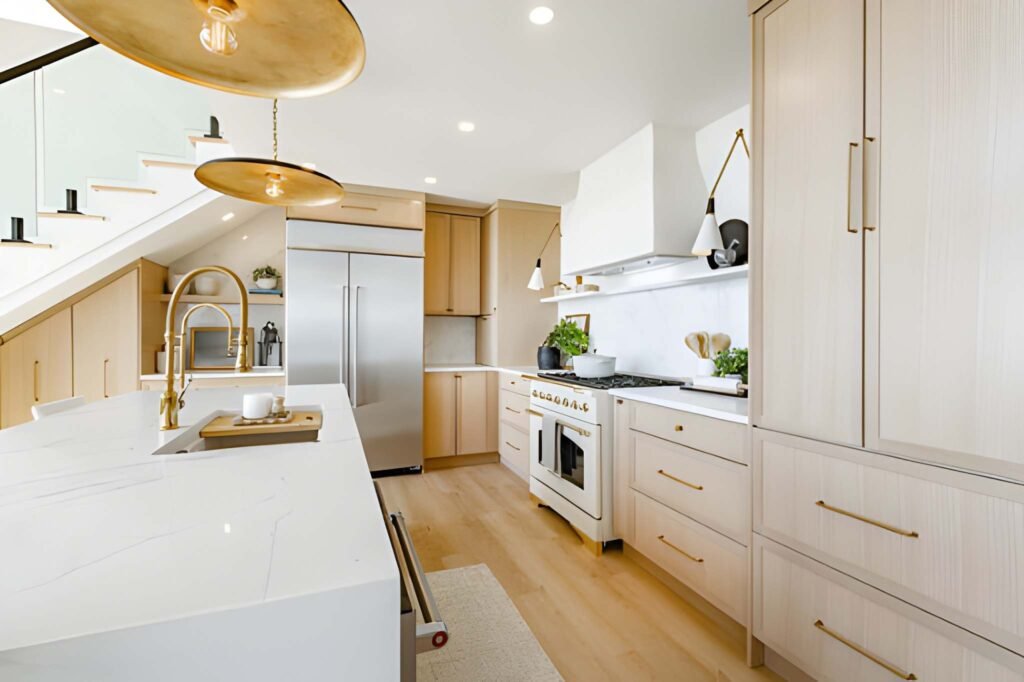
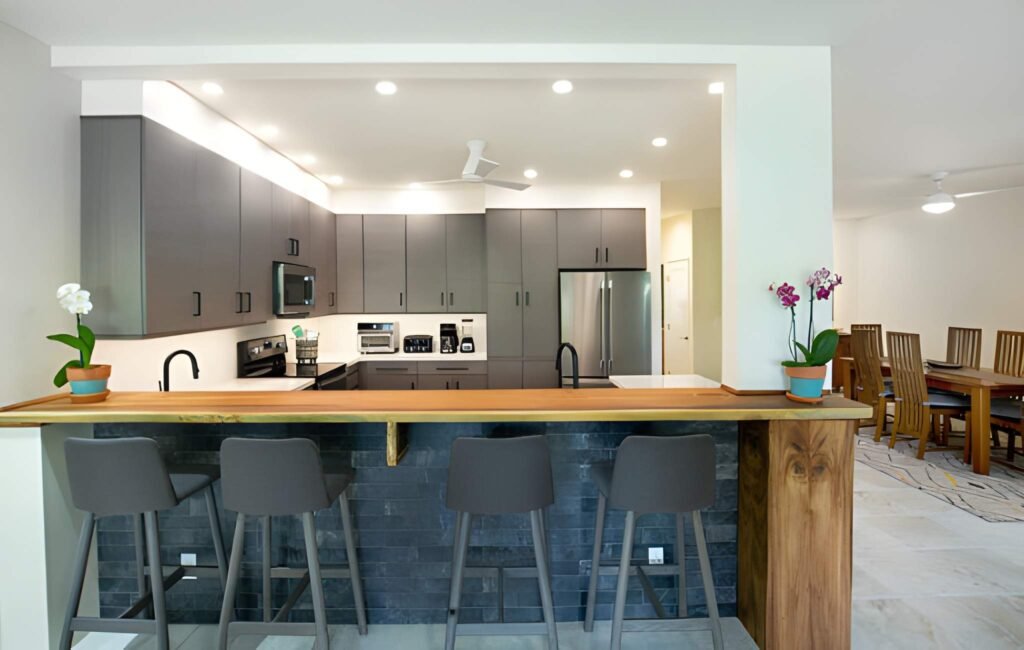
- Layout: An L-shaped or galley layout often works best, preserving an open feel. Incorporating a peninsula instead of a full-height island can provide both seating and a visual divider without blocking sightlines.
- Materials: Opt for light-colored, simple shaker-style cabinets. A light quartz countertop and a reflective subway tile backsplash enhance brightness. Consider open shelving on one wall to maintain a sense of airiness, but balance it with ample closed storage.
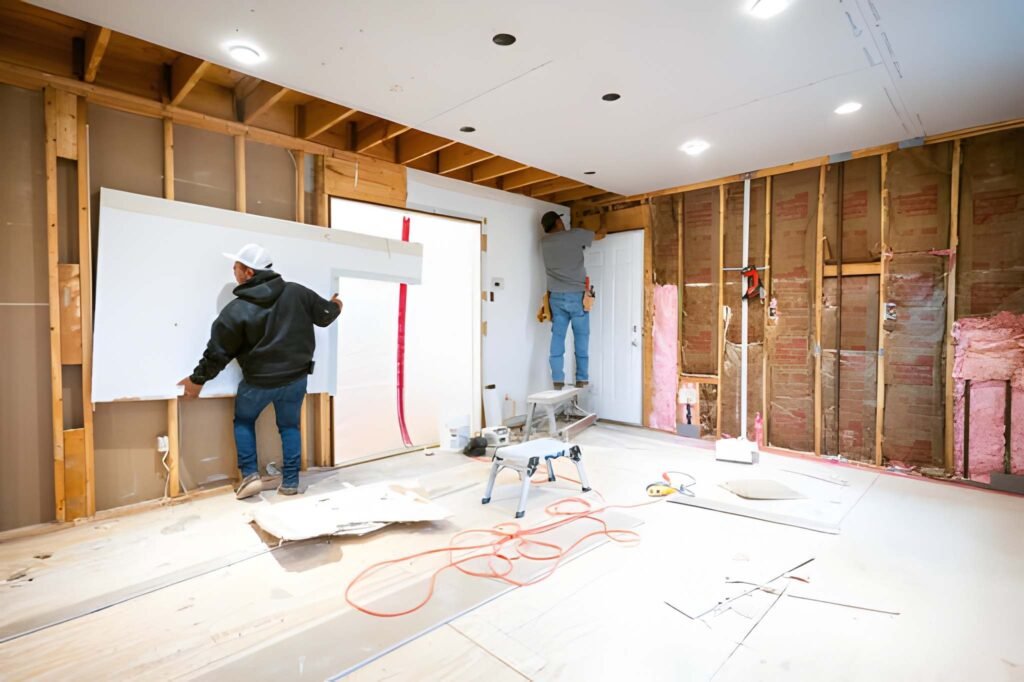
- Sightlines: If the budget and structure allow, removing the wall between the kitchen and living room is the single most impactful change. This immediately makes both spaces feel larger and more social.
2. The Core: The Central Hallway and Circulation
The hallway is the artery of the single-level home. A dark, narrow hallway can make the entire cottage feel cramped.
- Widening and Brightening: If possible, even a few extra inches of width can make a dramatic difference. Install recessed lighting or a strategic skylight to flood the space with light. A large mirror at the end of the hall can create the illusion of depth.
- Functional Walls: Convert hallway walls into storage opportunities. This can mean shallow built-in bookshelves, a built-in bench with shoe storage underneath, or a floor-to-ceiling cabinet for linens and cleaning supplies.
3. The Sanctuary: The Primary Bedroom and Bathroom
Even in a small cottage, the primary suite should feel like a retreat. The focus here is on efficiency and calm.
- Bedroom Strategy: Prioritize a layout that allows for a clear path around the bed and built-in closet systems that maximize storage. A simple, serene color palette and blackout window treatments enhance the restful quality.
- Bathroom Efficiency: Replacing a bulky tub-shower combo with a spacious, curbless walk-in shower can make the bathroom feel larger. A floating vanity provides visual floor space. Large-format tiles on the floor and walls with minimal grout lines reduce visual clutter.
4. The Systems: The Unseen Modernization
The charm of a cottage often masks aging and inefficient systems. A significant portion of the budget should be reserved for these critical, unseen upgrades.
- HVAC: Replacing an old, noisy furnace with a modern, high-efficiency heat pump or ductless mini-split system provides better comfort and climate control.
- Electrical and Plumbing: Updating the electrical panel and wiring ensures safety and supports modern appliances. Re-piping old galvanized steel pipes prevents future leaks and improves water pressure.
- Insulation and Windows: Adding insulation to the attic and walls and replacing single-pane windows with energy-efficient double-pane units are investments that pay back in both comfort and reduced utility bills.
A Sample Budget Allocation for a $75,000 Renovation
For a 1,200 sq. ft. cottage, a budget of $75,000 allows for a comprehensive but careful renovation. A strategic allocation might look like this:
| Category | Allocated Budget | Scope of Work |
|---|---|---|
| Labor & Project Management | $25,000 | General contractor, skilled tradespeople for demolition, framing, etc. |
| Kitchen Renovation | $18,000 | Semi-custom cabinets, quartz counters, mid-range appliances, flooring, lighting. |
| Primary Bathroom Renovation | $12,000 | Walk-in shower, floating vanity, toilet, tile, fixtures. |
| Systems & Infrastructure | $10,000 | Electrical panel update, some re-piping, insulation upgrades. |
| Flooring & Paint (Whole Home) | $6,000 | Consistent LVP flooring throughout, professional interior painting. |
| Windows & Doors | $4,000 | Replacing 3-4 key windows for efficiency; new interior doors. |
Preserving Character While Gaining Modern Comfort
The most successful cottage renovations strike a delicate balance. They do not strip the home of its history. This means perhaps refinishing original hardwood floors instead of replacing them, or designing new built-in bookshelves to match existing trim profiles. It involves choosing fixtures and finishes that feel timeless—classic schoolhouse lights, cross-handle faucets, or beadboard wainscoting—rather than fleeting trends. The modernization happens in the background, in the quiet hum of an efficient heat pump and the flawless function of a new plumbing system, allowing the cottage’s original charm to shine through, unburdened by the inconveniences of the past.
A single-level cottage renovation is a deeply rewarding endeavor. It is a process of careful editing and intelligent enhancement. By focusing on flow, light, and storage, and by investing in both the visible character and the invisible systems, you can transform a modest footprint into a home that feels profoundly spacious, effortlessly functional, and rich with charm. It proves that the value of a home is not found in its square footage, but in the intelligence of its design.