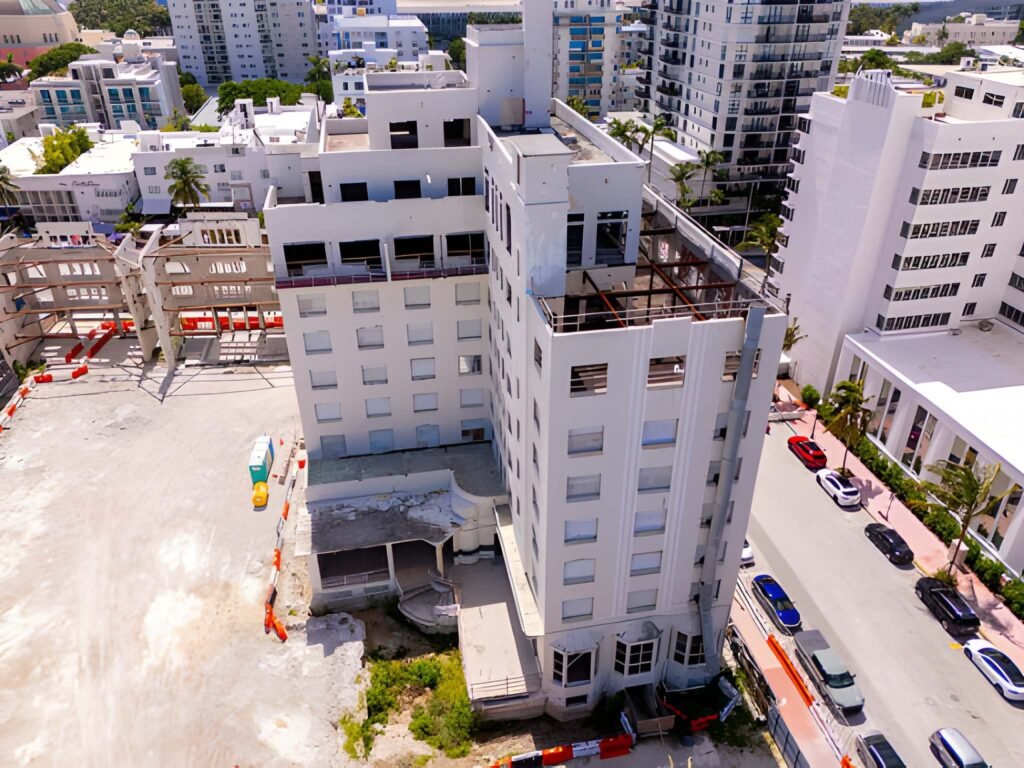
The renovation of a landmark hospitality property like 1 Hotel South Beach is not a mere facelift; it is a complex, strategic enterprise that operates on a scale and with a purpose far beyond residential remodeling. This project represents the recalibration of a premium brand asset in one of the world’s most competitive luxury markets. The undertaking is a meticulous balance of preserving the property’s established identity while integrating next-generation design, technology, and sustainability standards to meet the evolving expectations of the high-end traveler. It is a statement of continued relevance, an assertion that the hotel remains at the apex of the hospitality experience, not through stasis, but through deliberate and thoughtful evolution.
The Scale and Scope of a Flagship Renovation
A renovation of this magnitude is a phased, multi-million-dollar operation that must be executed with minimal disruption to guests and revenue streams. Unlike a residential project, there is no option for a full, simultaneous shutdown. The work is a carefully choreographed ballet of construction, logistics, and hospitality.
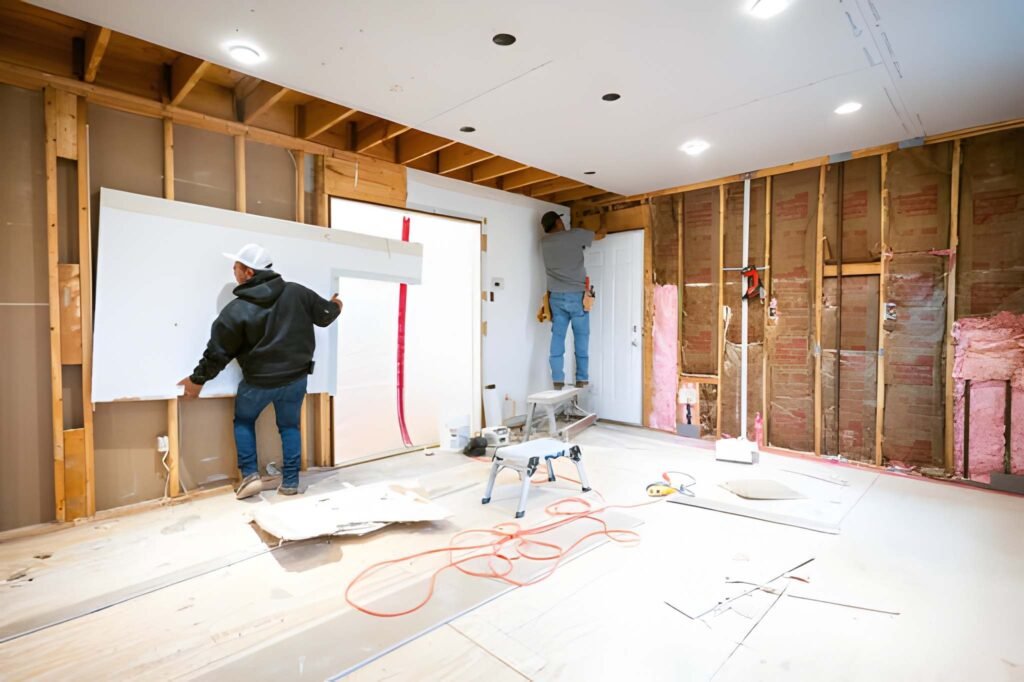
Phased Execution and Occupied Renovations: The project is divided into distinct phases, often by floor or wing. This allows the hotel to remain partially operational, relocating guests to completed or unaffected sections. This approach requires impeccable planning to isolate construction zones completely, managing noise, dust, and vibration to ensure an undisturbed experience for paying guests. The logistics involve dedicated service elevators, sealed corridors, and construction activities confined to specific, often overnight, hours.
Public Space Reimagination: The renovation extends far beyond the guest rooms. It encompasses the entire guest journey:
- Lobby and Reception: Creating a more fluid check-in experience, refreshing seating areas to encourage socialization, and updating art installations to reinforce the brand’s nature-inspired ethos.
- Food and Beverage Outlets: This is a critical revenue center. Renovations might include re-conceptualizing a restaurant’s theme, redesigning the bar layout for better flow, upgrading kitchen equipment for efficiency, and reconfiguring outdoor terraces to maximize coveted alfresco dining capacity.
- Pool and Beachfront: Refurbishing cabanas, replacing pool tiles and decking, upgrading sound systems, and enhancing the landscaping to create a more secluded, resort-like environment amidst the South Beach energy.
Back-of-House Modernization: A significant portion of the budget is allocated to areas guests never see but that are vital to operations. This includes upgrading the HVAC system for better energy efficiency and guest comfort, modernizing the laundry facility, overhauling the electrical and IT infrastructure to support increased digital demands, and improving employee areas to boost staff morale and efficiency.
The Driving Forces Behind the Renovation
Several key market and strategic factors compel a property like 1 Hotel South Beach to undertake a major renovation.
Competitive Pressure and Market Positioning: South Beach is a perpetual arms race of luxury. New hotels open with the latest amenities, and established competitors regularly refresh their offerings. To maintain its premium room rates and attract a discerning clientele, 1 Hotel must ensure its physical product remains superior. The renovation is a defensive and offensive strategy to protect market share.
The Evolution of Guest Expectations: The modern luxury traveler prioritizes experiences, wellness, and technological integration. A renovation allows the hotel to incorporate:
- Enhanced Technology: Seamless WiFi, smarter in-room controls (lighting, temperature, curtains) via mobile apps, and upgraded entertainment systems with streaming capabilities.
- Wellness Amenities: Upgrading the Bamford Wellness Spa, expanding the fitness center with cutting-edge equipment, and potentially introducing new wellness-focused guest room features like advanced air and water filtration systems.
- Sustainability Upgrades: Deepening its commitment to its core brand identity by integrating more advanced energy-saving systems, water conservation fixtures, and sourcing even more materials locally and sustainably.
Brand Reinforcement and Storytelling: 1 Hotel’s brand is built on a foundation of environmental consciousness and a connection to nature. The renovation is an opportunity to tell that story more powerfully. This could involve using new, innovative reclaimed materials, installing living walls or enhanced native landscaping, and creating more visible displays of its sustainability initiatives, such as real-time energy and water usage dashboards in the lobby.
The Unique Challenges of a High-Profile Hotel Renovation
The complexities faced are of an entirely different order than those in residential or even typical commercial projects.
Supply Chain and Custom Fabrication: The scale and custom nature of the furnishings require long-lead-time orders. The hundreds of guest rooms need custom-designed furniture, locally sourced driftwood mirrors, organic cotton linens, and other signature elements. Any delay in this global supply chain can ripple through the entire phased schedule.
Regulatory and Historic Compliance: Located in South Beach, the property likely falls within the Miami Beach Architectural Historic District. This means any changes to the exterior facade, signage, or even public spaces may require approval from the city’s historic preservation board, adding a layer of regulatory complexity and potential constraint on design choices.
Brand Consistency and Sourcing: Every material selected must align with the hotel’s rigorous sustainability standards. This involves vetting suppliers for chain-of-custody certifications for wood, ensuring fabrics are organic or recycled, and finding local artisans to create custom pieces. The procurement process is as much about brand integrity as it is about aesthetics and cost.
Budgeting on an Institutional Scale: The budget is not in the thousands, but in the tens of millions. It is managed with a level of financial rigor seen in large-scale development. Costs are broken down by asset type—FF&E (Furniture, Fixtures, & Equipment), OS&E (Operating Supplies & Equipment), and building hard costs—each with its own procurement and installation timeline. The contingency fund must be substantial, often 15-20%, to cover unforeseen structural issues or cost escalations in materials.
The renovation of 1 Hotel South Beach is a masterclass in operational excellence and brand stewardship. It is a testament to the fact that in the luxury hospitality market, standing still is the greatest risk. The project is not about change for change’s sake; it is a calculated, comprehensive effort to elevate every touchpoint of the guest experience, reinforce a powerful brand narrative, and future-proof a valuable asset. The result, when successfully executed, is a property that feels both timeless and of-the-moment, solidifying its status as a sanctuary of sustainable luxury in the heart of one of the world’s most dynamic destinations.