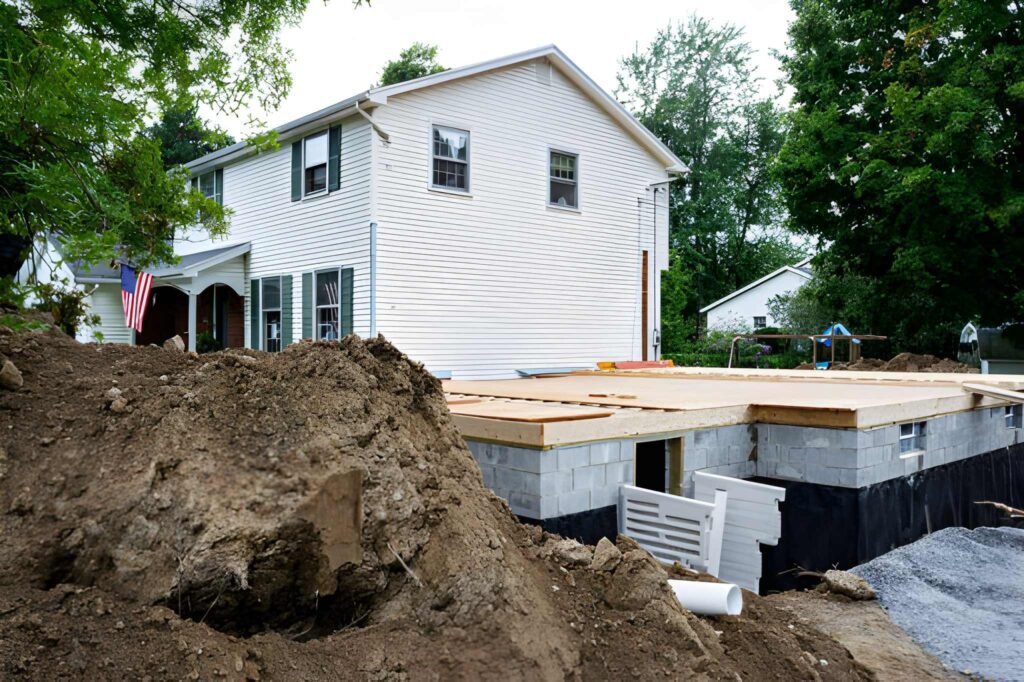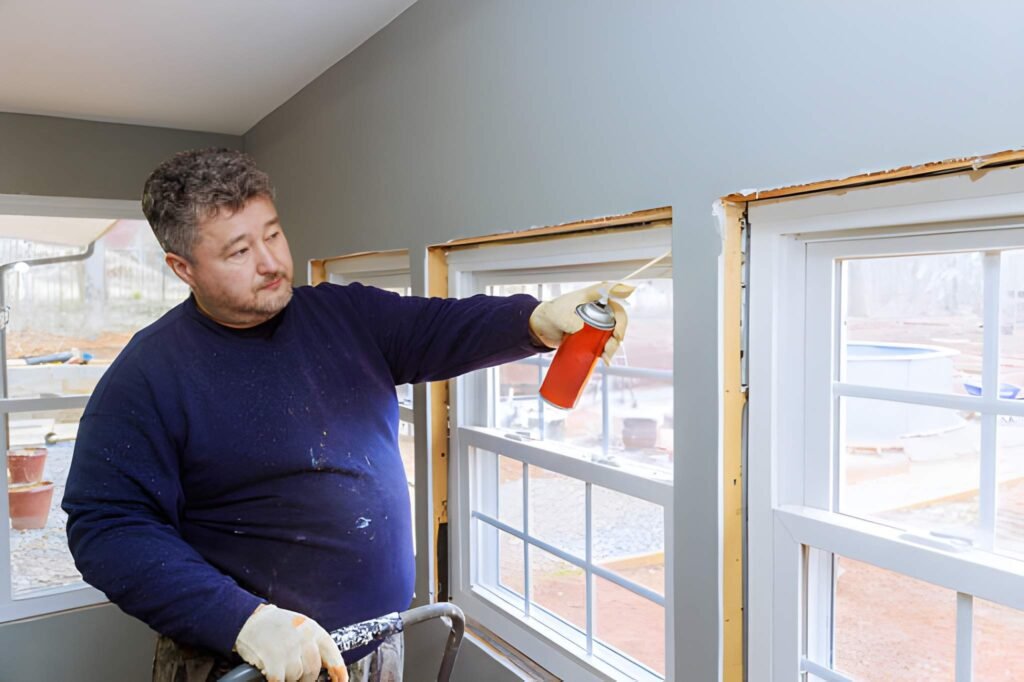

A professional house repair company serves as a crucial partner in maintaining, protecting, and enhancing residential properties. These organizations have evolved from traditional general contractors into sophisticated service providers offering comprehensive solutions for home maintenance, emergency repairs, and improvement projects. Understanding their structure, service offerings, and business models is essential for homeowners seeking reliable professional assistance.
Service Spectrum of Modern House Repair Companies
Emergency Repair Services:
- 24/7 rapid response teams for urgent situations
- Water damage mitigation and restoration
- Storm damage temporary repairs
- Structural emergency stabilization
- Electrical and plumbing emergencies
- Board-up services and temporary security
Routine Maintenance Programs:
- Seasonal maintenance packages
- Preventive care scheduling
- System inspections and tune-ups
- Filter replacement services
- Gutter cleaning and drainage maintenance
- Exterior and interior condition assessments
Specialized Repair Divisions:
- Structural: Foundation, framing, and load-bearing repairs
- Systems: HVAC, electrical, plumbing, and mechanical
- Envelope: Roofing, siding, window, and door repairs
- Interior: Drywall, flooring, painting, and finish work
- Exterior: Deck, fence, driveway, and landscape repairs
Business Models and Service Structures
Full-Service Maintenance Companies:
- Offer comprehensive repair and maintenance services
- Employ in-house tradespeople across multiple disciplines
- Provide single-point accountability for complex projects
- Typically operate on annual service contracts
- Ideal For: Homeowners seeking ongoing relationship and preventive care
Specialized Trade Contractors:
- Focus on specific systems (electrical, plumbing, etc.)
- Deep expertise in their particular field
- Often subcontract for larger projects
- Ideal For: Specific system failures or upgrades
Handyman Services:
- Handle smaller, multi-trade projects
- Cost-effective for minor repairs and maintenance
- Limited in scope and project size
- Ideal For: Small repairs and “honey-do” lists
Design-Build Firms:
- Combine design services with construction execution
- Offer seamless project experience from concept to completion
- Higher cost structure but integrated solution
- Ideal For: Major renovations and complex projects
The Modern Company Infrastructure
Technology Integration:
- Digital dispatch and scheduling systems
- Mobile apps for customer communication
- Photo documentation and digital estimates
- Online payment and project management portals
- GPS tracking for service vehicles
Quality Assurance Systems:
- Standardized repair methodologies
- Regular technician training and certification
- Quality control inspections
- Customer satisfaction monitoring
- Continuous improvement processes
Supply Chain Management:
- Relationships with suppliers and distributors
- Bulk purchasing power for cost savings
- Warranty management on parts and materials
- Inventory management for common repair items
Selection Criteria for Homeowners
Verification Checklist:
- Licensing: Appropriate state and local business licenses
- Insurance: General liability and workers’ compensation coverage
- Certifications: Trade-specific credentials and manufacturer certifications
- References: Recent client testimonials and project examples
- Warranties: Clear warranty terms for workmanship and materials
Red Flags to Identify:
- Requests for large upfront payments
- Lack of proper insurance documentation
- No physical business address
- Pressure to make immediate decisions
- Quotes significantly below market rates
- Unwillingness to provide written contracts
Pricing Structures and Payment Terms
Common Pricing Models:
- Time and Materials: Hourly rates plus material costs
- Fixed Price: Set price for defined scope of work
- Cost-Plus: Actual costs plus predetermined markup
- Subscription: Monthly fee for ongoing maintenance services
Typical Payment Schedules:
- Small projects: 50% deposit, 50% upon completion
- Medium projects: 30% deposit, 40% progress payment, 30% completion
- Large projects: Draw payments tied to specific milestones
- Emergency services: Payment upon completion or within net terms
Industry Standards and Best Practices
Communication Protocols:
- Designated project coordinator for each job
- Regular progress updates (daily or weekly)
- Photo documentation of work in progress
- Clear change order procedures
- Post-completion walkthrough and orientation
Project Management Methodology:
- Detailed scope development before pricing
- Realistic timeline development with buffer for unknowns
- Material selection and approval process
- Quality control checkpoints throughout project
- Final inspection and customer sign-off
Emergency Response Capabilities
Rapid Deployment Systems:
- 24/7 dispatch centers
- Strategically located service vehicles
- Pre-stocked emergency repair materials
- Direct insurance claim coordination
- Temporary repair to prevent further damage
Common Emergency Scenarios:
- Water intrusion and flooding
- Electrical failures and safety hazards
- Structural compromises
- Weather-related damage
- Plumbing system failures
Preventive Maintenance Programs
Service Tiers:
- Basic: Seasonal inspections and essential maintenance
- Comprehensive: Regular servicing of all home systems
- Premium: Full home management including monitoring and priority service
Typical Program Inclusions:
- HVAC system servicing
- Plumbing system checks
- Electrical safety inspections
- Roof and gutter maintenance
- Appliance performance checks
- Exterior condition assessment
Technology and Innovation
Emerging Trends:
- Drone inspections for roof and exterior assessment
- Thermal imaging for moisture and insulation detection
- 3D scanning for precise measurements
- Augmented reality for project visualization
- Predictive maintenance using IoT sensors
Customer-Facing Technology:
- Online scheduling and service requests
- Real-time technician tracking
- Digital photo updates during repairs
- Electronic documentation and records
- Mobile payment processing
Insurance and Liability Management
Risk Mitigation Strategies:
- Comprehensive employee training programs
- Regular safety protocol updates
- Proper equipment maintenance
- Adequate insurance coverage levels
- Clear contractual risk allocation
Insurance Requirements:
- General liability: $1-2 million minimum
- Workers’ compensation: Required for employees
- Commercial auto: For service vehicles
- Umbrella coverage: For larger projects
Customer Relationship Management
Service Excellence Standards:
- Response time guarantees
- Clean and professional appearance
- Respect for property and privacy
- Clear communication throughout process
- Follow-up after service completion
Retention Strategies:
- Loyalty programs for repeat customers
- Preferred customer scheduling
- Discounted rates for ongoing maintenance
- Regular educational content and tips
- Anniversary and seasonal check-ins
Industry Challenges and Solutions
Labor Shortages:
- Investment in training programs
- Competitive compensation packages
- Apprenticeship and mentorship programs
- Technology adoption to enhance productivity
Supply Chain Issues:
- Diversified supplier relationships
- Strategic inventory management
- Clear communication about material availability
- Alternative product recommendations
Regulatory Compliance:
- Dedicated compliance officer
- Regular audit and update procedures
- Training on code changes
- Documentation management systems
Choosing the Right Partner
Assessment Questions:
- What is your experience with homes of similar age and construction?
- Can you provide examples of similar completed projects?
- What is your process for handling unforeseen issues?
- How do you communicate during projects?
- What warranties do you offer on your work?
Compatibility Factors:
- Communication style and responsiveness
- Understanding of your priorities and concerns
- Willingness to work within your budget parameters
- Flexibility in scheduling and project approach
- Cultural fit and trust level
Conclusion
The modern house repair company has evolved into a sophisticated service organization combining technical expertise with business professionalism. The most successful homeowner-contractor relationships are built on clear communication, mutual respect, and shared expectations. By understanding the different service models, asking the right questions, and establishing clear agreements from the outset, homeowners can develop valuable long-term partnerships that protect their investment and ensure their home remains safe, functional, and comfortable for years to come. The ideal repair company acts not just as a service provider, but as a trusted advisor in maintaining one of your most significant assets.