
A house leak is more than a nuisance; it is a active threat to the structural integrity, indoor air quality, and value of your home. Water is relentless, and a small, unnoticed leak can cause rot, mold, and foundational damage that costs tens of thousands of dollars to repair. Successful leak repair is not about simply wiping up water; it is a forensic process of tracing the symptom back to its source, understanding the mechanics of the failure, and executing a permanent solution that addresses the root cause.
The Diagnostic Phase: Tracing the Water’s Path
Water rarely enters a house in a straight line. It can travel along roof sheathing, down wall studs, or across foundation slabs before revealing itself as a stain or drip far from the actual point of entry. The first step is always to find the source, not just the sign.
1. Identify the Type of Leak:
- Weather-Related Leak: Occurs only during or immediately after rain or snowmelt. This points to a failure in the roof, siding, windows, or doors.
- Plumbing Leak: Can be constant or intermittent, and may occur regardless of weather. This points to a leaking supply line, drain pipe, or appliance.
- Condensation: Manifests as moisture on windows, walls, or pipes. This is an HVAC/humidity issue, not a leak from the exterior.
2. The Interior Inspection: Start from the Inside
When you see a stain or drip inside, work upwards. Water runs downhill.
- Ceiling Stains: Almost always a roof issue directly above, or a plumbing leak from a bathroom or pipe in the attic.
- Wall Stains: Can be from a leaking window above, faulty siding or flashing, or a pipe inside the wall.
- Floor Stains/Wet Basement: Points to a slab leak, failing basement waterproofing, or poor exterior grading.
3. The Exterior Inspection: A Methodical Top-to-Bottom Survey
Once you have an interior clue, investigate the exterior.
- The Roof (The Most Common Culprit):
- Check Flashings: The thin metal pieces around chimneys, vent pipes, skylights, and where roof planes meet walls are the most vulnerable points. Look for cracked tar, bent metal, or separated seams.
- Inspect Shingles: Look for curled, cracked, or missing shingles. Check for worn-out granules in gutters.
- Examine Valleys: The channels where two roof slopes meet must be clear of debris and have intact valley metal or shingles.
- Clean Gutters and Downspouts: Overflowing water can be forced under roofing materials or seep behind fascia boards.
- Siding and Windows:
- Failed Caulking: Check where siding meets window and door frames. Old, brittle caulk splits and allows water behind the siding.
- Damaged Siding: Look for cracks, holes, or rot in wood, vinyl, or fiber cement siding.
- Faulty Window/Door Flashing: If the metal or membrane flashing above a window or door is missing or incorrectly installed, water will pour behind the unit.
- Foundation and Grading:
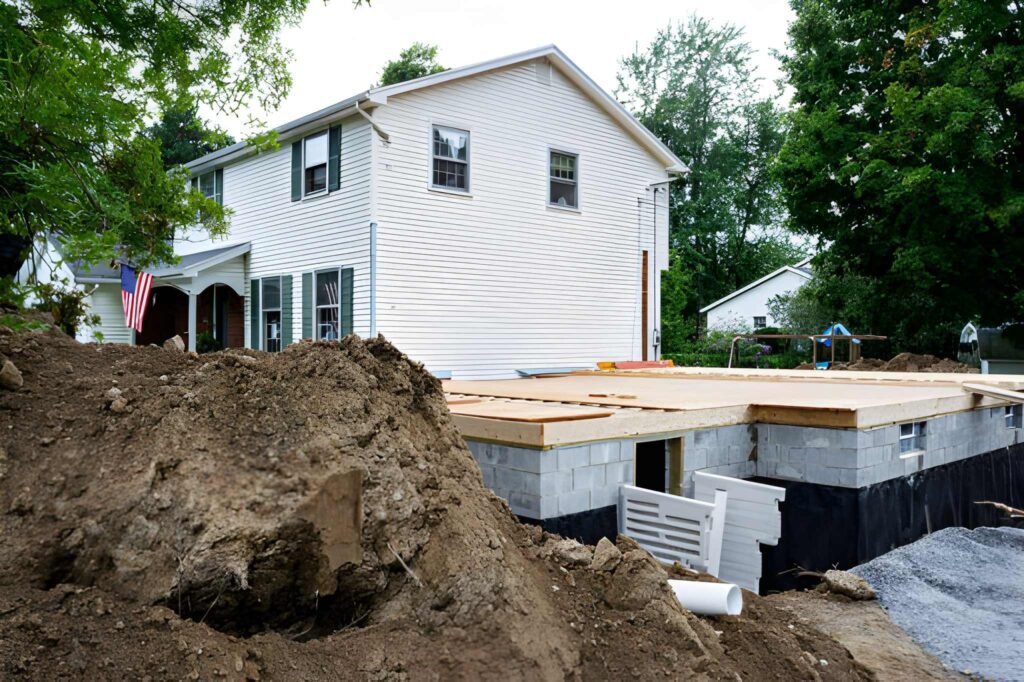
- Negative Grading: The soil around the foundation should slope away from the house. If it slopes toward the house, water pools against the foundation and will eventually find a way in.
- Cracks in Foundation: Hairline cracks can be sealed, but larger, horizontal cracks indicate structural pressure and require a professional assessment.
Executing the Repair: Common Scenarios and Solutions
The repair must be tailored to the specific failure point.
1. Roof Flashing Repair:
- For a small leak at a vent pipe:
- Carefully lift the surrounding shingles.
- Remove the old, cracked roofing cement.
- Slide a new piece of step flashing or a pipe boot under the shingles and over the pipe.
- Secure it and seal the edges with a high-quality, plasticized roofing cement (not tar), and carefully re-nail the shingles.
2. Re-caulking Windows and Siding:
- This is a critical, yet simple, repair.
- Remove All Old Caulk: Use a utility knife, hook tool, or caulk softener to completely remove the old, failed material.
- Clean and Dry: The joint must be perfectly clean and dry. Use a brush and then wipe with rubbing alcohol.
- Apply Painter’s Tape: Tape both sides of the joint for a clean, professional line.
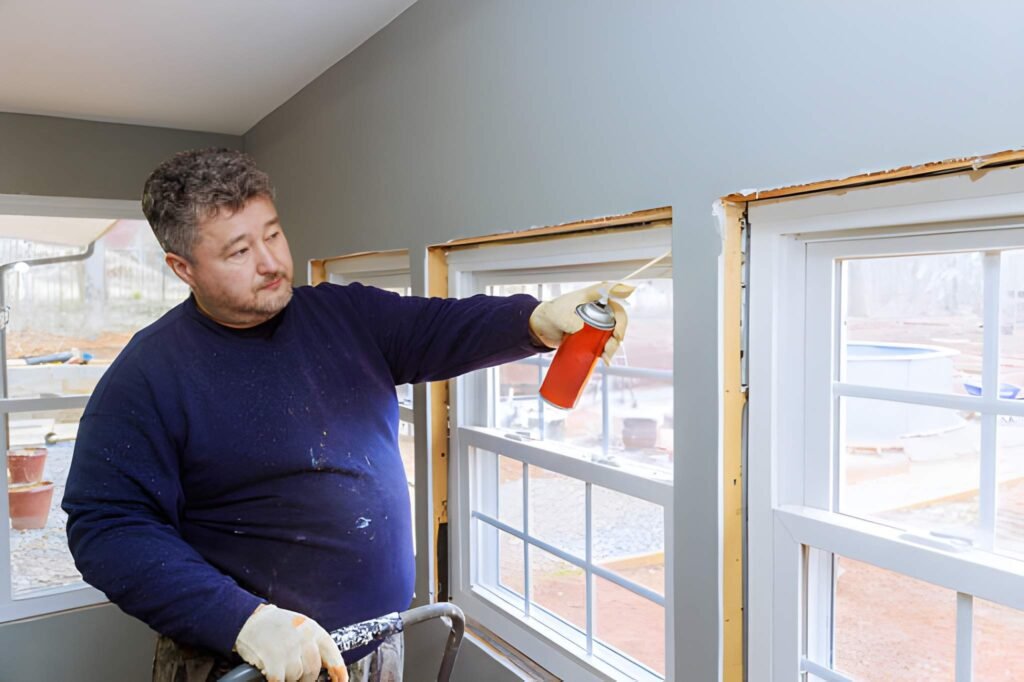
- Apply High-Quality Caulk: Use a paintable, siliconeized acrylic or 100% polyurethane caulk. These remain flexible for years. Cut a small opening in the tube and apply a steady bead, tooling it with a finger or smoothing tool.
- Remove Tape Immediately.
3. Plumbing Leak Repair:
- For an accessible leaking pipe joint:
- Turn Off the Water Supply.
- Dry the pipe completely.
- For a pinhole leak, a patch clamp can be a temporary fix. For a permanent repair, the section of pipe must be cut out and replaced using appropriate couplings and solder (for copper) or primer/cement (for PVC/CPVC).
When to Call a Professional
Some leaks are beyond the scope of a DIY repair.
- Widespread Roof Damage: If more than a few shingles are damaged or the leak is complex, a professional roofer is necessary.
- Structural Leaks: Any leak involving a cracked foundation or major structural component requires a foundation specialist or structural engineer.
- Leaks Inside Walls: Locating and repairing a leak inside a finished wall often requires invasive cutting and should be handled by a plumber and then a drywall professional.
- Mold Remediation: If you discover significant mold growth (>10 sq. ft.), a professional mold remediation company should handle the safe removal.
The Final, Critical Step: Prevention
A repair is only successful if it prevents recurrence.
- Maintain Your Roof and Gutters: Clean gutters twice a year and after major storms. Have your roof professionally inspected every 3-5 years.
- Re-caulk Proactively: Inspect and replace caulk around windows, doors, and siding joints every 3-5 years, before it fails.
- Manage Groundwater: Ensure downspouts extend at least 5 feet away from your foundation and that the soil grade slopes away from the house.
House leak repair is a defensive strategy for your largest investment. It demands a patient, diagnostic mindset to trace the true source of water intrusion. By methodically inspecting from the interior symptom to the exterior source and executing a high-quality, permanent repair, you do more than stop a drip—you preserve the structure, health, and value of your home for the long term. The cost of proactive maintenance and precise repair is always less than the cost of fixing the damage a neglected leak will cause.