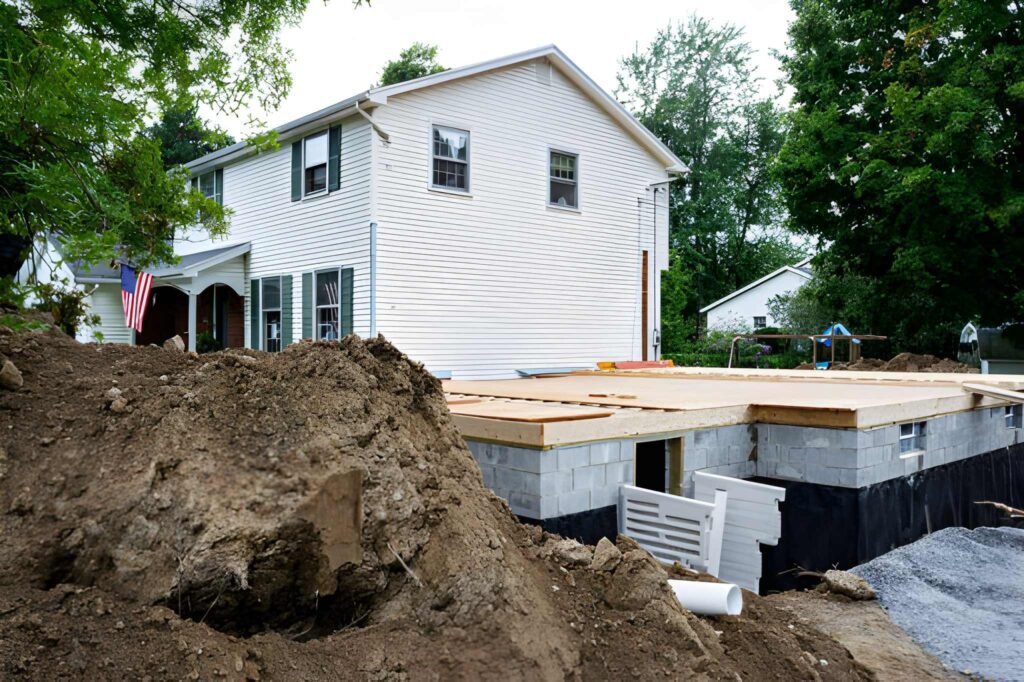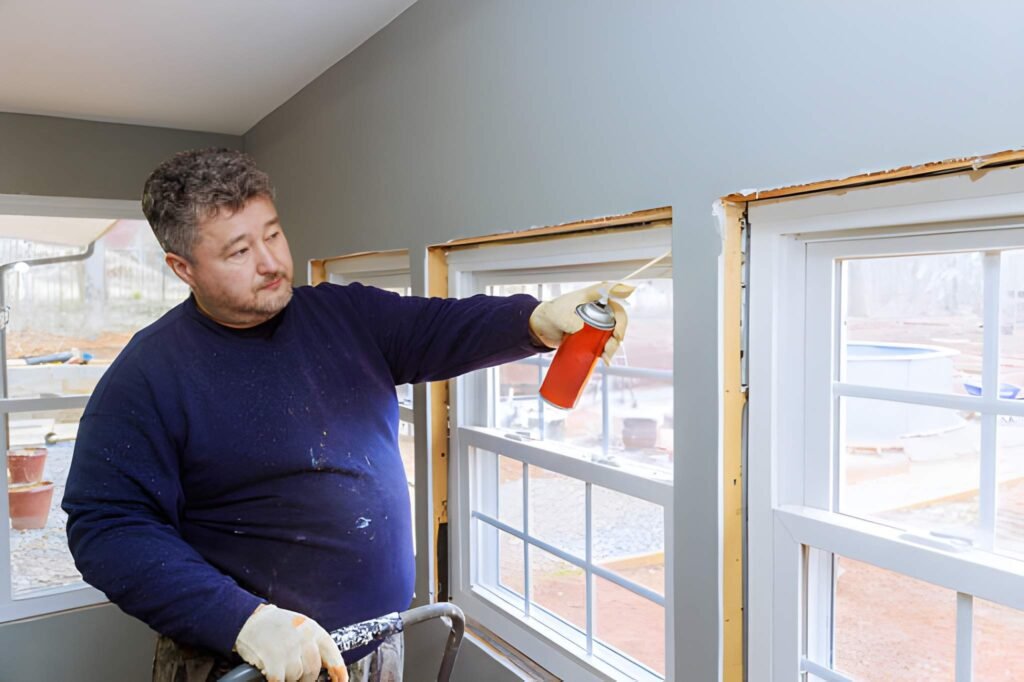

House repair services represent a critical component of responsible homeownership, functioning as both emergency responders and strategic partners in property preservation. The contemporary approach to home repair has evolved from reactive problem-solving to proactive maintenance strategy, where the goal extends beyond fixing immediate issues to preventing future deterioration and protecting your most significant financial asset.
The Comprehensive Spectrum of Home Repair Services
Emergency Repair Services: The Critical Response Team
These services address immediate threats to home safety and structural integrity, operating 24/7 for situations requiring urgent intervention.
- Scope: Burst pipes, severe roof leaks, gas line issues, electrical hazards, storm damage, broken HVAC systems during extreme weather, and security breaches (broken windows/doors)
- Provider Profile: Specialized emergency contractors with rapid response capabilities, often maintaining relationships with insurance providers and operating with on-call rotation systems
Scheduled Maintenance Services: The Preventive Defense System
This proactive approach represents the most cost-effective strategy for home preservation, identifying and addressing minor issues before they escalate into major repairs.
- Scope: Seasonal HVAC servicing, roof and gutter inspections, plumbing system checks, electrical safety inspections, exterior painting cycles, and drainage system maintenance
- Provider Profile: Established licensed contractors offering service contracts or annual maintenance plans with scheduled inspections
Handyman Services: The Multidisciplinary Specialists
These professionals handle diverse small to medium-scale tasks that fall between traditional trade specialties.
- Scope: Drywall repair, minor plumbing repairs, basic electrical work, painting, tile regrouting, door and window adjustment, assembly and installation tasks, and general home improvements
- Provider Profile: Versatile individual technicians or small teams known for efficiency with smaller projects and multiple trade skills
Specialized Trade Services: The Expert Practitioners
Licensed masters of specific crafts required for complex, permitted, or technical work demanding specialized certification.
- Electrical: Panel upgrades, whole-house rewiring, generator installation, smart home integration
- Plumbing: Water heater replacement, repiping, sewer line repair, bathroom remodels
- HVAC: System replacement, ductwork design, indoor air quality systems, zoning installations
- Structural: Foundation repair, beam replacement, structural assessment and reinforcement
The Modern Service Model: Evolving Beyond Traditional Repairs
Today’s highest-quality house repair services operate on a relationship-based model, functioning as ongoing partners in home maintenance rather than one-time transactional providers.
Key Features of Advanced Service Providers:
- Digital Integration: Utilizing platforms for scheduling, digital estimates, photo documentation, real-time updates, and electronic invoicing
- Transparent Pricing Models: Providing detailed, line-item estimates that clearly distinguish labor, materials, overhead, and potential contingencies
- Educational Approach: Proactively educating homeowners on system lifespans, warning signs, and preventive maintenance strategies
- Warranty Protection: Offering robust workmanship guarantees (typically 1-2 years) while honoring manufacturer warranties on installed components
Strategic Homeowner Engagement Process
Due Diligence and Provider Selection:
- Credential Verification: Confirm state licensing, insurance coverage (liability and workers’ compensation), and necessary permits for specific work scopes
- Reputation Assessment: Analyze reviews across multiple platforms and request references for projects of similar scale and complexity
- Specialization Alignment: Ensure the provider’s specific expertise matches your repair needs—general contractors for broad projects, specialists for technical systems
The Professional Estimate and Agreement:
A comprehensive estimate should include:
- Detailed problem description and proposed solution methodology
- Complete materials list with specifications and quality tiers
- Labor cost breakdown including preparation, execution, and cleanup phases
- Realistic project timeline with defined milestones
- Clear payment schedule (typically 30-50% deposit with balance upon completion)
Project Execution and Management:
- Documentation Protocol: Maintain “before” photographs and a simple project log tracking progress and communications
- Communication Standards: Establish primary contact points and expected update frequency
- Quality Verification: Conduct final walk-through inspection before payment to ensure work meets agreed standards
Financial Planning for Home Repairs
Strategic Budgeting Framework:
- Emergency Reserve: Maintain $5,000-$10,000 in liquid funds specifically for unexpected major repairs
- Preventive Maintenance Allocation: Budget 1-2% of home value annually for scheduled maintenance and minor repairs
- System Replacement Planning: Anticipate major system replacements (roof, HVAC, plumbing) on their typical lifespan cycles
Table: Home Repair Financial Planning Guide
| Category | Typical Cost Range | Recommended Funding Approach | Frequency |
|---|---|---|---|
| Minor Repairs & Maintenance | $200 – $1,500 | Annual savings allocation | Ongoing |
| Major System Repairs | $2,000 – $7,000 | Emergency fund or HELOC | 5-10 years |
| Emergency Structural Issues | $5,000 – $20,000+ | Dedicated emergency fund | Unplanned |
| Preventive Maintenance | $500 – $3,000 | Monthly budgeting | Annual |
Industry Evolution and Future Trends
The house repair service sector is undergoing significant transformation:
- Technology Integration: Adoption of drones for roof inspections, thermal imaging for leak detection, and AI-assisted diagnostics
- Sustainability Focus: Growing expertise in energy-efficient upgrades, water conservation systems, and sustainable material applications
- Service Model Innovation: Emergence of subscription-based maintenance programs offering priority service and predictable budgeting
- Virtual Capabilities: Expansion of remote consultations for initial assessments and minor issue troubleshooting
Conclusion: The Investment Perspective
Modern house repair services have fundamentally shifted from being a reactive expense to a strategic component of long-term asset management. The most successful homeowners approach repairs not as isolated problems, but as integral elements of ongoing property stewardship. By cultivating relationships with qualified professionals, implementing preventive maintenance strategies, and maintaining appropriate financial reserves, homeowners can significantly reduce catastrophic failures, preserve property value, and ensure their home remains a safe, comfortable, and appreciating asset. The true cost of home repair manifests not in the services rendered, but in the deferred maintenance and minor issues that escalate through neglect.