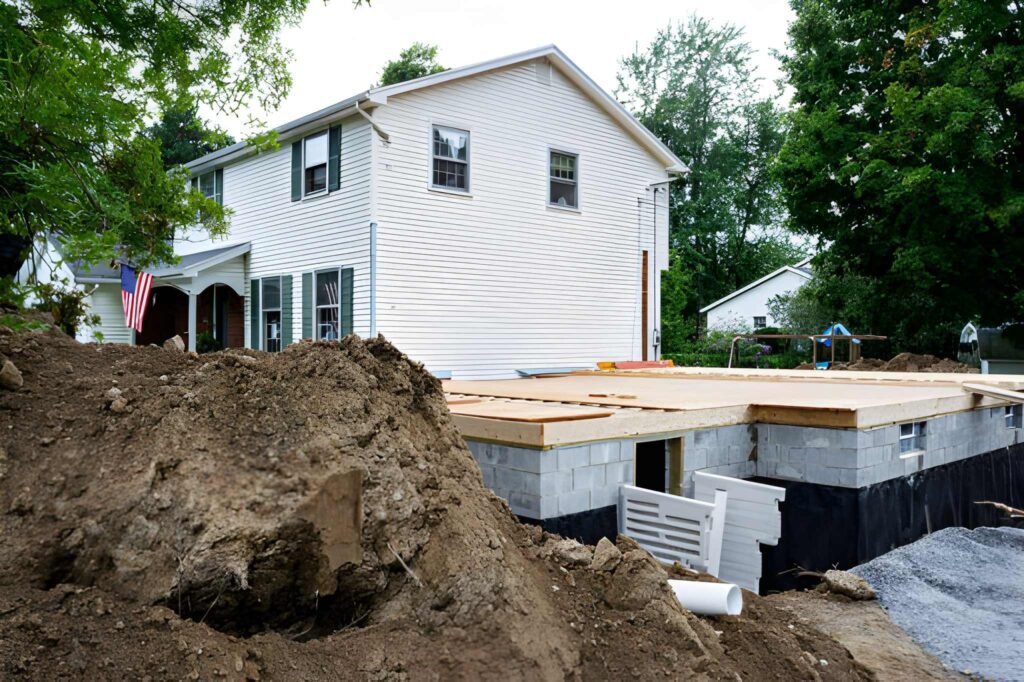

House repair grants represent a critical source of funding for homeowners who need to make essential repairs but lack the financial resources to do so. Unlike loans, grants are financial awards that do not require repayment, making them a highly sought-after and competitive form of assistance. These programs are typically funded by federal, state, or local government agencies, as well as non-profit organizations, with a primary focus on preserving housing stock, ensuring health and safety, and assisting vulnerable populations such as low-income homeowners, seniors, veterans, and people with disabilities.
The Landscape of Home Repair Grants
Grant programs are highly specific in their eligibility requirements and intended use of funds. They are not for cosmetic upgrades or discretionary improvements, but for addressing critical needs.
1. Federal Grant Programs
A. U.S. Department of Agriculture (USDA) Section 504 Home Repair Grant
This is one of the most well-known federal grant programs for very low-income rural homeowners.
- Purpose: Specifically to remove health and safety hazards from the home.
- Key Features:
- Maximum Grant: $10,000
- Recipient Eligibility: Must be a homeowner aged 62 or older.
- Repayment: The grant is a one-third deferred loan that is forgiven if the homeowner maintains ownership for three years. If the property is sold within three years, the grant must be repaid.
- Eligibility Requirements:
- Own and occupy the home in a USDA-qualified rural area
- Have a household income that does not exceed 50% of the area median income
- Be unable to secure affordable credit elsewhere
- Demonstrate an inability to repay a repair loan
B. U.S. Department of Housing and Urban Development (HUD) Programs
HUD does not provide grants directly to individuals. Instead, it allocates funding to states and local municipalities through block grant programs. Homeowners must apply through these local entities.
- HOME Investment Partnerships Program: Provides grants to states and localities to fund a wide range of housing activities, including homeowner rehabilitation.
- Community Development Block Grant (CDBG) Program: Offers grants to cities and counties to support community development, which often includes owner-occupied rehabilitation programs.
2. State and Local Government Programs
Most home repair grant funding is administered at the state and local level. These programs are often more accessible and tailored to regional needs.
- Weatherization Assistance Program (WAP): A federally funded but state-administered program that provides grants to improve energy efficiency for low-income families, reducing utility bills.
- State Housing Finance Agencies (HFAs): Nearly every state has an HFA that offers various programs, including grants or forgivable loans for repairs, often targeted at seniors, veterans, or those with disabilities.
- Local Municipal Programs: Many cities and counties operate their own repair grant programs using CDBG or other funds. These might target specific neighborhoods for revitalization.
3. Non-Profit and Charitable Organizations
Numerous non-profit organizations provide essential repair services at no cost to qualifying homeowners.
- Habitat for Humanity: Many local affiliates offer home preservation programs, providing critical repairs, accessibility modifications (like wheelchair ramps), and painting for low-income homeowners.
- Rebuilding Together: A national non-profit with a network of affiliates that provides comprehensive critical home repairs for low-income homeowners, with a focus on seniors, veterans, and people with disabilities.
- The Salvation Army, Catholic Charities, and Local Community Action Agencies: Often have emergency repair programs or can direct homeowners to available local resources.
Common Eligibility Requirements
While requirements vary, most grant programs share common criteria:
- Income Limits: Typically, household income must be at or below 50-80% of the Area Median Income (AMI).
- Homeownership and Occupancy: You must own the home and use it as your primary residence.
- Property Location: The home must be within the specific geographic area served by the grant program.
- Demonstrated Need: The repairs must address documented health, safety, or accessibility issues.
- Target Population Priority: Seniors (62+), veterans, families with young children, and people with disabilities are often given priority.
Types of Repairs Typically Covered
Grants are restrictive in what they will fund. Covered repairs almost always include:
- Roof replacement or repair
- Faulty electrical system upgrades
- Plumbing repairs
- Heating and cooling system (HVAC) replacement
- Structural repairs to foundations, walls, or floors
- Accessibility modifications (wheelchair ramps, grab bars, walk-in showers)
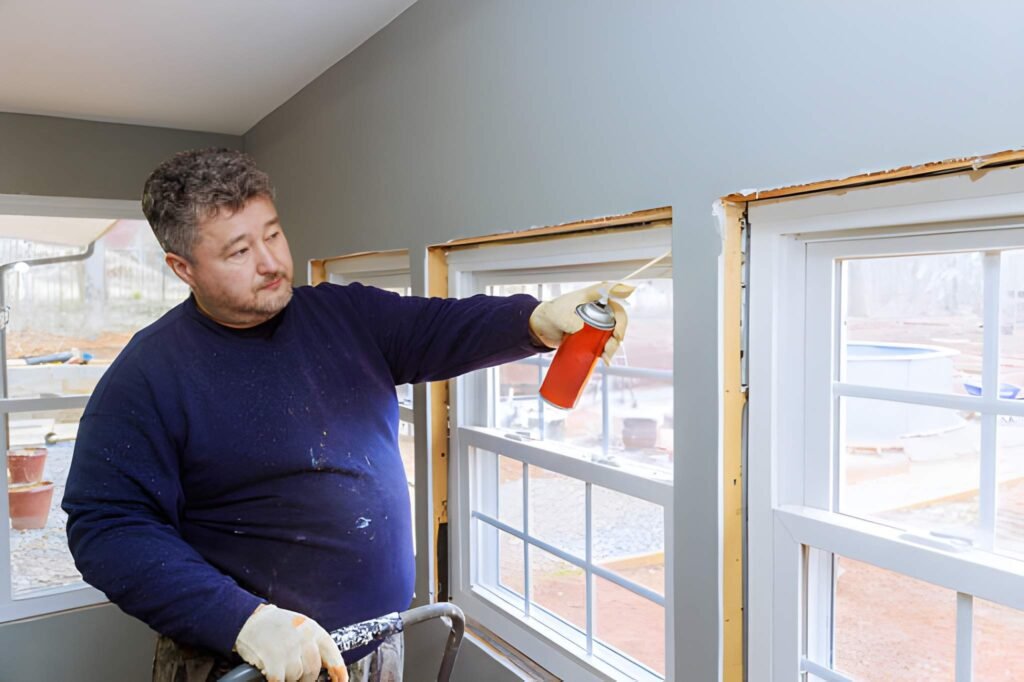
- Weatherization (insulation, window and door replacement to improve energy efficiency)
- Lead-based paint or asbestos abatement
The Strategic Process for Securing a Grant
Securing a grant requires patience, persistence, and organization.
- Research and Identify Programs: Start with your local USDA Rural Development office, your city or county’s housing or community development department, and your state’s Housing Finance Agency. A simple online search for “[Your City/County] home repair grant” is a good starting point.
- Contact Program Administrators: Call or email the contact for each program. Be prepared to briefly state your situation, your income level, and the type of repairs needed. Ask specifically if they are currently accepting applications and about any waiting lists.
- Gather Documentation: Be prepared to provide extensive documentation, including:
- Proof of homeownership (deed or property tax bill)
- Proof of income (tax returns, pay stubs, Social Security award letters)
- Government-issued photo ID
- Recent utility bills
- Complete the Application Meticulously: Fill out every section of the application completely and accurately. Incomplete applications are the most common reason for denial.
- Prepare for an Inspection: If your application is being considered, a program representative will likely schedule a home inspection to verify the repair needs.
- Exercise Patience: Grant programs are notoriously underfunded relative to demand. Waiting lists can be months or even years long. Persistent but polite follow-up is essential.
House repair grants are a vital lifeline for homeowners facing financial hardship, enabling them to live safely and with dignity in their own homes. While the process of finding and applying for these grants is competitive and often slow, the reward of obtaining free funding for critical repairs is immense. Success depends on thorough research, understanding the specific criteria of each program, and demonstrating a genuine, documented need for assistance. For those who qualify, these grants can provide a transformative solution to maintaining a safe and healthy home.