House settling repair addresses the movement of a home’s foundation, a process that can be either a normal, gradual adjustment or a sign of a significant structural problem. The critical distinction lies in determining whether the settling is uniform and has stabilized or is active, differential, and potentially damaging. Proper repair is not a one-size-fits-all solution; it requires a precise diagnosis of the underlying cause—typically soil-related—to implement a permanent fix that restores structural integrity and prevents further movement.
The Diagnostic Phase: Normal Settlement vs. Problematic Movement
Before any repair can be planned, a thorough assessment must differentiate between harmless and harmful settling.
Signs of Normal, Cosmetic Settlement:
- Small, hairline cracks (less than 1/8 inch) in drywall or plaster, often near the corners of doors and windows.
- Minor cracks in concrete floors or basement slabs that are not widening.
- These cracks appear within the first few years of a home’s life and do not progress.
Red Flags of Problematic Structural Movement:
- Diagonal cracks wider than 1/4 inch in drywall, especially those that run at a 45-degree angle from the corners of doors and windows.
- Stair-step cracks in brick or concrete block exterior walls.
- Horizontal cracks in basement foundation walls.
- Doors and windows that stick, bind, or will not latch properly.
- Sloping or visibly uneven floors (a marble test can confirm this).
- Gaps separating between the wall and the ceiling or floor.
The Root Causes: Why Houses Settle Problematically
Understanding the cause is essential for choosing the correct repair. The most common culprits are:
- Expansive Clay Soil: This soil type swells when wet and shrinks during droughts, creating a constant cycle of heaving and settling that undermines the foundation’s support.
- Poor Soil Compaction: If the soil under the foundation was not properly compacted before construction, it will compress under the home’s weight, causing sinking.
- Water Drainage Issues: The most manageable cause. Poor gutter systems, negative grading (soil sloping toward the house), or plumbing leaks can saturate the soil, leading to erosion or expansion.
- Drought Conditions: In areas with expansive clay, prolonged drought causes the soil to lose moisture and shrink away from the foundation, removing support.
The Repair Methodology: From Simple to Complex
Repairs are tiered based on the severity and cause of the problem.
Tier 1: DIY and Simple Mitigation (For Minor, Non-Structural Issues)
- Re-grading Soil: Ensure the ground around your foundation slopes away from the house for at least 5-6 feet. This is the first and most cost-effective step.
- Extending Downspouts: Add downspout extensions to discharge roof water at least 5 feet from the foundation.
- Installing Soaker Hoses: In drought-prone areas with expansive clay, using soaker hoses around the perimeter during dry spells can help maintain consistent soil moisture and prevent excessive shrinkage.
Tier 2: Professional Structural Repairs (For Active, Damaging Settlement)
These solutions involve installing deep foundation supports to stabilize and, if possible, lift the structure back to level.
| Repair Method | How It Works | Best For | Typical Cost Range |
|---|---|---|---|
| Steel Push Piers | Hydraulically driven through unstable soil to load-bearing strata (bedrock or stable clay). The foundation is then hydraulically lifted and permanently supported. | Heavy, sinking foundations; the most common permanent solution for significant settling. | $1,000 – $3,000 per pier; total often $10,000 – $25,000+ |
| Helical Piers | Screwed into the ground like a giant corkscrew. They are torqued into place until they reach stable soil. | Situations where driving piers is impractical (near trees, other structures) or in areas with a high water table. | $1,500 – $3,000 per pier; total often $15,000 – $30,000+ |
| Slabjacking / Mudjacking | A grout mixture is pumped beneath a sunken concrete slab to lift it back to grade. | Sunken concrete slabs only (sidewalks, patios, garage floors). Not for a home’s structural foundation. | $500 – $1,500 per slab |
| Spot Piers / Shims | Concrete or steel posts are installed to support a specific sinking area, often in a crawl space. | Localized settling under a beam or a single corner of a crawl space foundation. | $3,000 – $7,000 |
The Professional Repair Process: A Step-by-Step Guide
- Inspection by a Structural Engineer: This is the most critical step. Hire an independent, licensed structural engineer ($500-$1,000) to provide an unbiased diagnosis and repair specification. Do not rely solely on the free inspection from a repair company.
- Obtain Multiple Quotes: Get at least three detailed, written quotes from reputable, licensed, and insured foundation repair companies. The quotes should reference the engineer’s report.
- Review the Proposal: A credible proposal will specify the repair method, the number and depth of piers, the guaranteed amount of lift, and a robust, transferable warranty (often a lifetime warranty).
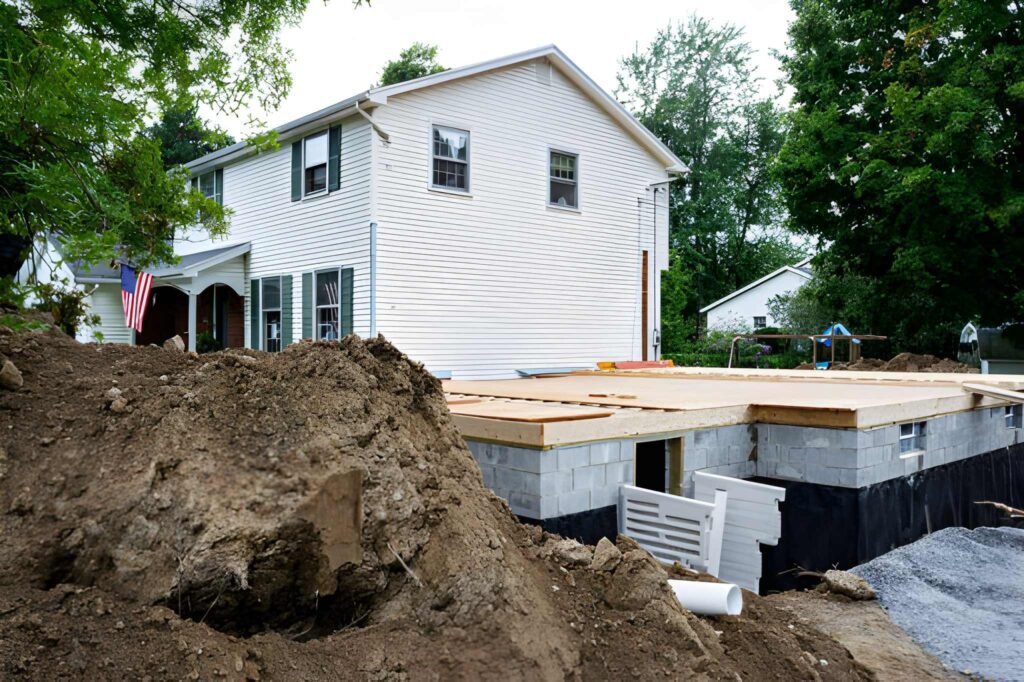
- Execution: The work involves excavation, driving or screwing in the piers, attaching them to the foundation, and hydraulic lifting. The site is then backfilled and restored.
- Final Inspection: The work should be inspected by the local building department and the structural engineer to ensure it meets the specification.
House settling repair is a significant investment in the core stability of your home. A successful outcome hinges on a correct diagnosis, which almost always requires the expertise of a structural engineer. By understanding the signs of problematic settling, addressing manageable water issues first, and selecting a reputable contractor to execute a deep foundation solution like steel piers, you can permanently stabilize your home, protect its value, and ensure its safety for decades to come. The cost is substantial, but it is a definitive solution to a problem that will only worsen if ignored.