A jump house (or inflatable bounce house) repair kit is an essential toolkit for any owner or operator, representing the line between a minor, manageable puncture and a complete, revenue-loss-inducing equipment failure. These kits are designed for on-the-spot, field repairs to restore the air-tight integrity of vinyl, PVC, or nylon tarpaulins. Proper repair not only ensures safety by maintaining structural stability but also significantly extends the lifespan of a valuable asset. Mastery of inflatable repair is a fundamental skill in the party rental and recreational industry.
Core Components of a Professional Repair Kit
A well-stocked kit contains materials for both temporary patches and permanent, industrial-strength repairs.
1. Adhesives: The Heart of the Repair
- Vinyl Cement (Liquid): A solvent-based adhesive that chemically welds vinyl patches to the inflatable material. It is the standard for most PVC and vinyl repairs. It works by slightly melting the surfaces, fusing them together as the solvent evaporates.
- Seam Tape (Thermoplastic): A double-sided adhesive tape that is activated with a heat gun or industrial iron. This is the professional’s choice for high-stress areas like seams, as it creates a bond as strong as the original material.
- Clear PVC Cement: A specialized adhesive for clear vinyl windows or panels.
2. Patch Materials: The Reinforcement
- Vinyl Patch Material: Sold in rolls or pre-cut squares, this should match the weight and type of the inflatable’s original material (e.g., 18-ounce PVC). It is available in various colors for a cosmetic match.
- Tear-Aid Patches (Type B): A popular, user-friendly alternative. These are clear, super-strong, peel-and-stick patches with a reinforced fiberglass scrim. They are excellent for quick, temporary repairs on clean, dry surfaces without the need for liquid adhesive.
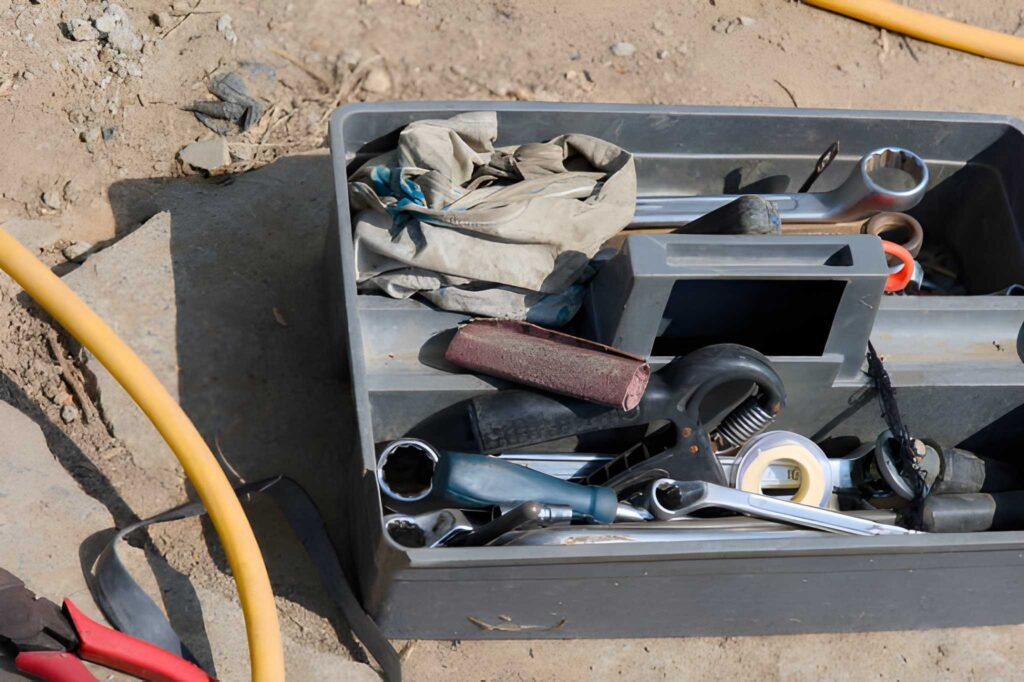
3. Tools and Preparation Supplies
- Scissors & Cutting Tool: For cutting patch material to size.
- Grease Pencil or Marker: To mark the repair area.
- Sandpaper (80-120 grit) or Abrasive Pad: For roughening the surface around the damage to ensure maximum adhesive bond.
- Lint-Free Cloths & Cleaning Solvents: Isopropyl alcohol or a dedicated vinyl cleaner to remove all dirt, grease, and chalk before applying any adhesive.
- Roller or Seam Roller: A hard roller (often J-roller) is critical for applying firm, even pressure to the patch, removing air bubbles, and ensuring a complete bond.
- Heat Gun: Essential for activating seam tape and for speeding up the curing process of liquid adhesives in humid or cold conditions.
The Step-by-Step Repair Protocol
A successful repair is 90% preparation and 10% application. Rushing any step will result in a failed patch.
For a Standard Vinyl Cement Repair:
- Deflate and Locate: Completely deflate the unit. To find small leaks, mix a few drops of dish soap with water in a spray bottle and spray it over the suspected area. Bubbles will form at the source of the leak. Circle the leak with a grease pencil.
- Surface Preparation (Most Critical Step):
- Clean: Wipe the area thoroughly with a cloth and isopropyl alcohol. The surface must be perfectly clean, dry, and free of any residue.
- Roughen: Lightly sand the area around the puncture and the back of the patch. This creates a larger surface area for the adhesive to grip, forming a much stronger mechanical bond.
- Cut and Fit the Patch:
- Cut a patch with rounded corners (square corners peel more easily). The patch should extend at least 1-1.5 inches beyond the tear in all directions.
- Apply the Adhesive:
- Apply a thin, even layer of vinyl cement to both the prepared inflatable surface and the back of the patch.
- Wait for the “Tack.” Allow the adhesive to become touch-dry and tacky. This waiting period (typically 2-5 minutes) is crucial—it allows the solvents to evaporate so the patch bonds instead of just sticking.
- Apply the Patch:
- Carefully place the patch over the hole, starting from one edge to avoid trapping air.
- Roll It On: Immediately use a J-roller to apply intense, even pressure across the entire patch, working from the center outward to eliminate air bubbles.
- Cure Time:
- Do not inflate for the time specified by the adhesive manufacturer, usually a minimum of 4-6 hours, but 24 hours for a full, maximum-strength cure.
For a Tear-Aid Patch Repair:
- Clean and dry the area impeccably.
- Cut the patch to size with rounded corners.
- Peel the backing and apply, smoothing from the center out to remove air bubbles.
- While highly effective, these are generally considered heavy-duty temporary fixes until a cemented patch can be applied.
Advanced Repairs and Proactive Maintenance
Blown Seam Repair:
This is a serious failure. The repair must be as strong as the original seam.
- Clean the area and gently separate the torn seam.
- Apply seam tape to one side of the seam. Use a heat gun to melt and activate the adhesive until it becomes clear and glossy.
- Press the seam together and immediately roll it with a seam roller.
- For added strength, a vinyl patch can be cemented over the repaired seam on both sides.
Proactive Maintenance to Minimize Repairs:
- Pre-Use Inspection: Always check for thorns, sharp objects, and debris on the setup surface.
- Proper Anchoring: Secure the unit according to manufacturer specifications to prevent it from tipping or dragging, which causes stress tears.
- Cleaning: After each use, clean with a mild soap and water solution to prevent dirt and grime from degrading the material.
- Proper Storage: Ensure the unit is completely dry before folding and storing it in a cool, dry place away from rodents.
A jump house repair kit is more than a collection of supplies; it is a portable workshop for risk management. The ability to execute a flawless repair—meticulous in its preparation and precise in its execution—is what separates amateurs from professionals. By understanding the chemistry of the adhesives, the importance of surface preparation, and the mechanics of applying pressure, an operator can confidently address the inevitable wear and tear of the business, ensuring every inflation is safe, secure, and profitable.