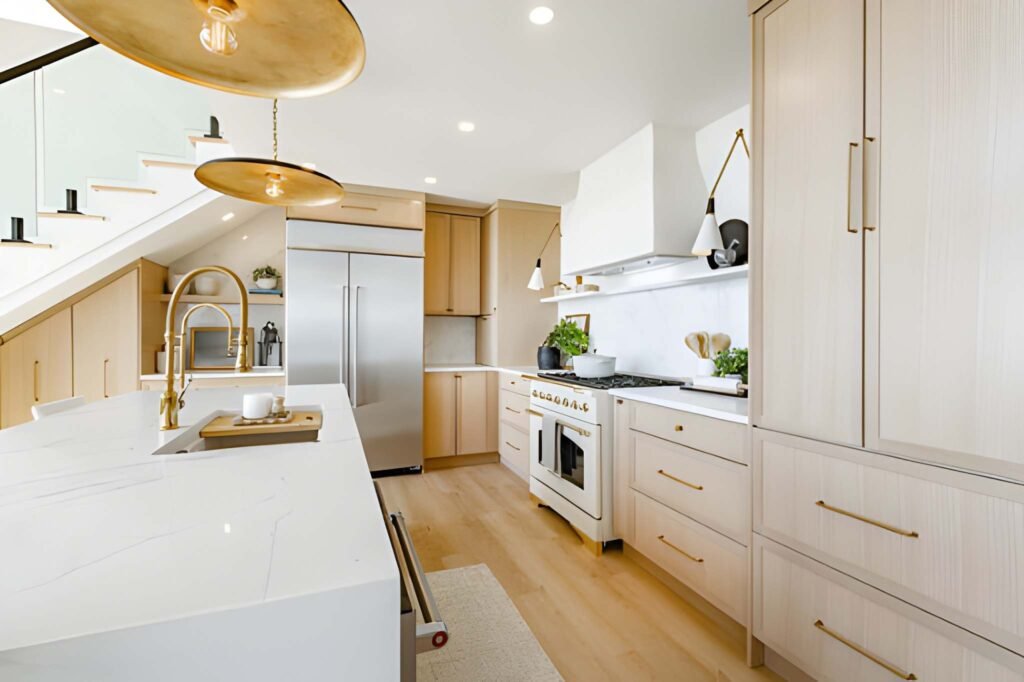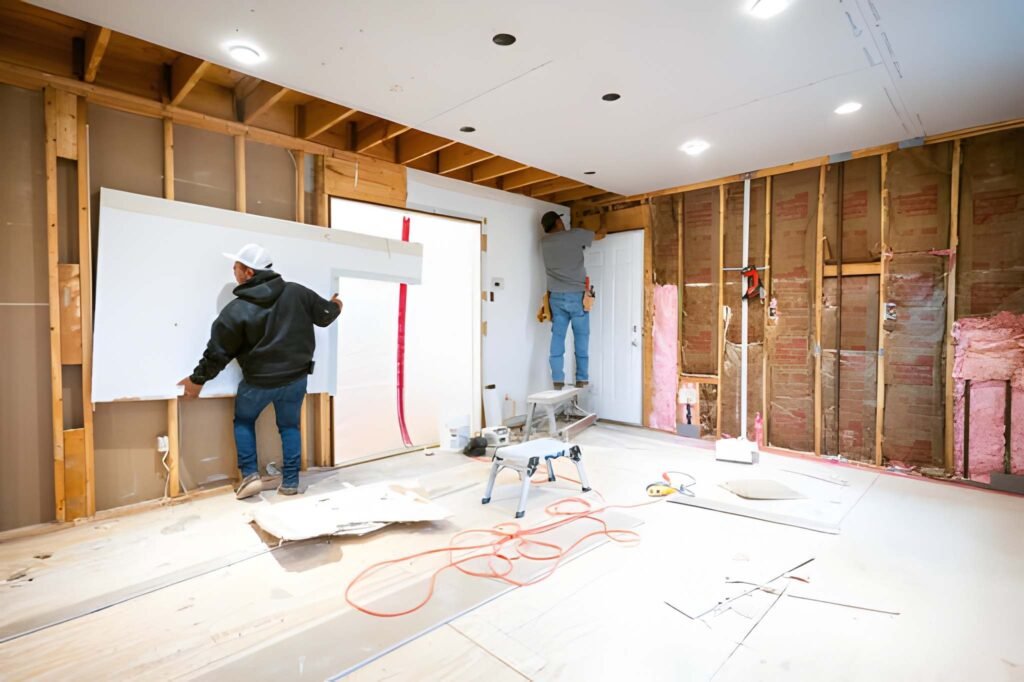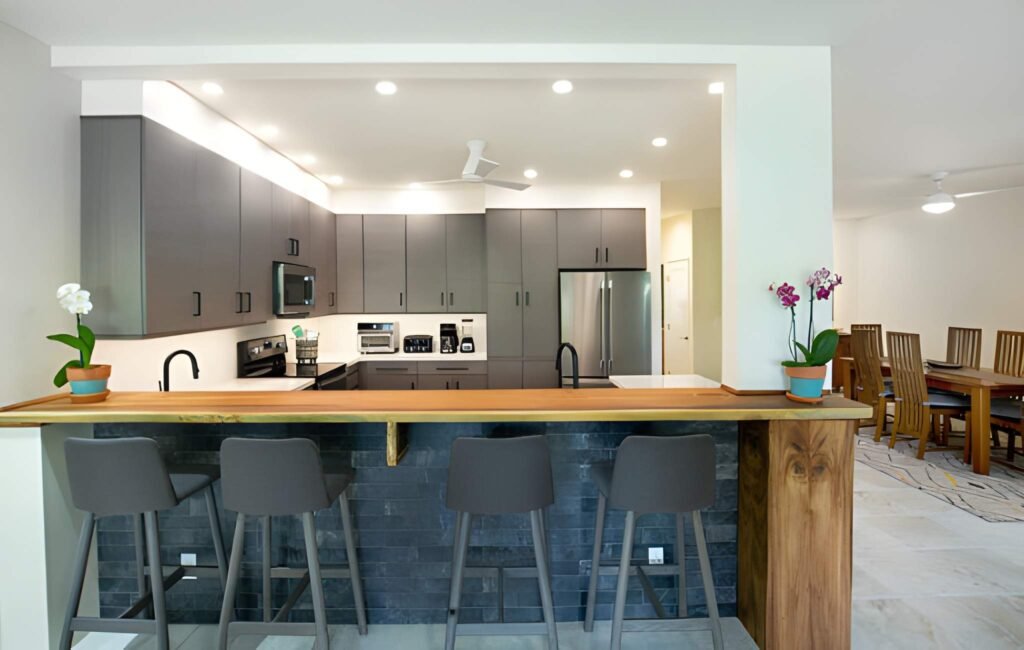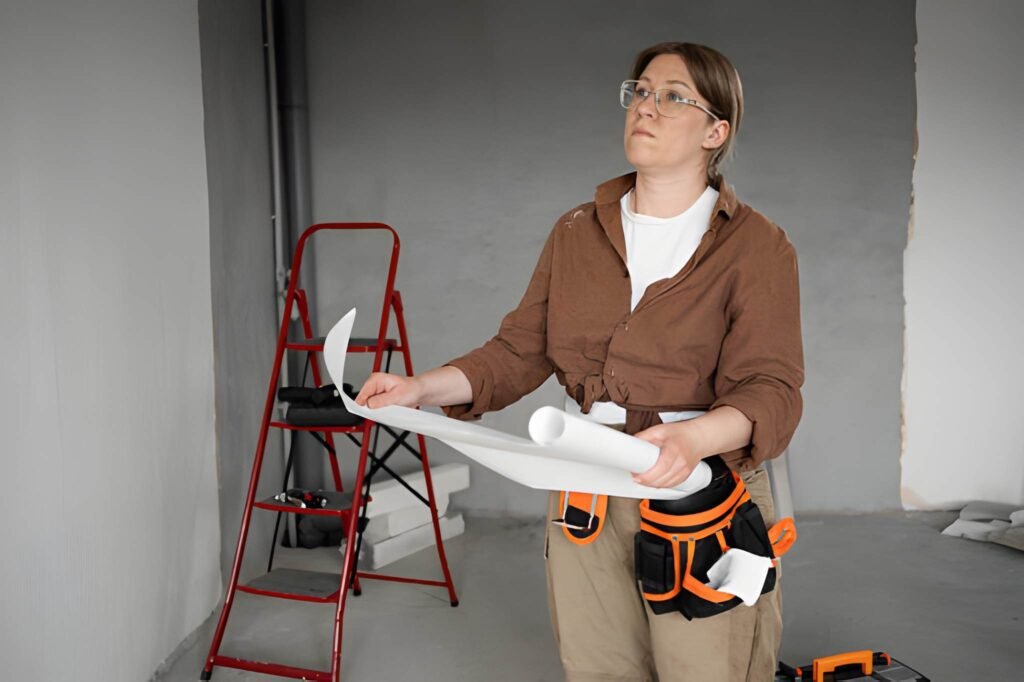

Renovating a one-bedroom, one-bathroom apartment is an exercise in precision and prioritization. With a limited footprint, every decision carries significant visual and financial weight. The cost is not simply a smaller version of a larger home renovation; it is a unique category where economies of scale are lost, and the price per square foot often runs higher. The total investment hinges on the depth of the renovation—ranging from a simple cosmetic refresh to a full-gut rehab—and is profoundly influenced by geographic location, the quality of materials, and whether you are preparing a rental unit or creating a personalized home.
Defining the Scope: Three Tiers of Renovation
To understand the costs, you must first define the level of intervention. The scope of work falls into three distinct tiers, each with its own budget and outcome.
Tier 1: The Cosmetic Refresh ($5,000 – $15,000)
This is a surface-level update designed to make the apartment feel clean, bright, and modern without altering its layout or systems. It is the strategy for landlords, flippers, or budget-conscious owners.
- Scope: Painting walls, ceilings, and trim; replacing lighting fixtures; updating cabinet hardware and faucets; installing new vinyl plank flooring; deep cleaning or reglazing tiles; replacing appliances with mid-range models.
- Labor: High DIY potential. Professional help likely needed for flooring installation and potentially an electrician for light fixtures.
Tier 2: The Comprehensive Update ($15,000 – $40,000)
This is the most common path for homeowners who want a significant transformation. It involves replacing all key surfaces and fixtures while keeping the plumbing and electrical rough-ins mostly in place.
- Scope: Everything in Tier 1, plus a full kitchen remodel with new cabinets and countertops; a full bathroom remodel with new vanity, toilet, and tub/shower surround; potentially replacing interior doors; updating all light switches and outlets.
- Labor: DIY is limited. Requires a general contractor or a team of licensed tradespeople (plumber, electrician, tilers) for a coordinated effort.
Tier 3: The Full-Gut Reconfiguration ($40,000 – $75,000+)
This is a down-to-the-studs renovation for apartments with poor layouts or outdated systems. It offers the freedom to reimagine the space entirely.
- Scope: Everything in Tier 2, plus demolishing non-load-bearing walls to create an open-concept layout; moving plumbing to relocate the bathroom or kitchen; completely rewiring the unit; replacing all windows; installing new HVAC units; addressing subfloor and wall issues; using high-end, custom materials.
- Labor: Mandatory use of a general contractor, architect, and structural engineer if walls are being moved. Requires significant time and coordination with building management.
Detailed Cost Breakdown
The following table provides a realistic allocation of funds for a Tier 2: Comprehensive Update on a 600-800 square foot apartment, assuming professional installation for most tasks. This is the benchmark for a truly renewed space that feels entirely new.
| Cost Category | Low-End Estimate | High-End Estimate | Key Considerations & What’s Included |
|---|---|---|---|
| Kitchen Renovation | $8,000 | $20,000 | Stock/semi-custom cabinets, quartz countertops, mid-range appliance suite, sink, faucet, backsplash. The largest single expense. |
| Bathroom Renovation | $6,000 | $15,000 | Vanity, solid surface countertop, tub/shower combo or standing shower, toilet, tile, fixtures, lighting, ventilation fan. |
| Flooring | $2,000 | $5,000 | Removal of old flooring and installation of LVP, engineered wood, or tile throughout the entire apartment. |
| Painting (Walls, Trim, Ceiling) | $1,500 | $3,500 | Professional prep and painting for the entire unit, including ceilings, trim, and doors with premium paint. |
| Lighting & Electrical | $1,000 | $3,000 | New fixtures in every room, potential panel upgrade, adding/replacing outlets and switches, installing dimmers. |
| Interior Doors & Hardware | $800 | $2,000 | Replacing hollow-core doors with solid core, updating all handles and hinges throughout the apartment. |
| Professional Labor & GC Fee | $4,000 | $10,000 | General Contractor’s overhead and profit (15-20%), or direct costs for plumber, electrician, tiler, etc. |
| Permits, Design, & Building Fees | $500 | $2,000 | Municipal permits, building application fees, potential co-op/condo review fees, dumpster/elevator fees. |
| Contingency (10-15%) | $2,500 | $7,000 | Non-negotiable. For unforeseen issues like plumbing repairs, faulty wiring, or subfloor damage discovered during demo. |
| TOTAL | $26,300 | $67,500 |
Key Factors Influencing the Final Bill
1. Geographic Location: Labor and material costs are not universal. A renovation in a major metropolitan area like New York City or San Francisco can be 50-100% more expensive than the same project in a midwestern city like Cleveland or St. Louis. High local demand for skilled tradespeople directly impacts labor rates.
2. The Kitchen: The Cost Engine. The kitchen consumes the largest portion of the budget. The choice between stock cabinets from a big-box store ($3,000) and semi-custom cabinets from a specialty showroom ($10,000+) will cause the total budget to swing dramatically. Similarly, appliances can range from a $2,000 suite to a $7,000+ high-end set.
3. Bathroom Complexity: A simple tub-to-shower conversion can save money, while building a custom-tiled, walk-in shower with a glass enclosure and multiple showerheads will add thousands. The cost of bathroom tiling is highly sensitive to the tile size and pattern; large-format tiles and complex herringbone layouts require more skilled labor.
4. Unforeseen Structural Issues: In an older building, opening up walls can reveal a host of expensive problems: knob-and-tube wiring that must be replaced ($2,000-$5,000), galvanized steel pipes that need repiping ($1,500-$4,000), or rotted subflooring that requires repair. This is why the contingency fund is critical.
5. Building Management and Logistics: Condos and co-ops have strict rules. Costs can include: fees for reserving the service elevator ($500+), mandatory building insurance for the contractor, required working hours that may extend the project timeline, and the cost of protecting all common areas from damage.
Strategic Prioritization for a Limited Budget
If a full Tier 2 renovation is out of reach, a strategic approach can still yield a dramatic impact. Focus your funds on:
- Flooring and Paint First: These two elements define the baseline of the entire space. New, consistent flooring and a fresh, neutral paint color throughout will make the apartment feel instantly cleaner and larger.
- Kitchen Cabinets: Refresh, Don’t Replace. Instead of new cabinets, invest in professionally painting the existing boxes and installing new hardware and a new countertop. This can transform the kitchen for a fraction of the cost.
- Bathroom Vanity and Fixtures: Replace the vanity, mirror, and lighting. This updates the room’s focal point. Keep the existing tub/shower but re-caulk it meticulously and consider a reglazing service to make it look new.
- Lighting as Jewelry: Swap out dated light fixtures for modern statements. This is a relatively low-cost upgrade with a very high visual return.
A one-bedroom, one-bath renovation is a significant financial undertaking where planning is paramount. Obtaining multiple detailed quotes from licensed and insured contractors, thoroughly reviewing your building’s renovation rules, and establishing a realistic budget that includes a robust contingency fund are the non-negotiable steps that separate a successful transformation from a stressful and over-budget ordeal. The result, when executed well, is a highly efficient, personalized, and valuable urban home.