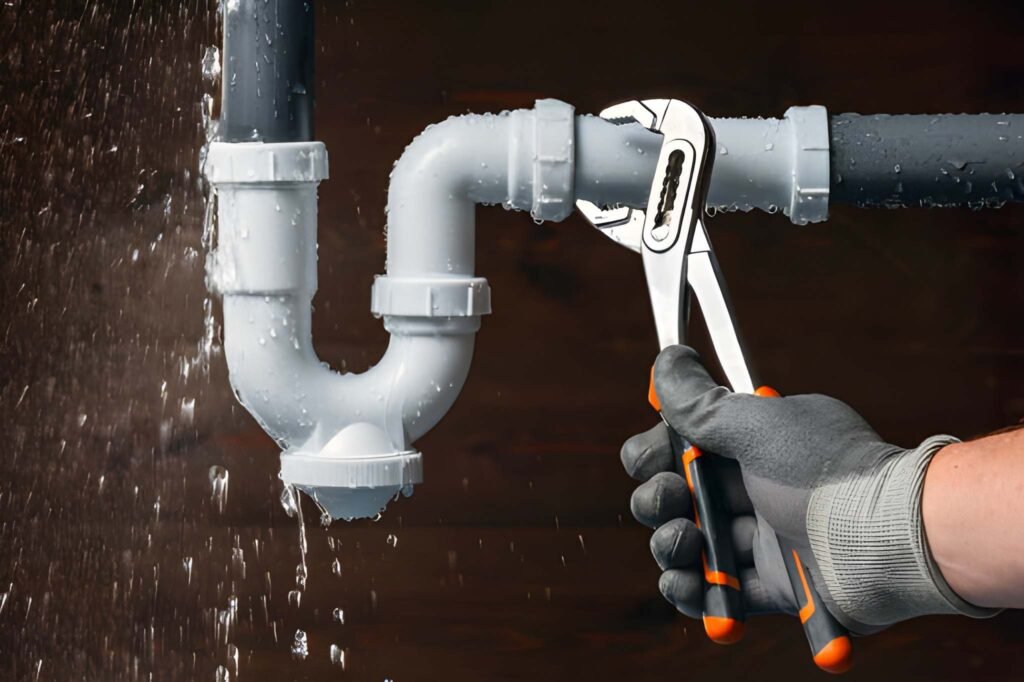
Water damage represents one of the most insidious and destructive threats to a home, capable of compromising structural integrity, creating health hazards, and destroying personal property within hours. The repair process extends far beyond simple drying to address microbial growth, material degradation, and prevention of future incidents. Successful water damage repair requires a methodical approach that prioritizes safety, thorough assessment, and systematic restoration.
Phase 1: Emergency Response and Damage Mitigation
Immediate Safety Actions:
- Shut off main electrical power to affected areas if safe to do so
- Stop the water source (shut off main water valve if from plumbing)
- Document damage extensively with photographs/video for insurance
- Remove standing water using pumps, wet vacuums, or professional extraction equipment
- Begin ventilation with fans and dehumidifiers (unless dealing with contaminated water)
Water Category Classification:
- Category 1 (Clean Water): From sanitary sources like supply lines, sink overflows
- Category 2 (Gray Water): Contains significant contamination (appliance discharge, toilet overflow without feces)
- Category 3 (Black Water): Grossly unsanitary (sewage, flood water, seawater) – requires professional remediation
Phase 2: Assessment and Damage Documentation
Moisture Mapping:
Professional restorers use moisture meters, thermal imaging cameras, and hygrometers to create detailed moisture maps showing the full extent of water migration, often far beyond visible damage.
Structural Assessment:
- Check for swelling, warping, or softening of structural materials
- Inspect foundation for cracks or shifting
- Assess electrical systems for corrosion or damage
- Evaluate HVAC systems for contamination
Insurance Documentation:
- Create detailed inventory of damaged items
- Track all temporary repair costs
- Maintain log of all communications with insurance adjuster
- Keep receipts for all related expenses
Phase 3: Water Damage Repair Process
Water Extraction and Drying:
- Industrial-grade extractors remove standing water
- Strategic placement of air movers creates optimal evaporation
- Dehumidifiers capture atmospheric moisture
- Monitoring continues until moisture levels match dry standards (typically 3-5 days)
Contamination Control:
- Category 1 Water: Basic drying and sanitation
- Category 2/3 Water: Antimicrobial applications, potential removal of contaminated materials
- Sewage Backup: Required disposal of porous materials, thorough disinfecting of structure
Material Restoration vs. Replacement Decisions:
Materials Typically Restorable:
- Structural lumber (if dried quickly and properly)
- Concrete subfloors
- Some hardwoods (with professional refinishing)
- Metal components (after cleaning and treating for corrosion)
Materials Requiring Replacement:
- Drywall/plaster above 24-48 hours of saturation
- Insulation materials
- Particle board/MDF furniture
- Carpets/padding with Category 2/3 exposure
- Vinyl flooring and adhesives
Phase 4: Reconstruction and Repair
Structural Repairs:
- Replace compromised structural members
- Repair or replace subflooring
- Address any foundation issues
- Reinforce repaired areas to match original strength
Surface Restoration:
- Install new drywall, tape, and finish
- Replace insulation and vapor barriers
- Install new flooring substrates
- Rebuild damaged cabinetry and trim
Final Finishes:
- Prime and paint with moisture-resistant products
- Install final flooring materials
- Reinstall trim and fixtures
- Complete final cleaning and air quality testing
Specialized Repair Scenarios
Category 3 Black Water Damage:
- Requires full personal protective equipment (PPE)
- Removal of all porous materials within affected area
- HEPA filtration and negative air pressure containment
- Professional antimicrobial treatment of all surfaces
- Verification cleaning before reconstruction
Chronic Moisture/Mold Damage:
- Identify and correct moisture source
- Implement engineering controls for containment
- Remove mold-colonized materials
- HEPA vacuum and treat all surfaces
- Post-remediation verification testing
Storm/Flood Damage:
- Coordinate with multiple contractors (structural, electrical, plumbing)
- Address exterior envelope breaches
- Manage insurance claims involving multiple coverage types
- Implement flood-resistant reconstruction techniques
Professional Restoration Standards
The Institute of Inspection, Cleaning and Restoration Certification (IICRC) S500 standard provides the industry framework for water damage restoration, emphasizing:
- Rapid response to minimize secondary damage
- Systematic approach to drying
- Documentation for insurance and liability purposes
- Verification of drying completion
Cost Considerations
Factors Influencing Repair Costs:
- Water category and contamination level
- Duration of water exposure
- Materials affected and restoration feasibility
- Geographic location and service availability
- Insurance coverage and deductibles
Typical Cost Ranges:
- Minor localized damage: $1,000 – $4,000
- Single-room restoration: $4,000 – $12,000
- Whole-house major damage: $20,000 – $100,000+
- Category 3 sewage remediation: 30-50% higher than clean water equivalent
Prevention Strategies Post-Repair
Immediate Preventative Measures:
- Install water leak detection systems
- Regular inspection of appliances, plumbing, and roofing
- Maintain proper grading and drainage around foundation
- Install backflow prevention devices
Long-term Protective Upgrades:
- Use water-resistant building materials in vulnerable areas
- Consider flood-proofing measures if in flood-prone areas
- Upgrade plumbing systems in older homes
- Install sump pump with battery backup
Insurance and Financial Considerations
Documentation Requirements:
- Photograph/video evidence of damage and repairs
- Detailed inventory of damaged possessions
- Receipts for temporary repairs and living expenses
- Professional assessments and moisture readings
Claim Process:
- Notify insurer immediately after damage discovery
- Implement only necessary emergency measures
- Cooperate with insurance adjuster’s inspection
- Understand policy limits and coverage specifics
- Consider public adjuster for complex or high-value claims
Health and Safety Protocols
During Remediation:
- Use appropriate PPE (respirators, gloves, protective clothing)
- Implement containment barriers for dust/microbes
- Ensure proper ventilation during drying process
- Follow electrical safety protocols in wet environments
Post-Repair Verification:
- Conduct air quality testing if mold was present
- Verify moisture levels meet dry standards
- Ensure proper operation of all systems
- Obtain necessary inspections and certifications
Conclusion
Water damage repair requires a comprehensive approach that addresses both immediate damage and potential long-term consequences. The most successful outcomes result from rapid response, thorough assessment, professional execution, and implementation of preventative measures. By understanding the full scope of water damage repair, homeowners can make informed decisions, work effectively with insurance providers, and ensure their home is properly restored to a safe, healthy, and durable condition. The true cost of water damage extends beyond immediate repairs to include potential health impacts and decreased property value, making proper remediation not just a repair expense but a crucial investment in the home’s future.