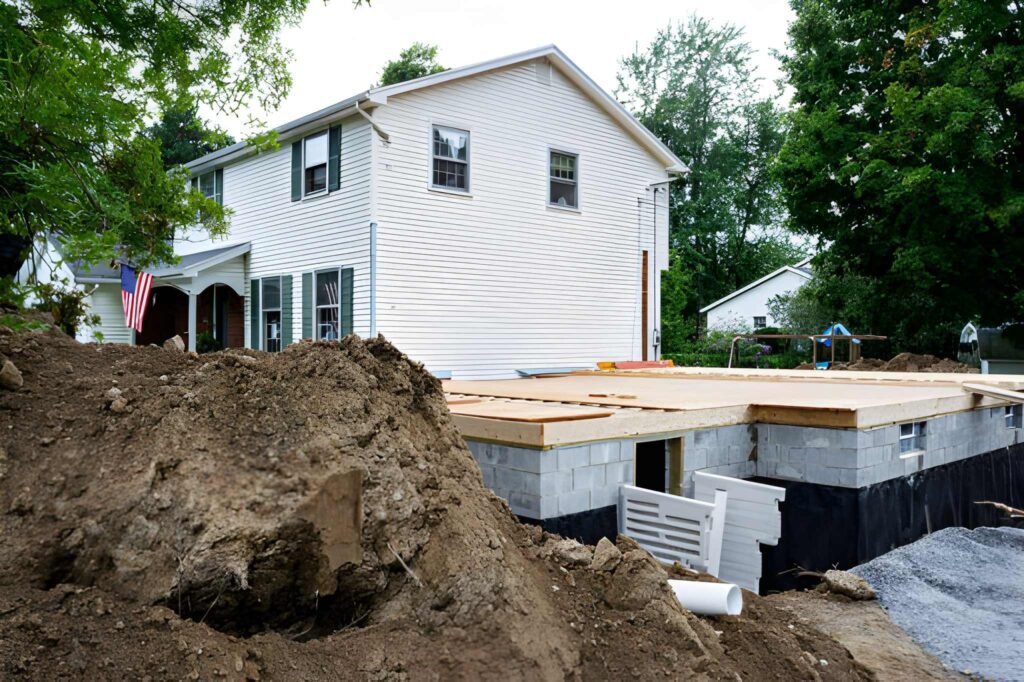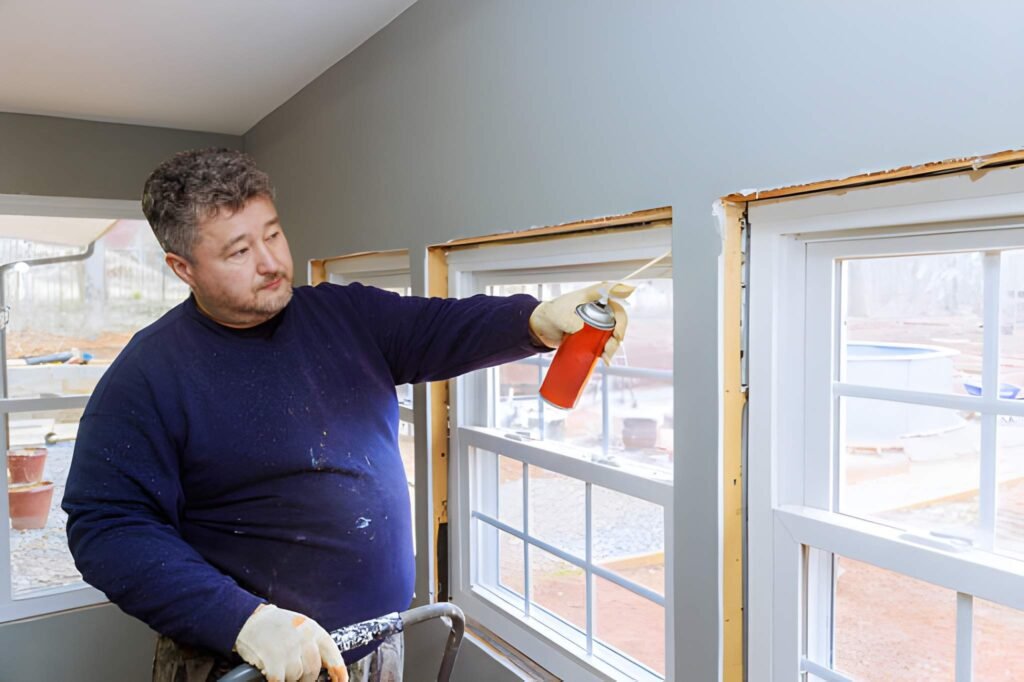

A “repo” or “real estate owned” (REO) property is a home that has been foreclosed upon and now belongs to a bank or lending institution. These properties represent a unique segment of the real estate market, offering the potential for significant value alongside distinct and substantial risks. Navigating the purchase of a repo house requires a strategic, informed approach that balances the allure of a below-market price with the realities of as-is purchasing, potential hidden damage, and a complex acquisition process.
The Foreclosure Pipeline: Where Repo Houses Come From
Understanding the journey a property takes to become an REO is crucial for assessing its condition and potential.
- Pre-Foreclosure (Default): The homeowner has missed several mortgage payments. The bank files a public default notice. At this stage, the homeowner may still sell the property via a short sale.
- Foreclosure Auction: If the default isn’t cured, the property is sold at a public auction, typically on the courthouse steps. These auctions are cash-only and high-risk, as the winning bidder acquires the property subject to any prior liens and without the right to a traditional inspection.
- REO (Real Estate Owned): If the property does not sell at auction, the lender takes ownership. The lender then evicts any remaining occupants, secures the property, and lists it for sale on the open market through a real estate broker. This is the “repo house” available to typical buyers.
The Allure and The Reality: Weighing the Pros and Cons
Potential Advantages:
- Below-Market Pricing: Lenders are motivated to clear non-performing assets from their books and often price REO properties competitively.
- Equity Potential: The primary draw is the opportunity to build instant equity through the discounted purchase price and subsequent renovations.
- Clear Title: Once a property becomes an REO, the bank typically clears all junior liens (e.g., second mortgages, mechanic’s liens) from the title, providing a clean and insurable title to the new buyer.
- Financing Options: Unlike auction properties, REOs can be purchased using conventional, FHA, or VA financing, making them accessible to a wider pool of buyers.
Significant Disadvantages & Risks:
- As-Is Condition: This is the most critical caveat. Banks make no warranties or representations about the property’s condition. There is no seller disclosure, and the property is often not eligible for traditional inspection contingencies.
- Deferred Maintenance and Vandalism: Foreclosed homes are frequently neglected. Former owners, facing financial distress, may have been unable to perform basic upkeep. In some cases, properties are vandalized or intentionally damaged (“stripped” of copper wiring, plumbing, and appliances) either by the former owners or trespassers.
- Utility Disconnections: Banks often shut off water and power to prevent damage from broken pipes or electrical fires. This means a thorough inspection of plumbing, electrical, and HVAC systems may be impossible before purchase.
- Slow and Bureaucratic Process: Banks are large, impersonal entities. Offers, counteroffers, and responses can take days or weeks. The transaction often involves multiple layers of corporate approval.
- No Historical Knowledge: You have no insight into the home’s history, prior repairs, or potential issues like pest infestations or mold.
The Acquisition Process: A Step-by-Step Guide
Purchasing an REO property demands patience and a specific strategy.
1. Financing Pre-Approval:
Before you even look at properties, obtain a strong pre-approval letter from a lender. This is essential for making a credible offer in a competitive REO market.
2. Find a Specialized Real Estate Agent:
Work with an agent who has proven experience with REO transactions. They understand the specific paperwork, bank protocols, and how to navigate the bureaucracy. They often have direct relationships with asset managers at major banks.
3. Locate Properties:
REO properties are listed on the Multiple Listing Service (MLS) and can be found on major real estate websites (Zillow, Realtor.com), often with a disclaimer stating they are “bank-owned” or “REO.” Some banks also maintain their own listing portals.
4. Conduct Extreme Due Diligence:
- Visual Inspection: Assume the worst. Look for signs of water damage, mold, structural cracks, and pest activity. Check the age of the roof and HVAC system.
- Bring a Contractor: If possible, bring a trusted general contractor to your viewing. They can provide a rough, ballpark estimate for necessary repairs.
- Title Search: While the bank clears major liens, your title company will perform a search to ensure the title is marketable.
- Neighborhood Research: A discounted price in a declining neighborhood may not be a good investment.
5. Making the Offer and Negotiating:
- Realistic Offer: Base your offer on the after-repair value (ARV) minus the total cost of repairs, closing costs, and your desired profit margin. Do not get emotionally attached.
- Understand the Addendums: The bank will require you to sign a lengthy addendum to the standard purchase contract. This document is written to protect the bank and will likely waive many of your typical buyer protections. Have a real estate attorney review this.
- No Repairs: Do not expect the bank to agree to any repairs. Your offer is for the property in its present condition.
6. The Inspection Period:
Even in an “as-is” sale, you should insist on an inspection contingency. This gives you a final “out” if the inspection reveals catastrophic, deal-killing issues (e.g., a collapsed foundation, severe black mold). Be prepared to walk away.
7. Closing:
The closing process is similar to a traditional sale but can be slower due to the bank’s internal processes. Be patient and ensure your lender and agent are communicating effectively.
Financial Preparation: Beyond the Purchase Price
The listed price is a fraction of the total investment. A comprehensive budget must include:
| Cost Category | Description | Potential Cost |
|---|---|---|
| Purchase Price | The price paid to the bank. | Varies. |
| Immediate Repairs | Critical systems: roof, HVAC, plumbing, electrical, structural. | $10,000 – $50,000+ |
| Deferred Maintenance | Painting, flooring, landscaping, appliance replacement. | $5,000 – $25,000+ |
| Holding Costs | Property taxes, insurance, utilities during renovation. | $2,000 – $10,000 |
| Closing Costs | Loan origination, title insurance, attorney fees, etc. | 2%-5% of loan value |
| Contingency Fund | For unforeseen problems discovered during renovation. | 15-20% of repair budget |
Financing Options:
- Conventional Mortgage: Possible if the home is in habitable condition (has working utilities and is structurally sound).
- FHA 203(k) Loan or Homestyle Renovation Loan: These are ideal for REO properties as they roll the purchase price and renovation costs into a single mortgage. The property must still meet certain basic FHA standards.
- Cash: Provides the strongest negotiating position and is often necessary for properties in very poor condition.
- Hard Money Loan: A short-term, high-interest loan used by investors to acquire and rehab properties quickly, with the plan to refinance into a long-term mortgage.
Purchasing a repo house is a calculated gamble that can yield substantial rewards for the well-prepared and risk-tolerant buyer. It is fundamentally a value-add investment strategy. Success is not defined by the purchase price alone, but by the total cost of acquisition and renovation relative to the property’s final market value. This path demands a disciplined, unemotional approach, a robust financial cushion for unexpected repairs, and a team of experienced professionals, including a savvy real estate agent, a thorough home inspector, and a reliable contractor. For the right investor or homeowner, a repo house can be a gateway to building wealth, but it is a path paved with potential pitfalls that must be navigated with eyes wide open.