HVAC and Engine Efficiency: Air Filter Housing Repair and Sealing Strategy
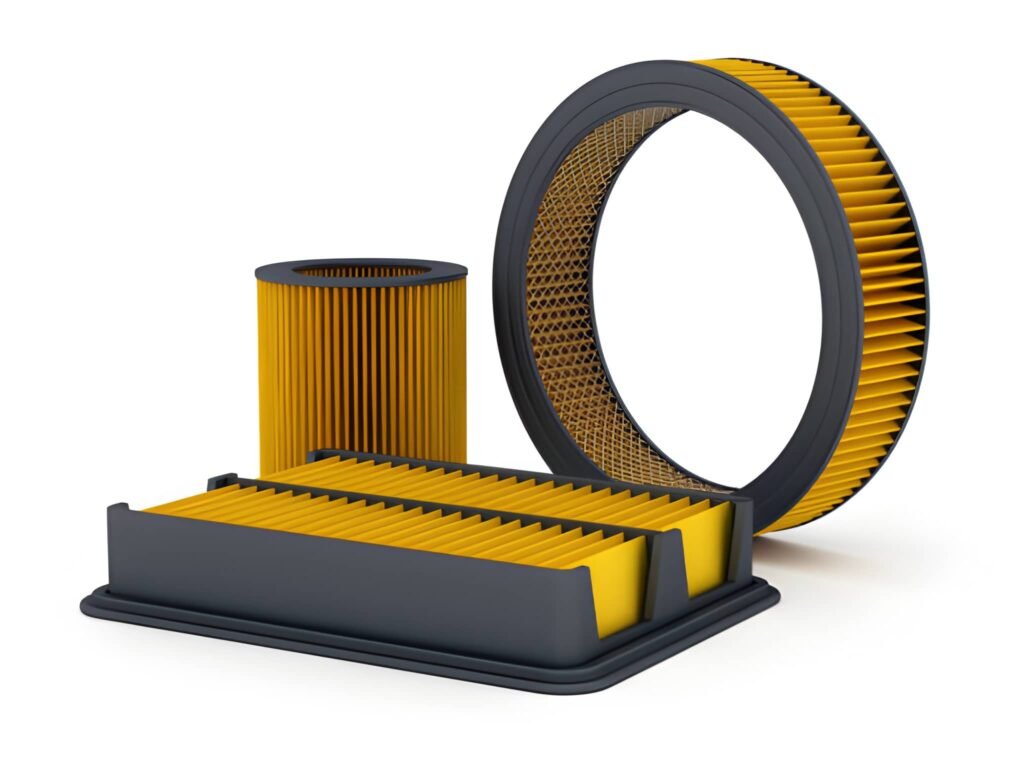
A damaged air filter housing is a critical breach in any sealed system, whether it is an HVAC unit protecting indoor air quality (IAQ) or an engine intake protecting internal components. Housing damage, often manifesting as cracked plastic, failed gaskets, or loose clamps, leads to **bypassing**, where unfiltered air enters the clean side of the system. This directly results in high energy consumption (HVAC), premature equipment wear (engine), and depressed property value (due to poor IAQ or damaged appliances).
The repair strategy depends entirely on the material and the location of the failure (seam, clamp, or main body). For homeowners, understanding this distinction prevents unnecessary replacement and focuses effort on sealing the breach to restore system integrity.
Phase 1: System Identification and Failure Diagnosis
Select the system and the type of housing failure to receive a targeted repair method. The materials and urgency differ significantly between home systems and machinery.
1. Affected System Type
Residential HVAC / Furnace
Focus: Indoor Air Quality (IAQ) and Energy Efficiency.
Engine/Equipment Intake (Auto, Generator)
Focus: Component Protection and Performance.
2. Type of Housing Failure
Failed Seal or Gasket (Seam Breach)
Housing itself is intact, but the filter is not sitting flush; common failure point.
Structural Crack (Plastic/Metal)
The main body of the housing is cracked or has a fractured mounting point.
Broken Clamp or Latch
Physical fastener failure prevents the housing from closing tightly.
Phase 2: Repair Verdict and Material Selection
Select Options Above
Your selection will generate the optimal repair material and technique for sealing the breach and restoring system integrity.
Phase 3: Detailed Sealing and Structural Repair
Effective repair often uses specialized adhesives, sealants, or reinforcement methods depending on the housing material (plastic, sheet metal, or composite). The primary goal is achieving a permanent, airtight seal against the filter media to prevent bypass airflow.
Strategy 1: Gasket and Seam Integrity
If the housing body is sound but the filter is leaking around the edges, the problem is inadequate sealing pressure or a degraded gasket.
- Sealant Application (HVAC): Apply a thin bead of non-toxic, moisture-resistant HVAC sealant (mastic or duct sealant) to the housing flange where the filter seats. Allow the sealant to cure slightly before installing the new filter.
- Foam Gasket Addition: Cut thin strips of closed-cell foam insulation (weatherstripping) and place them along the sealing surface. This compression layer compensates for slightly warped plastic or minor imperfections in the frame.
- Clamp Tension: Ensure all existing clamps or screws are tightened evenly and securely across the housing perimeter to maximize compression on the filter media.
Strategy 2: Structural Repair for Cracks
Cracked plastic or fractured composite housing components demand a more aggressive approach using chemical reinforcement to prevent total system failure.
- Plastic Welding/Epoxy (Engine): For rigid plastic airboxes (common in automotive applications), use a specialized two-part plastic epoxy or a plastic welding kit. Reinforce the crack from the exterior using mesh or fiberglass cloth embedded in the epoxy for strength.
- Sheet Metal Patch (HVAC): For sheet metal housing (common in older furnaces), clean the area thoroughly, drill small stress-relief holes at the ends of the crack, and secure a metal patch (using rivets or self-tapping screws) over the crack, sealed with silicone caulking or mastic.
- Broken Latch Fix: If a plastic latch has snapped, the most durable fix is often replacement with a metal toggle clamp secured by small bolts, providing superior long-term compression.
Phase 4: Efficiency, Liability, and Value
A leaking air filter housing introduces liabilities that extend beyond simple performance loss. It impacts the longevity of high-value mechanical assets and the health profile of the property itself.
HVAC: Indoor Air Quality and Energy Loss
In residential HVAC systems, filter bypass introduces particulate matter, allergens, and dust into the clean air stream. This directly deposits contaminants on the evaporator coil, drastically reducing the system's heat transfer efficiency (SEER/AFUE ratings). A dirty coil can increase energy consumption by 15% to 25%. Furthermore, unfiltered air circulating through the home damages IAQ, which is increasingly scrutinized by potential buyers and can be a non-negotiable inspection issue. Sealing the housing restores the system's intended filtration capacity, protecting both efficiency and respiratory health.
Engine Systems: Premature Wear and Component Failure
For high-value equipment like residential generators, farm tractors, or vehicles, an unsealed air filter housing allows abrasive dust and grit directly into the combustion chamber. This causes accelerated wear on piston rings, cylinder walls, and valve guides, leading to reduced compression, excessive oil consumption, and eventual engine failure. The cost of an engine component failure dwarfs the cost of housing repair. The repair here is an act of **capital asset protection**, safeguarding the multi-thousand dollar engine component from immediate, avoidable wear.
Real Estate and Documentation
When selling a property, transparent documentation of major HVAC repairs, especially those related to system efficiency and IAQ, is a benefit. A well-maintained air handling unit, confirmed to be operating at peak filtration capacity, adds confidence to the buyer's inspection. Conversely, visible damage to the furnace housing (or a history of recurring filter bypass issues) raises flags about the overall maintenance practices of the home and can lead to demands for escrow holdbacks or price reductions to cover potential coil cleaning or replacement costs. Regular inspection of the filter housing should be integrated into every seasonal maintenance check.
Repairing the air filter housing is a high-ROI maintenance task. By selecting the correct material and focusing on airtight sealing, homeowners protect expensive internal components, reduce energy waste, and maintain the integrity of their mechanical systems.