
Maximizing Your Investment: The After Repair Value (ARV) Guide for Homeowners
The After Repair Value, or ARV, stands as the most foundational calculation for anyone considering a major home renovation, flip, or large-scale repair project. ARV is defined as the estimated market value of a property once all planned repairs, upgrades, and improvements have been completed. This metric is not based on the cost of the labor and materials; rather, it is based purely on what a comparable, fully renovated property recently sold for in the immediate market. For investors, calculating an accurate ARV prevents overspending; for homeowners, it determines the maximum justified budget for a remodel.
The Appraiser's Method: Finding Accurate Comparables
The primary error novices make is calculating ARV by simply adding repair costs to their home's purchase price. True ARV is determined by a method known as Comparative Market Analysis (CMA), identical to the process used by professional appraisers. This process involves locating recent sales data—ideally within the last six months—of homes that meet specific criteria:
Criteria for Selecting Comparable Sales (Comps):
- Proximity: Comps should be within a one-mile radius, ideally closer, and within the same subdivision or school district. Market values can shift dramatically across neighborhood boundaries.
- Condition and Features: The comps must already be in the target condition (fully renovated). They must match the subject property in key features, such as number of bedrooms, bathrooms, square footage (within 10-15%), and garage size.
- Date of Sale: Sales older than six months are less reliable. Use the most recent transactions to accurately reflect current market conditions.
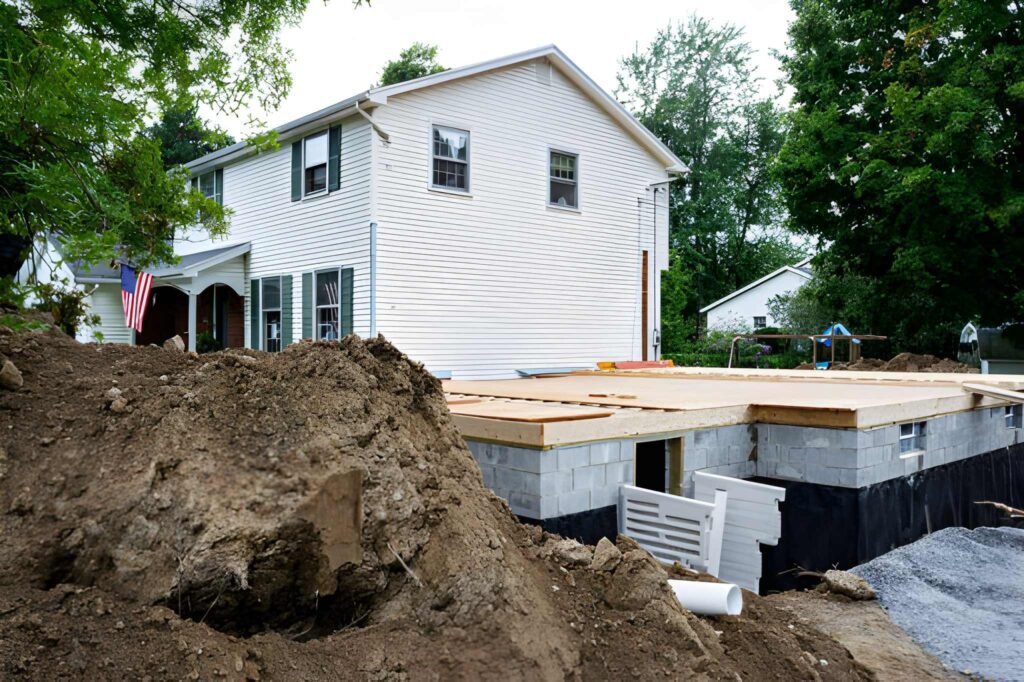
- Structural Similarity: Compare slab-on-grade homes to slabs, and pier-and-beam homes to pier-and-beam. Converting foundation types is rarely feasible, and appraisers rely on similar construction styles.
Once several strong comps are identified, adjustments are made for minor differences (e.g., subtracting $5,000 for a missing deck or adding $3,000 for a slightly larger lot). The final, adjusted average sales price of these comps forms the most accurate basis for the home’s ARV.
Differentiating Repair Types: Preservation vs. Addition
When budgeting for a renovation, not all repairs contribute equally to the final ARV. Expenditures must be categorized based on their function in the valuation process.
| Repair Category | Impact on ARV | Justification | Example Project |
|---|---|---|---|
| Value Preservation (Essential) | Prevents devaluation; required for lending. | Necessary fixes to meet minimum safety and structural requirements. These must be done first. | Foundation stabilization, full roof replacement, major electrical panel upgrade, major termite remediation. |
| Value Addition (ROI-Focused) | Increases ARV by meeting/exceeding buyer expectations. | Cosmetic and functional upgrades that appraisers and buyers recognize as luxury or modern features. | Kitchen remodel (cabinets, countertops), bathroom renovation, adding a laundry room. |
| Personal Preference (Low ROI) | Minimal or negative ARV impact. | Highly customized finishes or landscaping that appeal only to specific tastes. | Extremely specialized paint colors, overly elaborate light fixtures, or custom built-ins. |
A property cannot achieve its maximum ARV if essential preservation repairs are deferred. An appraiser will apply significant deductions if structural elements, like the foundation or a failing HVAC system, are unstable, regardless of how new the kitchen is.
ARV Considerations for Manufactured Housing
The ARV calculation for manufactured homes requires special attention to permanence and compliance, especially when dealing with structural repairs.
- FHA Compliance (Permanent Foundation): To qualify for FHA financing—a key component of resale value—the manufactured home must be permanently affixed to the land with a compliant, engineer-certified foundation. Structural repairs that upgrade the foundation to meet FHA standards significantly increase the ARV by expanding the pool of potential buyers and lenders.
- Accredited Repair: As discussed in our previous guide, any structural work (re-leveling, pier replacement, belly wrap repair) must be done by HUD-licensed technicians. The appraiser will scrutinize documentation proving accredited repair, which validates the home’s long-term compliance and stability. Non-compliant repairs severely limit the ARV.
- Removal of Mobility: The highest ARV is achieved when the manufactured home is permanently treated as real property, often requiring the surrender of the original title and permanent attachment to a certified foundation system.
Interactive ARV Projection Tool
Use this tool to project your final ARV based on your current valuation and planned scope of work. Remember, the "Value Added by Renovations" must be supported by local comparable sales, not simply the dollar amount you spent.
Projected After Repair Value (ARV)
Risk Mitigation and The 70% Rule
For investors, risk is often calculated using the 70% Rule. This rule suggests that an investor should pay no more than 70% of the ARV of a property, minus the cost of repairs. This margin is essential to cover unforeseen expenses, holding costs (utilities, taxes), agent fees, and the profit margin.
For a standard homeowner or small-scale renovator, the rule serves as a strict warning: never assume a 1:1 return on investment (ROI). Major remodels like kitchens and bathrooms typically return 60%–80% of their cost in added value, while necessary structural repairs return 100% simply by making the home financeable.
Key Mitigation Strategies:
- Contingency Budget: Always allocate 15%–20% of the total repair budget for unforeseen issues, especially when dealing with older homes where hidden damage (e.g., mold, outdated wiring) is probable.
- Pre-Approval: Before undertaking a major renovation, obtain a pre-approved construction or rehabilitation loan based on the expected ARV. This ensures your project stays within verifiable financial parameters.
- Appraiser Consultation: Consult with an appraiser or experienced real estate agent before starting the most expensive projects (kitchens, additions) to ensure your planned upgrades align with what the local market buyers are actually paying for.
Mastering the ARV calculation shifts renovation from speculative spending to strategic investment. By grounding your projected value in verified comparable sales and differentiating between essential preservation costs and optional value-added upgrades, you maximize the efficiency of every dollar spent on your home.