The Blueprint for Efficiency, Comfort, and Health
🌬️ Air House Repair: Sealing, Ventilation, and Maximizing Indoor Air Quality
1. Air Sealing: Stopping the Energy Drain
Air sealing is the foundational step in energy repair. In a typical US home, uncontrolled air leakage through gaps and cracks accounts for 25 to 40 percent of total heating and cooling energy loss. This invisible structural defect drives up utility bills and creates major inconsistencies in indoor comfort. Repairing these breaches stabilizes the home's thermal envelope.
Identifying Major Leakage Points
The greatest leakage often occurs where different materials meet, or where mechanical systems penetrate the structure (the "swiss cheese" effect).
The Attic and Ceiling Plane
Focus: Penetrations through the ceiling, especially recessed lighting fixtures, plumbing stacks, electrical wiring runs, and the attic hatch. Leaks here bypass insulation entirely, causing rapid heat loss in winter and heat gain in summer.
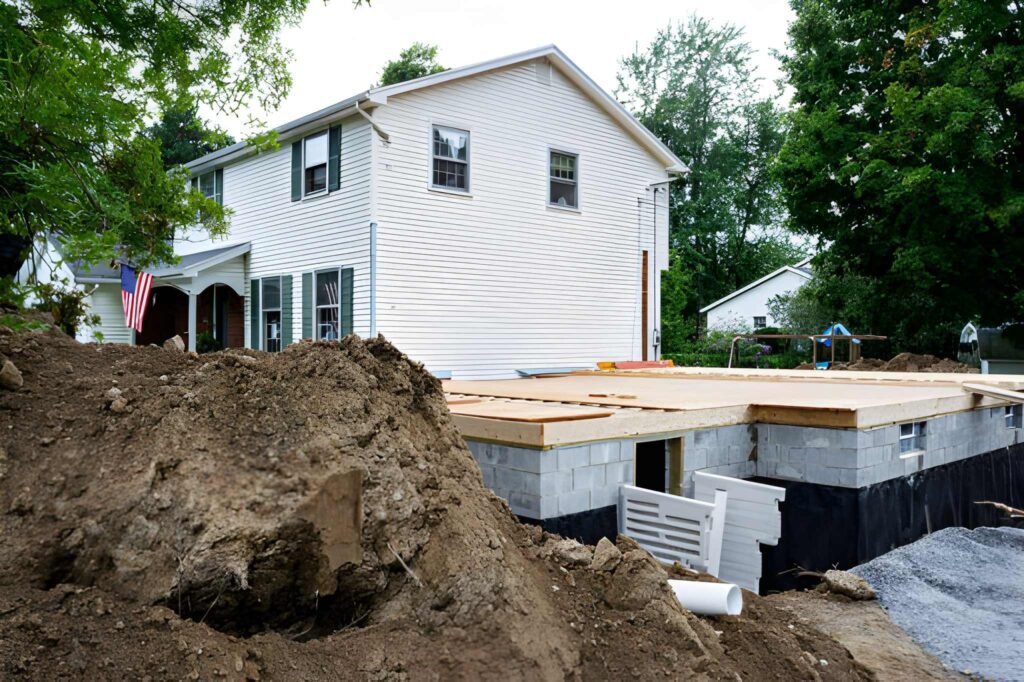
The Foundation and Rim Joist
Focus: The perimeter band where the house framing meets the foundation (the rim joist). This area is highly prone to gaps that pull outside air into the basement or crawl space. Sealing this area with foam insulation stabilizes humidity and temperature in the lower levels.
Windows, Doors, and Outlets
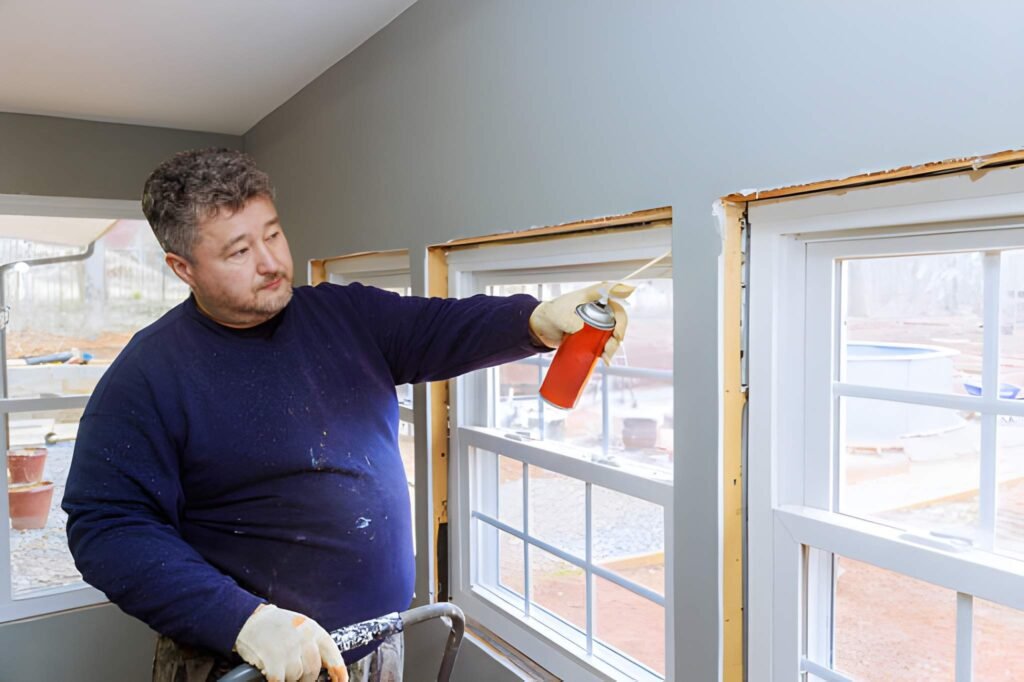
Focus: Worn weather stripping around doors and windows. Also, the small gaps around electrical outlets and switch plates on exterior walls. Simple measures, like applying electrical outlet foam gaskets and replacing old weather stripping, yield high immediate returns.
Calculating the Value of Sealing
The concept of air leakage is often simplified into an equivalent hole size. Energy auditors often estimate that all the small cracks and gaps in an average home add up to an open window being left 24 hours a day. Sealing these holes reduces the amount of expensive conditioned air lost, creating significant savings over the lifespan of the home.
Energy Savings Comparison Example
Consider a homeowner spending $2,500 annually on heating and cooling. If air leakage accounts for 30 percent of this expense:
Annual Loss = $2,500 × 0.30 = $750
A professional air sealing job costing $1,500 could potentially save 60 percent of that loss:
Annual Savings = $750 × 0.60 = $450
In this typical scenario, the sealing repair pays for itself in approximately 3.3 years (1,500 ÷ 450). This guaranteed, short payback period is a strong selling point for energy-conscious buyers.
2. Ventilation: Managing Moisture and Health
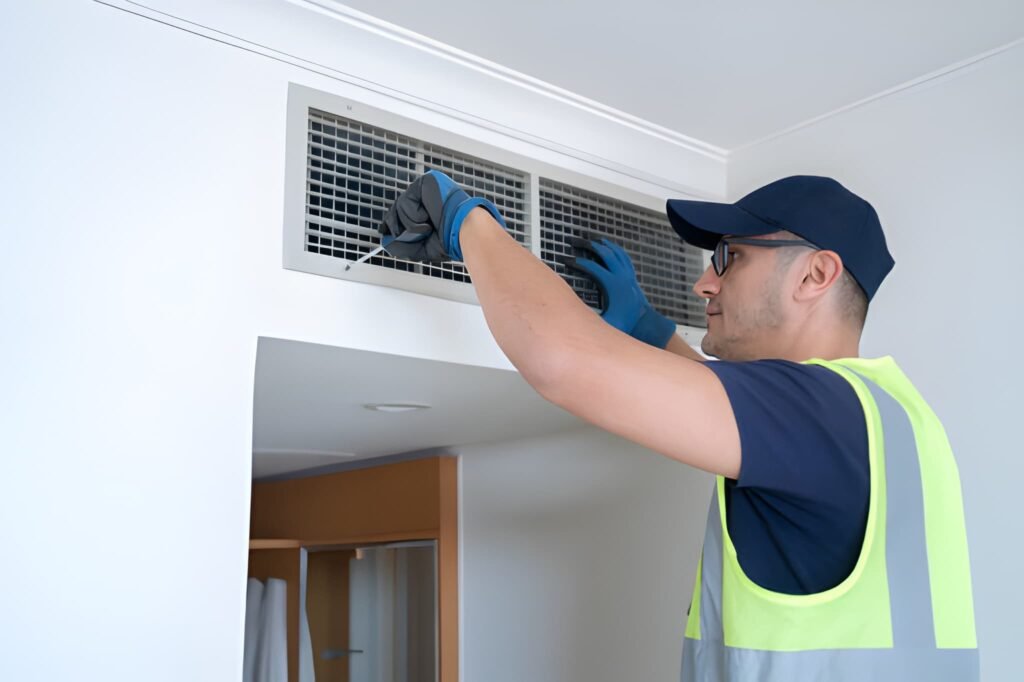
While air sealing is crucial for stopping energy loss, it can inadvertently trap moisture and pollutants inside the home. Modern "tight" homes require controlled, mechanical ventilation to manage humidity, prevent mold, and remove stale air.
Preventing Moisture and Structural Damage
High humidity leads directly to mold growth, wood rot, and deterioration of finishes. Air repair often requires ensuring that existing exhaust systems function properly:
- Bathroom and Kitchen Vents: Ensure exhaust fans vent to the outside and not into the attic space. Vents exhausting into the attic are a severe defect that causes mold and compromises roof decking, leading to major structural and health issues.
- Crawl Space/Basement: Use dehumidifiers or install a vapor barrier and mechanical ventilation (or encapsulation) to prevent moisture from rising into the living space and damaging floor joists.
- Attic Ventilation: Balanced intake (soffit vents) and exhaust (ridge/gable vents) prevent heat and moisture buildup, which extends the life of the roof shingles and framing.
The Role of Energy Recovery Ventilators (ERVs)
In highly sealed homes, an ERV or HRV (Heat Recovery Ventilator) is the ideal air repair solution. These units constantly exchange indoor air with fresh outdoor air while recovering 70 to 90 percent of the heat energy, providing necessary ventilation without compromising energy efficiency. This feature significantly enhances home value in competitive markets.
3. Indoor Air Quality (IAQ) and Filtration
Indoor air quality is a growing concern for homeowners and a major factor in health and comfort. Repairing air quality involves minimizing pollutants and upgrading HVAC filtration.
Controlling Common Residential Pollutants
- Volatile Organic Compounds (VOCs): Often emitted from new carpets, paints, and adhesives. Use low-VOC or zero-VOC products during renovations.
- Combustion Byproducts: Carbon monoxide (CO) and nitrogen oxides from gas furnaces or stoves. Ensure CO detectors are installed and regularly tested, and gas appliances are properly vented.
- Radon: A naturally occurring radioactive gas found in soil that enters through foundation cracks. Radon mitigation systems (sub-slab depressurization) are a specialized but crucial repair in high-risk zones.
Filtration Standards and MERV Ratings
The filter in your HVAC system is the primary defense against airborne particles. Repairing your filter system involves selecting the correct Minimum Efficiency Reporting Value (MERV) rating.
| MERV Rating | Filtration Efficacy | Application |
|---|---|---|
| MERV 5 – 8 | Filters lint, dust mites, pollen. | Standard residential systems. |
| MERV 9 – 12 | Filters mold spores, auto emissions, legionella. | Superior residential and light commercial. |
| MERV 13+ | Filters tobacco smoke, bacteria, viruses. | Hospital and health-sensitive homes. |
**Note:** Always consult an HVAC professional before upgrading filtration above MERV 11. Thicker, high-MERV filters can restrict airflow, damaging older or improperly sized HVAC blower motors.
4. Real Estate Impact: Appraisals and Sales
The success of air house repair is measured during the home sale. These repairs transform hidden liabilities into documented assets, protecting the sales price.
Mitigating Inspection Risk
Mold, excessive moisture, and improper ventilation (like a bath fan venting into the attic) are automatic red flags for home inspectors. Addressing these defects preemptively converts a likely negotiation discount into a certified, healthy living environment that reassures the buyer. Documented air sealing reduces drafts, eliminates humidity issues, and often reduces the buyer's projected utility costs, providing a tangible marketing benefit.
The Appraiser's View on Energy Systems
Appraisers recognize energy efficiency improvements through the cost approach and comparable sales. A home with certified, low-air leakage, and a high-efficiency HVAC system will hold its value better and often appraise higher than a leaky, drafty comparable property. Certification of radon mitigation is mandatory for full value retention in high-radon areas.