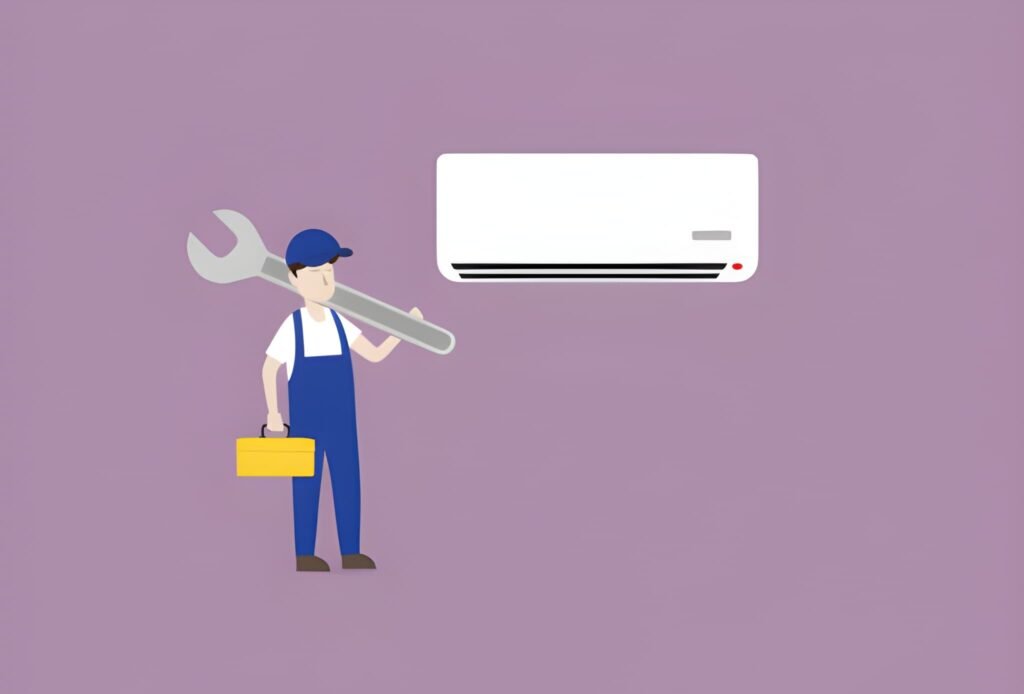
House air conditioner repair encompasses a wide range of potential issues, from simple fixes a homeowner can perform to complex mechanical failures requiring professional expertise. A systematic approach to diagnosis not only saves time and money but also prevents minor problems from escalating into catastrophic system failures. Understanding the basic components, their failure symptoms, and the appropriate response is key to maintaining a cool and comfortable home.
The Diagnostic Framework: Symptoms and Likely Causes
Before calling a professional, a preliminary diagnosis can help you understand the problem and communicate effectively with a technician.
1. The AC Unit Won’t Turn On
- Check the Obvious First: Is the thermostat set to “Cool” and at a temperature below the room temperature? Are the batteries in the programmable thermostat dead?
- Electrical Issues:
- Tripped Circuit Breaker: Check the electrical panel for a tripped breaker for both the indoor air handler and the outdoor condenser unit. If it trips again immediately after resetting, there is a electrical short—call a professional.
- Blown Fuse: A blown fuse in the disconnect box near the outdoor unit will prevent power from reaching the condenser.
- Failed Contactor: This is the electromechanical switch in the outdoor unit that turns the compressor and fan on. It can wear out over time, preventing the unit from starting.
2. The AC is Running but Not Cooling (Warm Air is Blowing)
This indicates the system is moving air, but the refrigeration cycle is failing.
- Dirty Air Filter: A severely clogged filter restricts airflow over the indoor evaporator coil, causing it to freeze into a solid block of ice. This completely halts cooling.
- Refrigerant Leak: Refrigerant is the lifeblood of the system. A leak causes low pressure, preventing the coil from absorbing heat. This is a job for a licensed professional due to EPA regulations.
- Dirty Condenser Coils: The outdoor unit’s coils release heat. If clogged with dirt, pollen, and grass clippings, they cannot dissipate heat, causing pressure to build and the system to shut down or cool poorly.
- Failed Capacitor: The capacitor provides the jolt of electricity to start the compressor and fan motors. A weak or failed capacitor can prevent one or both from starting, halting the cooling process. A humming sound from the outdoor unit often indicates a bad capacitor.
3. The AC Turns On and Off Frequently (Short Cycling)
This is hard on the compressor and drastically reduces efficiency.
- Dirty Air Filter or Coils: Restricted airflow causes the system to overheat and shut down prematurely.
- Frozen Evaporator Coil: Caused by low airflow or low refrigerant.
- Overcharged or Undercharged Refrigerant: Incorrect refrigerant levels disrupt the pressure balance.
- Oversized Unit: An AC unit that is too large for the home will cool the space too quickly and shut off before completing a proper cycle, failing to dehumidify properly.
4. Weak Airflow from Vents
- Closed or Blocked Vents: Ensure all supply and return vents are open and unobstructed by furniture or drapes.
- Dirty Air Filter: The most common cause.
- Failing Blower Motor: The motor that circulates air through the ducts may be wearing out.
- Dirty Evaporator Coil: Can restrict airflow.
- Leaky or Poorly Designed Ductwork: This is a more systemic issue where conditioned air is lost in attics or crawl spaces before reaching the living areas.
Common Repairs and Their Realistic Costs
The following table outlines typical repairs and their associated costs, including parts and professional labor.
| Repair | Typical Cost Range (Parts & Labor) | Description & Notes |
|---|---|---|
| Capacitor Replacement | $150 – $400 | A very common repair. The capacitor is a cylindrical component that helps motors start. |
| Contactor Replacement | $150 – $350 | This relay turns the compressor on and off. Contacts can pit and weld shut over time. |
| Thermostat Replacement | $150 – $500 | A new programmable or smart thermostat can resolve communication issues with the system. |
| Refrigerant Recharge (if no leak) | $200 – $400 | The system must be checked for leaks first. Simply adding refrigerant without fixing a leak is a temporary and illegal fix. |
| Repair Refrigerant Leak & Recharge | $500 – $2,000+ | Cost depends heavily on the location and accessibility of the leak. Finding the leak is the most labor-intensive part. |
| Evaporator or Condenser Coil Cleaning | $100 – $400 | Essential maintenance that can restore efficiency and prevent breakdowns. |
| Blower Motor Replacement | $450 – $800 | The indoor fan motor is a critical component for airflow. |
| Compressor Replacement | $1,500 – $2,800+ | The compressor is the heart of the AC system. This is a major repair; if the unit is old, a full system replacement is often more cost-effective. |
| Full System Replacement | $5,000 – $12,000+ | For systems over 10-15 years old with a major failure (like a compressor), replacement is often wiser than repair due to gains in efficiency and reliability. |
The Homeowner’s Role: Maintenance and Troubleshooting
Proactive maintenance can prevent up to 80% of all repair calls.
- Monthly: Check and replace the air filter. This is the single most important maintenance task.
- Seasonally:
- Visually inspect the outdoor condenser unit. Keep it clear of vegetation and debris by at least 2 feet.
- Gently rinse the condenser coils with a garden hose (power off at the breaker) to remove surface dirt.
- Ensure the condensate drain line is clear by pouring a cup of vinegar through the access point near the indoor unit.
- Annually: Schedule a professional tune-up. A technician will clean coils, check refrigerant levels, measure voltages, and ensure the system is operating at peak efficiency.
When to Call a Professional
While replacing a filter or cleaning coils is DIY-friendly, call a licensed, insured, and NATE-certified HVAC technician for:
- Any issue involving electrical components (besides a tripped breaker).
- Any suspicion of a refrigerant leak.
- A frozen evaporator coil.
- Any strange noises (grinding, screaming, loud banging).
- The system is completely non-functional.
House air conditioner repair is a blend of simple homeowner maintenance and complex professional mechanical work. A methodical approach—starting with the simplest and most common causes like the thermostat and air filter—can often resolve the issue without a service call. For more complex problems, understanding the symptoms and potential costs empowers you to be an informed consumer, ensuring you partner with a qualified technician to execute a repair that restores reliable, efficient cooling to your home for the long term.