The eaves of a house—the portion of the roof that extends beyond the exterior walls—serve as a critical architectural element that protects the structure from water damage, provides ventilation for the attic, and adds aesthetic character to the home. Eaves repair encompasses addressing issues with the soffit (the underside), the fascia (the vertical board facing), and the underlying rafters. Neglecting eaves maintenance can lead to catastrophic and costly problems, including rot, mold, pest infestation, and structural damage to the roof and walls. A systematic approach to inspection, diagnosis, and repair is essential for maintaining the home’s integrity.
Anatomy of the Eaves and Common Failure Points
Understanding the components is the first step in accurate diagnosis:
- Soffit: The horizontal underside of the eaves. It often contains ventilation holes to allow air to flow into the attic.
- Fascia: The vertical trim board attached to the ends of the rafters. Its primary function is to support the bottom row of roof tiles or shingles and to carry the gutters.
- Rafter Ends: The structural roof members that the soffit and fascia are attached to. These are the most critical structural elements.
- Gutters and Downspouts: While not part of the eaves themselves, they are directly attached to the fascia and are integral to the system’s function.
Common Problems and Their Causes:
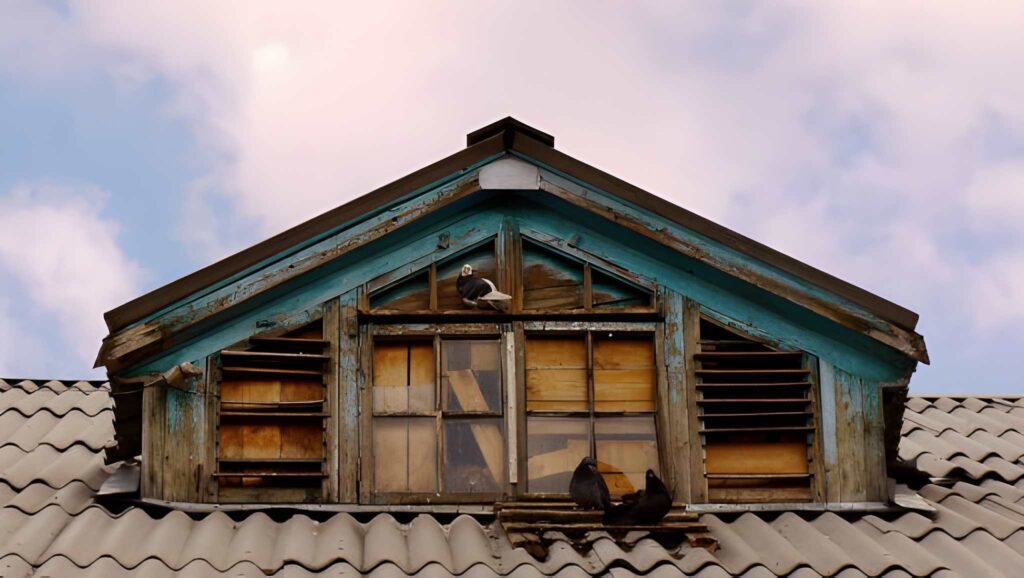
- Rot and Decay: The most prevalent issue. Caused by chronic moisture from clogged gutters, missing or damaged paint, or insufficient ventilation leading to condensation.
- Pest Infestation: Rotting or gaps in the wood provide easy access for insects (like carpenter ants and termites) and nesting sites for birds, squirrels, and rodents.
- Peeling or Blistering Paint: A symptom of underlying moisture problems, either from the outside (failing gutters) or the inside (moist attic air condensing on cold wood).
- Sagging or Detached Soffit/Panels: Can be caused by rot in the nailer board, impact damage, or failure of the fasteners.
- Fascia Board Pulling Away from Rafters: A serious sign of advanced rot in the fascia or, more critically, the rafter ends themselves.
Diagnostic Inspection: A Step-by-Step Assessment
Safety is paramount. Use a sturdy ladder on level ground and have a spotter if possible.
- Visual Inspection from the Ground: Look for obvious sagging, peeling paint, and stains on the soffit.
- Gutter Examination: Check if gutters are pulling away from the fascia, a clear sign of fastener failure or rotten wood behind them.
- Close-Up Inspection:
- Probe the Wood: Use a screwdriver or awl to gently poke the soffit, fascia, and any visible rafter ends. Soft, spongy wood that the tool sinks into indicates rot.
- Check for Pest Activity: Look for entry holes, sawdust-like frass (from insects), or nesting materials.
- Assess Ventilation: Ensure soffit vents are not blocked by insulation, dirt, or paint.
- Look for Water Stains: Discoloration can help trace the source of a leak.
Repair Methodologies: From Patching to Full Replacement
The appropriate repair depends on the extent of the damage.
1. Cosmetic Repairs (Minor Damage)
- Problem: Peeling paint, minor cracks, or small holes.
- Solution:
- Scrape away all loose paint and sand the area smooth.
- For small holes or cracks, fill with a paintable, exterior-grade epoxy wood filler or caulk.
- Prime with an oil-based or high-quality acrylic primer and repaint with exterior paint.
2. Localized Wood Repair (Moderate Rot)
- Problem: Rotted sections of fascia or soffit, but the structure is sound.
- Solution: The “Dutchman” Repair.
- For Fascia: Use a multi-tool or saw to cut out the rotted section in a rectangular shape. Cut a matching piece of new, primed wood (typically cedar or pressure-treated pine) to fit. Secure it with exterior-grade wood glue and galvanized or stainless-steel screws. Caulk the seams, prime, and paint.
- For Soffit: Remove the damaged panel. If it’s a wooden soffit, replace the section. If it’s vinyl or aluminum, a new panel can often be snapped into place after trimming the damaged part out.
3. Structural Rafter End Repair (Severe Damage)
- Problem: Rot has extended into the ends of the structural roof rafters.
- Solution: “Sistering” a New Rafter Tail.
- This is an advanced repair that may require a building permit.
- Temporarily support the gutter and roof edge with braces.
- Carefully remove the fascia and any rotted soffit to expose the rafter ends.
- Using a reciprocating saw, cut away the rotted portion of the rafter.
- Cut a new “sister” piece of lumber (same dimensions as the rafter) to span from the solid, good wood of the rafter back to the desired length of the eave.
- Attach the new sister piece to the old rafter using construction adhesive and structural screws or bolts.
- Re-attach the fascia board to the new, solid sistered rafter ends.
4. Full Eaves Replacement (Widespread Failure)
- Problem: Extensive rot throughout the soffit, fascia, and rafter ends; or a desire to upgrade to modern, low-maintenance materials.
- Solution:
- This involves a complete tear-off of the old materials.
- Material Choices:
- Vinyl or Aluminum: The most popular modern choice. Durable, low-maintenance, insect-resistant, and available in vented panels for the soffit.
- Engineered Wood (e.g., LP SmartSide): More rot-resistant than traditional wood and comes with a long-term warranty.
- Cellular PVC: The premium, rot-proof option. Can be painted and is ideal for replicating historic wood profiles.
The Critical Role of Ventilation and Gutters
No eaves repair is complete without addressing the root cause.
- Ventilation: A balanced attic ventilation system (intake at the soffit, exhaust at the ridge) is essential. Blocked soffit vents cause heat and moisture to build up, leading to condensation and rot on the very wood you’re repairing. Ensure vents are clear and consider adding more if needed.
- Gutters: Properly functioning gutters are non-negotiable. They must be clean, securely fastened, and pitched correctly to direct water away from the eaves and foundation. Install gutter guards to minimize maintenance.
Cost and Professional Involvement
- DIY Repairs: Cost is limited to materials ($50 – $500 for wood, paint, and fasteners). This is feasible for cosmetic and localized repairs if you have the necessary skills and tools (ladder, multi-tool, saw).
- Professional Repairs: For sistering rafters or full replacement, hiring a licensed and insured carpenter or siding contractor is essential.
- Fascia/Soffit Repair: $1,000 – $3,000
- Full Eaves Replacement (on a medium-sized home): $4,000 – $10,000+, highly dependent on materials and linear footage.
House eaves repair is a critical component of home maintenance that protects the entire structure. A proactive approach—involving regular cleaning, inspection, and prompt attention to minor issues—can prevent the need for extensive and expensive structural repairs. Whether tackling a simple patch or managing a full replacement, the principles remain the same: eliminate the source of moisture, repair or replace damaged materials with durable alternatives, and ensure adequate ventilation for long-term health of the structure. By maintaining the eaves, you are investing in the longevity and safety of your entire home.