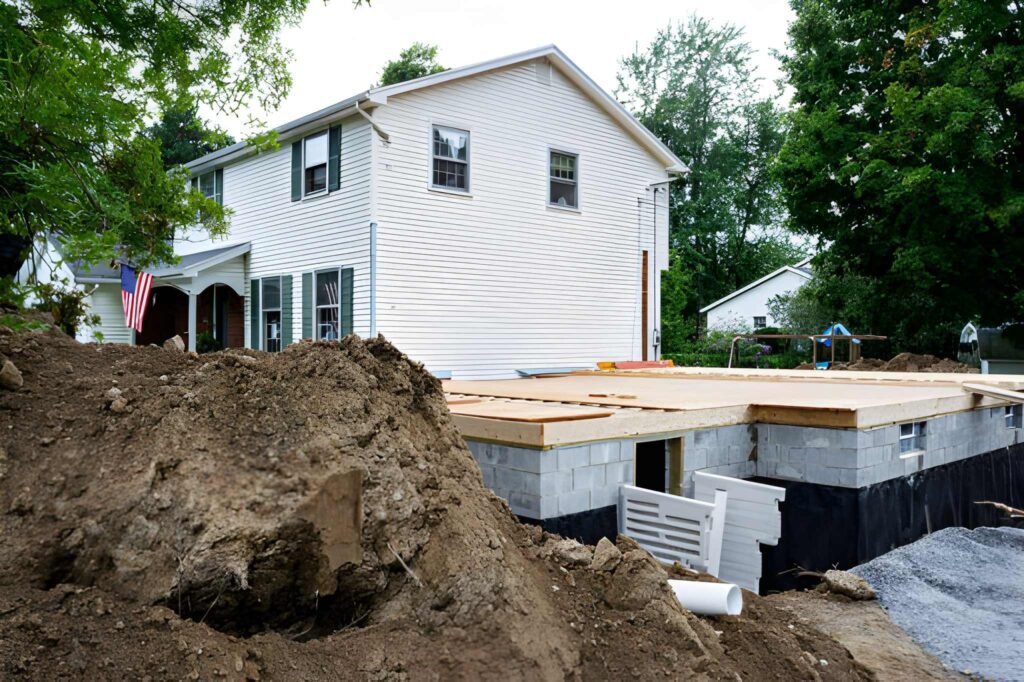
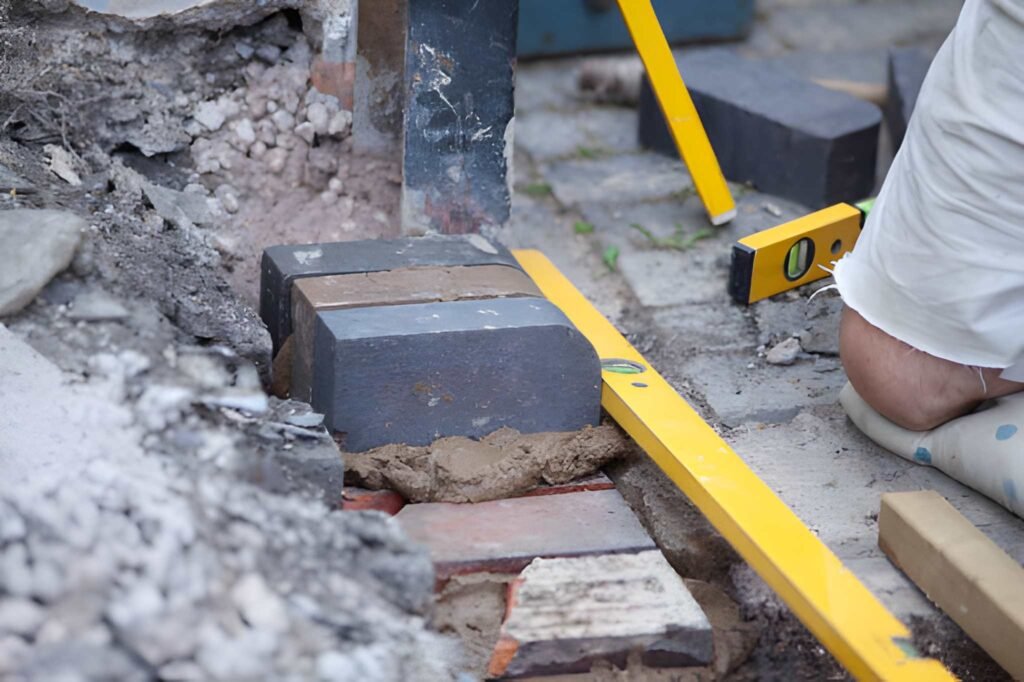
House leveling and foundation repair represent the most critical structural interventions a homeowner can undertake, addressing the very base upon which the entire structure depends. These processes involve correcting foundation settlement, stabilizing soil, and restoring the home to its original level position. The consequences of neglecting foundation issues extend throughout the entire structure, manifesting as cracked walls, sticking doors, uneven floors, and in severe cases, structural failure.
Understanding Foundation Problems
Common Signs of Foundation Issues:
- Diagonal cracks at corners of windows and doors
- Doors and windows that stick or won’t close properly
- Gaps between walls and ceilings or floors
- Sloping or uneven floors
- Cracks in brickwork or foundation walls
- Separation of garage door from framework
- Visible gaps around fireplace framing
Primary Causes of Foundation Problems:
- Soil Issues: Expansive clay soils that swell and shrink with moisture changes
- Poor Drainage: Water pooling around foundation causing erosion or saturation
- Plumbing Leaks: Underground leaks washing away supporting soil
- Tree Roots: Large trees near foundation extracting moisture from soil
- Poor Construction: Inadequate soil compaction or insufficient foundation depth
- Natural Settlement: Normal compression over time
Foundation Assessment and Diagnosis
Professional Inspection Process:
- Comprehensive Measurement: Use of laser levels, water levels, or precision instruments to map floor elevation changes
- Interior and Exterior Examination: Careful documentation of all cracks and structural distress
- Soil Analysis: Evaluation of soil type and moisture content around foundation
- Drainage Assessment: Review of gutter systems, grading, and surface water management
Measurement Standards:
- Acceptable Tolerance: Typically 1-2 inches of differential settlement over 20-30 feet
- Problematic Settlement: Exceeding 1 inch over 10-15 feet or any rapid, ongoing movement
- Critical Condition: Settlement causing structural damage or safety hazards
Foundation Repair Methods
1. Concrete Piering Systems:
Concrete Push Piers:
- Hydraulically driven through unstable soil to load-bearing strata
- Suitable for heavy structures and significant settlement
- Can lift and stabilize foundation simultaneously
- Installation causes minimal disturbance to property
Concrete Helical Piers:
- Screwed into soil like large screws
- Immediate load capacity without waiting for concrete cure
- Ideal for limited access areas and lighter structures
- Can install in any weather conditions
2. Steel Pier Systems:
- High-strength steel sections driven to bedrock or stable soil
- Maximum load capacity for heaviest structures
- Corrosion-resistant coatings for long-term performance
- Often used in commercial applications and severe conditions
3. Slab Jacking (Mudjacking):
- Pumping cementitious slurry under sunken concrete slabs
- Cost-effective for sidewalk, driveway, and patio repair
- Limited application for structural foundation repair
- Temporary solution compared to pier systems
4. Spot Piers and Shims:
- Localized support for specific settled areas
- Suitable for pier-and-beam foundations
- Addresses individual failing support points
The House Leveling Process
Step 1: Comprehensive Assessment
- Determine cause and extent of foundation movement
- Identify appropriate repair method based on soil conditions and structure
- Obtain necessary engineering evaluation and permits
Step 2: Preparation
- Excavate access pits for pier installation
- Remove any obstructing landscaping or features
- Implement safety measures for workers and property
Step 3: Pier Installation
- Drive or screw piers to predetermined depth and capacity
- Verify load-bearing capacity with hydraulic pressure testing
- Install pier brackets attached to foundation footing
Step 4: Lifting Process
- Apply controlled hydraulic pressure to gradually lift foundation
- Monitor entire structure during lifting to prevent damage
- Lift slightly above level to account for minor settlement
- Never attempt rapid, dramatic lifting
Step 5: Final Stabilization
- Secure piers permanently to foundation
- Backfill excavation areas
- Restore landscaping and affected areas
Cost Considerations
Factors Influencing Cost:
- Foundation type (slab, crawlspace, basement)
- Repair method selected
- Accessibility and working conditions
- Geographic location and soil conditions
- Extent of damage and required lifting
Typical Cost Ranges:
- Minor repairs (5-8 piers): $5,000 – $12,000
- Average whole-house repair: $12,000 – $25,000
- Complex or severe repairs: $25,000 – $50,000+
- Additional costs for drainage correction, soil modification, or structural repairs
DIY vs Professional Consideration
Foundation repair is NOT a DIY project due to:
- Specialized equipment requirements
- Engineering knowledge needed
- Risk of catastrophic structural damage
- Safety hazards of working under structures
- Potential voiding of homeowners insurance
Prevention and Maintenance
Proper Drainage Management:
- Maintain gutters and downspouts (extend 5-10 feet from foundation)
- Ensure positive grading away from foundation (minimum 6 inches over 10 feet)
- Install French drains or surface drainage systems if needed
Moisture Control:
- Maintain consistent soil moisture around foundation
- Use soaker hoses during drought conditions
- Repair plumbing leaks immediately
- Consider foundation watering systems in arid climates
Landscape Management:
- Plant trees appropriate distance from foundation
- Monitor and control root growth
- Avoid extensive landscaping that alters drainage patterns
Warranty and Insurance Considerations
Repair Warranties:
- Typically 25 years to lifetime transferable warranties
- Often require annual inspection and maintenance
- May exclude damage from new drainage issues or soil changes
Insurance Coverage:
- Most homeowners policies exclude foundation settlement
- May cover foundation damage if caused by specific covered peril (like plumbing leak)
- Often requires separate endorsement for foundation coverage
- Always review policy specifics before assuming coverage
Post-Repair Expectations
Immediate Results:
- Improved door and window operation
- Stopped progression of existing cracks
- Restored structural stability
Ongoing Monitoring:
- Document any new cracking or movement
- Conduct annual foundation inspections
- Maintain consistent moisture levels around foundation
- Address any drainage issues promptly
Choosing a Foundation Repair Contractor
Qualification Checklist:
- Licensed, bonded, and insured
- Specialized in foundation repair (not general contracting)
- Provides engineering evaluation and solution
- Offers transferable warranty
- Has local references and proven track record
- Member of industry associations (CFA, NAWIC)
Conclusion
House leveling and foundation repair represent significant investments that protect the entire value and safety of a home. The most successful outcomes result from proper diagnosis, appropriate repair methodology, qualified professional installation, and ongoing maintenance. While the costs can be substantial, timely intervention prevents exponentially more expensive damage to the superstructure. Homeowners should view foundation repair not as an emergency expense, but as a necessary investment in their property’s long-term structural integrity and value. Regular monitoring and addressing minor issues promptly can often prevent the need for major foundation repairs, making vigilance the most cost-effective foundation maintenance strategy of all.