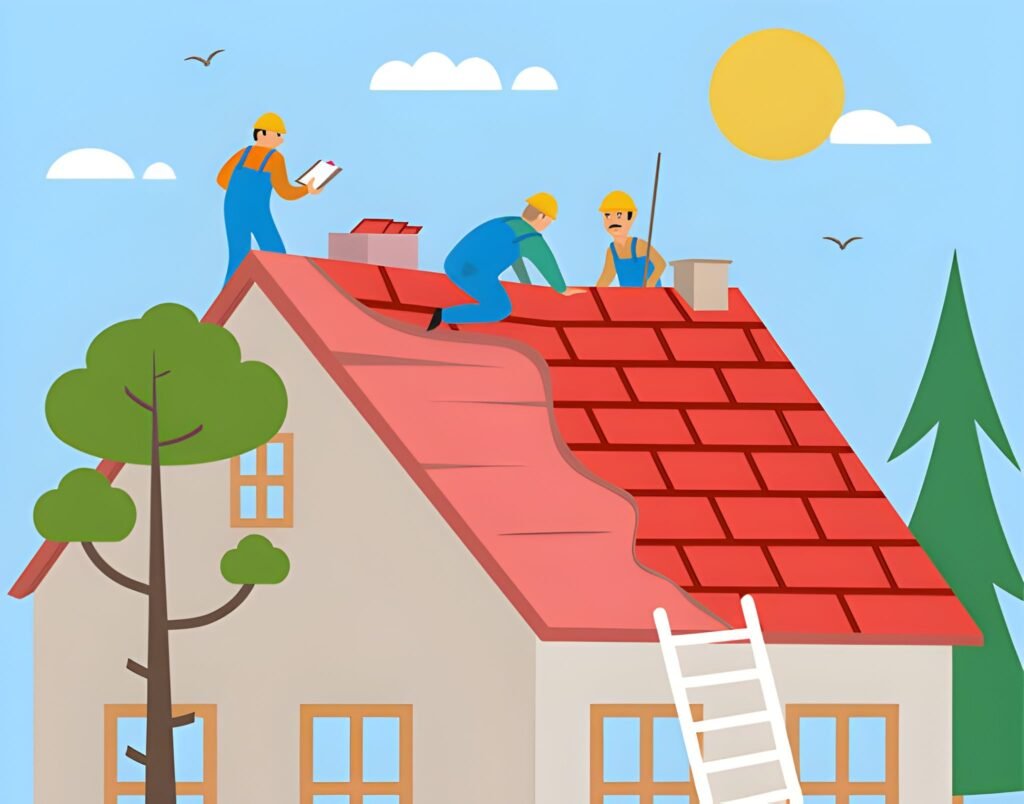
Roof repair is a critical home maintenance task that protects your entire structure from water damage, preserves property value, and maintains energy efficiency. Whether addressing minor wear or major storm damage, understanding the repair process helps homeowners make informed decisions and protect their investment.
Initial Assessment and Diagnosis
Safety First:
Before any inspection or repair, prioritize safety. Use a sturdy extension ladder with stabilizers, wear rubber-soled shoes with good traction, and consider using a safety harness for steep roofs. Never work on a wet or windy roof.
Identify the Problem:
Conduct a thorough inspection from both the interior and exterior:
Interior Signs:
- Water stains on ceilings or walls
- Dark streaks or mold in attic spaces
- Daylight visible through roof boards
- Musty odors indicating moisture
Exterior Signs:
- Missing, cracked, or curled shingles
- Bald spots where shingles have lost granules
- Sagging roof deck
- Moss or algae growth
- Damaged flashing around chimneys, vents, or valleys
- Clogged or overflowing gutters
Common Roof Problems and Solutions
1. Shingle Damage
Minor Repairs (1-10 shingles):
- Carefully lift the edges of surrounding shingles
- Remove nails from damaged shingles using a pry bar
- Slide new shingles into place, aligning with existing pattern
- Secure with roofing nails and seal with roofing cement
Extensive Damage:
Consider professional replacement if more than 30% of shingles show significant wear or if repairs are needed in multiple areas.
2. Flashing Issues
Flashing around chimneys, vents, and roof valleys is a common leak source:
- Remove old caulk and roofing cement
- Install new flashing, ensuring it overlaps properly
- Seal edges with roofing-grade sealant
- For metal flashing, consider upgrading to copper or galvanized steel for longer lifespan
3. Valley Repairs
Roof valleys channel significant water and require special attention:
- Clear debris and inspect for damage
- Replace damaged valley metal or re-weave shingles in woven valleys
- Ensure proper water flow direction
4. Vent Boot Damage
- Replace cracked or deteriorated rubber boots
- Ensure new boots properly seal around vent pipes
- Integrate new flashing with existing roof materials
Professional Repair Process
Choosing a Contractor:
- Verify licensing, insurance, and bonding
- Check references and review portfolios
- Obtain multiple detailed estimates
- Ensure they obtain proper permits
- Review warranty terms carefully
Professional Repair Standards:
- Initial Inspection: Comprehensive assessment including moisture meters and drone imagery when necessary
- Material Matching: Sourcing compatible shingles and materials
- Proper Preparation: Protecting landscaping, setting up safety equipment
- Quality Execution: Replacing underlayment, addressing deck damage, proper nail placement
- Cleanup: Magnetic nail sweeping, debris removal, site restoration
Cost Considerations
Factors Influencing Cost:
- Roof pitch and accessibility
- Repair complexity and extent
- Materials required
- Local labor rates
- Need for deck replacement
- Geographic location
Budget Ranges:
- Minor repairs: $150 – $1,000
- Moderate repairs: $1,000 – $3,000
- Major repairs/partial replacement: $3,000 – $7,000
- Emergency repairs: Vary widely based on circumstances
DIY vs Professional Decision Matrix
| Situation | Recommended Approach |
|---|---|
| Few missing shingles on low-pitch roof | DIY if comfortable with heights |
| Leaks around flashing | Professional recommended |
| Widespread granule loss | Professional assessment needed |
| Storm damage affecting multiple areas | Professional + insurance claim |
| Roof valleys or complex intersections | Professional strongly recommended |
| Mold or structural concerns | Professional required |
Material Options for Repairs
Asphalt Shingles:
- Most common repair material
- Relatively affordable
- 20-30 year lifespan
- Easy to match with existing roofs
Metal Roofing:
- Spot repairs possible for standing seam
- Often requires professional fabrication
- 40-70 year lifespan
Tile/Slate:
- Specialized repair skills needed
- Custom matching often required
- 50-100+ year lifespan
Preventive Maintenance
Regular Maintenance Schedule:
- Biannual inspections (spring/fall)
- Keep gutters clean and functional
- Trim overhanging tree branches
- Remove debris from roof surface
- Check attic ventilation regularly
Early Warning Signs:
- Granules in gutters
- Minor leaks during heavy rain
- Higher energy bills (indicating ventilation issues)
Insurance and Warranty Considerations
Insurance Claims:
- Document damage with photos before temporary repairs
- Review policy for covered perils
- Most policies cover sudden damage (storms, falling trees)
- Typically exclude wear and tear or lack of maintenance
Warranty Protection:
- Manufacturer warranties may cover material defects
- Workmanship warranties from contractors (typically 1-5 years)
- Keep detailed records of repairs and maintenance
Emergency Temporary Repairs
For immediate protection until professional repairs can be made:
- Use heavy-duty tarps secured with 2x4s
- Apply roofing cement to small leaks
- Clear debris from affected areas
- Place buckets in attic to contain active leaks
- Document all damage for insurance purposes
Long-term Planning
When to Consider Replacement:
- Roof approaching end of lifespan
- Multiple repairs needed in different areas
- Recurring leaks despite repairs
- Significant deck damage
- Energy efficiency concerns
Conclusion
Roof repair requires careful assessment, proper materials, and quality workmanship. While minor repairs may be suitable for experienced DIY homeowners, most roof work benefits from professional expertise. Regular maintenance and prompt attention to minor issues can extend your roof’s lifespan and prevent costly damage to your home’s interior. Always prioritize safety, use quality materials, and don’t hesitate to consult professionals for complex repairs or when safety concerns exist.