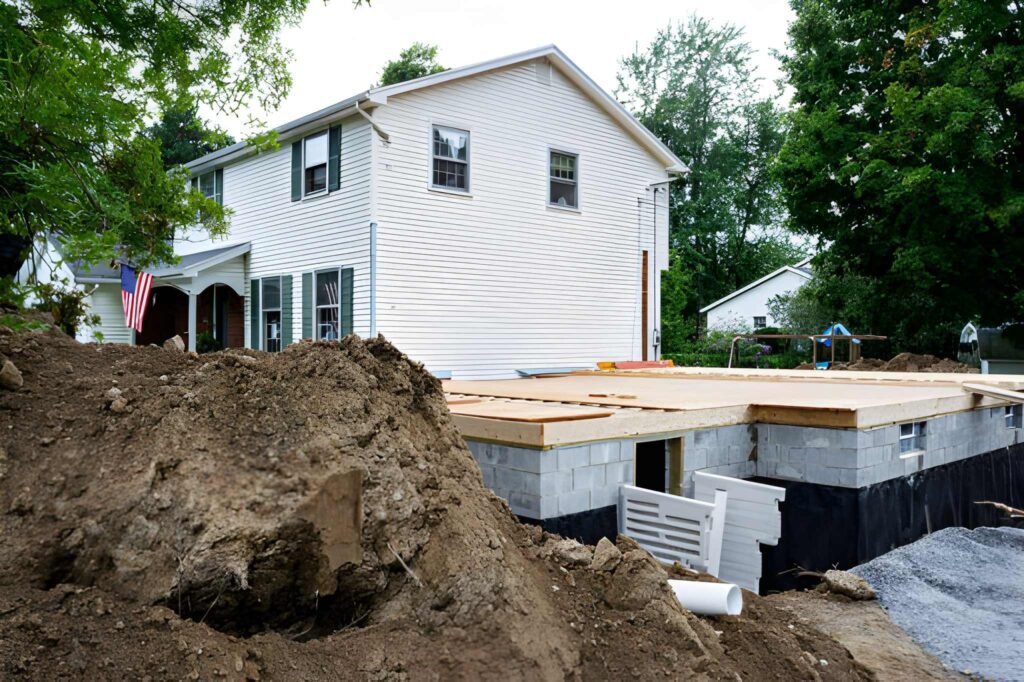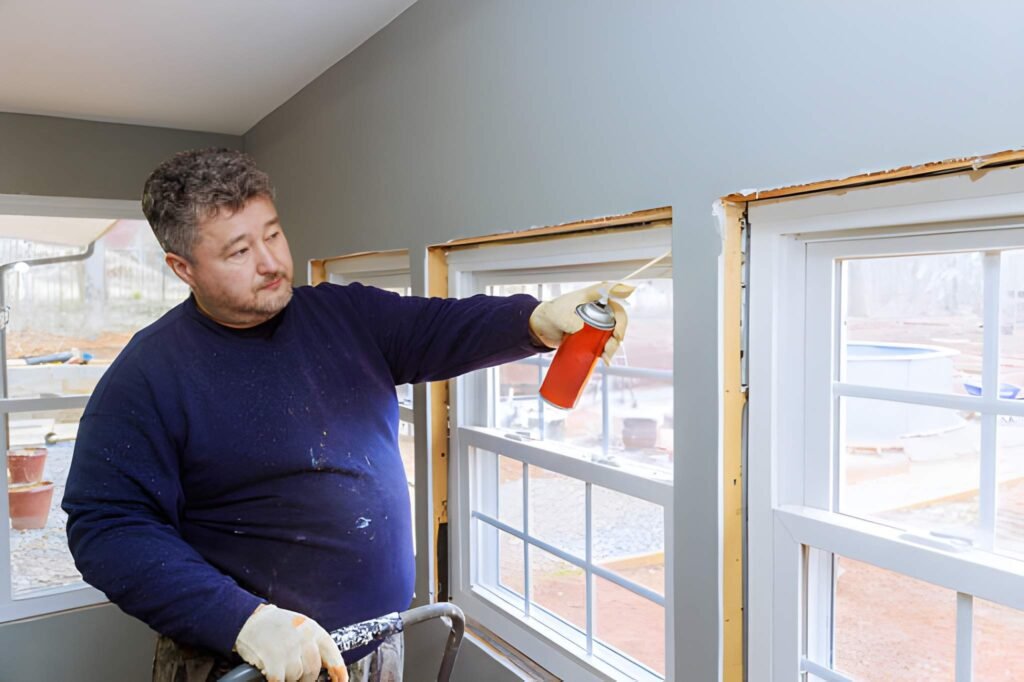
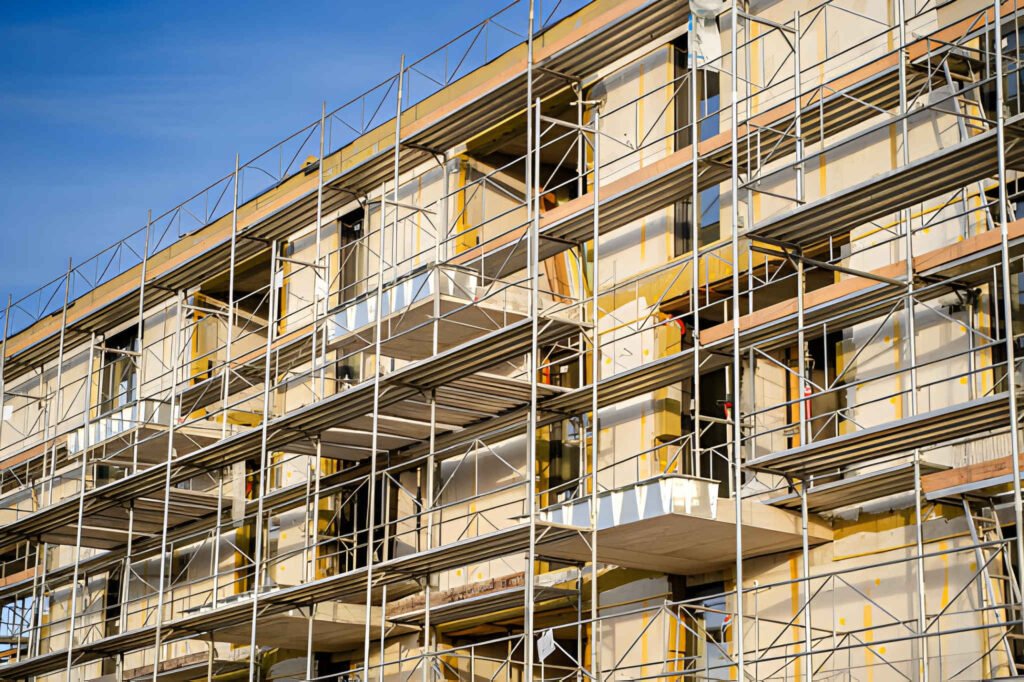
Exterior house repair is a fundamental aspect of homeownership that directly impacts a property’s structural integrity, energy efficiency, and long-term value. Unlike interior projects, exterior work is a battle against the relentless elements—sun, rain, wind, and temperature fluctuations. A systematic approach to diagnosing, prioritizing, and executing these repairs is essential to prevent minor issues from escalating into catastrophic and costly damage. This process requires an understanding of the home’s various systems, from the roof down to the foundation, and a clear strategy for maintenance and restoration.
The Diagnostic Walkthrough: A Top-to-Bottom Inspection
Before any repair begins, a thorough inspection is critical. This should be conducted annually and after any major storm.
1. The Roof System: The Primary Barrier
- Check for: Curled, cracked, or missing shingles; damaged or corroded flashing around chimneys, vents, and skylights; clogged or damaged gutters and downspouts; granules collecting in gutters (a sign of shingle wear); and signs of sagging.
- Implication: A failing roof is the single greatest threat to a home’s interior, leading to water damage, mold, and structural rot.
2. Siding and Wall Cladding: The Weather-Resistant Skin
- Check for: Cracks, holes, warping, or rot in wood, vinyl, or fiber cement siding; loose or missing boards; cracked or crumbling stucco; bubbling or peeling paint; and moss or mold growth, which indicates excess moisture.
- Implication: Compromised siding allows water to penetrate the weather-resistive barrier (house wrap) and sheathing, leading to rot, mold, and insulation failure.
3. Windows and Doors: The Sealed Penetrations
- Check for: Rotted or cracked wood frames; failed or brittle caulking around perimeters; damaged weatherstripping; difficulty opening or closing; and fogging between panes of glass (indicating a failed insulated seal).
- Implication: Leaks and drafts at windows and doors significantly reduce energy efficiency and can lead to water damage in wall cavities.
4. Foundations and Masonry: The Structural Base
- Check for: New or widening cracks in the foundation; spalling (flaking) or crumbling brick or concrete; and signs of water pooling against the foundation.
- Implication: Foundation issues can be structural and severely impact the entire home. Masonry cracks allow water entry and can worsen with freeze-thaw cycles.
5. Decks, Porches, and Trim: The Vulnerable Appendages
- Check for: Soft, rotting wood (probe with a screwdriver); loose railings or stairs; cracked or peeling paint/stain; and insect damage, particularly where wood contacts the ground.
- Implication: These elements are highly exposed to weather and are often the first to show rot, posing safety hazards.
Prioritizing Repairs: A Triage System
Not all repairs are equally urgent. A logical triage system prevents wasted resources and protects the home.
- Tier 1: Critical/Structural (Address Immediately)
- Active roof leaks.
- Rotted structural framing (beams, joists, rafters).
- Major foundation cracks or shifting.
- Widespread siding failure allowing water penetration.
- Unsafe deck or porch structures.
- Tier 2: Preventive/Protective (Address within 6-12 months)
- Clogged or damaged gutters and downspouts.
- Failing caulk and weatherstripping.
- Minor siding or trim repair.
- Repainting to protect wood surfaces.
- Regrading soil to slope away from the foundation.
- Tier 3: Cosmetic/Deferred (Address as budget allows)
- Minor paint touch-ups.
- Small, non-structural cracks in masonry.
- Updating lighting or house numbers.
Common Exterior Repairs and Methodologies
1. Roof Repair
- Shingle Replacement: Individual shingles can be replaced by carefully lifting the overlapping shingles, removing the nails, and sliding in a new one.
- Flashing Repair: Damaged flashing around chimneys or vents must be carefully removed and replaced with new metal flashing, integrated with the roofing material and sealed with a high-grade roofing cement.
2. Siding Repair
- Wood Siding: Rotted sections can be cut out and replaced with a “Dutchman” patch. Larger sections require full board replacement.
- Vinyl Siding: A zip tool is used to unlock and remove damaged panels, which are then replaced with new ones.
- Fiber Cement: Damaged planks are cut out using specialized tools, and new, pre-primed planks are installed with corrosion-resistant fasteners, with all seams properly caulked.
3. Window and Door Maintenance
- Re-caulking: Old, cracked caulk must be completely removed. The joint is cleaned, dried, and filled with a high-quality, paintable, elastomeric silicone or urethane caulk.
- Weatherstripping: Old weatherstripping is peeled away, and new adhesive-backed foam, vinyl, or rubber weatherstripping is applied to create a tight seal.
4. Foundation and Masonry Repair
- Hairline Cracks: Can be filled with a hydraulic cement or specialized masonry crack filler.
- Larger Structural Cracks: Require assessment by a structural engineer and repair by a foundation specialist, often involving epoxy injection or carbon fiber reinforcement.
- Spalling Brick: Requires removal of the damaged brick and repointing (replacing the mortar) or full brick replacement.
The Role of Professional Services
While many homeowners can handle caulking or painting, certain repairs demand professional expertise.
- Roofing: Working on a roof is dangerous and requires knowledge of proper installation techniques to avoid voiding warranties.
- Major Structural/Siding Repair: Ensures the building envelope is restored correctly.
- Foundation Work: Incorrect repair can exacerbate structural problems.
Exterior house repair is an ongoing investment in preservation. A proactive, systematic approach—centered on regular inspection, accurate diagnosis, and strategic prioritization—is the most effective strategy for maintaining a home’s structural health, weather resistance, and curb appeal. By addressing issues promptly and correctly, homeowners safeguard their investment from the top down, ensuring their home remains a secure and valuable sanctuary for years to come. The cost of proactive maintenance is invariably lower than the cost of reactive restoration.