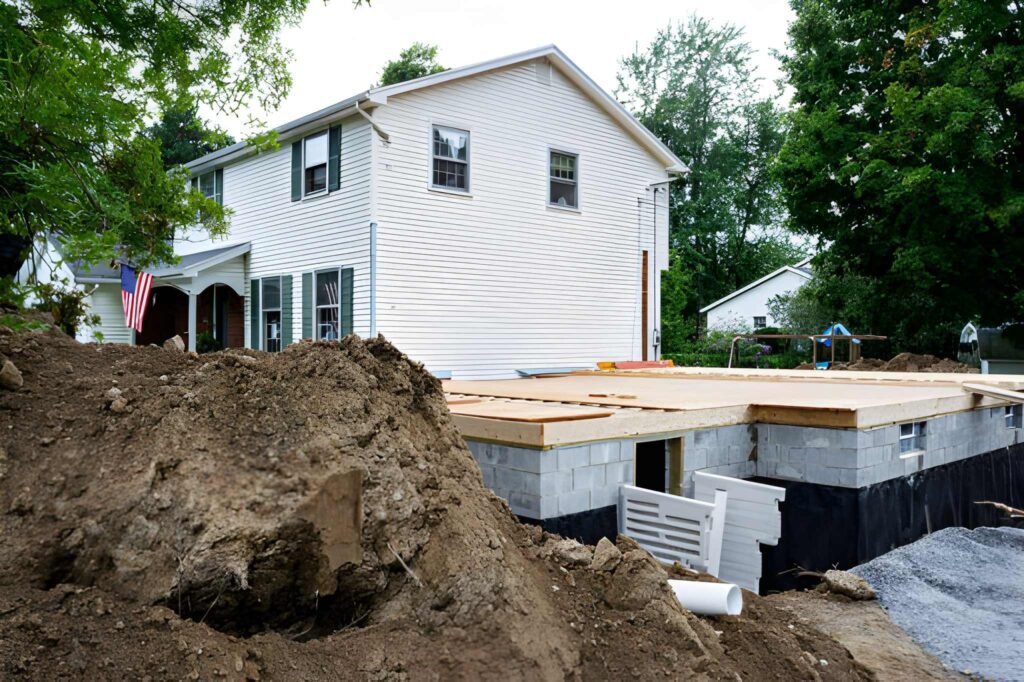

House repair contractors serve as the crucial bridge between homeowners and the successful preservation, enhancement, and restoration of their property. Engaging the right contractor is not merely a transaction but the formation of a temporary partnership that demands trust, clear communication, and a shared vision for the outcome. This guide provides a detailed framework for navigating this relationship, from initial selection to project completion, ensuring your investment is protected and your expectations are met.
The Contractor Landscape: Understanding Specializations and Tiers
The term “contractor” encompasses a wide spectrum of professionals, each with distinct roles, specializations, and project scales.
1. General Contractors (GCs): The Project Quarterbacks
GCs manage the entire project, from planning and permitting to coordinating specialized subcontractors (electricians, plumbers, etc.) and ensuring the work meets building codes. They are essential for complex, multi-trade projects.
- Ideal For: Whole-house renovations, large-scale repairs, additions, and projects requiring significant coordination.
- Key Value: Single-point accountability, project management expertise, and established relationships with quality subcontractors.
2. Specialized Trade Contractors: The Master Craftsmen
These are licensed experts focused on a specific trade. They are often hired directly by homeowners for discrete projects or subcontracted by a GC.
- Common Types: Roofers, electricians, plumbers, HVAC technicians, masons, and foundation specialists.
- Ideal For: Repairs or upgrades to a specific system where deep, specialized knowledge is required.
3. Handyman Services: The Versatile Problem-Solvers
Handymen handle a wide array of small-scale repairs and maintenance tasks that don’t require a specialized license.
- Ideal For: Minor plumbing leaks, drywall patches, painting, fixture installation, and other “punch-list” items.
- Limitations: Most states legally prohibit handymen from performing structural, electrical, or major plumbing work.
The Contractor Selection Process: A Methodical Approach
Rushing the selection process is the most common and costly mistake a homeowner can make.
Step 1: Define Your Project Scope with Precision
Before contacting anyone, create a detailed “Scope of Work” document. This should include:
- A description of the problem or desired outcome.
- Photographs of the area.
- A list of your specific goals and priorities.
- Your desired timeline and budget range.
Step 2: Source and Vet Multiple Candidates
- Sourcing: Seek recommendations from trusted friends, neighbors, or real estate professionals. Use reputable online platforms that verify licenses and insurance.
- Vetting Checklist:
- License: Verify their state-level license is current and in good standing.
- Insurance: Confirm they carry both General Liability (protects your property from damage) and Workers’ Compensation (protects you if a worker is injured on your property). Request a Certificate of Insurance (COI) directly from their provider.
- Bonding: A surety bond provides financial protection if the contractor fails to complete the job or pay for permits/subcontractors.
- Portfolio & References: Review past projects similar to yours. Contact at least two recent references and ask about cleanliness, communication, adherence to schedule and budget, and the quality of the final work.
Step 3: The Bid and Interview Process
- Obtain at Least Three Bids: This provides a realistic market price for your project. Be wary of bids that are significantly lower than others; this often indicates inexperience, cutting corners, or potential hidden costs.
- Conduct In-Person Interviews: The lowest bid is not always the best bid. The interview is about assessing professionalism, communication style, and trust.
- Key Questions to Ask:
- “How many projects like mine have you completed in the last year?”
- “Who will be the on-site foreman, and what is the chain of command?”
- “What is your process for handling unforeseen issues or change orders?”
- “Can you walk me through the payment schedule?”
- Key Questions to Ask:
The Contract: Your Project’s Blueprint for Success
A comprehensive contract is your primary tool for risk management. Never proceed without a signed, detailed contract.
Essential Contract Clauses:
- Parties & Property: Full names, addresses, and license numbers.
- Scope of Work: An extremely detailed description of work, including materials (brand, model, color, size) and installation methods. This prevents “up-selling” later.
- Project Timeline: Include start date, substantial completion date, and acknowledgment of potential delays (e.g., weather, material availability).
- Total Price & Payment Schedule: A clear, fair payment plan. A typical schedule might be: 10% at signing, 3-4 payments tied to milestones (e.g., 25% after demolition and framing), and a final 10-15% due only after you complete a final walk-through and are fully satisfied.
- Red Flag: A contractor who demands more than 50% upfront.
- Change Order Process: A formal procedure for any changes to the original scope, including written authorization and pricing before work begins.
- Warranties: Explicitly state what is covered by the contractor’s workmanship warranty and for how long (e.g., 1-2 years is standard).
- Termination Clause: Conditions under which either party can terminate the contract.
Managing the Project and Relationship
- Establish Communication Protocols: Agree on a primary point of contact and a regular update schedule (e.g., a daily 5-minute check-in or a weekly summary email).
- Document Everything: Keep a project journal with daily notes, photos, and copies of all communications and change orders.
- Conduct Milestone Walk-Throughs: Don’t wait until the end. Inspect work at key stages with the contractor to ensure it aligns with the scope before the next phase begins.
Financial Protections and Red Flags
Protect Yourself:
- Mechanic’s Lien Waivers: For any project over a few thousand dollars, require signed lien waivers from the contractor and all subcontractors/suppliers with each payment. This protects you from their unpaid bills becoming a lien on your home.
- Avoid Cash Payments: Pay by check or credit card to create a verifiable paper trail.
Critical Red Flags:
- Only accepts cash payments.
- Pressures you to make a quick decision.
- Is unable to provide proof of insurance or a valid license.
- Asks for full or majority payment upfront.
- Has no physical business address or a poorly maintained website.
- Uses high-pressure sales tactics or a “today-only” discount.
Conclusion: Investing in a Partnership
Selecting and working with a house repair contractor is a significant undertaking. By approaching the process with due diligence, clear documentation, and proactive communication, you transform a potentially stressful experience into a successful collaboration. The right contractor is not just a vendor; they are a temporary partner in safeguarding and enhancing your home’s value, functionality, and comfort. The time invested in finding a qualified, communicative professional is the single most effective guarantee of a successful outcome.