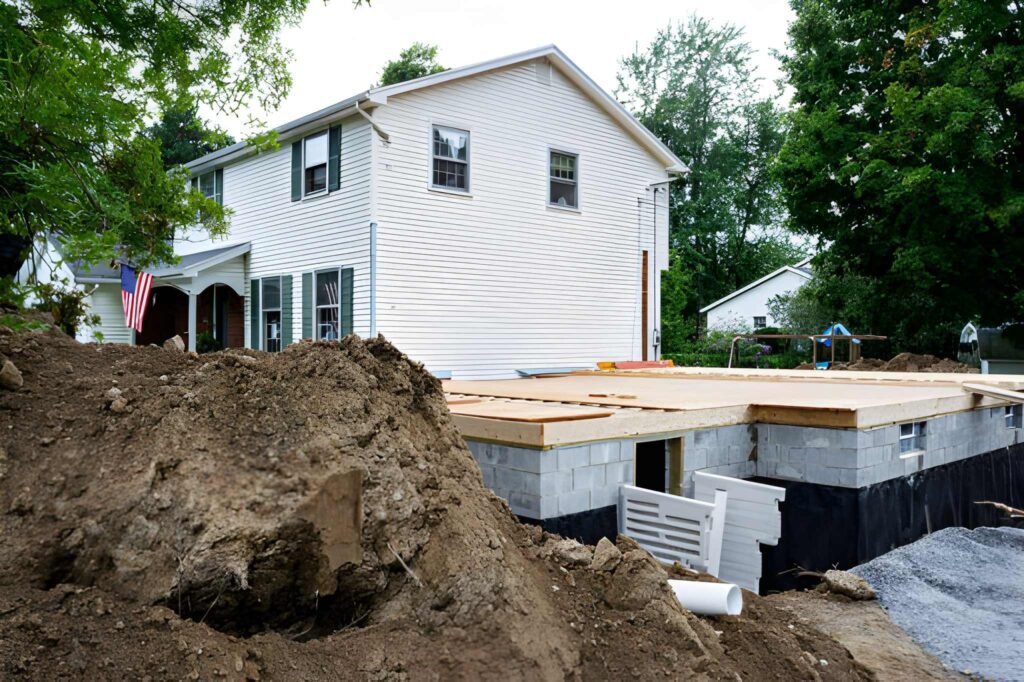

A house repair loan is not a single product but a category of financing solutions designed to fund home improvements, from critical repairs to luxury upgrades. The optimal choice depends on the loan’s purpose, the homeowner’s financial profile, the amount of equity in the property, and the desired loan terms. Navigating this landscape requires a clear understanding of the available instruments to secure capital efficiently and cost-effectively.
The Loan Landscape: Understanding Your Options
Homeowners can access capital through both secured loans (backed by the home as collateral) and unsecured loans (based on creditworthiness). The following table provides a comparative overview of the primary options.
| Loan Type | Best For | Key Advantages | Key Disadvantages | Typical Terms |
|---|---|---|---|---|
| HELOC (Home Equity Line of Credit) | Ongoing projects, uncertain total costs, acting as a financial safety net. | Revolving credit; pay interest only on what you use; often has a draw period (5-10 years) followed by a repayment period. | Variable interest rate; can tempt overspending; uses your home as collateral (risk of foreclosure). | 65-85% CLTV; Variable APR; 20-30 year term. |
| Home Equity Loan | A single, large project with a known, fixed cost (e.g., new roof, kitchen remodel). | Fixed interest rate; predictable monthly payments; lump sum payment. | Higher closing costs than HELOC; uses your home as collateral. | 65-85% CLTV; Fixed APR; 5-30 year term. |
| Cash-Out Refinance | When current mortgage rates are lower than your existing rate, and you need a substantial amount of cash. | Consolidates mortgage and repair debt into one payment; can secure a lower overall rate. | High closing costs; resets the clock on your mortgage; new, potentially higher rate on the entire balance. | Up to 80% LTV; New 30-year term common. |
| Personal Loan | Smaller projects ($5k-$50k) or homeowners with little equity; need for speed. | Unsecured (no risk to home); fast funding (1-7 days); no closing costs. | Higher interest rates than secured loans; shorter repayment terms (2-7 years). | Based on credit; Fixed APR; 2-7 year term. |
| FHA 203(k) Rehabilitation Loan | Purchasing and renovating a fixer-upper or financing a major rehab of a current home. | Rolls purchase/renovation costs into one mortgage; allows financing based on the after-repair value; low down payment. | Complex application; must use a HUD consultant; stricter requirements. | FHA loan limits; Up to 96.5% LTV of ARV. |
| Credit Cards | Small, discrete purchases (e.g., fixtures, tools) that can be paid off immediately. | Convenient; may offer rewards or introductory 0% APR periods. | Extremely high interest rates after intro period; can quickly damage credit if misused. | High Variable APR. |
CLTV (Combined Loan-to-Value): (Current Mortgage Balance + New Loan Amount) / Home Value. Most lenders cap total borrowing at 80-90% of the home’s value.
ARV (After-Repair Value): The appraised value of the property after renovations are complete.
Strategic Selection: Matching the Loan to the Project
The nature and scale of the repair project should directly inform your choice of financing.
For Emergency & Critical Repairs ($5,000 – $25,000):
- Foundation, Roof, HVAC Failure: These are time-sensitive and non-negotiable.
- Recommended Loan: Personal Loan or Credit Card (with 0% Intro APR).
- Rationale: Speed is critical. The unsecured nature of these loans allows for funding within days, not weeks. If you have excellent credit, a 12-18 month 0% APR credit card offer can be an interest-free bridge loan.
For Major Renovations & System Upgrades ($25,000 – $100,000):
- Kitchen/Bath Remodel, Room Addition, New Siding: These projects have a defined scope and budget.
- Recommended Loan: Home Equity Loan or HELOC.
- Rationale: These offer significantly lower interest rates than personal loans because they are secured by your home. A Home Equity Loan is ideal for a fixed budget, while a HELOC provides flexibility if you anticipate change orders or additional costs.
For Whole-House Renovations & Purchasing Fixer-Uppers ($75,000+):
- Gut rehabs, structural changes, buying a “tear-down.”
- Recommended Loan: Cash-Out Refinance or FHA 203(k) Loan.
- Rationale: A cash-out refi is powerful if you can secure a favorable rate on the new, larger mortgage. The FHA 203(k) is specifically designed for major rehabilitation and is a powerful tool for investors and homeowners buying properties that need significant work.
The Qualification Framework: What Lenders Evaluate
Regardless of the loan type, lenders will assess your application based on three core pillars:
- Creditworthiness (Credit Score):
- Excellent (740+): Qualifies for the best rates and terms on all loan products.
- Good (680-739): Will likely qualify for HELOCs, home equity loans, and personal loans, but at slightly higher rates.
- Fair (620-679): May face challenges with HELOCs; personal loans and FHA loans become more viable options.
- Poor (<620): Options are limited primarily to FHA 203(k) loans or high-interest personal loans from alternative lenders.
- Equity and Loan-to-Value (LTV) Ratio:
- This is the most critical factor for secured loans (HELOC, Home Equity Loan, Cash-Out Refi).
- Calculation: (Mortgage Balance / Home Appraised Value) = LTV.
- Most lenders require you to maintain at least 15-20% equity after the loan (a maximum CLTV of 80-85%).
- Debt-to-Income (DTI) Ratio:
- Calculation: Total Monthly Debt Payments / Gross Monthly Income.
- Lenders typically prefer a DTI ratio below 43% for secured loans, though some may allow up to 50% for highly qualified borrowers.
The Application and Execution Process
- Define Scope & Get Quotes: Obtain 3 detailed, written quotes from licensed and insured contractors for the repair work. This defines your loan amount.
- Check Your Financials: Pull your credit report, estimate your home’s value (using online tools or a pre-appraisal), and calculate your DTI and LTV ratios.
- Shop Lenders: Get pre-qualified with at least three different lenders (banks, credit unions, online lenders) to compare real rates and terms.
- Submit Formal Application: Provide documentation: W-2s, pay stubs, tax returns, bank statements, and the contractor quotes.
- Home Appraisal (for Secured Loans): The lender will order an appraisal to confirm your home’s value and calculate the final LTV.
- Underwriting & Closing: The lender verifies all information and issues a final approval. For secured loans, you’ll attend a closing to sign the paperwork.
- Funding:
- Secured Loans: Funds are disbursed, often directly to the contractor in “draws” as work is completed.
- Unsecured Loans: A lump sum is deposited into your bank account.
A house repair loan is a powerful financial tool that, when selected and managed strategically, can protect your investment, enhance your quality of life, and even increase your home’s value. The key to success lies in an honest assessment of your project’s needs, a clear-eyed evaluation of your financial health, and a disciplined approach to comparing loan products. By aligning the loan type with the project’s scope and your long-term financial goals, you can undertake necessary or desired repairs with confidence and fiscal responsibility.