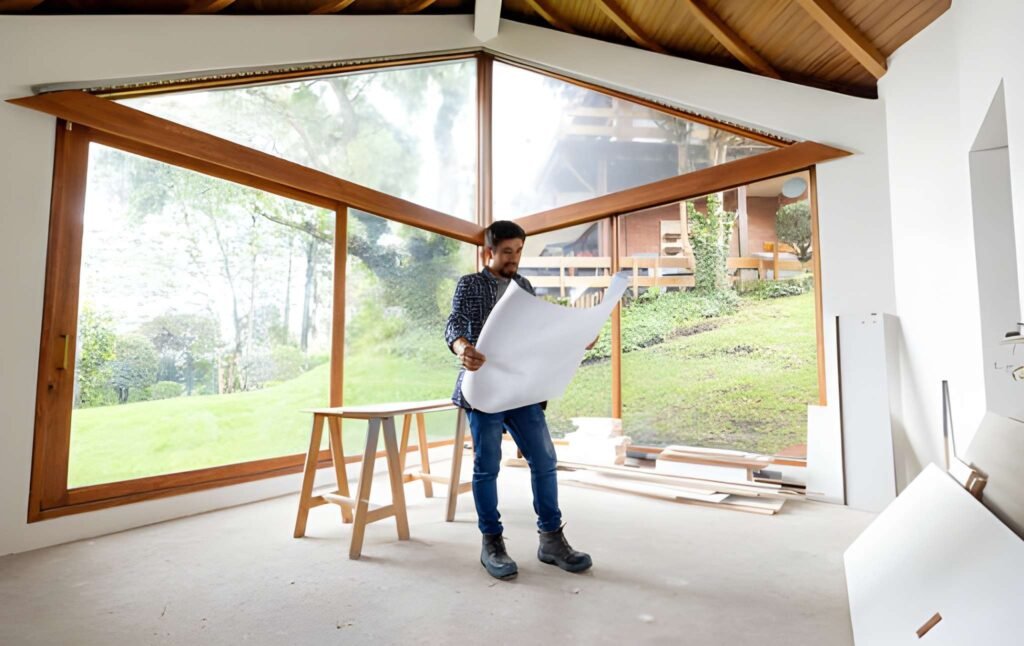
A $1 million renovation budget is not merely an upgrade; it is a fundamental re-creation of a property. This level of investment moves beyond addressing individual rooms or systems and into the realm of comprehensive architectural reinvention, where the very essence of the home—its flow, its relationship to the land, its structural integrity, and its technological soul—can be reimagined. This is a project reserved for high-value properties in competitive markets, historic homes requiring meticulous restoration, or estates where the goal is to create a legacy asset of unparalleled quality and customization. Executing a renovation at this scale requires a shift from homeowner to visionary client, partnering with a team of top-tier professionals to orchestrate a multi-faceted, multi-year endeavor.
The philosophy of a $1 million renovation is one of “no compromise” on the core vision, but also one of extreme discipline in project management. The budget, while substantial, is finite, and poor allocation can lead to spectacular overruns. Success is measured not just by the beauty of the final product, but by the seamless integration of architecture, interior design, landscape, and technology into a single, cohesive masterpiece.
The Foundational Strategy: Defining the “Why”
With a budget of this magnitude, the strategic imperative is paramount. The goal must be crystal clear from the outset, as it will guide every subsequent decision.
- The Legacy Estate Creation: The home is a forever property, and the renovation is designed to reflect the owner’s ultimate vision for family living, entertainment, and personal sanctuary. Decisions are driven by personal taste, longevity, and the highest possible quality, with resale value as a secondary concern.
- The Architectural Salvage and Restoration: For a historic or architecturally significant home, the budget is allocated to painstakingly restore original details (e.g., plaster moldings, stained glass, vintage hardware) while seamlessly integrating modern infrastructure and comforts. This is as much an act of preservation as it is renovation.
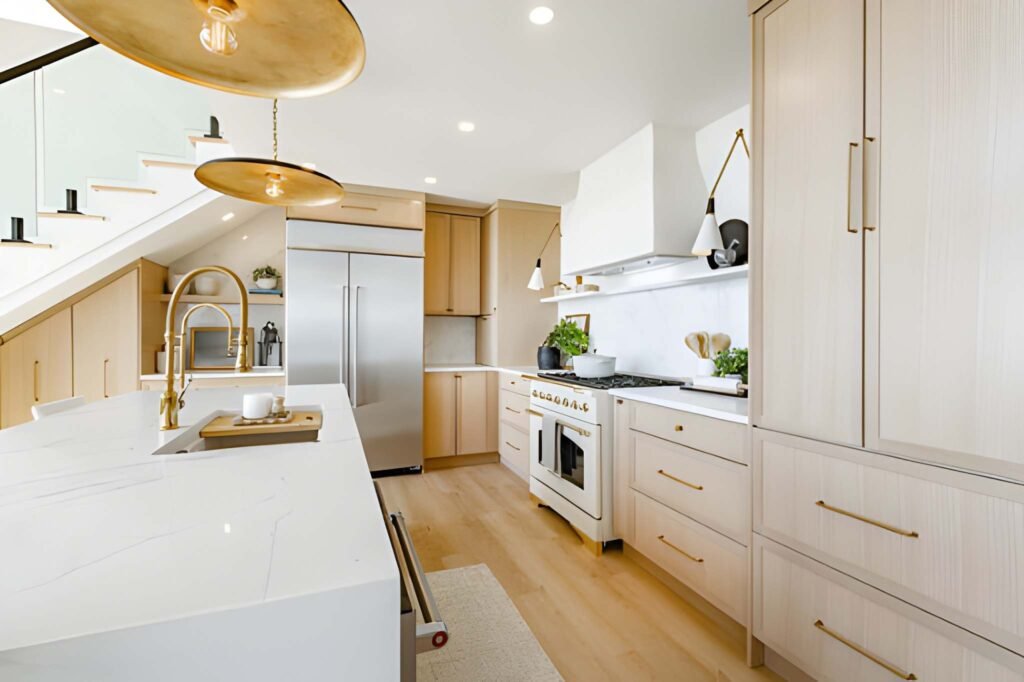
- The Ultra-Luxury Market Preparation: The renovation is a calculated investment to position a property at the very top of its market. The choices are informed by what commands premium value among discerning buyers: chef’s kitchens, resort-style primary suites, wellness amenities, and smart home integration.
The Project Scope: A Whole-Home Reimagining
A $1 million renovation typically encompasses the entire property. The scope often includes several of the following elements simultaneously:
- Archural Expansion: Adding a significant second-story addition, expanding the footprint with a new wing, or building a detached structure like a pool house or artist’s studio.
- Structural Reconfiguration: Removing multiple load-bearing walls to create open, voluminous living spaces, requiring engineering and the installation of large-scale steel beams or LVL headers.
- System-Wide Replacement: A complete “guts-out” upgrade of all mechanical, electrical, and plumbing systems, often to a commercial grade of quality and redundancy.
- High-Performance Envelope: Investing in the building’s shell with spray-foam insulation, high-performance windows and doors, and advanced weatherization to achieve exceptional energy efficiency and acoustic isolation.
- Luxury Amenity Integration: Incorporating bespoke features such as a home theater with acoustic engineering, a wine cellar with precise climate control, a spa with a sauna and cold plunge, or a sports simulator room.
- Landscape Architecture: Treating the outdoors as a series of curated rooms, with professional hardscaping, irrigation, lighting, and mature plantings that are fully integrated with the home’s architecture.
The Budget Allocation: A Strategic Blueprint
At this level, the budget is a strategic tool. It must account for high-end materials, specialized labor, professional fees, and a robust contingency for the complexities inherent in large-scale projects.
Table 1: Sample $1 Million Renovation Budget Allocation
| Category | Allocation | Rationale & Specifications |
|---|---|---|
| Construction & Labor | $500,000 – $600,000 | The core cost for a high-end general contractor and skilled trades (carpenters, masons, tilers). Covers complex structural work, framing, and high-quality installation. |
| Architect & Design Fees | $80,000 – $120,000 | Essential for a project of this scale. Includes architectural plans, engineering (structural, mechanical), interior design schematics, and project administration. |
| Materials & Finishes | $150,000 – $200,000 | Premium, custom, or imported materials. This includes custom cabinetry throughout, natural stone countertops, wide-plank hardwood floors, and designer tile. |
| Major Systems & Amenities | $80,000 – $100,000 | Top-tier HVAC with zoning, smart home automation (Control4, Savant), security, and dedicated circuits for high-draw appliances and EV chargers. |
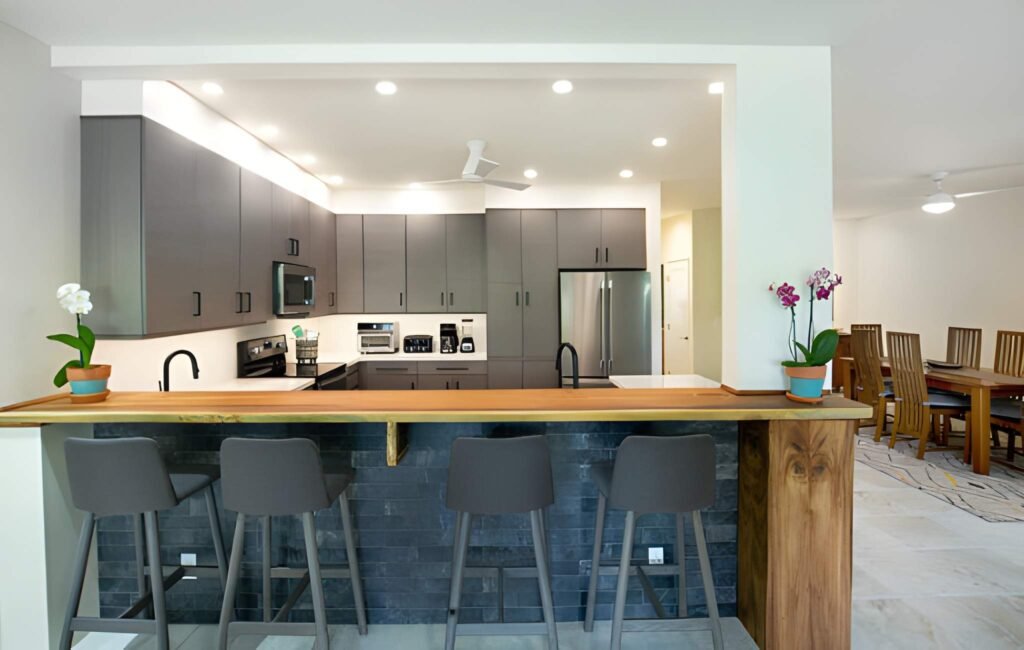
| Kitchen & Bathrooms | $75,000 – $100,000 | Professional-grade appliance suites (Wolf, Sub-Zero, Miele), custom millwork, and luxury fixtures in primary and secondary bathrooms. |
| Windows, Doors, & Millwork | $50,000 – $70,000 | High-performance, custom-sized windows and doors. Extensive custom millwork for built-ins, paneling, and trim throughout the home. |
| Contingency (15-20%) | $150,000 – $200,000 | Non-negotiable. This fund is for unforeseen structural issues, material price escalation, design changes, and the inevitable discoveries made when walls are opened. |
The Professional Team: Your Executive Partners
A $1 million renovation cannot be managed by a single general contractor alone. It requires a collaborative team of experts.
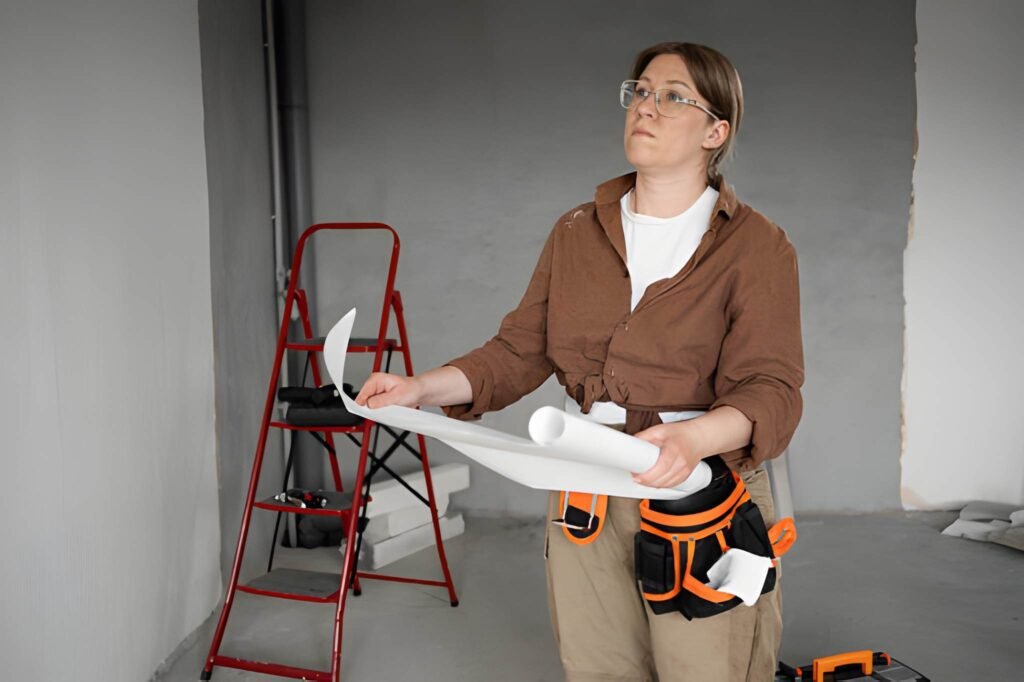
- The Architect: The master planner who translates your vision into buildable, code-compliant drawings and ensures the spatial and aesthetic cohesion of the entire project.
- The Interior Designer: Works in tandem with the architect from the start to specify materials, fixtures, and furnishings, ensuring a seamless flow from the architectural shell to the finest decorative detail.
- The General Contractor: The project’s CEO, responsible for hiring and managing sub-trades, scheduling, budgeting, sourcing materials, and ensuring quality control. They are the on-the-ground manager for the duration of the project.
- The Landscape Architect: Integrates the exterior spaces with the home’s new architecture, designing patios, pools, gardens, and lighting that function as an extension of the living area.
The Execution: A Phased and Meticulously Managed Timeline
The timeline for a project of this magnitude is typically 9 to 18 months, sometimes longer for historic properties or those with complex custom fabrications.
Phase 1: Deep Planning & Design (3-6 Months)
This is the most critical phase. All designs are finalized, materials are selected and ordered, permits are secured, and the contractor is hired. Rushing this phase guarantees cost overruns and delays later.
Phase 2: Demolition & Structural Work (1-2 Months)
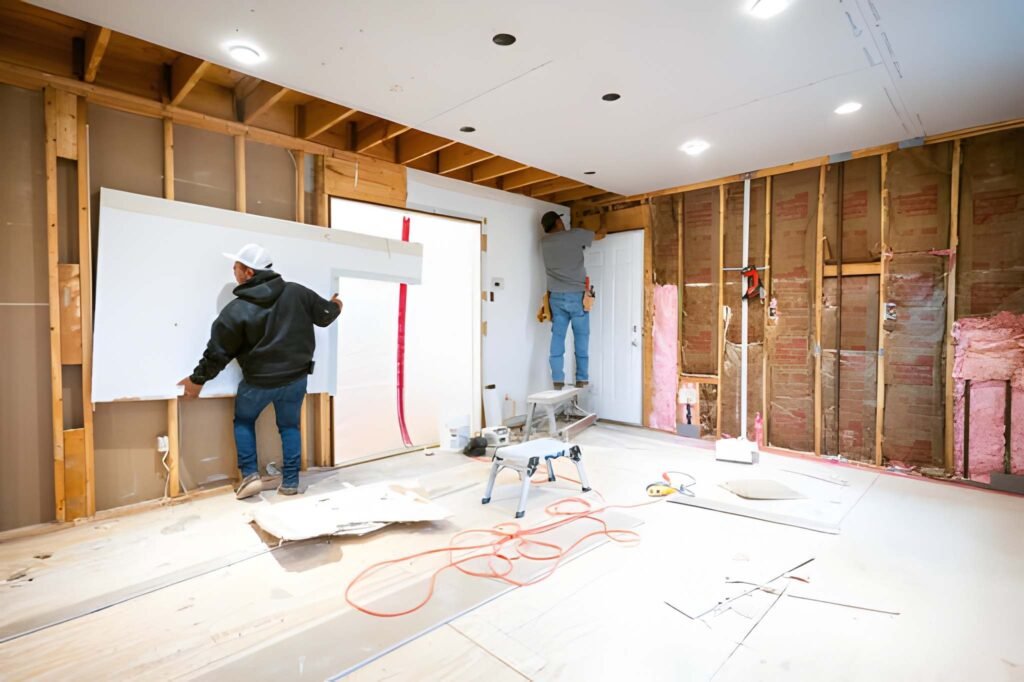
The home is gutted to its shell. Structural modifications—adding beams, framing new additions—are completed. This phase reveals the true condition of the property and is when the contingency fund begins to be tapped.
Phase 3: The “Rough-In” (2-3 Months)
The skeleton of the new home is built. All new plumbing, electrical, and HVAC lines are run inside the walls and floors. Insulation and drywall are installed.
Phase 4: The “Finish-Out” (4-6 Months)
The home takes its final form. This includes:
- Installation of flooring, cabinets, and windows.
- Painting and wallpapering.
- Setting countertops and tile work.
- Installing light fixtures, plumbing trim, and appliances.
- The landscape installation begins in parallel.
Phase 5: Final Punch-List & Close-Out (1 Month)
A meticulous walk-through is conducted to identify any items needing correction or touch-up. The smart home system is programmed, and the owner receives thorough training on all new systems.
Conclusion: The Creation of a Legacy
A $1 million renovation is a profound undertaking that is equal parts art, science, and business. It is a test of vision, patience, and management. The successful outcome is not merely a renovated house but a completely custom-built home that just happens to reuse an existing foundation and shell. It is an environment where every detail, from the structural integrity to the tactile feel of a door handle, has been considered and curated. For those with the resources and the resolve, it represents the ultimate expression of personalized living—the creation of a legacy property that is both a deeply personal sanctuary and a testament to the highest standards of design and craftsmanship.