The transformation of the former St. Regis Princeville into the 1 Hotel Hanalei Bay stands as a landmark project in the world of hospitality, far exceeding the scope of a typical renovation. This was not a simple refresh of soft goods and paint colors; it was a philosophical and physical overhaul, a complete rebranding of a beloved Hawaiian landmark into a new paradigm of biophilic, sustainable luxury. The project, reportedly costing upwards of $200 million, serves as a masterclass in how to honor a legendary location while fundamentally reimagining the guest experience for a new, environmentally conscious generation of travelers. This analysis delves into the strategic imperatives, design execution, and profound challenges of renovating a world-class resort without losing the soul of its spectacular setting on Kauai’s North Shore.
The driving force behind this renovation was a shift in brand ethos. The St. Regis embodied a classic, gilded-age luxury—opulent, formal, and human-centric in its grandeur. The 1 Hotel brand, in contrast, is built on a foundation of nature-centric design, sustainability, and wellness. The challenge was immense: to deconstruct the existing, traditional luxury aesthetic and rebuild it according to a completely different set of principles, all while the property occupied one of the most sensitive and visually sacred locations in the Hawaiian islands.
The Pre-Renovation Imperative: Honoring Place and Community
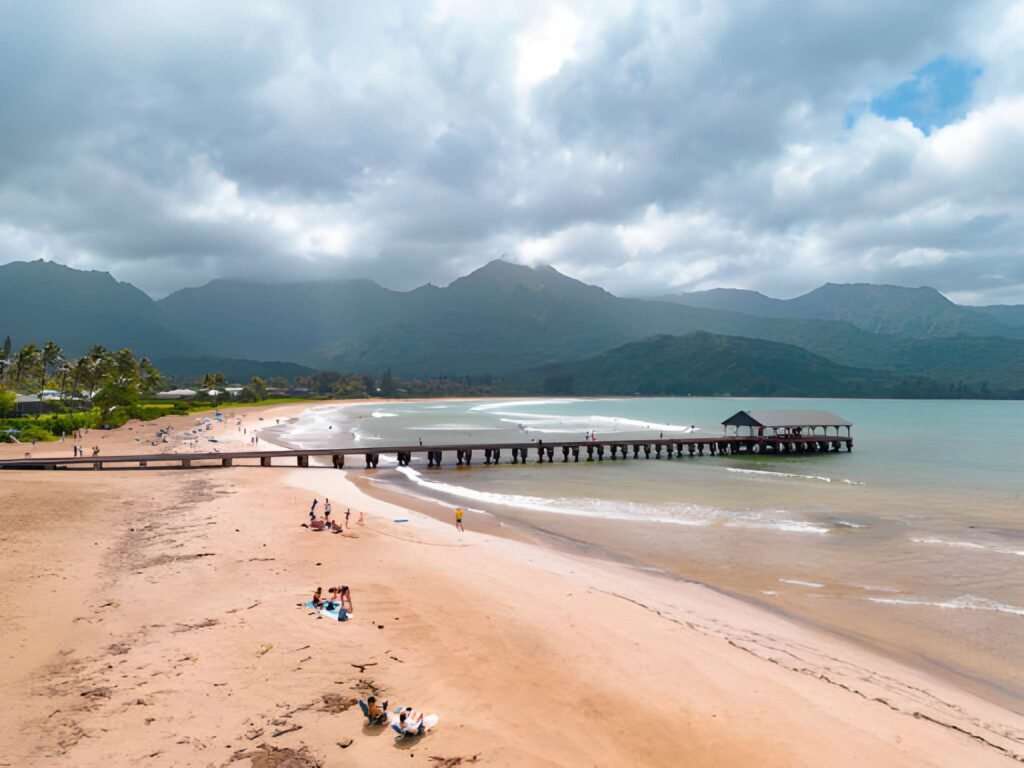
Before any design was drafted, the project was guided by a deep-seated respect for the ‘āina (the land) and the Kauai community. Renovating in Hawaii, especially on a site as iconic as Hanalei Bay, carries a cultural and environmental weight absent from most other projects.
- Cultural Consultation: The design team would have engaged in extensive consultation with cultural practitioners and community leaders to ensure the new design respected the history and spirit of the place. This is not a bureaucratic hurdle; it is a foundational step for social license to operate.
- Environmental Baseline: Understanding the delicate ecosystem—from the nearby coral reefs to the native flora and fauna—was critical. Every decision, from wastewater management to landscaping, had to be evaluated for its environmental impact.
The Design Philosophy: Biophilia as a Blueprint
The core of the renovation was the application of biophilic design principles, which seek to connect occupants more closely to nature. This went far beyond placing potted plants in the lobby.
- Material Palette: The Story of Provenance. The old St. Regis relied on imported marbles, glossy finishes, and rich velvets. The 1 Hotel renovation replaced this with a hyper-local, organic materiality.
- Reclaimed and Local Woods: Walls, ceilings, and custom furniture were crafted from salvaged wood from Kauai and elsewhere in Hawaii, telling a story of renewal and reducing the carbon footprint.
- Natural Textiles: Linens, upholstery, and draperies made from organic cotton, hemp, and jute replaced synthetic blends.
- Stone and Volcanic Rock: Instead of polished Italian marble, the design incorporates raw, honed, and flamed finishes on local stone, connecting the interiors directly to the island’s geology.
- Spatial Reconfiguration: Blurring the Boundaries. The renovation aggressively broke down the barriers between inside and outside.
- Open-Air Flow: Public spaces were redesigned to be largely open-air, leveraging the perfect Hanalei climate. The sounds, scents, and breezes of the bay become an integral part of the interior experience.
- Framed Views: The architecture was manipulated to frame specific, breathtaking vistas of the Makana Mountain peaks and the bay, turning the landscape into living art within every room and corridor.
The Sustainable Systems: The Unseen Engine of Luxury
The most significant investments were likely in the systems the guest never sees—the technological backbone that makes the resort’s sustainability claims tangible.
- Water Conservation and Management: In a location prone to heavy rainfall and with fragile marine ecosystems, water management is paramount. The renovation certainly included state-of-the-art greywater and blackwater recycling systems, along with rainwater capture for irrigation.
- Energy Efficiency: A property of this scale would have undergone a complete overhaul of its energy plant. This likely included:
- HVAC Modernization: Installation of highly efficient, variable-refrigerant-flow (VRF) systems for precise climate control with lower energy consumption.
- Solar Integration: Vast arrays of solar panels, potentially discreetly placed on parking structure roofs, to offset a significant portion of the hotel’s energy demand.
- Smart Building Controls: An automated building management system (BMS) to control lighting, HVAC, and irrigation based on occupancy and weather conditions, eliminating energy waste.
- Zero-Waste Operations: The renovation would have required a complete re-engineering of back-of-house spaces to facilitate a robust composting and recycling program, aiming to divert nearly all waste from landfills.
The Guest Experience Renovation: Curating Wellness and Connection
Every touchpoint was re-evaluated through the lens of wellness and nature immersion.
- The Room as a Sanctuary: Guest rooms were stripped of any residual formality. The design likely features organic-shaped furniture, neutral earth-tone palettes, and bathrooms that feel like outdoor showers, with natural stone and abundant greenery. The minibar is stocked with organic and local products, and single-use plastics are entirely eliminated.
- Food and Beverage Re-localization: The restaurants were conceptually rebuilt around farm-to-table and sea-to-table principles. This isn’t just a menu tagline; it requires building deep relationships with local fishermen and farmers and potentially even developing on-site hydroponic or organic gardens.
- Programmatic Shift: The activity roster was shifted away from generic offerings to curated experiences that deepen the connection to Kauai—guided cultural hikes, conservation voluntourism, farm tours, and wellness practices rooted in Hawaiian tradition.
The Immense Challenges of a “Live” Renovation
Undertaking a renovation of this scale and ambition on an operational resort is a logistical nightmare.
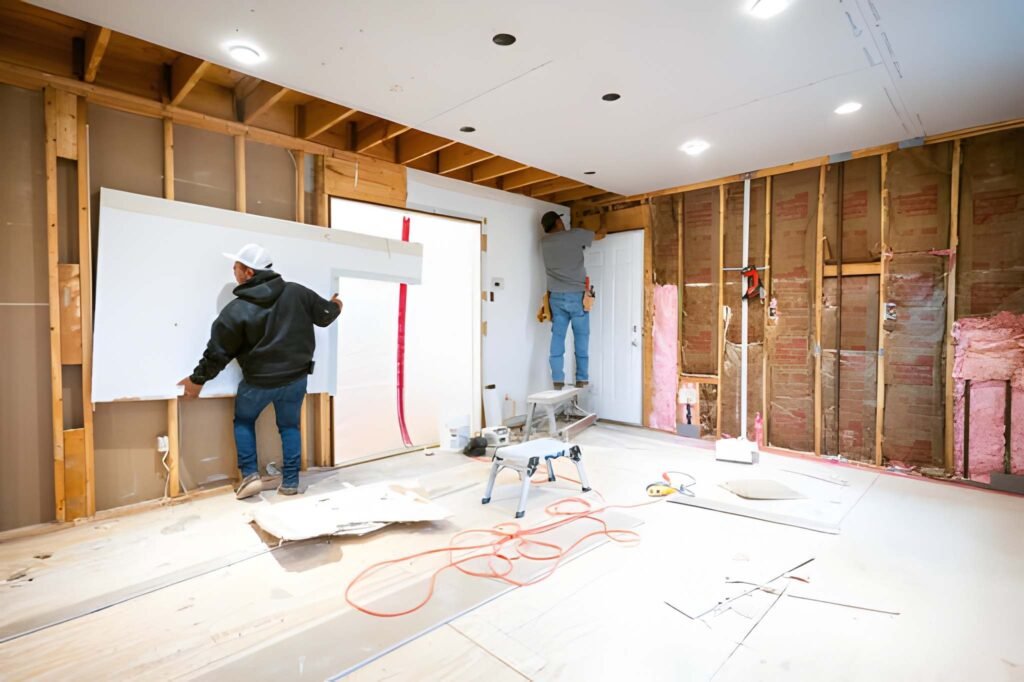
- Phased Construction: The hotel likely remained partially open, requiring a meticulously planned phased renovation. This involves sealing off construction zones completely to contain dust and noise, creating temporary guest pathways, and managing the constant movement of materials and workers without disrupting the guest experience.
- Supply Chain and Skilled Labor: Sourcing custom, sustainable materials and finding skilled craftspeople on an island like Kauai to execute the high level of custom millwork and stonework would have been a monumental task, requiring lead times of many months.
- Budget and Timeline Inflation: In a project with such a strong focus on custom, artisanal elements and complex new systems, staying on budget and schedule is nearly impossible. Unforeseen conditions, weather delays, and the challenges of importing specialized labor would have constantly tested the project’s limits.
Conclusion: A New Benchmark for Destination Resorts
The 1 Hotel Hanalei Bay renovation is more than a successful hotel update; it is a statement of intent for the future of luxury travel. It proves that five-star comfort does not have to come at the expense of the environment and that the highest form of luxury is no longer opulence, but authenticity and connection. By investing hundreds of millions into a philosophy as much as into physical structures, the owners have not just rebranded a property; they have elevated the entire destination. They have created a model that other resorts around the world will study for years to come—a blueprint for how to honor a place so profoundly that the resort itself becomes an inseparable and respectful part of the landscape it celebrates.