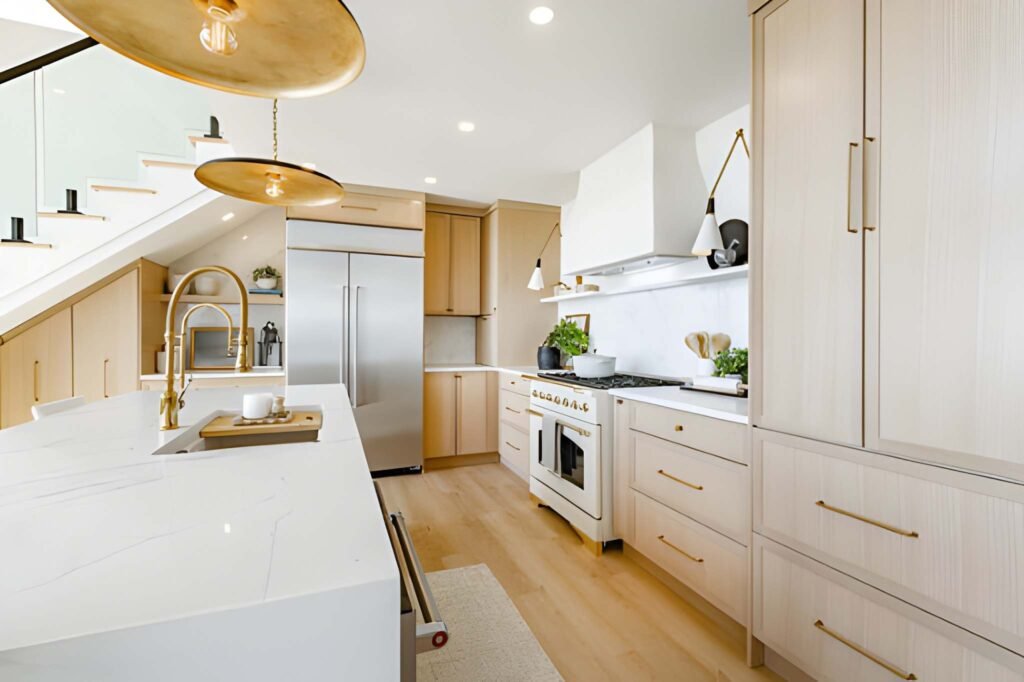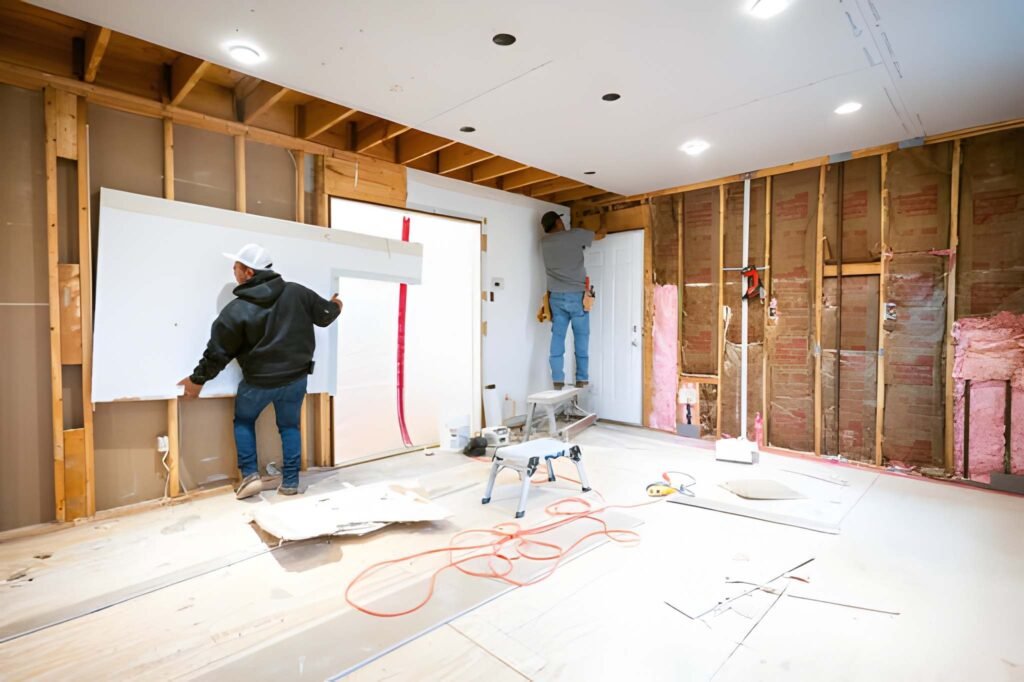
The decision to renovate a basement represents one of the most significant value-add projects a homeowner can undertake. However, the scope of that renovation—specifically, whether to create a single, open-concept space or to divide the area into two distinct rooms—carries profound implications for function, cost, and long-term utility. The “1 vs. 2 basement renovations” debate is not merely a question of floor plans; it is a strategic choice that reflects your household’s needs, your home’s existing layout, and your vision for the property’s future. This guide provides a detailed comparison of these two approaches, examining the trade-offs in privacy, flexibility, resale value, and construction complexity to empower you to make the most informed decision for your home.
A basement’s raw space is a blank canvas, but its limitations—low ceilings, support columns, and necessary mechanicals—demand a pragmatic design. The choice between one large room or two smaller ones will dictate the daily experience of the space and its appeal to future buyers.
The Single-Room Basement Renovation: The Great Room Below Grade
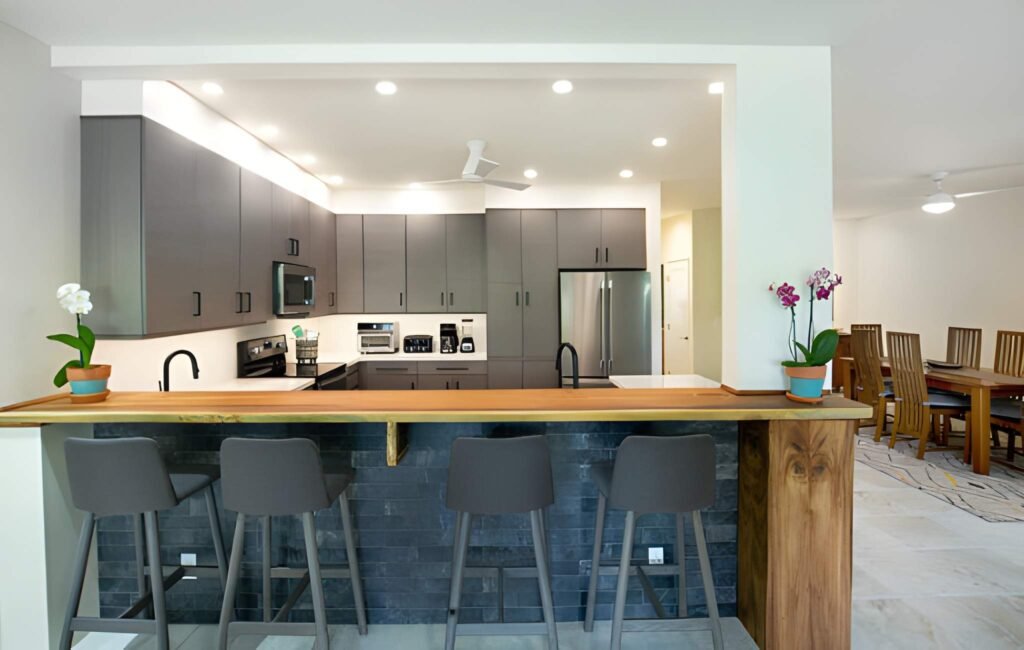
This approach involves creating one expansive, open-concept area, often envisioned as a recreational hub, a media room, or a large family entertainment space.
The Core Philosophy: Flexibility and Spaciousness
The primary goal is to combat the inherent subterranean feeling of a basement by creating a sense of airiness and volume. By minimizing walls, you maximize the perceived square footage and allow light to travel freely, making the space feel larger and less confined.
Ideal Use Cases:
- The Entertainment Epicenter: A unified space is perfect for hosting game days, large family gatherings, or parties where social interaction flows seamlessly between a bar area, a pool table, and a large seating group focused on a big-screen TV.
- The Family Activity Room: A space where children can play, teenagers can hang out, and adults can relax, all while remaining in the same visual field. This facilitates supervision and family togetherness.
- The Home Gym and Yoga Studio: An open floor plan provides the uninterrupted floor space necessary for exercise equipment, mats, and free movement.
Key Advantages:
- Perceived Size and Light: The absence of walls makes the basement feel significantly larger and less claustrophobic. It is easier to design a cohesive and impactful lighting plan that illuminates the entire area evenly.
- Maximum Flexibility: The open space can be easily reconfigured for different furniture arrangements or evolving family needs over time. A zone for playing can later become a zone for a new hobby.
- Lower Construction Costs: Generally, building fewer walls, requiring fewer doors, and simplifying the electrical and HVAC layout reduces both material and labor costs.
- Easier Future Modification: If a future owner desires separate rooms, it is simpler to build new walls within an open space than to remove load-bearing or well-finished walls.
Potential Drawbacks:
- Lack of Acoustic Privacy: Noise from the television, video games, or conversations will permeate the entire space. It is unsuitable for simultaneous, conflicting activities (e.g., one person watching a movie while another needs a quiet place to work).
- Limited Functional Separation: It cannot easily serve as a guest suite, a private home office, or a dedicated media room without disturbing others in the same space.
- Storage Challenges: Without dedicated rooms, storing unsightly items like holiday decorations or exercise equipment requires clever built-in solutions to maintain a clean aesthetic.
The Two-Room Basement Renovation: The Zoned and Purpose-Built Approach
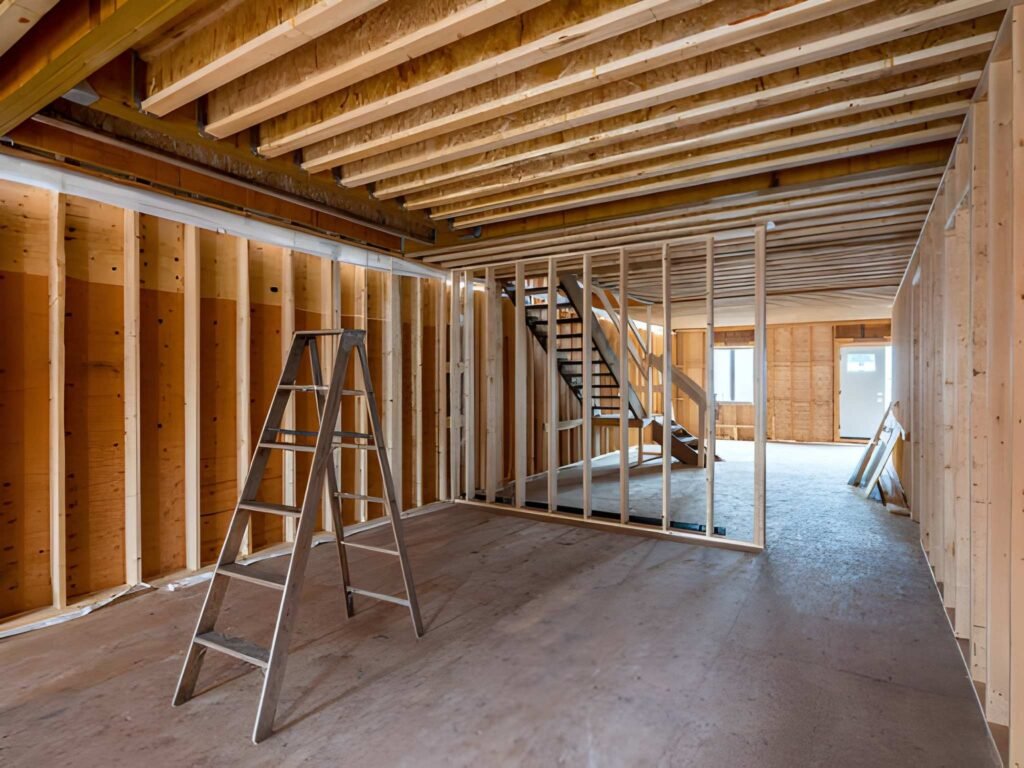
This strategy involves dividing the basement into two dedicated, enclosed spaces, creating defined areas for specific, often conflicting, activities.
The Core Philosophy: Function and Privacy
The goal is to maximize the utility of the square footage by creating specialized environments. This approach acknowledges that a household has multiple needs that are best met in separate, acoustically isolated spaces.
Ideal Use Cases:
- The Guest Suite and Office Combo: One room becomes a private bedroom for visitors with a nearby full or half bath, while the other serves as a sound-insulated home office.
- The Media Room and Playroom: A dedicated, dark-walled theater room with surround sound can be isolated from a brightly lit, durable playroom for children, allowing both to be used at the same time without disruption.
- The Teen Lounge and Gym: Provides a private hangout space for teenagers separate from a home gym, accommodating the needs of different family members simultaneously.
Key Advantages:
- Acoustic Control: Properly built walls with insulation create sound barriers, allowing for loud and quiet activities to coexist peacefully. This is the single greatest benefit of this approach.
- Dedicated Functionality: Each room can be optimized for its purpose—lighting, paint color, and flooring can be tailored specifically for a theater, an office, or a bedroom.
- Increased Home Value & Utility: Adding legally definable bedrooms (with egress windows) and dedicated offices significantly increases the functional value of the home and appeals to a broader range of buyers.
- Organized Layout: Creates natural zones for storage and activity, reducing visual clutter in the main living areas.
Potential Drawbacks:
- Reduced Perceived Space: Walls can make the basement feel smaller and more segmented, potentially reinforcing any existing feelings of confinement.
- Higher Construction Costs: More walls mean more materials (lumber, drywall, doors), more complex electrical and HVAC runs, and increased labor. Soundproofing insulation adds to the expense.
- Loss of Flexibility: The footprint is permanently divided. Changing the function of the space in the future would require demolition and reconstruction.
- Complex Lighting and Airflow: Ensuring each room has sufficient natural light (if possible) and artificial light, as well as proper HVAC airflow, becomes a more complex design challenge.
The Decision Matrix: A Comparative Table
The following table provides a clear, side-by-side comparison of the two approaches across critical decision-making criteria.
Table 1: 1-Room vs. 2-Room Basement Renovation
| Criteria | Single-Room Renovation | Two-Room Renovation |
|---|---|---|
| Primary Goal | Create a spacious, flexible, multi-purpose entertainment area. | Create private, dedicated zones for specific, conflicting activities. |
| Ideal For | Entertaining, family togetherness, open-plan living. | Home offices, guest suites, media rooms, teen lounges, playrooms. |
| Perceived Space | High. Feels larger, more open, and less like a basement. | Lower. Can feel segmented and smaller, but more intentional. |
| Acoustic Privacy | Low. Noise travels freely throughout the entire space. | High. Proper walls with insulation contain sound effectively. |
| Construction Cost | Lower. Fewer walls, less complex systems. | Higher. More materials, labor, and potential for soundproofing. |
| Flexibility | High. Easy to rearrange and repurpose the open area. | Low. The footprint is fixed; changes require demolition. |
| Resale Appeal | Broad appeal for those wanting a rec room. | Strong, specific appeal for those needing extra bedrooms or offices. |
| Best Layout For | Long, rectangular basements with minimal obstructions. | Basements with natural divisions from support columns or mechanical rooms. |
The Hybrid Strategy: The Best of Both Worlds
A sophisticated third option exists: a hybrid approach that combines an open-plan main area with a single, enclosed room. This is often the most practical and highly valued configuration.
The Hybrid Model:
- One Large Open Area: Serves as the primary recreation space (e.g., a game area with a sofa and TV).
- One Enclosed Room: Positioned in the rear or to the side, functioning as a home office, a guest bedroom, or a dedicated media room.
This strategy provides the spaciousness and flexibility of the single-room approach while granting the crucial acoustic privacy for one activity. It effectively creates a “main stage” and a “green room,” accommodating both social and private needs within the same footprint.
Conclusion: Aligning Space with Lifestyle
The choice between a one-room or two-room basement renovation is not a matter of which is objectively better, but which is subjectively right for your home and your life. The single-room renovation is a vote for community, flexibility, and light. The two-room renovation is a vote for privacy, specialization, and quiet utility.
Before committing to a plan, spend time visualizing your family’s daily and weekly routines. Do you need a space for simultaneous, different activities? Or is your primary goal a unified area for collective enjoyment? By honestly assessing your needs and understanding the trade-offs, you can transform your basement from a raw, unfinished space into a finely tuned extension of your home that delivers value and satisfaction for years to come. The most successful renovation is the one that feels not just new, but inherently and effortlessly yours.