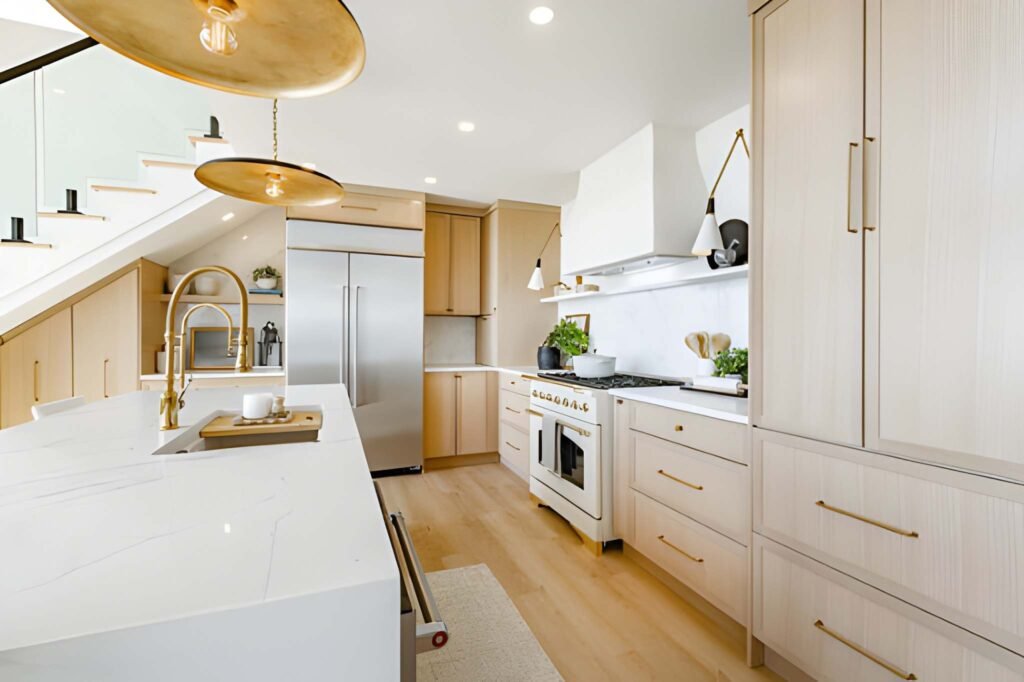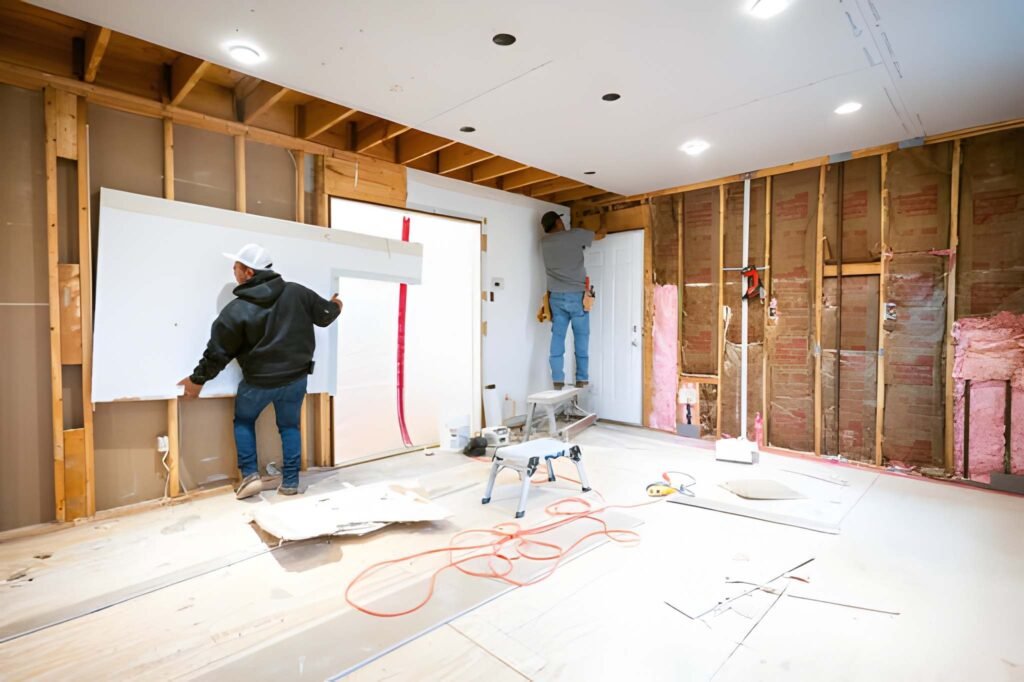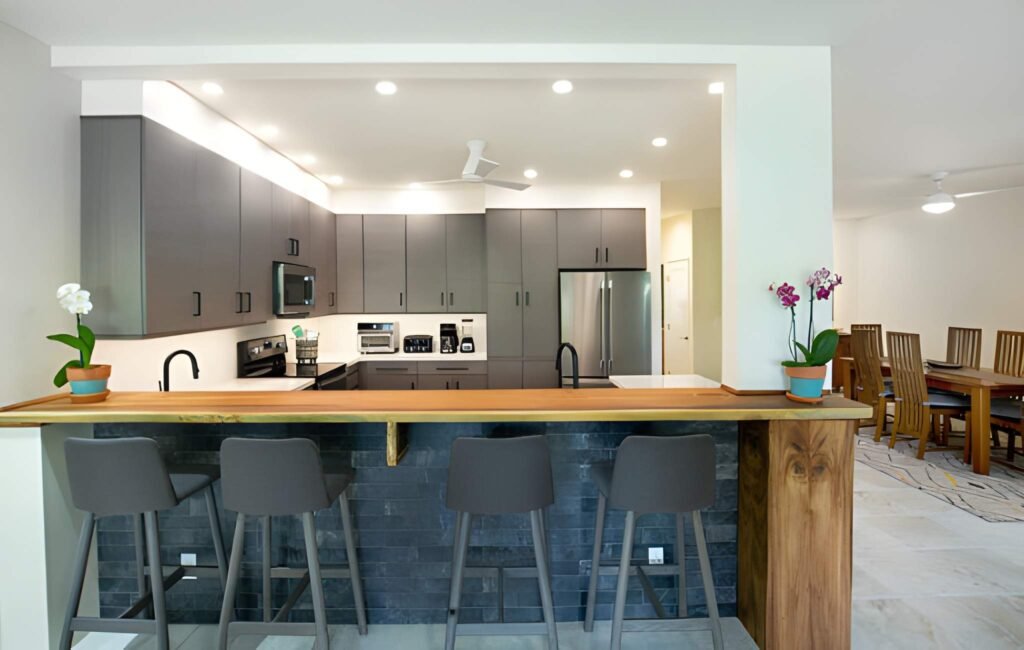

Residential renovation costs exist not as a single number, but as a complex and fluid equation shaped by geography, scope, material choices, and the often-unseen variables lurking behind drywall. The chasm between a homeowner’s initial estimate and the final invoice is where financial stress and project derailment live. Understanding these costs requires moving beyond online calculators and per-square-foot generalizations. It demands a forensic examination of the factors that drive expense, an acceptance of the hierarchy of value, and a strategic approach to aligning dreams with financial reality. A successful renovation is not defined by its lowest bid, but by its most accurate and comprehensive budget.
The Foundational Drivers of Cost
Four primary forces dictate the final price of any residential renovation, and their influence is non-negotiable.
Labor: The Engine of the Project. This is consistently the largest and most misunderstood line item. Labor is not a single cost but an aggregation of specialized trades: the general contractor’s management fee (typically 10-20%), carpenters, plumbers, electricians, tilers, and painters. Their rates are a direct reflection of their skill, insurance, and licensing. A skilled plumber ensuring your new bathroom won’t flood is not an expense; they are a risk-mitigation asset. Labor costs are also intensely regional. The hourly rate for a carpenter in rural Mississippi bears little resemblance to the rate for the same professional in San Francisco or Boston. Attempting to slash labor costs by hiring unlicensed or uninsured contractors is the highest-risk gamble a homeowner can take, potentially leading to catastrophic failures, code violations, and voided insurance claims.
Materials: The Visible and the Unseen. The material budget splits into two distinct categories. The first is the unseen infrastructure: lumber for framing, plywood for subflooring, cement board for wet areas, pipes, wires, and insulation. These items provide the skeleton and nervous system of the renovation. Their quality is paramount, but they offer no aesthetic return. The second category is the finish materials: cabinetry, countertops, flooring, tile, and fixtures. This is where cost can escalate exponentially. The jump from laminate to quartz countertops or from stock to custom cabinetry can represent a five-fold increase in cost. This is the realm of personal choice, where budget must be balanced against desired aesthetic and durability.
Scope and Complexity: The Single Greatest Variable. The difference between a “cosmetic update” and a “full-gut renovation” is a financial canyon. Moving a plumbing wall six inches to accommodate a larger shower involves rerouting water lines, drainpipes, and potentially vent stacks—a cascade of labor and material costs that far exceeds the simple desire for more space. Complexity, such as integrating a new addition with an old roof line, working on a historic home with unusual construction methods, or navigating a hillside property with difficult access, adds layers of engineering and labor time that dramatically inflate the budget.
Project Management and Contingencies: The Budget’s Safety Net. The general contractor’s fee is the cost of a single point of accountability. They manage the symphony of trades, secure permits, schedule inspections, and solve daily problems. This fee is a premium for sanity and efficiency. More critical is the contingency fund. A standard, non-negotiable rule is to allocate 10-15% of the total project budget for unforeseen conditions. This is not a slush fund for upgrades; it is an insurance policy for the unknown. When a wall is opened to reveal knob-and-tube wiring that must be replaced, or a floor is leveled to discover rotted joists, the contingency fund is what allows the project to continue without financial catastrophe.
A Realistic Cost Breakdown by Project Scale
The following tables provide a realistic, national-average cost range for common renovations. These figures assume professional labor and mid-range materials, recognizing that costs in high-cost-of-living areas can be 20-40% higher.
Minor to Mid-Range Interior Renovations
| Project Type | Typical Scope | National Average Cost Range | Key Cost Drivers |
|---|---|---|---|
| Partial Kitchen Update | New cabinets (refaced or stock), laminate counters, new appliances, paint. | $10,000 – $25,000 | Appliance package quality, cabinet sourcing (refaced vs. new stock). |
| Full Bathroom Renovation | Gut to studs, new tub/shower, vanity, toilet, tile, lighting. | $15,000 – $35,000 | Custom tiling vs. standard, plumbing fixture brands, layout changes. |
| Basement Finishing | Framing, insulation, drywall, basic electrical, LVP flooring, egress window, half-bath. | $30,000 – $50,000 | Adding a bathroom, ceiling height, moisture mitigation, egress window requirement. |
| Whole-House Paint & Flooring | Professional painting of walls/trim throughout; replacing flooring in main areas with LVP. | $8,000 – $20,000 | Square footage, ceiling height, floor preparation needs, quality of flooring. |
Major Renovations and Additions
| Project Type | Typical Scope | National Average Cost Range | Key Cost Drivers |
|---|---|---|---|
| Major Kitchen Expansion/Reno | Gut, layout change, semi-custom cabinets, island, quartz counters, pro appliances, flooring. | $45,000 – $80,000+ | Structural changes, custom cabinetry, high-end appliance suites, complex lighting. |
| Primary Suite Addition | Adding a new bedroom, walk-in closet, and bathroom (approx. 300 sq. ft.). | $80,000 – $150,000+ | Foundation work, roofing tie-in, complexity of plumbing/electrical runs, finish level. |
| Whole-House Renovation | Comprehensive update of a 2,000 sq. ft. home, including kitchen, baths, systems, finishes. | $100,000 – $250,000+ | Scope creep, quality of finish materials, updating all major systems (HVAC, electrical, plumbing). |
| Two-Story Addition | Adding significant square footage on both floors (e.g., family room below, bedroom above). | $150,000 – $300,000+ | Engineering, major structural work, matching exterior finishes, integrating with existing floorplan. |
The Hidden and Often Overlooked Costs
Beyond the obvious line items, several costs consistently surprise homeowners.
- Permits and Fees: Building permits, impact fees, and potential HOA approvals can range from a few hundred to several thousand dollars, depending on the project’s scope and locality.
- Design and Architectural Fees: For anything beyond a simple remodel, a designer or architect (5-15% of project cost) is essential for avoiding costly mistakes and ensuring a cohesive result.
- Temporary Relocation: For major whole-house renovations, the cost of renting another home or staying in a hotel for weeks or months must be factored into the total investment.
- Waste Removal: Demolition generates tons of waste. Dumpster rentals and disposal fees are a recurring cost throughout the project.
- Code Compliance: Bringing an older home up to current building codes—which may require adding fire-blocking, upgrading electrical panels, or improving egress—is a mandatory and unpredictable expense.
The Strategic Path to an Accurate Budget
The journey to a realistic budget is a process of due diligence.
- Define Your “Why”: Are you renovating for immediate resale, long-term personal enjoyment, or rental income? This will dictate where you splurge and where you save.
- Get Multiple Detailed Quotes: Solicit at least three itemized quotes from licensed and insured contractors. A detailed quote breaks down labor and material costs for each phase, making it clear what is included and what is not.
- Prioritize Structural over Surface: Allocate funds to ensure the home’s envelope and systems are sound before allocating money to decorative elements. A beautiful kitchen is worthless if the roof leaks above it.
- Communicate Your Budget Openly: Share your total budget with your contractor. A reputable professional will tell you what is feasible within that range and can suggest alternatives to keep the project on track, rather than surprising you with cost overruns later.
Residential renovation cost is not a static figure to be discovered, but a dynamic target to be managed. It is the financial manifestation of a hundred large and small decisions. By respecting the drivers of cost, planning for the unforeseen, and investing in professional expertise, homeowners can navigate this complex terrain. The result is not just a renovated space, but a sound financial investment and the profound satisfaction of a vision brought to life without being undermined by fiscal surprise.