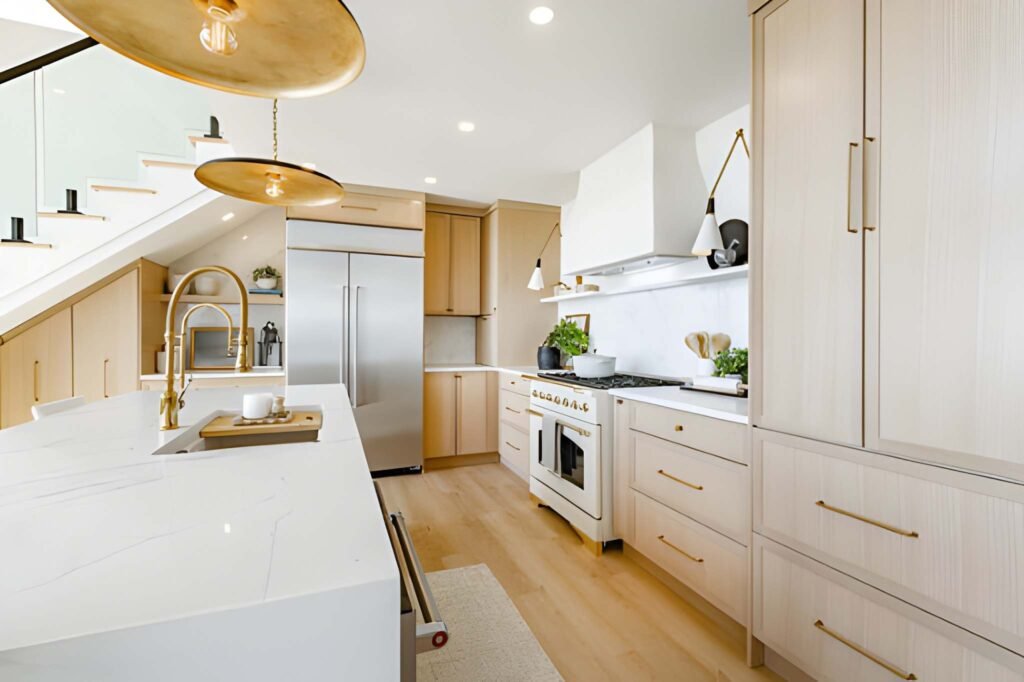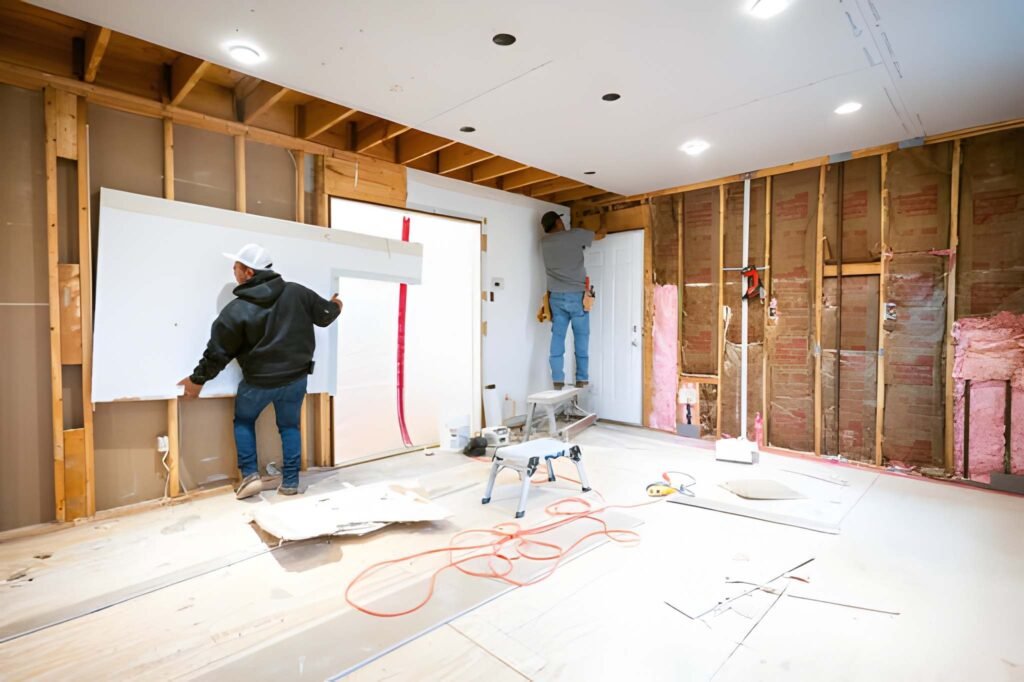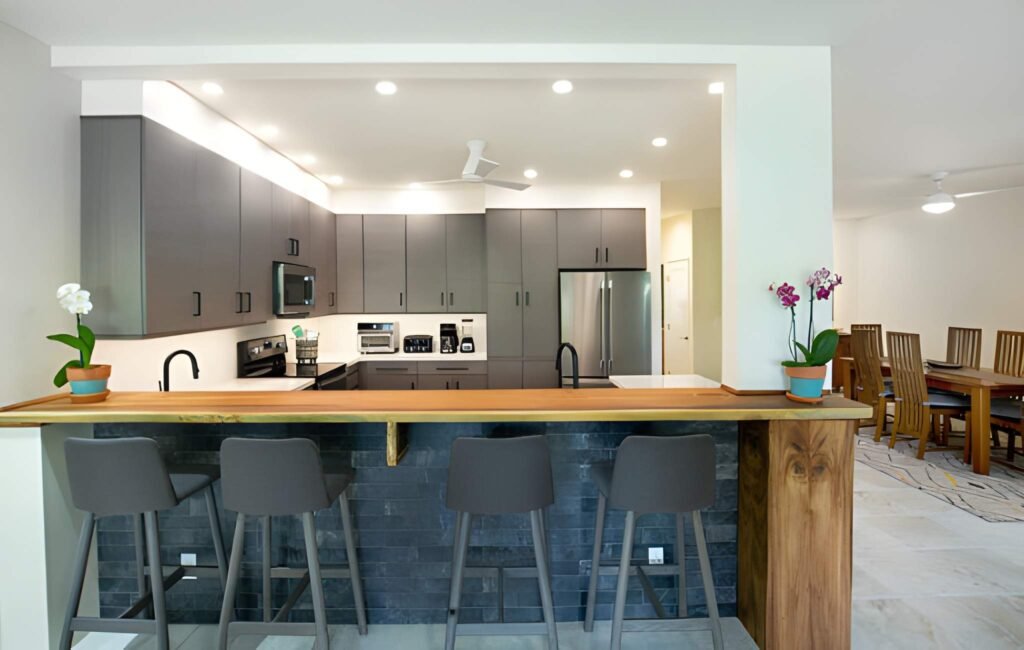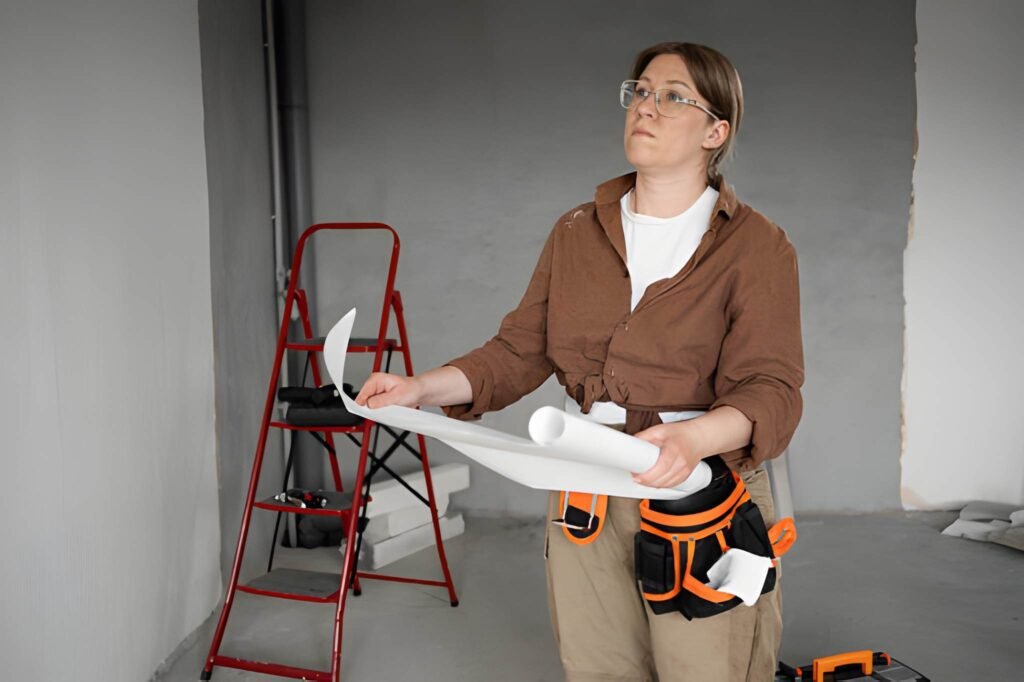
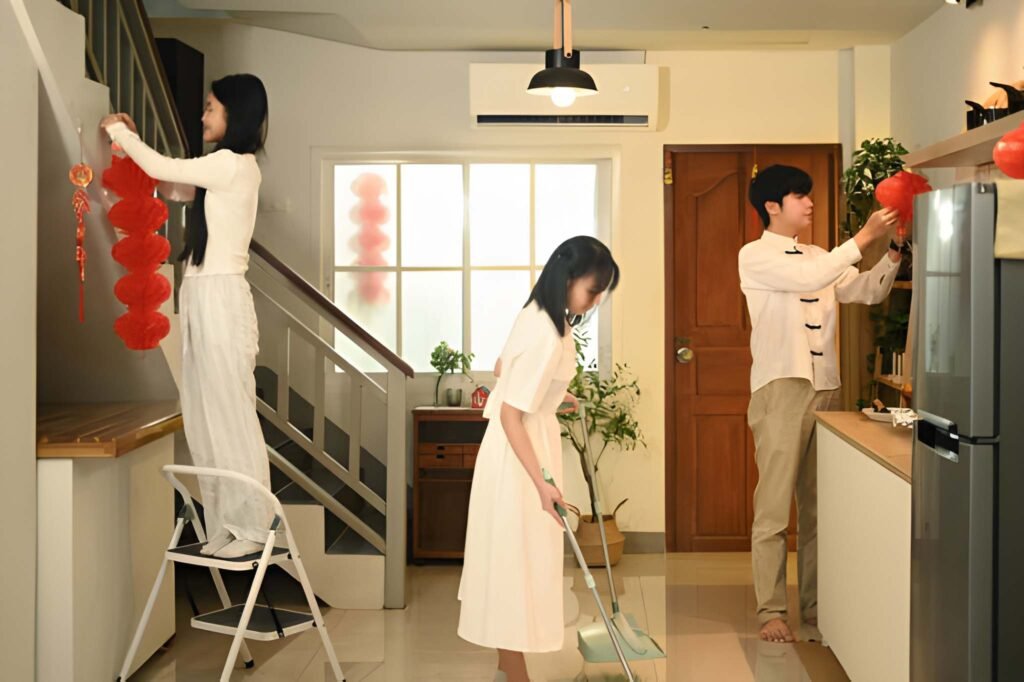
The final hammer blow has landed, the last tile has been grouted, and the contractors have packed their tools. You stand at the threshold of your newly transformed space, ready to embrace its beauty. But between you and that moment of pure enjoyment lies a formidable barrier: a uniform layer of construction dust that has settled over every surface, a fine, gritty film that seems to defy ordinary cleaning. This is the domain of the post-renovation cleaning service, a specialized discipline that marks the crucial transition from a construction site to a livable home. This final phase is not a simple tidying-up; it is a systematic, deep-cleaning protocol designed to combat the unique and pervasive contaminants that remodeling leaves in its wake.
The Unseen Adversary: Understanding Construction Residue
To appreciate the necessity of a professional post-renovation clean, one must first understand the nature of the mess. Construction dust is not common household dust. It is a complex, abrasive, and often hazardous mixture of particulate matter.
This residue includes:
- Silica Dust: A byproduct of cutting and grinding materials like concrete, brick, and stone. This dust is fine enough to become airborne for long periods and is a known respiratory hazard.
- Gypsum Dust: From drywall sanding, this dust is exceptionally fine and charged with static electricity, allowing it to cling to vertical surfaces, inside cabinets, and within HVAC systems.
- Wood Dust: Particles from sawing and sanding lumber and composite materials.
- Fibers and VOCs: Insulation fibers, chemical fumes from paints, stains, and adhesives that have off-gassed and settled onto surfaces.
This particulate matter is more than just unsightly. It is abrasive, capable of scratching fine finishes on appliances, hardwood floors, and glass. It is invasive, finding its way into the smallest crevices, inside electrical outlets, and throughout the home’s ductwork. Standard household cleaning methods and vacuums are not designed to handle this volume or type of debris; a typical home vacuum will simply blow the fine dust through its exhaust and back into the air, worsening the problem.
The Professional Methodology: A Phased and Systematic Approach
A professional post-renovation cleaning service does not simply clean; they decontaminate. Their process is a methodical, multi-stage operation designed to remove the bulk debris first and progress to the finest details, ensuring no particle is merely redistributed.
Phase 1: Gross Debris Removal and Dry Cleaning
The initial focus is on removing the larger, loose debris. This involves:
- Job Site Sweep-Up: Clearing away larger piles of wood scraps, drywall chunks, packaging materials, and other leftover construction waste.
- High-Efficiency Filtration Vacuuming: Using commercial-grade HEPA (High-Efficiency Particulate Air) filtered vacuums is the cornerstone of this phase. HEPA filters trap 99.97% of particles down to 0.3 microns, preventing the recirculation of fine dust. Every surface—floors, window sills, shelves, and the inside of cabinets—is vacuumed before any wet cleaning begins. This step is critical to avoid turning dust into a sticky, hard-to-remove paste.
Phase 2: Detailed Surface Cleaning and Sanitization
With the bulk of the dry debris removed, the team moves to deep cleaning all surfaces. This phase is characterized by its attention to detail and the use of appropriate cleaning solutions for different materials.
- All Surface Wiping: Every horizontal and vertical surface is meticulously wiped down. This includes walls, baseboards, door frames, window frames, and all light fixtures. The goal is to capture the static-clung dust that vacuuming alone may have missed.
- Cabinet Interior and Exterior Care: Inside and out, cabinets and drawers are vacuumed and wiped clean, ensuring no gypsum dust remains to contaminate dishes or linens later.
- Fixture and Appliance Detailing: Sinks, faucets, toilets, tubs, and all new appliances are cleaned, polished, and sanitized, removing any adhesive residue from protective films and construction fingerprints.
Phase 3: Floor Care and Final Touches
Floors receive a multi-step treatment, as they are both a repository for dust and a high-visibility feature.
- Hard Surface Floors: After thorough HEPA vacuuming, floors are mopped with a suitable cleaner for the specific material—be it tile, luxury vinyl, or hardwood. A two-bucket system (one for clean water, one for dirty) is often used to prevent re-depositing dirt.
- Carpeted Areas: New or existing carpets require multiple passes with a HEPA-filtered commercial vacuum. In some cases, a dry compound cleaning method may be used to pull out deeply embedded dust without the moisture of a steam clean, which can set certain residues.
- Final Glass and Mirror Polish: All glass surfaces, including windows and mirrors, are cleaned to a streak-free shine, using a squeegee and professional-grade cleaners to remove the hazy film of construction dust.
Phase 4: Air Quality Management (The Final Frontier)
The most sophisticated post-renovation services address the air itself. After all the surfaces are clean, dust can still linger in the atmosphere, settling back down hours or days later.
- Air Scrubbing: Professionals may use commercial air scrubbers, which pull air through a series of filters, including HEPA filters, to remove the remaining airborne particulate matter.
- HVAC System Cleaning: A critical, though often separate, service is having your ductwork professionally cleaned. During renovation, a tremendous amount of dust is pulled into the return vents of your HVAC system. Without a thorough duct cleaning, your furnace or air conditioner will blow settled construction dust back into your home for months.
The Value Proposition: Why Professional Intervention is Critical
The decision to hire a professional service is an investment in the longevity of your renovation and the health of your household.
- Health and Safety: Proper removal of silica and gypsum dust mitigates respiratory risks for your family, especially for those with allergies, asthma, or other sensitivities.
- Asset Protection: Using the correct techniques and equipment prevents damage to your new investment. Abrasive dust can permanently etch countertops and scratch hardwood floors if not removed properly.
- Time and Sanity: A post-renovation clean of a single room can take a diligent homeowner an entire weekend or more, often with inferior results. Professionals with a crew and industrial equipment can accomplish a far superior clean in a fraction of the time, handing you a truly finished, move-in ready space.
- Comprehensive Results: They tackle the areas most homeowners overlook: the tops of upper cabinets, inside light fixtures, behind toilets, and the delicate tracks of sliding doors.
A post-renovation cleaning service is the essential final brushstroke on the canvas of your remodeling project. It is the critical process that transforms a construction zone—filled with the tangible residue of creation—into a pristine, healthy, and harmonious living environment. It is the definitive act of closure that allows you to fully inhabit and appreciate the new space, confident that every surface is clean, every particle is banished, and the only thing left to settle in is your new life.