
Undertaking an apartment renovation is an operation that goes far beyond simple construction work. It is a strategic project, whether you are an investor, a landlord, or a homeowner preparing for a sale. Success hinges not only on choosing the right paint color but on a methodical approach that combines financial vision, an understanding of the rental or real estate market, and a perfect mastery of the technical and legal constraints specific to condominiums. A well-executed renovation project transforms an ordinary property into a high-performing, attractive, and valuable asset.
The Strategic Phase: Defining the Objective and Budget
Before the first hammer swing, deep reflection must guide every decision. The renovation must be calibrated according to its final objective.
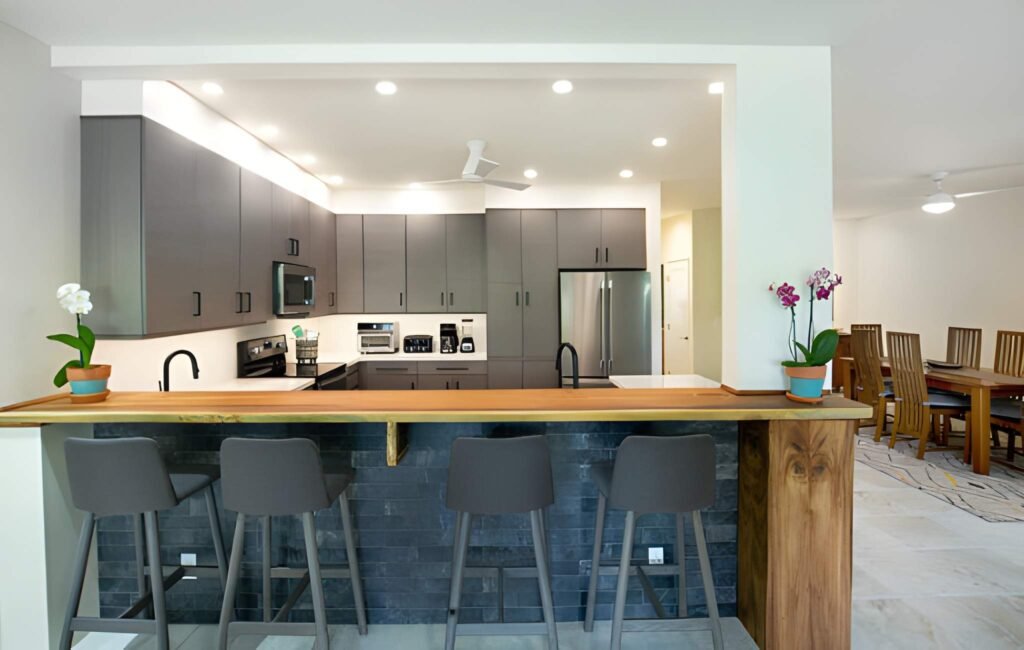
For a Rental Property (Rental Renovation): The goal is yield. The aim is to carry out work that is both durable and aesthetically pleasing to quickly attract solvent tenants, while minimizing costs and future maintenance. The priority is robustness and neutrality. Mid-range finishes are favored (high-pressure laminate, tile with a wood look, washable paint) and standard, reliable equipment. The investment must be calculated to be amortized over a reasonable period through the rent increase obtained. Over-personalization or high-end materials are avoided, as they do not typically generate a proportional return in the rental market.
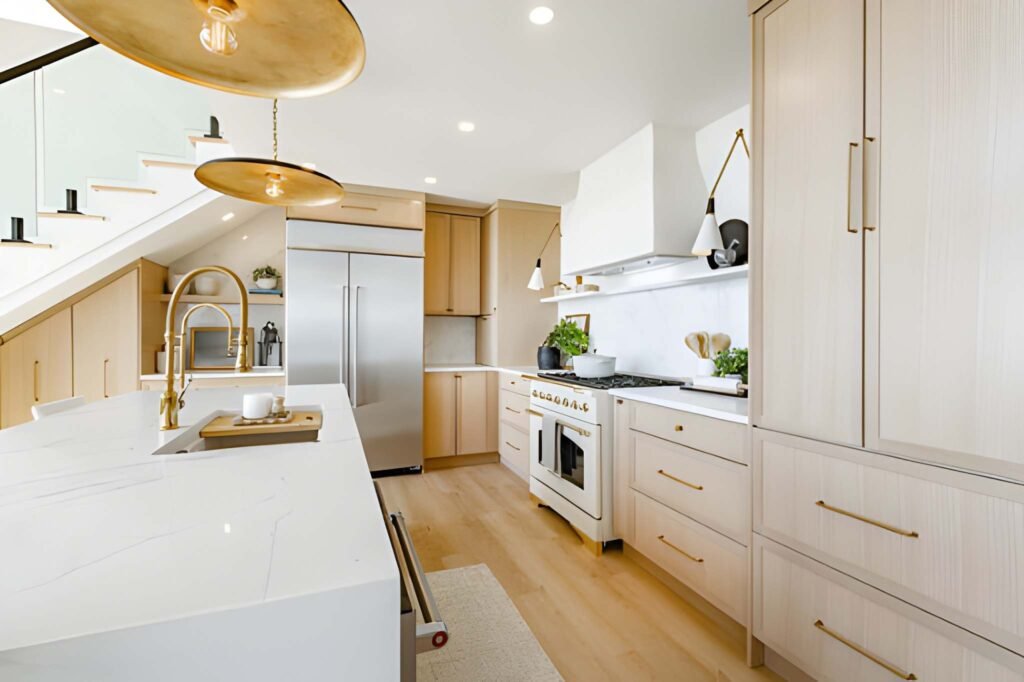
For a Resale (Value-Added Renovation): The objective is capital gain. Here, the strategy is to target the renovations that potential buyers value most. The kitchen and bathroom typically offer the highest return on investment. The choices must appeal to the broadest possible audience: a neutral, bright, and functional aesthetic. The quality of finishes should be a notch above a rental renovation to signal good maintenance and modernity. The budget is defined by the potential selling price of the renovated property in the local market, minus the purchase price and renovation costs, to ensure a satisfactory profit margin.
For Personal Use (Custom Renovation): The objective is quality of life. The budget and choices are then guided by personal taste and long-term needs. There is more freedom to invest in high-end materials, custom layouts, and specific aesthetic details. However, even in this case, a disciplined budget and a clear plan are essential to control costs and avoid over-investing in a property relative to its market value.
Navigating Constraints: The Condominium Framework
An apartment renovation is not like a house renovation. It is governed by a specific set of rules that must be integrated from the outset.
The Condominium Regulations: This is the first document to consult. It often specifies allowed work hours, noise restrictions, and rules for using common areas like elevators and garbage chutes. Some condominiums may even have rules about the types of flooring allowed (often requiring acoustic underlayment) or the movement of materials.
The “Syndic” (Building Management) and Neighbors: Formal notification to the building management is almost always required. For structural work (even non-load-bearing walls), modifications to plumbing or electrical risers, or work affecting the building’s facade, written authorization from the condominium council is mandatory. Proactive and transparent communication with neighbors about the schedule and potential disruptions is not just a courtesy; it is a strategic necessity to prevent conflicts and complaints.
Technical and Structural Limitations: The position of main drains, ventilation shafts, and load-bearing walls often dictates the layout. Major movements of wet areas (kitchen, bathroom) are complex and costly, as they may require authorization and connection to existing building mains. A preliminary diagnosis by a professional can identify potential problems related to electricity, plumbing, or the presence of materials like asbestos, which requires specialized and regulated removal.
The Execution Plan: Phases and Priorities
A successful renovation follows a logical and rigorous sequence.
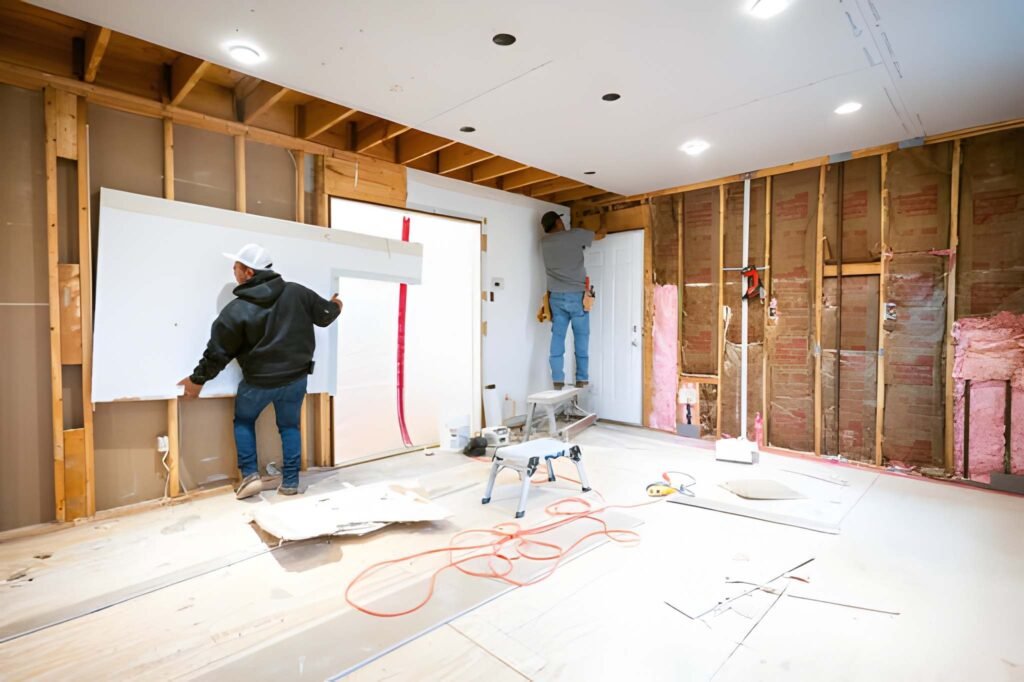
Phase 1: Stripping and Structural Work. This involves removing all old fixtures, flooring, and partitions (if authorized). This is the phase where unforeseen issues, such as mold, insect damage, or non-compliant old wiring, are often discovered. A contingency fund is essential here. Any necessary structural work, such as installing a supporting beam, is done at this stage.
Phase 2: The “Second Oeuvre” (Rough-in Work). This is the installation of the skeleton of the apartment. It includes:
- Electricity and Plumbing: Complete rewiring and new plumbing lines according to the new layout. This work must comply with current norms and is best left to certified professionals.
- Insulation and Soundproofing: Improving thermal and acoustic comfort, especially on party walls and floors.
- Plasterboard and Plastering: Closing up the walls and ceilings to create smooth, clean surfaces.
Phase 3: The “Third Oeuvre” (Finishes). This phase gives the apartment its final appearance.
- Flooring: Installation of the chosen flooring (laminate, tile, engineered wood).
- Painting: Application of paint throughout the apartment.
- Kitchen and Bathroom Fitting: Installation of vanities, bathtubs, showers, toilets, and the entire kitchen unit.
- Tiling: In the bathroom and kitchen.
- Installation of Fixtures: Doors, switches, sockets, and light fixtures.
Phase 4: The Final Touches. Installation of appliances, mirrors, shelving, and final cleaning. A final walk-through is conducted to create a “punch list” of any minor items needing correction.
Budget Management and Key Investments
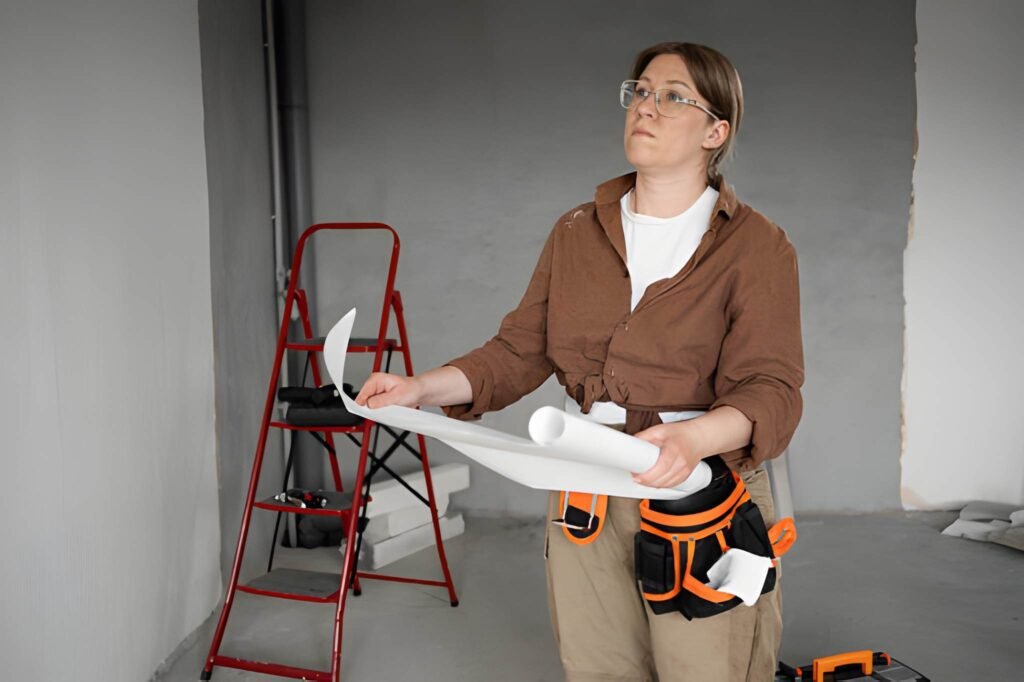
A realistic budget is the cornerstone of the project. It should be broken down in detail.
| Budget Category | Approximate Allocation | Comments |
|---|---|---|
| Kitchen | 25-35% | Includes cabinets, countertop, sink, faucet, and appliances. The biggest single expense. |
| Bathroom | 15-25% | Includes vanity, bathtub/shower, toilet, tiles, and fixtures. |
| Flooring | 10-15% | Includes material and installation for the entire apartment. |
| Painting & Wall Prep | 5-10% | Includes materials and labor for walls, ceilings, and trim. |
| Electricity & Plumbing | 15-20% | A critical, non-negotiable investment for safety and compliance. |
| Doors & Hardware | 3-5% | Includes interior doors and all handles. |
| Contingency Fund | 10-15% | Essential for unforeseen problems. |
The most strategic investments are consistently in the kitchen and bathroom, as they have the greatest impact on perceived value. Choosing timeless, neutral materials ensures the renovation remains appealing for years to come.
Ultimately, a successful apartment renovation is a managed project. It requires a clear strategy, rigorous planning, and careful execution. By understanding the objectives, respecting the constraints, and following a structured plan, the renovation becomes a powerful lever for optimizing a real estate asset, whether for profit, rental income, or personal enjoyment.