A $50,000 kitchen renovation is a significant undertaking that transcends mere remodeling. It is an investment in the core functionality and social dynamics of a home, a project that allows for a complete re-imagining of the space from the studs out. At this budget level, the conversation shifts from “what can we afford to update?” to “what is the ultimate potential of this room?” This is the realm of custom craftsmanship, professional-grade appliances, and architectural alterations. The goal is no longer just a fresh look; it is the creation of a highly personalized, durable, and efficient culinary epicenter that will serve as the home’s undeniable hub for years to come and provide a substantial return on investment.
This guide will navigate the sophisticated decisions inherent in a high-caliber kitchen renovation. We will explore how to allocate funds for maximum impact, the merits of custom versus semi-custom solutions, the integration of professional tools, and the critical importance of investing in the unseen infrastructure that supports the entire venture. This is a blueprint for building a kitchen that is both a statement of personal style and a masterclass in practical design.
The Strategic Foundation: Defining Your Vision
With a budget of this magnitude, a clear and cohesive vision is the first and most critical investment. The choices are vast, and without a guiding principle, the result can feel expensive but disjointed. The vision must balance three core pillars:
- Personal Utility: How do you, specifically, use your kitchen? Are you an entertainer who needs multiple work zones and a generous island? A serious cook who requires specialized appliances and robust ventilation? A family that needs durable surfaces and intelligent storage for lunchboxes and homework?
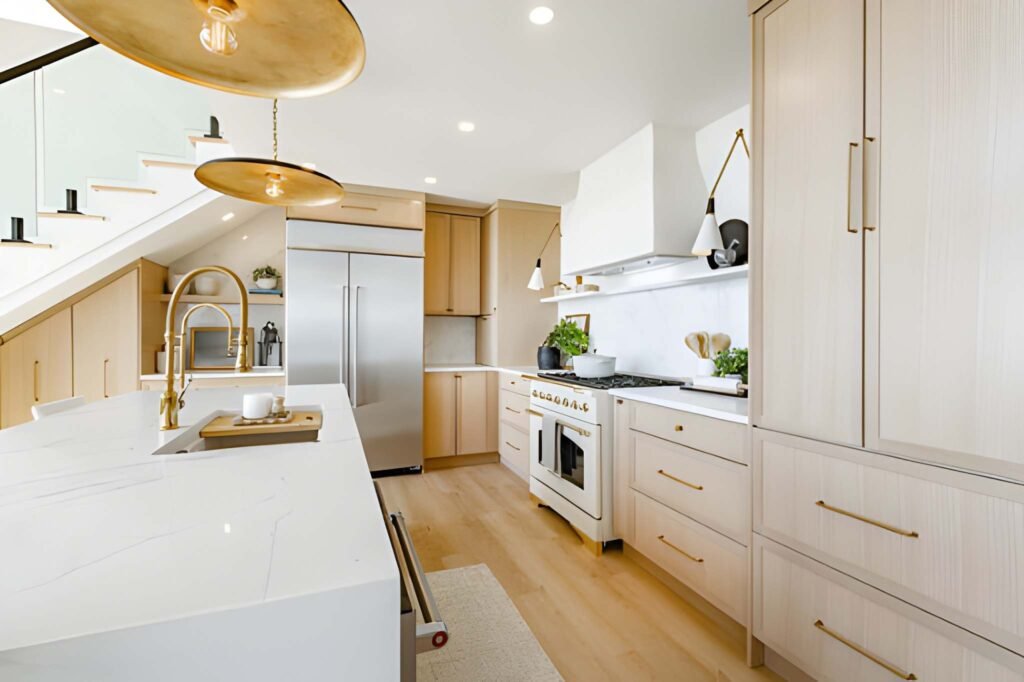
- Architectural Integrity: The new kitchen should feel like a natural and original part of the home. Its style should respect the home’s architecture, whether it’s a Craftsman bungalow or a modern loft. A $50,000 renovation has the budget to include custom details that create this harmony, such as panel-ready appliances, custom millwork, and intentional transitions in flooring and trim.
- Long-Term Value: While personalized, the design should avoid trends that will feel dated in five years. The focus should be on timeless materials, classic proportions, and high-quality mechanics that will appeal to future buyers, thereby protecting your financial investment.
The Power of Layout and Architectural Change
The most profound transformation at this budget level often comes from altering the kitchen’s fundamental layout. Simply replacing what exists with more expensive versions is a missed opportunity.
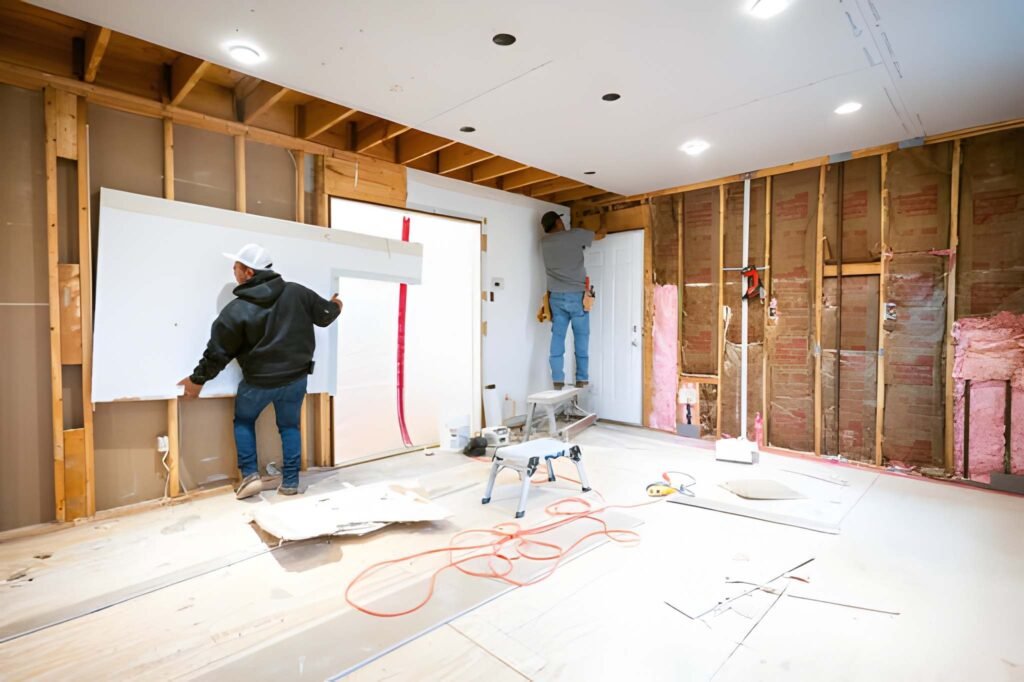
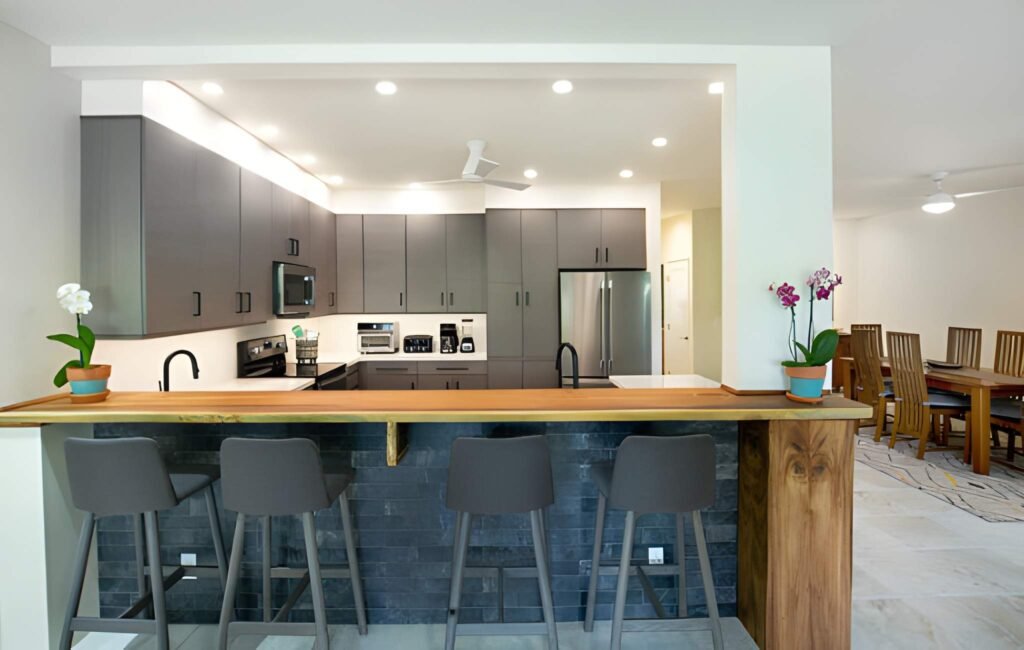
Opening the Space: A significant portion of the budget may be allocated to removing walls—even load-bearing ones. This involves engineering assessments, the installation of a steel beam or laminated veneer lumber (LVL) header, and the subsequent repair of ceilings and floors. The reward is an open-concept living area that improves traffic flow, sightlines, and natural light, fundamentally changing how the home lives and feels.
Strategic Additions: For some homes, the best use of funds is a small bump-out addition. Gaining even a few feet can make room for a pantry, a breakfast nook, or a more functional island. This is a more complex endeavor involving foundation work, roofing, and siding matching, but it can solve core spatial deficiencies that no amount of interior reconfiguration can.
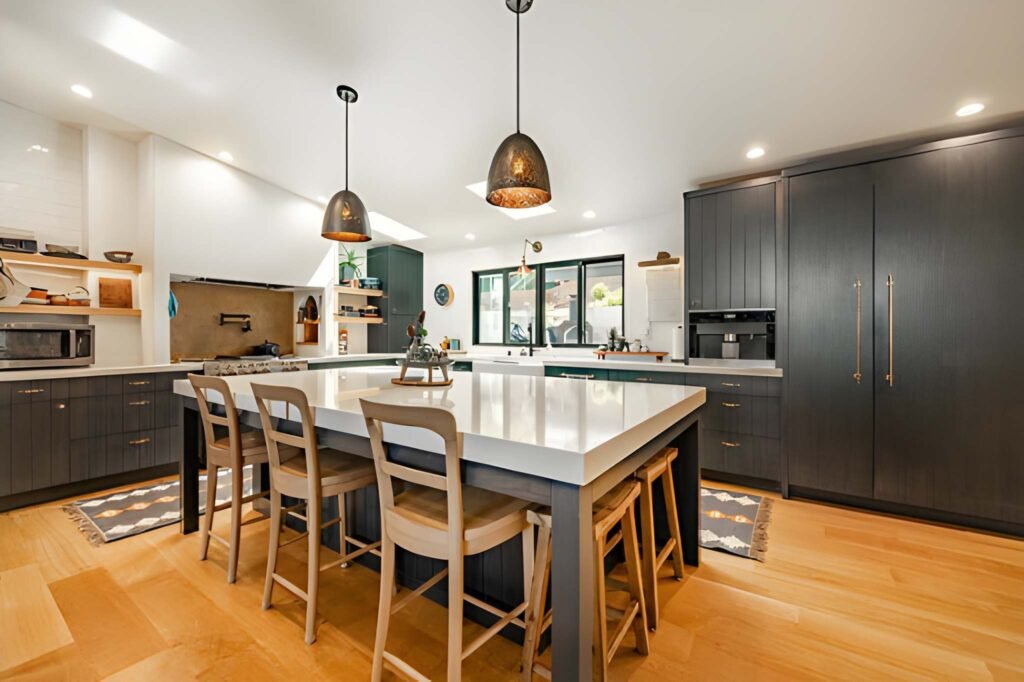
The “Working Triangle” and Beyond: Modern kitchen design has evolved beyond the simple sink-fridge-stove triangle. The $50,000 kitchen can incorporate distinct zones: a prep zone with dedicated refrigeration and sink, a cooking zone with ventilation and specialized appliances, a cleanup zone with smart waste sorting, and a beverage station. The layout facilitates a seamless workflow between these areas, often anchored by a central island that serves as a command center.
The Budget Allocation: A Strategic Blueprint for $50,000
A project of this scale demands a meticulous and pre-meditated financial plan. Labor and professional fees will consume a larger share than in a smaller remodel, reflecting the complexity of the work.
Table 1: Detailed $50,000 Kitchen Renovation Budget Allocation
| Category | Allocation | Rationale & Specifications |
|---|---|---|
| Cabinetry & Storage | $18,000 – $22,000 | The centerpiece. This covers full-custom or high-end semi-custom cabinets with features like dovetail drawer boxes, soft-close mechanisms, and specialized organizational inserts (spice pull-outs, tray dividers, etc.). |
| Appliances | $10,000 – $12,000 | The realm of professional-style or integrated models. A 48″ range, a panel-ready refrigerator, a quiet dishwasher, and a powerful external-ventilation hood are achievable. |
| Labor & Professional Fees | $10,000 – $12,000 | Covers the general contractor, skilled tradespeople (carpenters, plumbers, electricians, tilers), and potentially a designer for space planning. |
| Countertops | $4,000 – $6,000 | Allows for premium natural stone (slab granite, marble, or quartzite) or high-end, large-format quartz. Includes a professional template and expert installation. |
| Architectural Changes | $3,000 – $5,000 | A dedicated fund for wall removal (including engineering and beam installation) or other structural modifications. |
| Flooring | $2,500 – $4,000 | Site-finished hardwood to match the rest of the home or premium luxury vinyl plank installed throughout the new open-plan area. |
| Lighting & Electrical | $2,000 – $3,000 | A comprehensive plan: LED recessed lighting on multiple circuits, under-cabinet task lighting, statement pendants, and dedicated appliance outlets. |
| Plumbing & Fixtures | $1,500 – $2,500 | A professional-grade, pull-down faucet; a pot filler over the range; and a high-quality undermount sink (16-gauge stainless or fireclay). |
| Backsplash & Wall Finish | $1,500 – $2,500 | Handmade or specialty tile, perhaps in a complex pattern like herringbone or a stacked bond, installed by a skilled professional. |
| Contingency (15%) | $7,500 | Non-negotiable. This fund is for unforeseen issues like outdated wiring, plumbing surprises, or subfloor rot discovered during demolition. |
The Cabinetry: The Custom Distinction
At $50,000, stock cabinets are no longer a consideration. This budget places you firmly in the territory of semi-custom or full-custom cabinetry.
Full-Custom Cabinetry: Built from scratch by a cabinetmaker to your exact specifications. This is the ultimate solution for challenging spaces, unique storage needs, and a completely personalized aesthetic. You have unlimited choices in wood species, door style, finish, and interior fittings. The cabinetry becomes built-in furniture, tailored to the millimeter.
High-End Semi-Custom: Offered by many reputable companies, these lines provide a vast array of standard sizes, styles, and finishes that can be mixed and matched. They offer tremendous flexibility and a high-quality product, often with quicker lead times than full-custom.
Key differentiators at this level include:
- Panel-Ready Appliances: The refrigerator and dishwasher are concealed behind cabinet panels that match the rest of the kitchen, creating a seamless, integrated look.
- Specialty Storage: Think of vertical tray storage, deep drawers for pots, built-in knife blocks, appliance garages, and pantry systems with pull-out shelves.
- Quality of Construction: Look for solid wood frames, plywood boxes (more stable than particleboard), dovetail drawer joints, and full-extension, soft-close hardware.
The Appliance Suite: Performance as a Priority
This budget allows you to select appliances for their professional performance, not just their aesthetic.
The Range: The centerpiece of many high-end kitchens. Options include a 36″ or 48″ gas range with a high-BTU output and a convection oven, or a dual-fuel model combining a gas cooktop with an electric oven for precise baking. Induction cooktops are another premium, highly efficient option.
Ventilation: This is where many renovations under-invest. A powerful range demands an equally powerful hood that vents to the exterior. An underpowered hood will leave your kitchen greasy and smelly. The budget should include a high-CFM (cubic feet per minute) hood, and the design should accommodate the necessary ductwork.
Integrated Cooling: A panel-ready refrigerator and freezer columns blend seamlessly into the cabinetry. For true culinary enthusiasts, this budget could also include an under-counter wine refrigerator or a freezer drawer in the island for easy access.
The Unseen Investments: The Engine of the Kitchen
The true quality of a $50,000 kitchen is found in what you don’t see.
Professional-Grade Infrastructure: This includes upgrading electrical circuits to support high-draw appliances, ensuring plumbing supply lines are robust, and even considering a water filtration system or a hot water recirculation pump for instant hot water at the tap.
Lighting as Architecture: A layered lighting plan is executed by an electrician. This includes:
- Ambient Lighting: Dimmable LED recessed lights (“cans”) placed to eliminate shadows.
- Task Lighting: In-cabinet or under-cabinet LED strips providing perfect illumination for food prep.
- Accent Lighting: Interior cabinet lighting to showcase glassware or puck lights in open shelving.
- Focal Lighting: Statement pendant lights over the island.
Durability and Safety: Investment in proper backing for tile, waterproofing in wet areas, and the selection of durable, easy-to-clean materials throughout ensures the kitchen will not only look beautiful but will also withstand the rigors of daily use for decades.
The Execution: A Symphony of Skilled Trades
A renovation of this complexity is not a DIY project. It requires a skilled general contractor to manage a sequence of specialized trades: the demolition crew, the structural engineer (if needed), the framer, the electrician, the plumber, the drywaller, the cabinet installer, the countertop fabricator, the tile setter, and the painter. The timeline is typically 8 to 14 weeks from planning to completion, with a significant portion of that time dedicated to the design and material procurement phase.
Conclusion: The Culmination of Vision and Investment
A $50,000 kitchen renovation is a transformative endeavor. It is the point at which a kitchen ceases to be just a room for meal preparation and becomes the true, custom-crafted heart of the home. By strategically allocating funds toward a improved layout, custom cabinetry, professional-grade appliances, and the critical unseen infrastructure, you create a space that is uniquely tailored to your life. This investment yields a daily dividend in effortless functionality, aesthetic pleasure, and the quiet confidence that comes from owning a kitchen built to the highest standards of quality and design. It is not merely an upgrade; it is a legacy feature of your home.