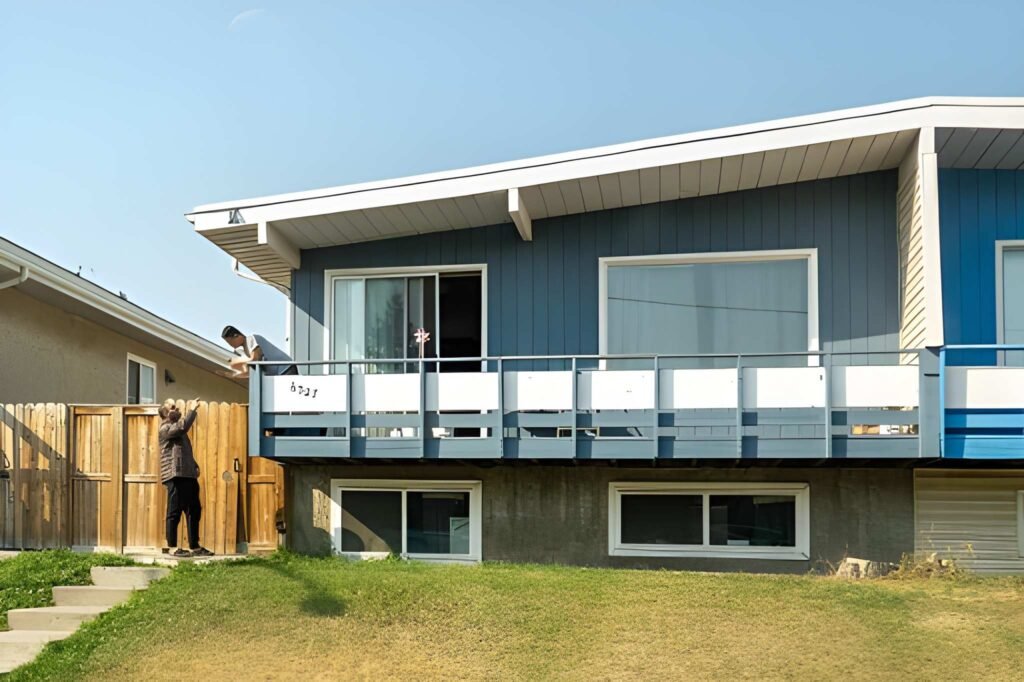
A forty-thousand-dollar home renovation represents a significant threshold in residential improvement. This budget moves beyond cosmetic updates and single-room refreshes into the realm of substantive, structural change. It is a sum that allows homeowners to address the core functionality and aesthetics of their most valuable asset simultaneously. With $40,000, you can fundamentally alter the flow and feel of your home, tackle long-deferred maintenance, and make strategic investments that yield substantial returns in both daily enjoyment and property value. The critical factor for success is no longer just choosing the right project, but mastering the balance between aesthetic desires and mechanical necessities, ensuring the finished product is not only beautiful but also sound, efficient, and enduring.
The Strategic Imperative: Balancing Aspiration with Infrastructure
At this budget level, the potential for misallocation grows exponentially. The allure of high-end finishes can quickly consume funds that should be reserved for the unseen systems that make a house safe and comfortable. The guiding principle for a $40,000 renovation must be holistic integration. This means every project plan should consider both the visible outcome and the underlying infrastructure that supports it. Are you redesigning a kitchen? The budget must account for the potential need to update underlying electrical circuits to support modern appliances. Are you finishing a basement? A portion of funds must be dedicated to moisture mitigation and insulation before a single stud wall is framed.
Your overarching goal dictates the allocation strategy. The following table outlines the primary strategic vectors for this level of investment:
| Strategic Vector | Primary Focus | Ideal For |
|---|---|---|
| The Kitchen & Bathroom Power Play | Maximizing ROI and daily luxury through the home’s two most valuable rooms. | Homeowners preparing to sell or those who value high-use, high-impact spaces. |
| The Foundation & Systems Overhaul | Investing in the long-term health, safety, and efficiency of the property. | Owners of older homes (1970s-90s) with aging core systems, planning to stay long-term. |
| The Square Footage & Flow Expansion | Redefining the home’s layout and adding functional space without a full addition. | Families feeling cramped in a structurally sound home with a poor floor plan. |
Each vector requires a different mindset. The “Power Play” is about premium finishes and emotional impact. The “Overhaul” is about foresight and risk mitigation. The “Expansion” is about reimagining the existing footprint. The most successful $40,000 renovations often blend elements from two of these vectors.
Archetypal Project Scopes and Budget Allocations
With a clear strategy, you can develop a detailed project scope. The following are realistic, high-impact endeavors for a $40,000 budget, assuming the use of professional contractors for complex work.
1. The Comprehensive Kitchen and Bathroom Update
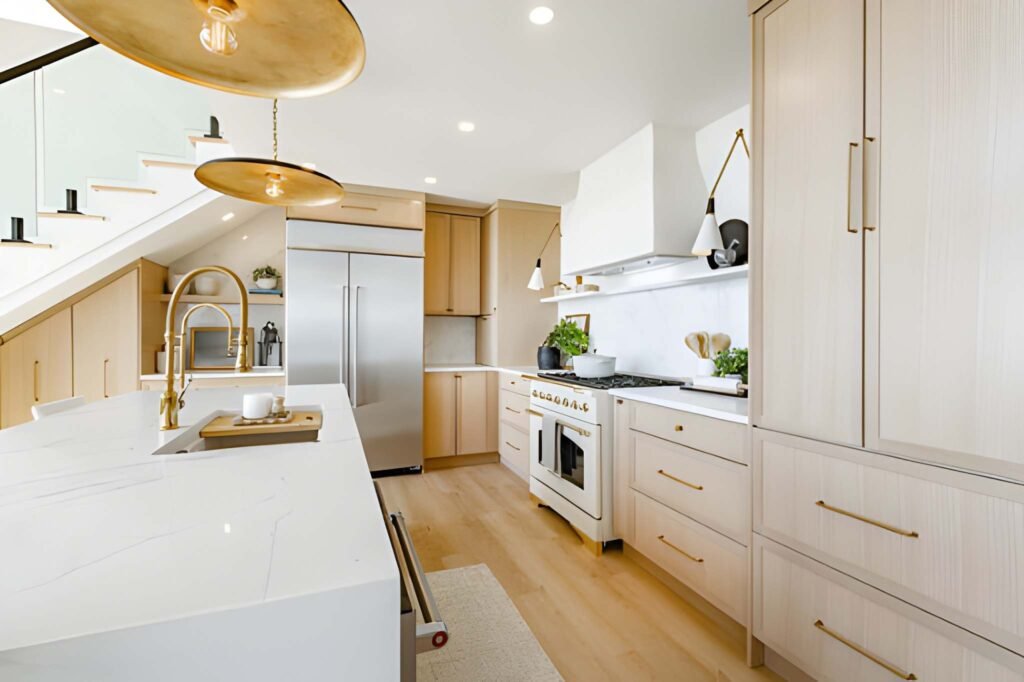
This is the classic high-ROI path, and $40,000 allows you to execute both projects to a high standard without compromise. You are not just resurfacing; you are potentially reconfiguring layouts and investing in professional-grade appliances and fixtures.
A detailed budget breakdown might look like this:
Kitchen Renovation: $25,000
- Cabinetry (Semi-Custom): $8,000 – $12,000. This allows for a fully new layout with dovetail drawer boxes and soft-close hinges, a significant step up from refacing.
- Countertops (Quartz or Granite): $4,000 – $6,000. Ample budget for a large island and full perimeter counters.
- Appliances (High-End Package): $6,000 – $8,000. A suite of built-in or pro-style appliances from a premium brand.
- Backsplash, Flooring, Sink, Faucet: $3,000 – $4,000.
- Labor, Electrical, Plumbing Rough-In: $4,000 – $5,000.
Primary Bathroom Renovation: $15,000
- Demolition, Waterproofing, & Rough-In: $3,000 – $4,000.
- Walk-in Shower with Custom Tile & Glass Enclosure: $4,000 – $5,000.
- Vanity, Countertop, & Faucets: $2,500 – $3,500.
- Flooring, Lighting, Toilet, Accessories: $2,000 – $2,500.
- Labor (Tile, Plumbing, Electrical): $3,500 – $4,000.
This approach transforms the two rooms that most influence a home’s value and the homeowner’s daily routine, delivering a complete and cohesive feel.
2. The “Whole-House Health” Package
For an older home that is structurally sound but systematically dated, $40,000 can be a life-extending investment that modernizes its core functions and improves efficiency. This is a less glamorous but profoundly wise use of capital.
A potential allocation:
| System/Project | Estimated Cost | Rationale & Impact |
|---|---|---|
| HVAC System Replacement | $10,000 – $15,000 | Replacing a 20+ year old furnace and air conditioner with a high-efficiency heat pump improves comfort, air quality, and cuts energy bills by 30-50%. |
| Roof Replacement | $12,000 – $18,000 | A new roof with modern synthetic underlayment and architectural shingles protects the entire structure from water damage and adds curb appeal. |
| Window Replacement (Partial) | $8,000 – $10,000 | Replacing the most leaky or damaged windows on the main floor with double-pane, low-E units reduces drafts, noise, and UV damage to interiors. |
| Electrical Panel Upgrade | $2,500 – $4,000 | Replacing a 100-amp fuse box or a outdated breaker panel with a new 200-amp panel is a critical safety upgrade that supports modern electrical loads. |
This path prioritizes the long-term integrity of the asset. While it lacks the immediate visual satisfaction of a new kitchen, it provides peace of mind and prevents catastrophic future failures, making the home safer, cheaper to operate, and more attractive to discerning buyers.
3. The Basement Finishing and Main Floor Reconfiguration
This path is about creating space and improving flow without pouring a new foundation. It is ideal for a family that needs more functional living area.
Basement Finish: $25,000 – $30,000
This budget creates a legitimate, comfortable living space, not a dark, damp rec room.
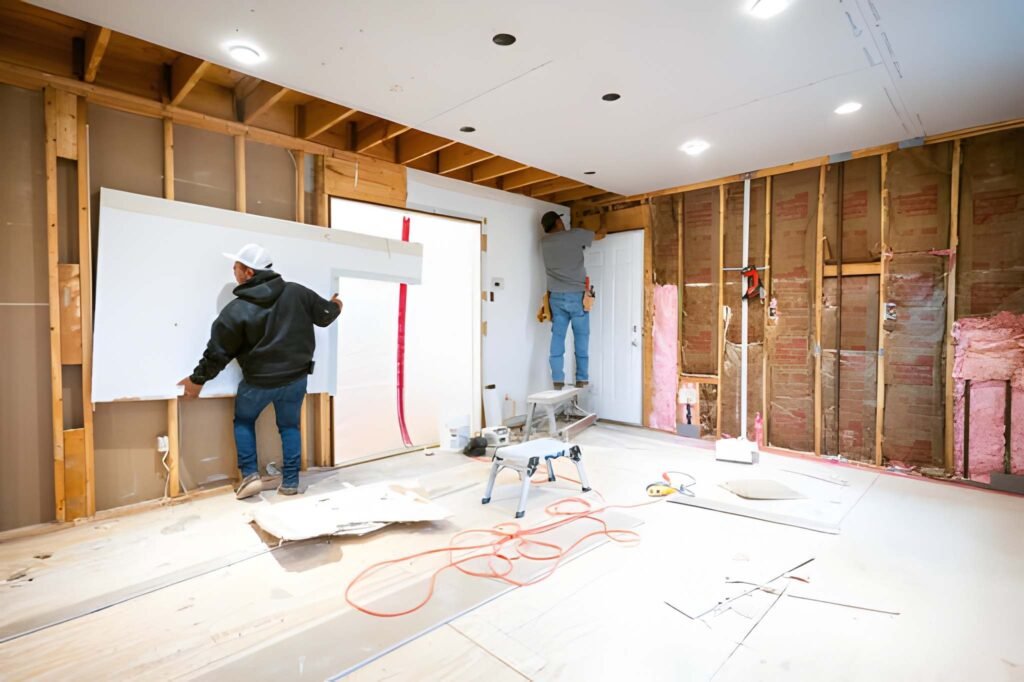
- Framing, Insulation, & Drywall: $7,000 – $9,000.
- Electrical, Lighting, & Egress Window Installation: $4,000 – $6,000 (the egress window is a non-negotiable safety and code requirement for a bedroom).
- Flooring (LVP) & Ceiling: $3,000 – $4,000.
- Bathroom Rough-In & Finish: $5,000 – $7,000 (adding a half-bath or full bath is a huge value-add).
- Paint, Trim, Doors: $2,000 – $3,000.
Main Floor Flow Improvement: $10,000 – $15,000
The remaining budget can be used to redefine the main living area.
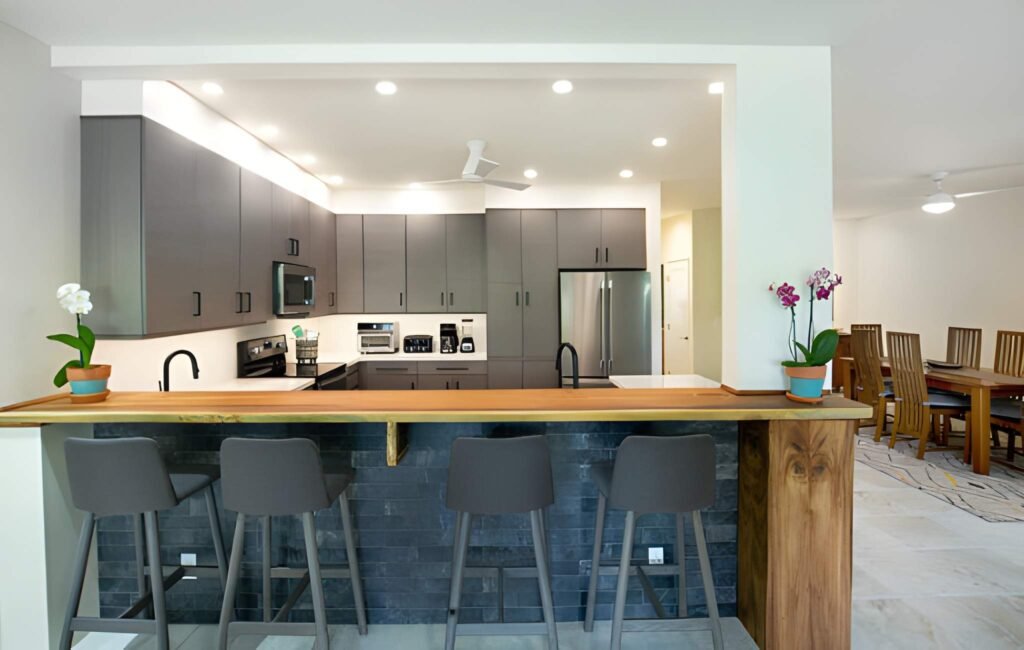
- Removing a Non-Load-Bearing Wall: $2,000 – $4,000. Opening a wall between a kitchen and living room can transform a cramped layout into an open-concept great room.
- New Consistent Flooring throughout Main Floor: $5,000 – $7,000.
- New Interior Paint & Updated Lighting throughout: $3,000 – $4,000.
This combined approach effectively adds an entire floor of livable space and modernizes the home’s core layout, a powerful one-two punch that addresses both quantity and quality of space.
The Execution: Navigating Complexity and Contingencies
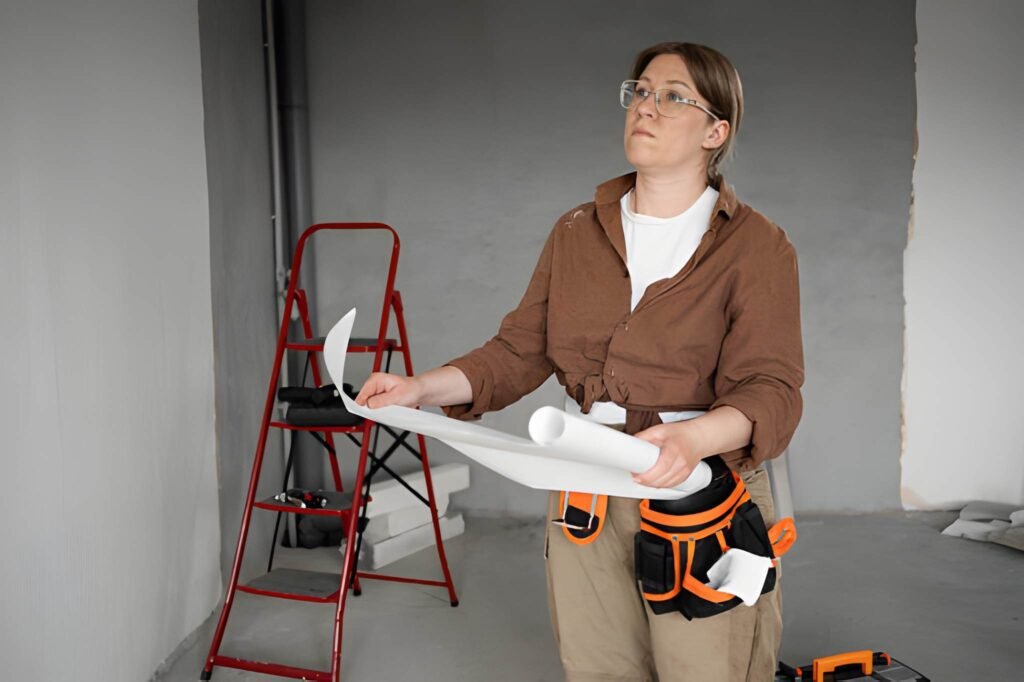
A $40,000 project introduces a level of complexity that demands professional management. The role of the general contractor becomes crucial. A reputable GC provides a single point of accountability, manages the sequencing of trades (e.g., plumbers and electricians must work before drywall installers), and pulls the necessary permits. Their fee, typically 10-20%, is justified by their ability to prevent costly mistakes and delays.
Your contingency fund must be robust. At this budget, a 15% contingency ($6,000) is the absolute minimum. When walls are opened, surprises are revealed. You may discover outdated knob-and-tube wiring that must be replaced, or a plumbing stack that needs relocation. The contingency fund is your insurance policy against these inevitabilities; without it, you may be forced to make devastating compromises mid-project.
Material selection also becomes more nuanced. This budget allows you to move beyond big-box store standard offerings. You might invest in custom millwork for built-in shelving, commercial-grade tile for the shower, or a solid wood front door. The key is to allocate premium materials where they have the most tactile and visual impact—countertops, flooring, and primary light fixtures—while using durable, cost-effective materials in less prominent areas.
A $40,000 home renovation is a pivotal moment in a homeowner’s journey. It is a project of sufficient scale to solve real problems and create genuine delight. Its success is not defined by the cost of its individual components, but by the synergistic effect of its planning. Whether you channel it into creating a chef’s kitchen and a spa-like bath, fortifying your home’s aging systems against the future, or unlocking hundreds of square feet of new living area, this investment demands and rewards a strategic, disciplined, and holistic vision. The result is a home that is not merely updated, but thoughtfully and fundamentally improved.