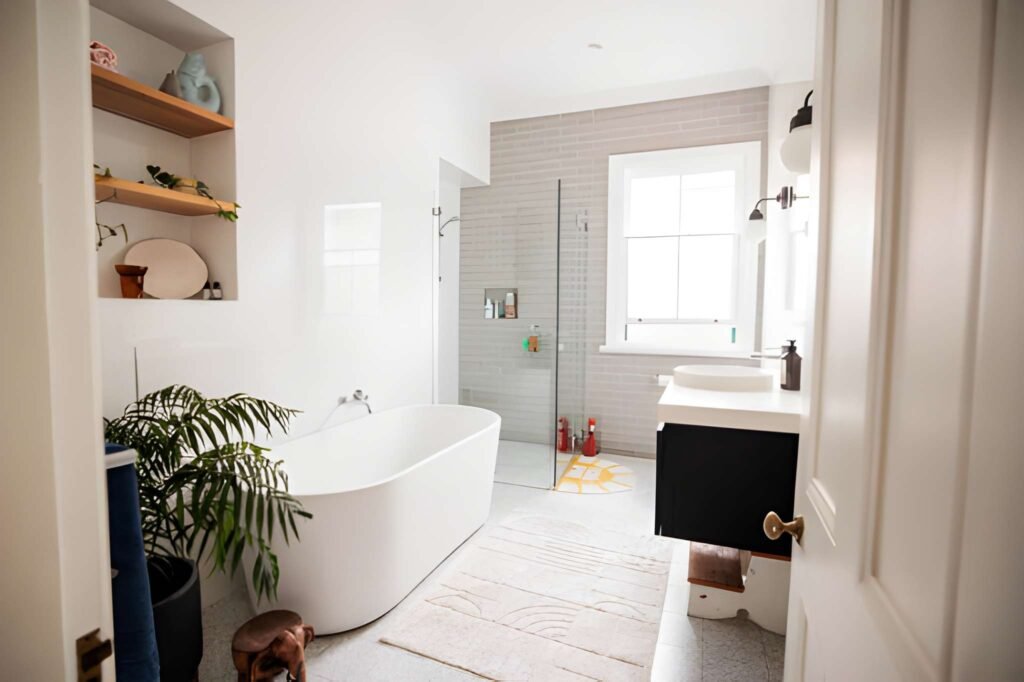
The bathroom occupies a unique space in the American home. It is a private sanctuary for relaxation, a utilitarian space for daily routines, and a critical factor in a home’s resale value. A $20,000 renovation budget for a bathroom is a significant investment, placing this project in the realm of a full, high-quality transformation. This budget allows you to move beyond simple updates and address the core anatomy of the space—the layout, the plumbing, the lighting, and the finishes—to create a room that is both a personal retreat and a smart financial decision. This guide provides a master plan for navigating a $20,000 bathroom renovation, balancing material choices, labor costs, and design aspirations to achieve a result that is durable, beautiful, and profoundly functional.
We will explore how this level of funding enables decisions that are simply not possible in a lower-budget remodel, such as reconfiguring the footprint, installing a custom shower system, or selecting statement tiles. The focus is on creating a cohesive environment where every element, from the water-resistant backing behind the walls to the finish on the faucet, is selected with intention and an understanding of its long-term impact.
The Strategic Scope of a $20,000 Bathroom
With $20,000, the project scope expands dramatically. This is not a cosmetic refresh; it is a gut renovation. The philosophy shifts to “reset and rebuild.” This budget typically assumes a standard-sized bathroom of roughly 50 to 100 square feet—typically a primary bath or a main hall bathroom. The key strategic advantage at this price point is the ability to improve the layout. You can consider moving the toilet, shifting the shower, or expanding into a nearby closet. This requires investing in professional labor for plumbing and carpentry, but the payoff in daily comfort and home value is immense. The goal is to create a bathroom that feels entirely new, not just newly decorated, by addressing the underlying structure and flow of the space.
The Critical First Step: Layout and Feasibility
Before selecting a single tile, you must determine the spatial possibilities. The layout is the foundation upon which everything else is built, and it is the primary driver of cost.
Working Within the Existing Footprint: This is the most budget-friendly approach. By keeping all major plumbing fixtures—toilet, shower, and sink—in their current locations, you save thousands of dollars on labor and materials for moving drain lines and water supply pipes. This approach allows you to allocate more of your budget to premium materials like a custom shower base, a frameless glass enclosure, or high-end flooring.
Reconfiguring the Layout: With $20,000, altering the floor plan becomes a realistic option. This could involve:
- Converting a tub/shower combo into a large, walk-in shower.
- Moving the toilet to a more discreet location.
- Replacing a single vanity with a double-sink model.
- Stealing a few feet from an adjacent closet to enlarge the shower.
The cost of moving plumbing stacks can range from $500 to $2,500 per fixture, depending on the complexity and distance. A good designer or contractor can help you weigh the cost-benefit of a new layout versus the quality of finishes you can afford within the existing one.
The Detailed Budget Allocation: A Zero-Sum Game
A $20,000 bathroom renovation demands a rigorous and pre-meditated budget. Unforeseen issues are common in bathrooms, given the concentration of plumbing and moisture, so a robust contingency is not a suggestion but a requirement.
Table 1: Detailed $20,000 Bathroom Renovation Budget
| Component | Allocation | Rationale & Specifications |
|---|---|---|
| Labor & Professional Fees | $6,000 – $8,000 | The single largest cost. Covers a general contractor or skilled trades for demolition, rough-in, framing, installation, and project management. |
| Shower/Tub Area | $4,000 – $5,500 | Includes a custom tiled shower pan or a high-quality acrylic base, wall tile, a shower valve, trim, and a rainfall showerhead. May also include a frameless glass enclosure ($1,200-$2,500). |
| Vanity, Sink & Countertop | $2,000 – $3,000 | A semi-custom vanity with a solid wood frame and soft-close doors. Includes a solid surface countertop (quartz) and an undermount sink. |
| Plumbing Fixtures | $1,000 – $1,500 | A thermostatic/pressure-balance shower valve, tub filler, and a quality vanity faucet from a reputable brand (Delta, Kohler, Moen). |
| Tile & Flooring | $1,500 – $2,500 | Includes durable, slip-resistant porcelain or ceramic tile for the floor and wall tile for the shower and/or wainscoting. Includes mortar, grout, and sealing. |
| Toilet | $400 – $800 | An efficient, comfort-height, elongated bowl model. Possibly a skirted design for easier cleaning. |
| Lighting, Ventilation & Electrical | $1,000 – $1,500 | Upgrading to a code-compliant GFCI circuit, installing a humidity-sensing vent fan, adding waterproof LED recessed lighting, and sconces at the mirror. |
| Contingency (15%) | $3,000 | Non-negotiable. This fund is for unforeseen issues like rotten subfloor, corroded plumbing, or the need to upgrade wiring. |
This allocation is a strategic blueprint. A homeowner who dreams of a sprawling, fully tiled steam shower may allocate more from the vanity and toilet categories to that area. The budget is a dynamic tool that must reflect your personal priorities.
The Wet Room: Shower and Tub Strategy
The bathing area is the heart of the bathroom and deserves a significant portion of the budget. The decision between a tub and a shower is one of the most consequential.
The Walk-In Shower: This is the modern standard for a primary bathroom and a wise use of funds. A $20,000 budget allows for a custom, tiled shower that feels like a spa.
- Shower Base: A professionally poured and sloped mortar bed with a waterproof membrane (a “custom pan”) is the gold standard for durability and leak prevention.
- Shower System: This is where performance meets pleasure. You can invest in a thermostatic valve that maintains precise water temperature and a separate rainfall showerhead and a handheld sprayer.
- Enclosure: A frameless glass enclosure is a premium upgrade that makes the space feel larger and more open. It is a significant cost but provides a high-end finish.
The Bathtub: If a tub is a necessity for your household, the choices are:
- Alcove Tub: A standard tub/shower unit is the most affordable option. You can select a deeper, soaker-style model for improved comfort.
- Freestanding Tub: This is a statement piece that serves as the room’s focal point. It requires a larger space and a dedicated floor-mounted tub filler, adding to the cost. With a $20,000 budget, a freestanding tub is feasible but will require compromises elsewhere, such as on the vanity or tile selections.
The Vanity and Storage: The Functional Centerpiece
The vanity is the bathroom’s primary storage unit and a major design element. At this budget, you move beyond stock cabinets.
Semi-Custom Vanity: This is the recommended choice. It offers better construction, more durable finishes, and customization options like drawer configurations, soft-close mechanisms, and specific dimensions to fit your space perfectly. A 48-inch to 60-inch double-sink vanity is often achievable within this budget, dramatically improving functionality for a couple.
Countertop and Sink: Quartz is the ideal material for the bathroom vanity top. It is non-porous, resistant to stains from cosmetics, and requires no maintenance. An undermount sink creates a clean, seamless look that is easy to wipe clean. The integration of a solid surface countertop with a quality undermount sink is a significant upgrade from a pre-fabricated vanity top.
The Critical Unseen Investments
A luxury bathroom is defined not just by what you see, but by what you don’t.
Waterproofing: This is non-negotiable. Proper waterproofing behind showers and tub surrounds is what prevents catastrophic damage. This involves systems like a cement backer board (e.g., Durock, HardieBacker) covered with a liquid-applied or sheet membrane (e.g., RedGard, Kerdi) to create a continuous water barrier. A reputable contractor will never cut corners here.
Ventilation: An inadequate bathroom fan leads to mold, mildew, and structural damage. Allocate funds for a high-quality, quiet vent fan that is correctly sized for the room’s cubic footage. Look for a model with a low “sone” rating for noise and features like a humidity sensor that automatically turns on and off.
Electrical and Lighting: A well-lit bathroom requires multiple sources.
- Ambient Light: Waterproof LED recessed lights in the shower and main ceiling.
- Task Light: Sconces mounted on either side of the mirror (or a single vertical fixture beside it) to eliminate face shadows, far superior to a single light above the mirror.
- Accent Light: Perhaps a dimmable feature in the shower niche.
All outlets must be GFCI-protected for safety.
Material Selection: Where Aesthetics Meet Durability
With the structural elements secured, your material choices define the room’s character.
Tile: Porcelain tile is the workhorse for bathroom floors and showers. It is extremely hard, durable, and water-resistant. Large-format tiles (12×24 inches or larger) can make a small bathroom feel more expansive by reducing grout lines. For the shower walls, you can introduce personality with a decorative mosaic or a field tile in a classic subway pattern, herringbone layout, or vertical stack bond.
Fixtures: The Jewelry: This is where you can express a specific style—be it modern, traditional, or transitional. The finish on your faucet, shower trim, and towel bars should be consistent. Popular, durable finishes include Brushed Nickel, Chrome, and Matte Black. Investing in a quality brand ensures reliability and the availability of replacement parts years down the line.
The Path Forward: Contractor Selection and Timeline
For a full gut renovation at this budget, hiring a general contractor is strongly advised. They coordinate the plumber, electrician, tile setter, and carpenter, ensuring the complex sequence of work is executed correctly.
The Process:
- Design & Planning (2-4 weeks): Finalize layout, select all materials, and secure contractor bids.
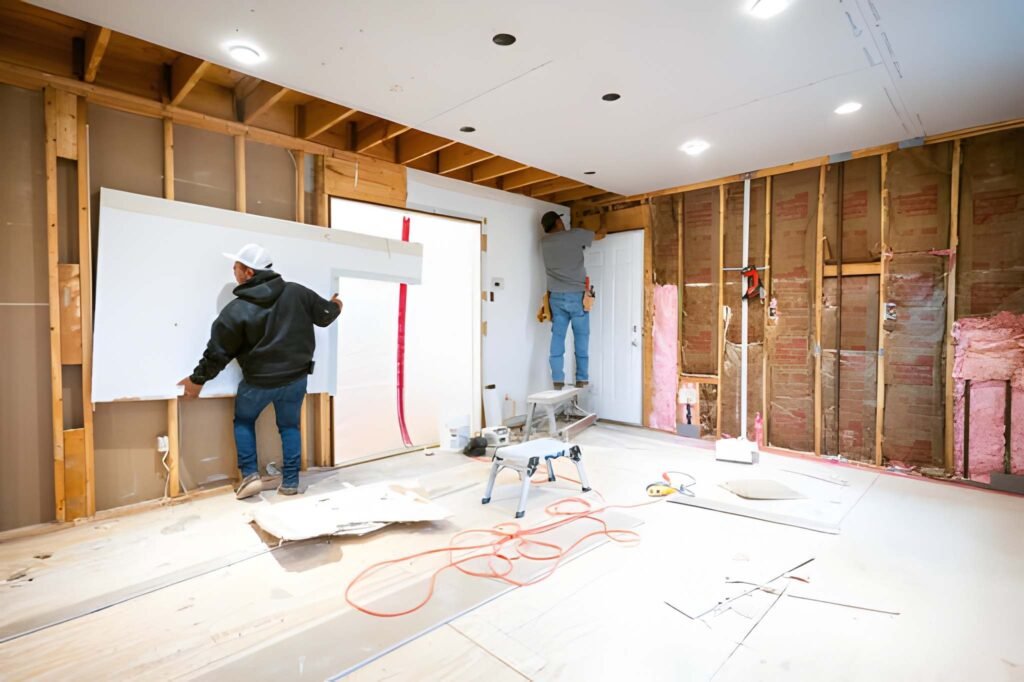
- Demolition (2-3 days): Complete gut of the space down to the studs and subfloor.
- Rough-In (1 week): Any plumbing/electrical moves are made. New shower pan is formed. Vent fan is installed.
- Inspections & Closing Walls: Framing, plumbing, and electrical are inspected. Walls are closed with cement board and green board (water-resistant drywall).
- Tile & Flooring (1 week): Floor tile and shower wall tile are installed.
- Finishing (1 week): Vanity, toilet, and lighting are installed. Glass enclosure is mounted. Paint is applied. Final plumbing and electrical connections are made.
Conclusion: An Investment in Daily Life
A $20,000 bathroom renovation is a substantial undertaking that yields an equally substantial return. It is an investment that pays dividends not only in potential home equity but, more importantly, in the quality of your daily life. This budget provides the means to solve functional problems, incorporate durable and healthy building practices, and create a personal sanctuary that stands the test of time. By prioritizing a sound layout, professional waterproofing, and strategic allocations for the shower, vanity, and lighting, you transform a utilitarian space into a core asset of your home—a place of quiet efficiency and serene retreat. It is the creation of a room that feels not just renovated, but reborn.