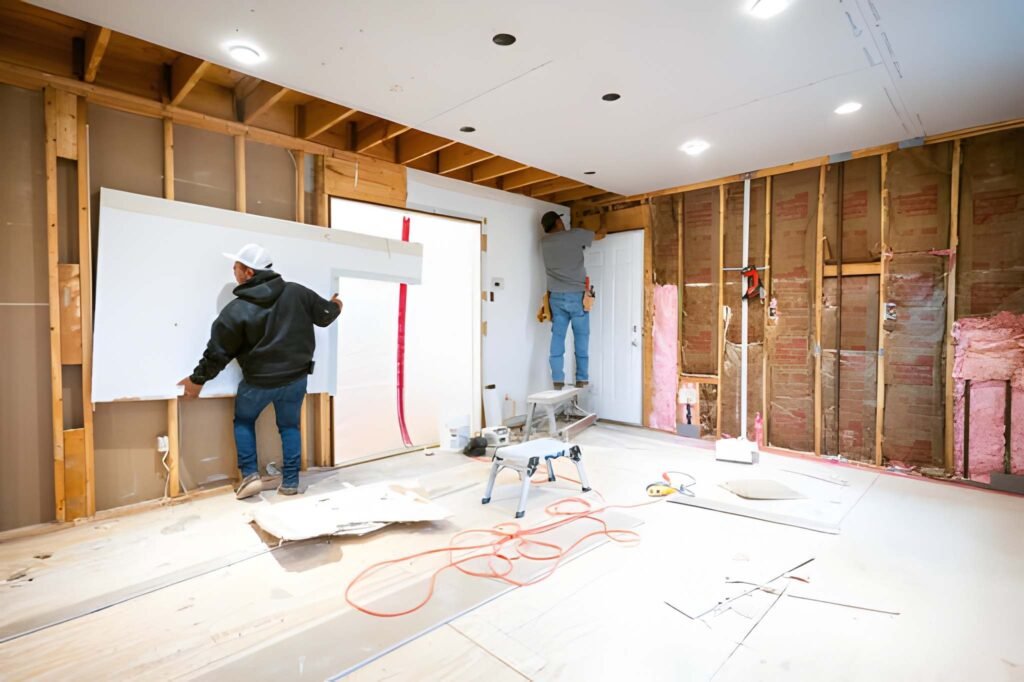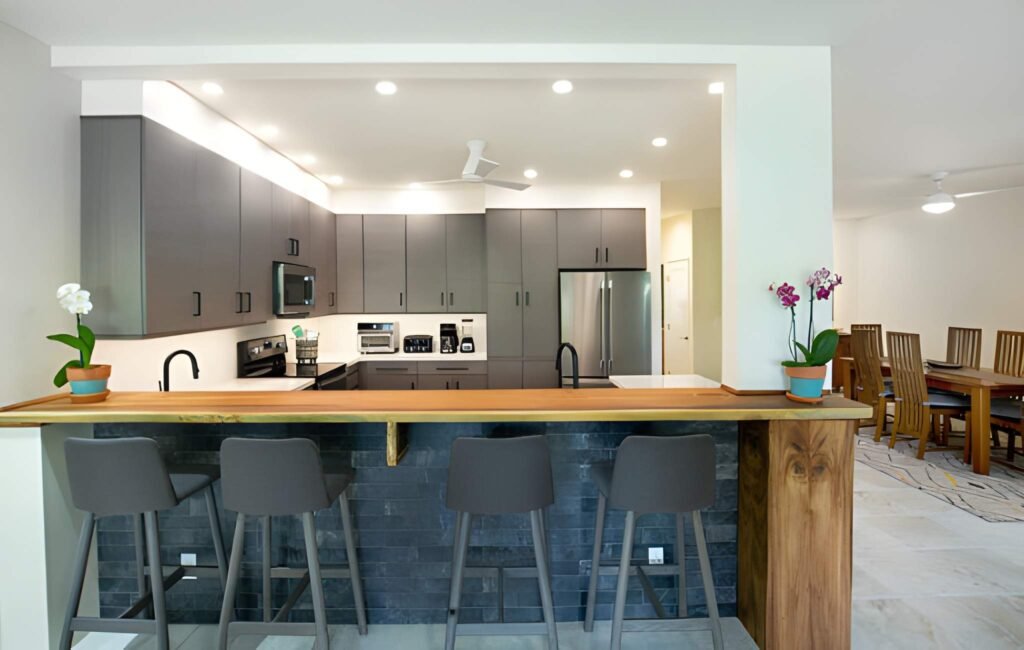
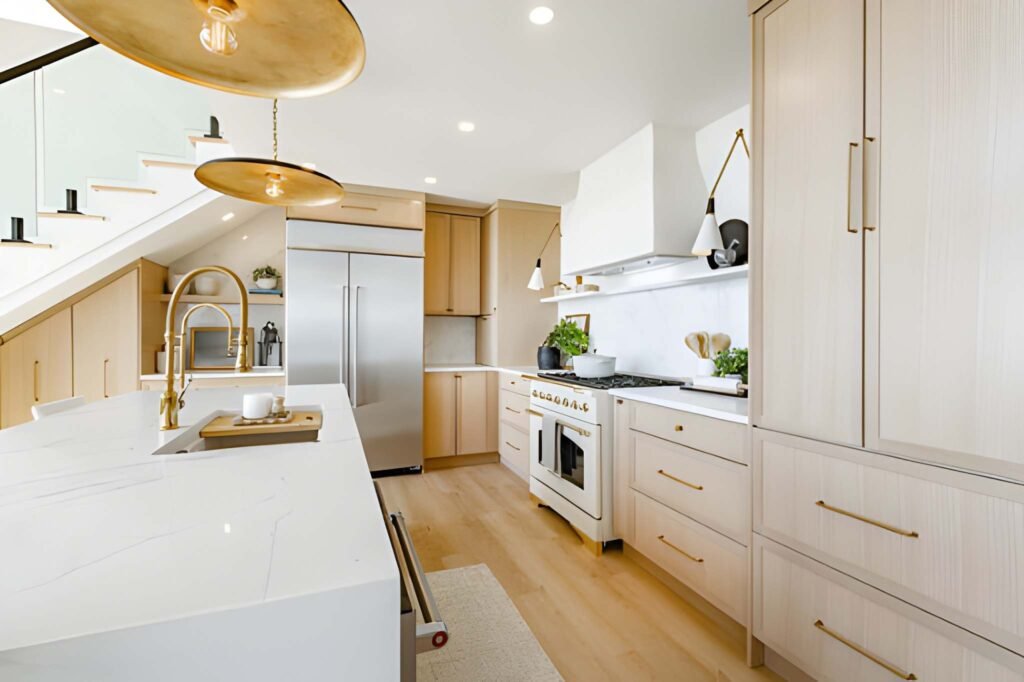
A kitchen renovation stands as one of the most desired and potentially profitable projects in a American home. The vision of a gleaming, modern space drives countless remodeling dreams, yet the specter of cost often looms large. The figure of $10,000 emerges as a critical benchmark. It is a substantial investment, yet it falls far short of the budget for a full-scale, down-to-the-studs overhaul. This creates a unique challenge and opportunity. A ten-thousand-dollar kitchen renovation is not about a fundamental re-imagination of the space. It is an exercise in high-impact, strategic change. It is the art of the possible, a focused campaign to refresh, update, and optimize the existing framework to achieve a dramatic visual and functional return. Success depends not on expansive demolition, but on intelligent prioritization, savvy material selection, and a clear-eyed understanding of where your dollars will have the most profound effect.
The Philosophy of the $10k Kitchen
The core principle governing a renovation at this price point is selectivity. You cannot do everything. The budget demands a triage mentality. You must identify the elements of your kitchen that cause the greatest aesthetic drag or functional frustration and target them with precision. This is a cosmetic and mechanical update, not a structural one. The goal is to create a fresh, modern feel without moving plumbing lines, altering the footprint, or replacing major appliances unless absolutely necessary. This approach aligns perfectly with the needs of two primary groups: the homeowner preparing to sell their property, who seeks the highest possible return on investment (ROI) for the least capital outlay, and the long-term resident who desires a renewed living experience but lacks the resources or appetite for a six-figure project.
The success of this endeavor hinges on an honest initial assessment. The existing layout must be fundamentally sound. If the “work triangle” between the sink, stove, and refrigerator is dysfunctional, no amount of surface-level improvement will fix it. The cabinet boxes must be in good structural condition—solid, square, and free of water damage or severe wear. If these core components are viable, then a $10k transformation is within reach. The budget will be allocated across a series of tactical upgrades that, when combined, create a cohesive and impressive new whole.
Strategic Allocation of Funds: The Battle Plan
A $10,000 budget disappears with alarming speed. Without a disciplined plan, you will find yourself halfway through the project with depleted funds and a half-finished room. The following table illustrates a potential allocation model, reflecting typical cost proportions for a mid-range, cosmetic update in a standard-sized kitchen (approximately 150 square feet). This model assumes you are hiring out some labor for skilled trades like electrical or countertop installation, but are willing to undertake some tasks yourself.
| Budget Category | Allocation | Key Considerations & Rationale |
|---|---|---|
| Cabinetry (Refacing/Refinishing + New Hardware) | $3,000 – $4,000 | This is often the single largest visual element. Instead of full replacement, this budget covers professional refacing (new doors/drawer fronts and veneer) or a high-quality DIY paint job and new pulls/knobs. |
| Countertops | $2,500 – $3,500 | A new countertop provides an immediate luxury feel. This budget targets durable laminates, butcher block, or a limited run of entry-level quartz. |
| Backsplash & Wall Treatment | $750 – $1,500 | A new backsplash adds texture and personality. This covers materials and professional installation for subway tile, beadboard, or modern peel-and-stick options. |
| Sink & Faucet | $600 – $800 | An upgraded faucet is a jewelry-like detail. A new, deeper stainless steel or composite sink improves functionality dramatically. |
| Lighting | $500 – $750 | Modern lighting is transformative. This budget allows for replacing a dated overhead fixture with a statement piece and adding under-cabinet LED tape lighting. |
| Paint (Walls, Trim, Ceiling) | $300 – $500 | The most cost-effective update. Covers premium paint, supplies, and potential rental of a paint sprayer for a flawless finish on cabinets. |
| Contingency Fund | $1,000 | Non-negotiable. Unforeseen issues—a faulty electrical outlet discovered behind an appliance, minor drywall repair—will arise. This fund prevents derailment. |
This allocation is a template, not a rigid command. Your personal priorities might shift these percentages. If you cook infrequently but entertain often, you might allocate more to lighting and aesthetics and less to a professional-grade faucet. The contingency fund, however, is sacred. It is your project’s insurance policy.
The Cabinet Conundrum: To Replace, Reface, or Refresh?
Cabinets typically consume 40-50% of the visual real estate in a kitchen. Their condition and style set the entire tone. A full replacement of even a modest kitchen with semi-custom cabinets can easily eclipse your entire $10,000 budget. Therefore, this category demands the most creative and strategic thinking.
Option 1: The Full Refresh (DIY – Low Cost/High Labor)
This is the most budget-conscious path. It involves keeping the existing cabinet boxes and transforming them through paint or stain. This is a labor-intensive process that demands meticulous preparation: cleaning, degreasing, sanding, priming, and applying multiple thin coats of a durable, cabinet-specific paint. The result, when done correctly, can be stunning. A dated, honey-oak set of cabinets can be reborn as a bright, modern space with a crisp white or a bold, deep blue. The impact is multiplied exponentially by the simultaneous installation of new hardware. Swapping out tired, 1990s-era brass knobs for sleek, matte black bin pulls or minimalist cup handles can redefine the entire look for a cost of a few hundred dollars.
Option 2: Professional Refacing (Mid-Cost/Mid-Labor)
Refacing is a service where a professional company removes your old cabinet doors and drawer fronts and replaces them with new ones. They then apply a matching wood or PVC veneer to the exposed frames of the cabinet boxes. The interior shelving remains the same. This process delivers a “like-new” appearance without the cost, mess, and time of a full replacement. It effectively changes the style completely. For a $10k budget, refacing is a serious contender, typically costing between $4,000 and $8,000 for an average kitchen. If you choose this route, it will become the centerpiece of your budget, requiring adjustments elsewhere, perhaps opting for a laminate countertop instead of quartz to balance the scales.
Option 3: Hybrid Replacement (Strategic Investment)
A third option involves replacing only the most problematic or visually dominant cabinets. Perhaps you have a large, cumbersome wall unit that makes the room feel dark. Removing it and replacing it with open shelving can modernize the space and reduce cost. Alternatively, you might keep all your base cabinets but replace only the upper cabinets with a different style or with open shelves to create a more airy feel. This hybrid approach allows for a significant change in layout and aesthetics without the full financial burden of a complete cabinet set.
Countertops: The Centerpiece of the Work Surface
The countertop is both a workhorse and a centerpiece. It must withstand daily abuse while contributing significantly to the room’s aesthetic. With a $10k budget, the world of natural stone is largely off the table, but several excellent and durable options remain.
Butcher Block: Butcher block offers a warm, organic, and timeless look. It is cost-effective and can be sanded and re-oiled to repair cuts and stains. The primary drawback is maintenance; it requires regular oiling to protect against water damage and bacteria. It is not ideal for areas around the sink.
Laminate: Modern laminate is not your grandmother’s Formica. Advances in digital printing have produced laminates that convincingly mimic the look of marble, granite, and concrete at a fraction of the cost. It is durable, easy to clean, and remains the most budget-friendly option. The primary disadvantages are susceptibility to scratches and burns, and the visible seam where two pieces meet.
Quartz Surfaces: At the top end of the $10k budget, you might afford a basic line of quartz (engineered stone) for a standard-sized kitchen with a simple layout. Quartz is non-porous, requires no sealing, is highly resistant to stains and scratches, and offers a uniform, modern appearance. If your countertop footprint is small, this can be a viable splurge that significantly elevates the entire project’s perception of quality.
The choice here is a direct trade-off. Selecting laminate over quartz could free up $1,500-$2,000 that can be reallocated to a more impactful faucet, superior lighting, or a more ambitious tile backsplash.
The Power of Details: Lighting, Fixtures, and Backsplash
It is in the details that a budget renovation separates itself from a simply “updated” one. These elements are the accessories that complete the outfit.
Lighting: Eliminate the single, cavernous ceiling light fixture. This is a non-negotiable upgrade. Replace it with a statement piece—a modern linear chandelier or a series of pendant lights over a peninsula. Then, install LED tape lighting underneath the wall cabinets. This provides perfect task lighting for food preparation, eliminates shadows, and creates a warm, inviting glow in the evening. The combined effect makes the space feel larger, more functional, and professionally designed.
Faucet and Sink: A new, high-arc pull-down faucet in a brushed nickel or matte black finish instantly signals an upgrade. Pair it with a deep, single-bowl stainless steel sink or a silent, durable composite granite model. These changes directly improve the daily user experience and contribute to a unified, contemporary aesthetic.
Backsplash: The backsplash is your opportunity to inject personality and texture. A classic white subway tile laid in a running bond pattern is timeless and cost-effective. For more visual interest, consider a stacked pattern, a colored grout, or a different shape like a hexagon or zellige. A well-executed tile backsplash creates a clean, finished barrier between the countertop and the walls, protecting the surface from splashes while defining the style.
The Labor Equation: DIY vs. Hiring a Pro
The $10,000 budget is highly sensitive to labor costs. Your willingness and ability to perform some of the work yourself will directly determine the quality of materials you can afford.
Ideal DIY Projects:
- Painting: Walls, trim, and even cabinets are within the reach of a diligent DIYer.
- Demolition: Removing old backsplash, countertops, and fixtures.
- Installation: New hardware, lighting fixtures (if you are comfortable with basic electrical work and the power is off), and under-cabinet lighting.
- Flooring: Click-lock laminate or luxury vinyl plank (LVP) are designed for homeowner installation.
Worth Hiring a Professional:
- Electrical: Any new wiring, moving outlets, or installing new dedicated circuits for appliances should be handled by a licensed electrician.
- Plumbing: Hookups for a new faucet or garbage disposal are straightforward, but any issue with supply lines or drains warrants a professional.
- Countertop Installation: The precision required for a perfect fit and seam is a specialized skill.
- Tile Work: A professional tile setter ensures your backsplash is level, plumb, and will last for decades.
A hybrid approach is often most effective. You handle the demolition, painting, and final cosmetic touches, while hiring vetted professionals for the technical, high-skill tasks. This maximizes your budget for materials while ensuring the critical components are installed correctly and safely.
The Return on Investment and Final Perspective
According to the Remodeling 2024 Cost vs. Value Report, a minor kitchen remodel in the mid-range category recoups, on average, about 85% of its cost at resale. This significantly outperforms a major, upscale kitchen renovation, which often returns only 50-60%. This data underscores the strategic wisdom of the $10k approach. You are making a targeted investment in the elements that buyers notice and value most: fresh, clean cabinets; a modern countertop; and updated fixtures.
The ultimate success of a $10,000 kitchen renovation is measured not just in potential resale value, but in the regained joy of a space that feels new, functional, and aligned with your taste. It is a testament to the power of focused change. By embracing constraints, making strategic choices, and blending sweat equity with professional skill, you can achieve a transformation that belies its budget. The result is a kitchen that feels thoughtfully curated, not merely cheaply updated—a space that serves as the true heart of the home for years to come.