Tree Roots in Drains: The Invisible Real Estate Liability and Proactive Prevention
Protecting Property Value, Managing Repair Costs, and Navigating Insurance Coverage
Article Navigation
The Hidden Threat: Root Intrusion Defined
For property owners in the US, tree roots invading sewer lines represent one of the most insidious and expensive forms of property damage. This issue is more than a simple plumbing headache; it is a critical real estate liability that affects property valuation, sale contingencies, and maintenance reserves. The typical residential sewer lateral—the pipe connecting the home to the municipal sewer main—runs underground, often within proximity of mature landscaping.
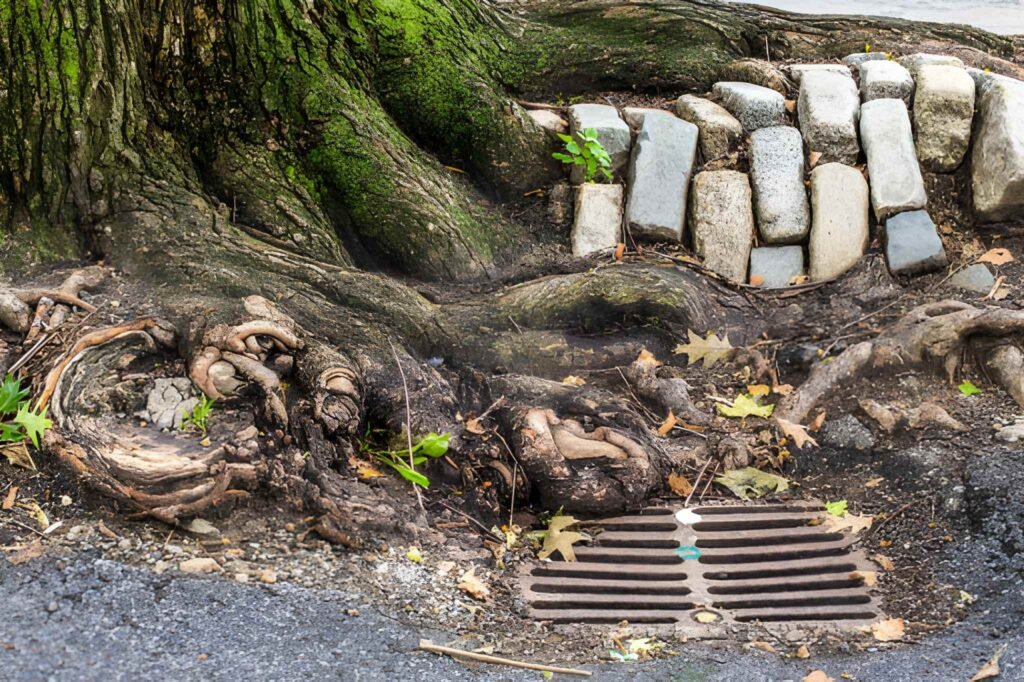
Tree roots, driven by a relentless search for water and nutrients, are highly opportunistic. They exploit microscopic moisture leaks caused by minor pipe imperfections, loose joints, or pre-existing cracks. Once they gain access to the interior, the roots flourish in the nutrient-rich wastewater, expanding rapidly and creating a dense, fibrous mass that catches debris. This mass ultimately restricts and then completely blocks the sewer flow, leading to messy, catastrophic backups.
Pipeline Insight: The Pipe Vulnerability
Older homes often utilize clay or concrete sewer pipes. These materials feature sections joined by compression seals or grout, creating inherent seams. These seams are exponentially more vulnerable to root intrusion than modern, monolithic PVC piping, making the age of the home’s infrastructure a primary risk indicator for investors.
Diagnosis and Damage Assessment
Early detection mitigates financial damage. Property owners should monitor warning signs like slow drainage in multiple fixtures, gurgling noises from toilets, or standing water in the lower cleanout access points. When these symptoms appear, mechanical snaking only offers a temporary fix, often pushing the debris slightly, but leaving the root mass intact.
The Essential Camera Inspection
A professional sewer camera inspection is the only reliable method for accurate assessment. A waterproof camera travels the length of the lateral, providing video evidence of the blockage type, the pipe material, and the extent of the damage (e.g., small hairline crack, offset joint, or complete pipe collapse). This video is crucial for three reasons:
- It informs the exact remediation strategy.
- It provides necessary documentation for insurance claims (if applicable).
- It becomes a required disclosure during the sale of the property.
Accurate assessment also determines ownership. If the damage occurs within the property line, the homeowner is responsible. If it occurs under the public right-of-way, responsibility often defaults to the municipality, though this varies by jurisdiction.
Remediation Strategies: Trench vs. Trenchless
The choice of repair method profoundly affects cost, time, and disruption to the landscape. Property investors must weigh the immediate expenditure against the long-term integrity of the repair.
1. Traditional Trenching (Excavation)
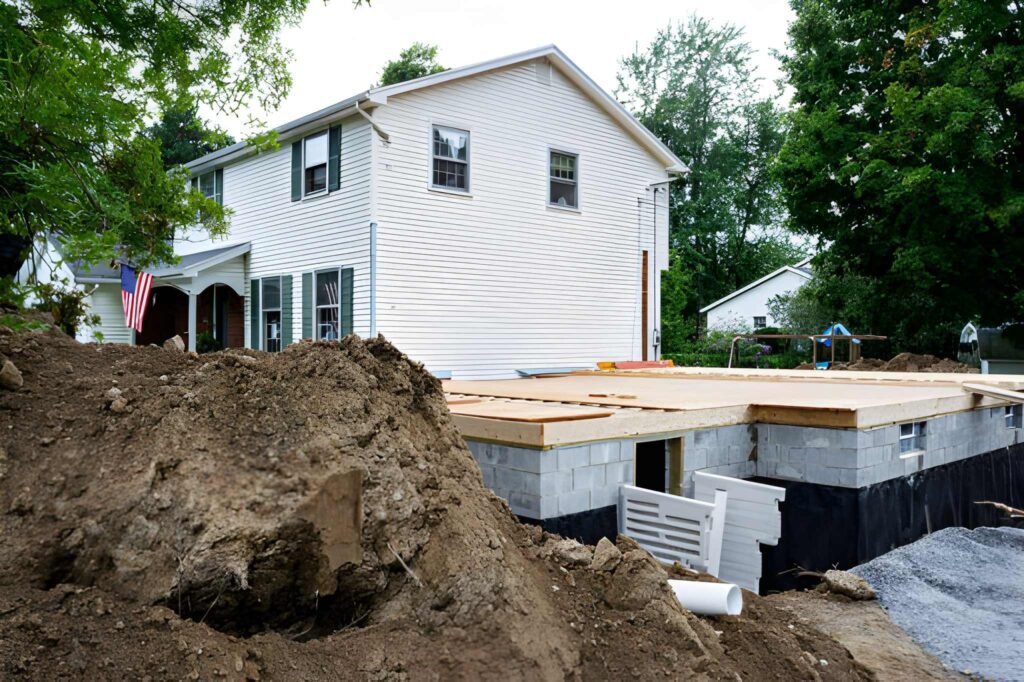
This method involves digging a trench to expose the entire damaged section of pipe. While reliable, it is highly invasive, destroys landscaping, sidewalks, or driveways above the line, and takes longer. For severely collapsed pipes, it may be the only option.
2. Trenchless Repair (Cured-In-Place Pipe or Bursting)
Trenchless options, while having a higher cost per linear foot, often yield a lower total project cost due to minimal site restoration expenses.
- Pipe Lining (Cured-In-Place Pipe, CIPP): Contractors insert a flexible, epoxy-soaked liner into the existing pipe. They inflate the liner and cure the resin, creating a new, seamless, root-proof pipe within the old one.
- Pipe Bursting: A new pipe is pulled through the old one, simultaneously fracturing the old pipe outward. This maintains the pipe capacity without extensive digging.
Repair Method Comparison
| Metric | Trenching (Excavation) | Trenchless (CIPP) |
|---|---|---|
| Average Cost (Per Foot) | $50 - $250 (Lower initial cost) | $150 - $350 (Higher initial cost) |
| Site Disruption | High (extensive landscaping/pavement damage) | Minimal (access points only) |
| Repair Speed | 3 to 5 days | 1 to 2 days |
| Root Resistance | High (if new seamless pipe is used) | Excellent (seamless structure prevents entry) |
Cost Comparison Calculator: Estimate Your Repair
Use this tool to compare the estimated total project cost between traditional excavation and trenchless pipe lining, including site restoration expenses often overlooked.
Results Summary:
1. Traditional Trenching Total Estimate:
$0
(Includes pipe replacement + site restoration)
2. Trenchless Lining Total Estimate:
$0
(Includes pipe lining only, minimal restoration cost)
Financial Impact and Insurance Gaps
The financial consequences of root intrusion extend far beyond the plumber's bill. A known, unresolved sewer issue is a significant negotiating leverage point for buyers, often resulting in a substantial reduction in the property's final sale price or cancellation of the contract entirely.
Homeowner's Insurance Reality Check
Most standard US homeowner's insurance policies exclude coverage for property damage resulting from wear and tear, deterioration, and general root intrusion. They only cover the sudden, resulting damage—the water backup itself. For example, the policy may cover the cost to remediate basement flooding caused by the blockage but will not cover the thousands of dollars required to repair the pipe that caused the backup.
To address this, homeowners must purchase a specialized add-on known as a **Water Backup and Sump Overflow** endorsement, and potentially a **Service Line Coverage** endorsement. This additional coverage is essential for mitigating the financial risk associated with subterranean utility failures.
Property Lines, Easements, and Legal Liability
Determining responsibility for tree root damage can become a complex legal issue, particularly when the damaging tree belongs to a neighbor or is located within a public easement.
The Neighbor's Tree Doctrine
In most US jurisdictions, liability operates under the principle of **self-help**. If a neighbor's tree roots cross the property line and damage your sewer line, you generally bear the cost of repair. However, you maintain the right to cut or remove the portion of the roots that cross your property line, provided this action does not kill the neighbor's tree. Proving the neighbor was negligent in planting the tree near a known utility line is difficult and costly, making immediate self-repair the more practical solution for real estate stability.
Navigating Utility Easements
Sewer lines often run through utility easements, which grant the utility company (or municipality) the right to access the line for maintenance. If a publicly-owned tree in the easement causes damage to your privately-owned lateral, the legal fight for reimbursement can be extensive. Investors must always consult the property survey and title report to understand the exact location and ownership of all utility lines and easements before purchase.
Proactive Prevention for Long-Term Stability
Proactive maintenance is the cornerstone of managing this risk. It saves property owners the immense cost and stress of emergency repairs and preserves the value of the landscaping and hardscaping.
Smart Landscaping Decisions
When planting new trees, select species with a known low-risk root structure (e.g., Japanese Maple, Dogwood) and maintain a minimum safe distance. The rule of thumb is to calculate the mature height of the tree and maintain that distance from any underground utility line. For high-water-seeking trees like Willows or Silver Maples, avoid planting anywhere near the sewer lateral.
Chemical and Physical Barriers
Chemical treatments, typically copper sulfate foam, inhibit root growth inside the pipe. Applied annually or biennially, this method is a cost-effective stopgap for existing minor intrusions, but it does not fix structural damage. For long-term peace of mind and complete structural stability, trenchless repair is the ultimate preventative measure, essentially future-proofing the lateral against further root encroachment.
Understanding the subterranean world of a property is essential for sound real estate investment. Treating the sewer lateral as a valuable, maintainable asset—not just a disposable utility—is the approach that prevents costly failures and secures long-term property stability.