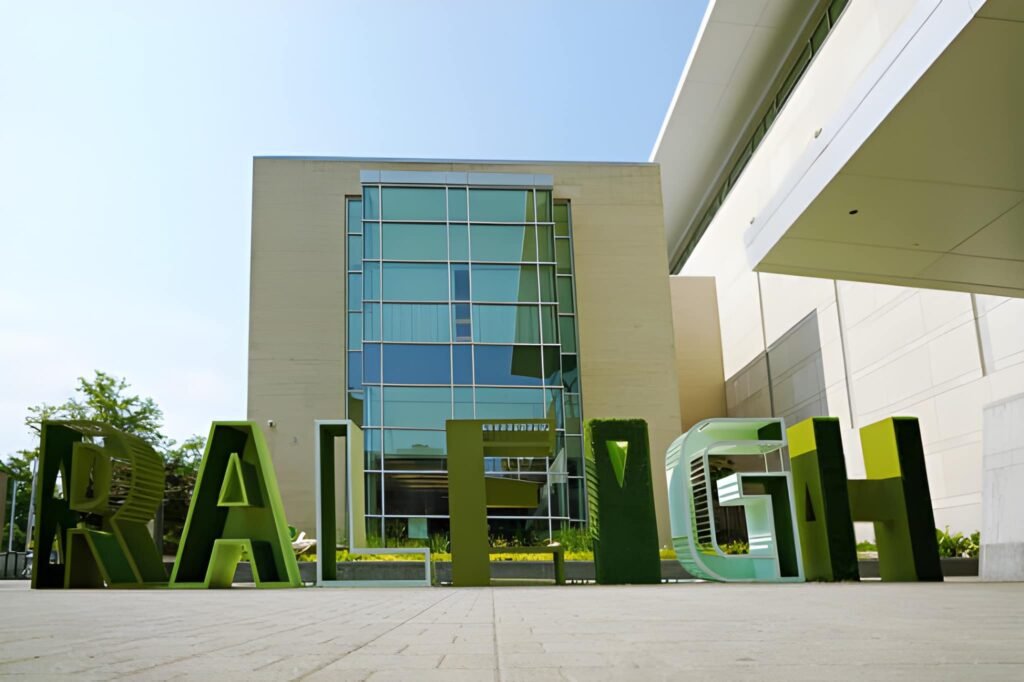
Raleigh is the polished, professional heart of North Carolina’s famed Research Triangle. It is a city that has grown not on the back of a single industry, but through a powerful synergy of world-class universities, cutting-edge research, and a relentless focus on quality of life. Living in Raleigh means engaging with a city that is educated, ambitious, and family-friendly, where Southern charm is delivered with a modern, tech-savvy sensibility. This guide moves beyond the “Smarty Pants” nickname to examine the intricate realities of life in the City of Oaks, from its booming job market and stellar schools to its sprawling suburbs and evolving cultural scene, providing a clear-eyed view of what it truly means to build a life in this Southern success story.
The Raleigh Vibe: Life in a City of Steady Ambition
Life in Raleigh is defined by its balance. The pace is purposeful but not frantic; it’s the pace of steady growth and measured ambition rather than breakneck hustle. The energy is youthful, educated, and optimistic, heavily influenced by the massive presence of North Carolina State University (NC State). The vibe is polished, friendly, and overwhelmingly focused on family and career. It’s a city of neighborhoods, greenways, and excellent public schools. The cultural fabric is a blend of traditional Southern hospitality and a modern, diverse influx of professionals from across the U.S. and the world. It’s a place where you can have a serious career in tech or science, afford a beautiful home, and still have a easy commute to a top-tier college basketball game.
The Sunbelt Value (Under Pressure): Cost of Living
Raleigh offers a strong value proposition, though its affordability is being tested by rapid growth and rising housing costs. It still provides a high quality of life at a cost below many other major tech hubs.
A detailed budget for a single professional living in a one-bedroom apartment in a popular area like North Hills or Downtown might look like this:
- Rent: $1,500 (for a 700-800 sq ft apartment)
- Utilities (Electricity – high due to AC, Gas, Internet): $200
- Groceries: $380
- Dining & Entertainment: $450
- Transportation (Car Payment, Insurance, Gas – a necessity): $600
- Miscellaneous: $250
This creates a baseline monthly expenditure of approximately $3,380. To afford this comfortably (using the standard guideline that rent should not exceed 30% of gross income), your pre-tax annual income would need to be at least $60,000.
This calculation is shown as:
\text{Required Annual Income} = \frac{\$1,500 \times 12}{0.3} = \$60,000This is becoming a higher bar to clear as housing costs continue to climb.
A City of Oaks and Suburbs: Best Neighborhoods
Raleigh is a city of distinct villages and massive suburbs, each catering to a different lifestyle.
- Downtown: The urban core has seen a significant residential renaissance. Includes the Warehouse District (trendy apartments and restaurants), Glenwood South (nightlife and bars), and Fayetteville Street (government and cultural institutions). Walkable but still developing its 24/7 energy.
- Inside the Beltline (ITB): The most coveted and expensive area. Features established, leafy neighborhoods like Hayes Barton, Cameron Village, and Five Points. Offers proximity to downtown, walkability to shops and restaurants, and a classic, upscale Raleigh feel.
- North Hills (“Midtown”): A massive, master-planned mixed-use development north of downtown. Feels like a city unto itself with high-rise apartments, offices, upscale shopping, and restaurants. Popular with young professionals.
- West Raleigh / NC State Area: Centered around the university campus. A mix of students, professors, and long-term residents. Energetic and more affordable, with access to university amenities.
- The Suburbs:
- Cary: Often joked as the “Containment Area for Relocated Yankees,” Cary is a major city in its own right. Known for its top-rated schools, immense diversity, master-planned communities, and strict zoning. A safe, family-oriented choice.
- Morrisville: A hub for tech workers and international families, nestled between Raleigh and Durham. Highly diverse and focused on technology.
- Apex, Holly Springs, Wake Forest: Fast-growing family suburbs with good schools and newer housing stock, but with increasingly long commutes.
The Smart Investment: Renting vs. Buying
The decision to rent or buy in Raleigh is heavily weighted towards buying for those planning to stay, thanks to a history of strong appreciation.
Renting offers flexibility to explore different areas and is a popular choice for the large transient professional and student population. The rental market is competitive, especially in the most desirable areas.
Buying is a strong long-term financial move. While prices have risen, the barrier to entry is still lower than in many other tech hubs. A 20% down payment on a median-priced home is a daunting but achievable goal for many dual-income households.
The financial break-even point is typically 5-7 years. A simplified formula illustrates the calculation:
\text{Break-Even Point (years)} = \frac{\text{Total Upfront Costs}}{\text{Annual Rent} - (\text{Annual Mortgage Interest} + \text{Annual Property Taxes} + \text{Annual Insurance} + \text{Annual Maintenance})}Upfront costs include down payment and closing costs. The steady appreciation in home values makes buying a compelling choice.
The Research Triangle Engine: Job Market and Career Opportunities
Raleigh’s economy is the envy of the Sunbelt, a powerhouse driven by research, technology, and education.
- Technology: A massive and growing sector. The Triangle is a major tech hub, with companies like Red Hat (IBM), Cisco, SAS Institute, and NetApp having a huge presence. Thousands of startups fuel a dynamic environment.
- Biotech & Pharmaceuticals: A world leader. Research Triangle Park (RTP) is the anchor, home to GlaxoSmithKline, Biogen, Pfizer, and countless other life science firms.
- Education & Research: North Carolina State University (NC State) is a economic titan, a top-ranked research university, and a primary driver of talent in engineering, textiles, and agriculture.
- Healthcare: A major employer with systems like WakeMed Health & Hospitals and Duke Health (based in nearby Durham).
- Professional Services & Finance: A robust ecosystem of law, consulting, and banking firms supports the core tech and bio-tech industries.
Educational Landscape: Best Schools and Universities
Wake County Public School System (WCPSS) is a major draw and is consistently ranked as one of the best large school systems in the nation. Its quality is a primary reason for the area’s growth. The system uses a magnet and choice program to manage diversity and capacity.
For higher education, Raleigh is part of the world-class Triangle ecosystem:
- North Carolina State University (NC State): A premier public research university and the city’s largest employer and cultural anchor.
- Wake Technical Community College: A vital institution for workforce training and education.
- Nearby: Duke University (Durham) and UNC-Chapel Hill are a short drive away, completing the “Triangle” and creating an unparalleled talent pipeline.
Getting Around: Transportation and Reality
Raleigh is a car-dependent city. Its sprawling, decentralized layout, centered around the I-440 Beltline and I-40, makes a personal vehicle an absolute necessity for the vast majority of residents. While the GoRaleigh bus system exists, and the GoTriangle system connects the broader region, public transportation is insufficient for most daily needs. Traffic congestion has become a significant issue, particularly on the Beltline and key arteries like I-40 and US-1 during rush hour, as infrastructure struggles to keep pace with explosive growth.
The Housing Market: A Tactical Overview
The Raleigh housing market is one of the hottest in the nation, characterized by low inventory, high demand from inbound migration, and rapidly rising prices.
- Average Home Prices: As of late 2023, the median sale price for a home in the Raleigh-Cary metro is approximately $430,000. This has risen steadily due to intense demand.
- Most Affordable Areas to Buy a Home: Look to the eastern and southern parts of the county: Garner, Knightdale, and Zebulon. These areas offer entry points into the market but come with longer commutes.
- Luxury Real Estate Hotspots: Inside the Beltline (ITB), particularly Hayes Barton and Cameron Village, are the premier addresses. The suburbs of Cary and North Raleigh also have high-end neighborhoods.
- Rental Market: Competitive, especially in the urban core and near RTP. Prices have risen with demand. Landlords typically require proof of income at 3x the monthly rent.
- Best Places to Invest & Future Growth Neighborhoods: Investment follows infrastructure. Southeast Raleigh is seeing significant investment and renewal. Areas along the I-87/North Carolina 540 corridor are also seen as having strong potential for future appreciation.
The Cultural Repertoire: Things to Do
| Activity Category | Iconic Examples | Hidden Gems |
|---|---|---|
| Cultural Attractions | North Carolina Museum of Art, North Carolina Museum of Natural Sciences, PNC Arena (NC State sports, concerts) | Contemporary Art Museum (CAM Raleigh), JC Raulston Arboretum, Historic Yates Mill County Park |
| Parks & Outdoors | William B. Umstead State Park, Pullen Park, Neuse River Greenway Trail | Lake Johnson Park, Dorothea Dix Park, Annie Louise Wilkerson, MD Nature Preserve |
| Food & Drink | BBQ (The Pit), Southern food, a thriving food truck scene | Brewery Bhavana, Stanbury, Poole’s Diner |
| Nightlife | Glenwood South bars, Warehouse District restaurants, breweries | The Willard Rooftop Bar, The Green Light (speakeasy), Lincoln Theatre |
Annual Festivals and Events: IBMA Bluegrass Festival, Dreamville Festival (founded by J. Cole), Artsplosure, and NC State Football and Basketball games.
Shopping: From the unique boutiques of Cameron Village to the massive Crabtree Valley Mall and the outlet stores in Morrisville.
Quality of Life & Relocation Essentials
- Raising a Family: Raleigh is arguably one of the best cities in the U.S. for families. The combination of top-rated public schools, abundant parks and greenways, family-friendly activities, and a generally safe environment is a major draw.
- Crime and Safety: Raleigh has a relatively low crime rate for its size. Property crime is the most common issue. Violent crime is typically concentrated in specific, economically disadvantaged areas.
- Healthcare and Hospitals: High-quality healthcare is available through Duke Raleigh Hospital, WakeMed, and UNC Rex Healthcare.
- Weather and Climate: A humid subtropical climate. Summers are hot and humid. Winters are generally mild but can bring ice storms. Spring and fall are long and pleasant.
- Cost of Utilities: For a 1,800 sq ft house, average monthly costs are:
- Electricity (Duke Energy): $130 – $200 (high in summer with AC)
- Gas (Piedmont Natural Gas): $80 – $150 (in winter)
- Water/Sewer: $70 – $100
- Internet: $70 – $100
The Relocation Checklist
- Secure Employment: The economy is strong, so have a job lined up. The market is competitive but full of opportunity in tech and biotech.
- Choose Your Location Based on Lifestyle and Schools: Research the Wake County school assignment process. Your address doesn’t guarantee a specific school, which influences housing demand.
- Get a Car: You will need a reliable one. Factor in insurance, gas, and potential tolls on NC 540.
- Embrace the Culture: Learn about ACC basketball, try Eastern vs. Lexington style BBQ, and explore the greenways.
- Prepare for the Humidity: Summers are hot and muggy. Ensure your home has a good AC system.
The Final Verdict: Pros and Cons of Living in Raleigh
Pros:
- A strong, diverse, and rapidly growing economy with abundant high-paying job opportunities.
- One of the best public school systems in the nation (Wake County).
- A family-friendly atmosphere with incredible parks, greenways, and activities.
- A generally affordable cost of living relative to other major tech hubs.
- A clean, safe, and well-managed city with a high quality of life.
Cons:
- Rapid growth is leading to significant traffic congestion and infrastructure strain.
- A car-dependent culture with limited public transportation options.
- Summers are hot and humid.
- The housing market is highly competitive and becoming less affordable.
- While improving, the cultural and nightlife scene is not as robust as in older, larger cities.
Living in Raleigh is a choice to prioritize career opportunity, family life, and a high quality of life over 24/7 urban intensity and historical depth. It is a city that offers a pragmatic, sustainable path to a successful career, homeownership, and a rich community life. For those who appreciate its Southern-modern blend, its focus on education, and its status as a place where things are genuinely getting better, it provides one of the most compelling and balanced urban experiences in America. It is the perfect city for builders, learners, and families.