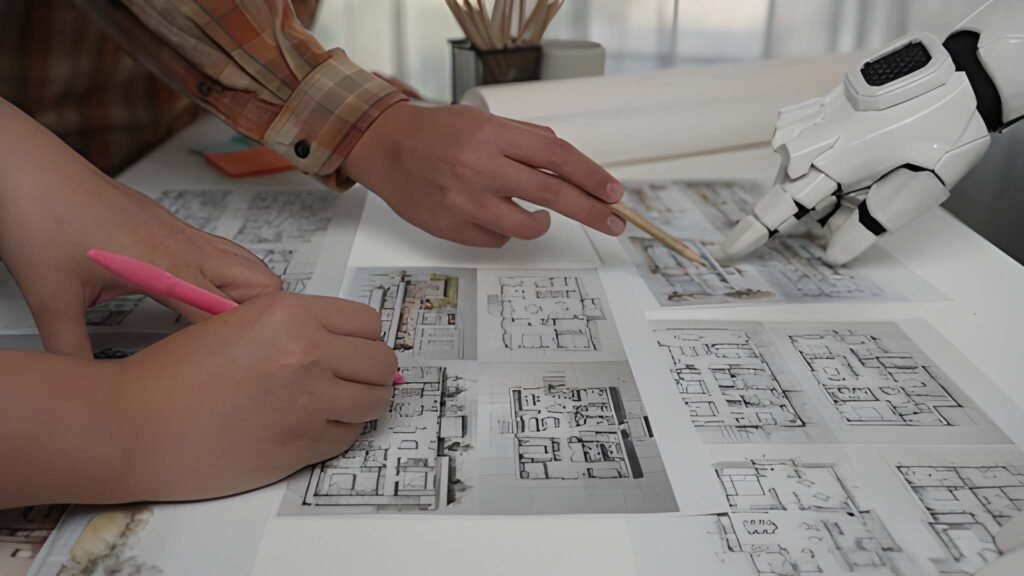
In the world of commercial real estate, brokers and landlords often speak in three dimensions—square footage, ceiling height, volume. Yet, for the retailer on the ground, the most critical battle is fought in two dimensions. The floor plan is the strategic map upon which the entire customer experience is charted. It is the silent salesperson, the traffic conductor, and the operational engine of a retail business. A successful floor plan does not happen by accident; it is a deliberate exercise in environmental psychology, logistics, and brand storytelling. Understanding the power of this two-dimensional space—its potential for both friction and flow—is what separates a thriving destination from a struggling storefront.
The primary objective of any retail floor plan is to control the customer’s journey from the moment they cross the threshold. This journey is rarely random. Customers subconsciously follow paths shaped by lighting, sightlines, and the placement of fixtures. The goal is to expose them to the maximum amount of merchandise in a way that feels natural and engaging, not forced or confusing. The first few feet inside the door, the decompression zone, is critical. This area should be relatively open, allowing the customer to pause, adjust to the environment, and receive a clear, welcoming view into the heart of the store. Cluttering this zone with high racks or promotional bins creates immediate visual noise and can cause a customer to retreat.
Retailers have long relied on established floor plan typologies, each with distinct advantages. The grid plan, common in grocery and convenience stores, uses parallel runs of fixtures to create a predictable, efficient path. This layout maximizes product density and feels familiar to the customer, but it can also feel sterile and uninspired. The loop, or racetrack, plan creates a main aisle that circles the perimeter of the store, guiding customers past various departments and inevitably leading them back to the front. This is a powerful way to ensure full exposure to the store’s offerings. The free-flow plan, often used in boutiques and specialty stores, arranges fixtures in asymmetric or geometric patterns to create an organic, exploratory experience. This encourages browsing and discovery but requires careful management to avoid dead ends and confusion.
Beyond these broad typologies, the strategic placement of specific merchandise categories dictates the rhythm of the shopping experience. Impulse items—those low-cost, high-margin products like lip balm, candy, or trendy accessories—belong in high-traffic areas: next to the cash wrap, in the decompression zone, or at the end of aisles. These are the opportunistic purchases that thrive on visibility and convenience. Conversely, destination or staple products—the specific item a customer came to buy—can be placed toward the back or the center of the store. This strategy, known as the “pull principle,” forces customers to navigate through other merchandise to reach their goal, increasing the likelihood of additional, unplanned purchases. The following table illustrates this strategic zoning:
| Zone | Location | Purpose | Ideal Product Types |
|---|---|---|---|
| Decompression Zone | First 5-15 feet inside entrance. | To welcome, orient, and set the brand tone. | Visual mannequins, featured collections, low-fi impulse items. |
| Power Aisle | The main circulatory path (e.g., the loop). | To guide traffic and showcase high-demand categories. | New arrivals, promotional items, best-sellers. |
| Cash Wrap Zone | The checkout counter and surrounding area. | To capture final, high-margin impulse buys. | Small accessories, snacks, gift cards, promotional items. |
| Destination Zone | Often at the rear or a dedicated area. | To house the core, sought-after products. | Staple inventory, specialized equipment, high-ticket items. |
The cash wrap itself is a two-dimensional power center. Its location is a strategic decision with profound implications. A cash wrap placed immediately inside the door can create a barrier and feels defensive. A cash wrap placed at the rear, on the other hand, naturally pulls customers through the space. Its design is equally important. A clean, organized counter with limited but tempting impulse items can significantly boost average transaction value. A cluttered counter buried under paperwork and supplies projects an unprofessional image and discourages last-minute additions.
For the staff, the two-dimensional plan is about operational efficiency and security. Clear, wide aisles are not just for customer comfort; they allow for easy restocking and prevent shoplifting by eliminating blind spots. The placement of the stockroom door, the fitting rooms, and the staff break area should be planned to minimize disruption to the customer experience and maximize employee sightlines. A fitting room located at the rear of the store, for example, requires the customer to walk past more merchandise, often with items in hand, which can lead to additional sales. It also allows staff to monitor the area discreetly.
The science of the floor plan extends to the sensory experience it creates. The use of lighting to draw the eye to feature walls or specific displays is a manipulation of the two-dimensional plane into a three-dimensional attraction. The texture of flooring can subtly guide traffic; a change from tile to carpet might signal a transition from a high-traffic area to a more intimate, browsing-focused section. Even scent, while not visual, can be anchored to specific zones—the fresh, clean smell in the linen section, the rich aroma of leather in the accessories area—creating a multi-sensory map in the customer’s mind.
A poorly conceived two-dimensional plan creates friction at every turn. Narrow aisles that feel cramped, confusing pathways that lead to dead ends, a cash wrap that is difficult to find, or a lack of clear signage all contribute to customer frustration. This frustration shortens the duration of the visit, reduces the amount of merchandise they interact with, and diminishes the likelihood of a return trip. In the two-dimensional world of retail, frustration is the enemy of revenue.
Ultimately, the floor plan is the physical manifestation of a brand’s strategy. A discount store uses a tight grid to communicate efficiency and low prices. A luxury boutique uses a spacious, free-flow plan to communicate exclusivity and curation. The arrangement of fixtures and products is a non-verbal dialogue with the customer, telling them what is important, what is new, and how the brand wants them to feel. Mastering this two-dimensional space requires a retailer to think like both a strategist and a choreographer, designing not just a layout, but a journey—one that feels so intuitive and rewarding that the customer never realizes they were being guided at all.