
In the heart of America, Omaha’s commercial real estate market presents a unique opportunity for aspiring entrepreneurs and established brands. The search for a 1,000 square foot retail space is a search for a particular kind of potential. This size represents a strategic middle ground—a canvas large enough to build a compelling brand experience, yet intimate enough to foster community and manage overhead. It is the modern retail sweet spot. Success in this endeavor requires more than finding four walls and a lease; it demands a nuanced understanding of Omaha’s diverse neighborhoods, a clear-eyed assessment of financial realities, and a vision that turns a finite footprint into an infinite possibility.
The first and most critical decision revolves around location. Omaha is not a monolith; it is a collection of distinct districts, each with its own rhythm, demographic profile, and commercial character. Placing your concept in the wrong environment is a foundational error from which recovery is difficult.
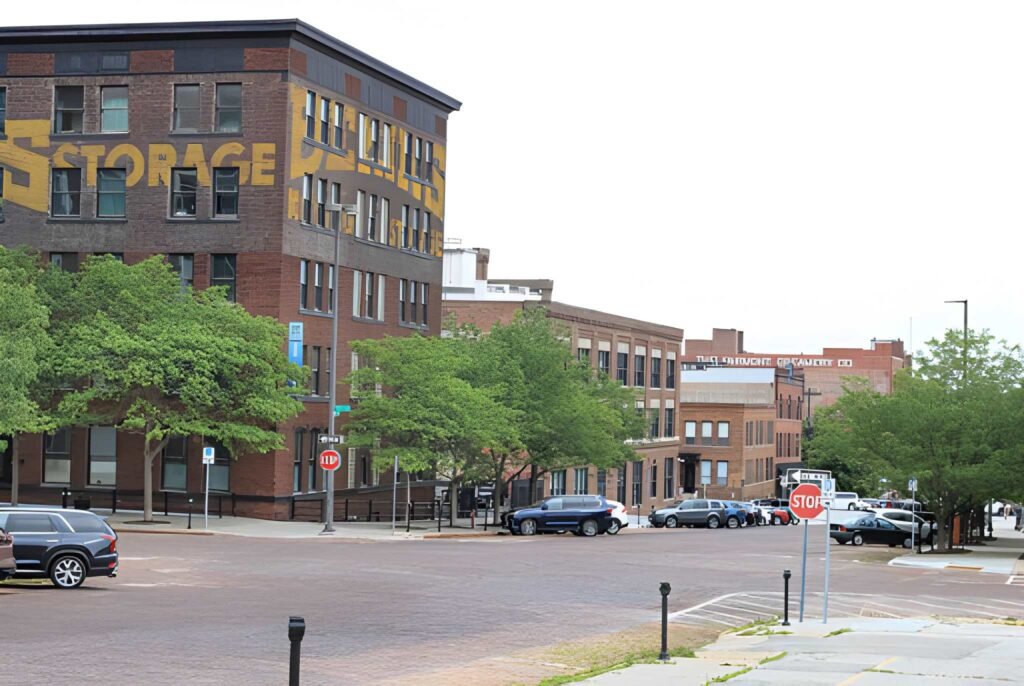
Consider the historic charm and dense foot traffic of the Old Market. A 1,000 square foot space here offers immediate visibility and a steady stream of tourists and local patrons. The trade-off involves higher rent and the operational complexities of a historic building, which may have limitations on signage, façade modifications, or hours of operation. This environment suits concepts that are destinations in themselves—a specialty boutique, a curated art gallery, or a unique confectionery that benefits from the district’s leisurely, experience-oriented atmosphere.
Shift west to the Blackstone District, and you find a different energy. This is a neighborhood defined by revitalization, innovation, and a younger, trend-conscious demographic. A 1,000 square foot space in Blackstone is ideal for a concept that is fast, fashionable, and social. A niche coffee roastery, a small-plates eatery, or a minimalist apparel store could thrive here. The location offers a sense of being part of a movement, but the competition for attention is fierce, and the expectation for a curated aesthetic is high.
For a more community-focused model, neighborhoods like Dundee or Benson present compelling cases. These areas are driven by local residents who value convenience and connection. A 1,000 square foot space on a street like Maple Street in Benson or Underwood Avenue in Dundee becomes a neighborhood fixture. This is the ideal home for a specialty food market, a children’s toy store, or a service-oriented business like a boutique fitness studio. The rent is often more manageable than in the downtown core, and the loyalty of a local customer base can provide a stable foundation. The challenge lies in generating sufficient destination traffic beyond the immediate neighborhood.
Beyond the neighborhood character, you must conduct a granular analysis of the specific site. Foot traffic is a metric that demands scrutiny. Are people walking by out of necessity, as they might near a grocery store, or out of leisure, as in a shopping district? Visibility and access are paramount. A space tucked away in a corner or requiring a complicated left-hand turn for vehicular access will struggle compared to one with clear, easy ingress and egress. The condition of the space, often defined by its tenant improvement (TI) allowance, is a direct financial consideration. A vanilla shell requires a significant upfront investment from the tenant to build out the interior, while a second-generation space, previously a restaurant or retail store, may come with valuable existing infrastructure.
The financial structure of a retail lease in Omaha is a language unto itself. Understanding the full monthly obligation is the first step. This is rarely just the base rent.
| Lease Component | Definition | Strategic Consideration for a 1,000 SF Tenant |
|---|---|---|
| Base Rent | The quoted price per square foot per year. | Negotiate based on market comps. A lower base rent in a secondary location may be a better value than a premium rate in a prime spot. |
| CAM Fees | (Common Area Maintenance) Fees for shared spaces like parking lots, lobbies, and landscaping. | Request a historical record of CAM fees from the landlord to anticipate true costs. Ensure the fees are proportional and justified. |
| Triple Net (NNN) | Additional charges for property taxes, building insurance, and exterior maintenance. | Like CAM, these are often estimated and reconciled annually. Understand your proportional share of the building’s total expenses. |
| TI Allowance | A landlord’s contribution to the cost of customizing the space. | A higher TI allowance reduces your initial capital outlay. Be prepared to provide detailed contractor quotes during negotiations. |
The concept you plant in this 1,000 square foot space must be perfectly suited to its container. This size does not allow for warehouse-scale inventory or sprawling showrooms. The successful tenant will master the art of the edit. A boutique must focus on a highly curated selection, not a comprehensive one. A café must optimize its floor plan for turnover and flow, perhaps sacrificing a large kitchen for a more efficient one. Every square foot must serve a purpose, whether for revenue generation, customer experience, or operational efficiency. The concept should feel intentional and full, not cramped or sparse. This often means embracing a niche. Instead of a general gift store, it becomes a store for modern stationery and writing instruments. Instead of a restaurant, it becomes a dedicated ramen shop. The specificity becomes the strength, making the small space the definitive destination for that particular product or service.
The modern 1,000 square foot retailer must also think beyond their physical walls. The storefront becomes a headquarters for a broader brand presence. A robust e-commerce platform, active social media engagement showcasing the in-store experience, and local delivery or pickup options are no longer optional; they are essential components of the business model. They amplify the reach of the small footprint, allowing the business to cultivate a customer base that extends beyond the neighborhood and builds resilience against seasonal fluctuations or localized disruptions.
Securing a 1,000 square foot retail space in Omaha is an exercise in strategic alignment. It is the process of matching a finely tuned concept with a neighborhood whose demographics and rhythms will nourish it. It requires a lease structure that provides stability without strangling cash flow. And it demands an operational plan that uses creativity and technology to transcend physical limitations. For the entrepreneur who successfully navigates these complexities, that 1,000 square feet becomes more than just a place of business. It becomes a vital thread in the fabric of a community, a proof point that in the modern economy, impact is not a function of size, but of focus, authenticity, and strategic clarity.