
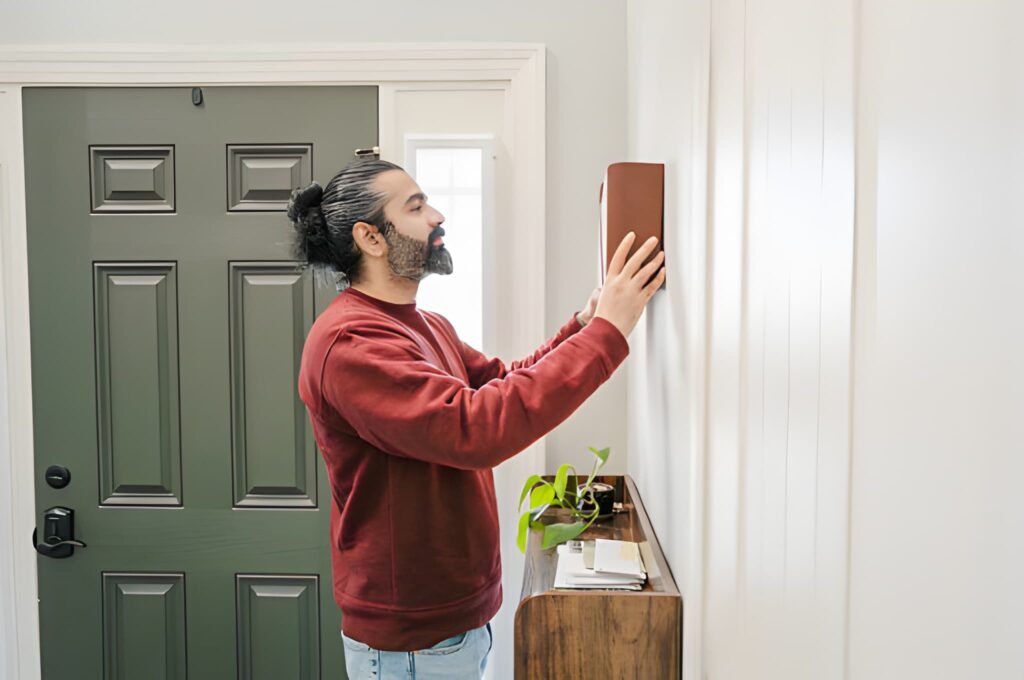
A home is not a static object but a dynamic system in a constant state of slow decay. The drip of a faucet, the chill of a draft, the soft spot on a windowsill—these are not mere inconveniences; they are the house speaking its needs. Traditional repair often defaults to the fastest, cheapest fix, a solution that may address the symptom while ignoring the underlying cause, often with materials that introduce new problems of toxicity and waste. Eco home repair is a different discipline. It is a philosophy of stewardship that approaches every leak, crack, and failure as an opportunity. An opportunity not just to restore function, but to improve the home’s health, efficiency, and resilience using methods and materials that respect the building’s history and the planet’s future.
This practice requires a shift in perspective. The goal is not merely to patch and move on, but to diagnose the root of the problem and implement a repair that is durable, non-toxic, and resource-wise. It is the art of fixing a home in a way that makes it better than you found it, creating a legacy of care that will benefit the structure and its future inhabitants for years to come.
The First Principle: Diagnose, Don’t Just Cover
The cardinal rule of eco-repair is to understand the “why” before applying the “what.” A superficial fix often leads to a larger, more destructive problem down the line.
The Language of Water
Water is the primary agent of decay in any structure. A water stain on a ceiling is not a painting problem; it is a drainage problem. Mold on a baseboard is not a cleaning problem; it is a condensation or leakage problem. Before you sand and repaint, you must trace the water to its source. Is it a failed roof flashing? A clogged gutter overflowing? Condensation from poor ventilation? An eco-repair addresses the hydrology of the home first—diverting water away from the foundation, ensuring gutters are clean and pitched correctly, and improving ventilation to manage humidity. Only once the source is eliminated should you address the cosmetic damage, using moisture-tolerant materials like tile or lime-based plaster.
The Draft as a Messenger
A drafty window or door is more than an energy sink; it is a diagnostic tool. The immediate, wasteful reaction is to crank up the furnace. The eco-conscious response is to investigate. Is the draft coming from a failed weatherstrip, from gaps in the casing, or from the wall itself? A careful diagnosis with a lit incense stick on a windy day can reveal the exact location of air infiltration. The repair then becomes a targeted act of air sealing—applying high-quality weatherstripping, using low-expansion foam in gaps, or caulking with a durable, flexible sealant. This fix not only saves energy but also improves comfort and protects the building envelope from moisture damage.
The Eco-Repair Arsenal: Materials and Methods
The toolbox for the eco-steward is filled with materials chosen for their longevity, low toxicity, and minimal environmental impact.
Adhesives, Caulks, and Sealants
Conventional products in this category are often high in volatile organic compounds (VOCs) and can off-gas harmful chemicals for years.
- The Eco-Solution: Seek out low-VOC or no-VOC formulations. For a truly natural approach, traditional linseed oil putty remains an excellent, breathable sealant for wood windows. For adhesives, consider plant-based or formaldehyde-free options.
Paints and Finishes
Repainting is one of the most common repairs, and the choice of product has a direct impact on indoor air quality.
- The Eco-Solution: Choose paints certified by Green Seal or similar standards, which strictly limit VOCs and hazardous ingredients. For wood repair and finishing, move beyond synthetic polyurethanes. Hardwax-oil blends, made from plant-based oils and natural waxes, penetrate the wood to provide a durable, repairable finish that allows the wood to breathe. For interior walls, clay or lime-based paints offer a beautiful, matte, and completely non-toxic alternative that helps regulate humidity.
Wood Repair and Replacement
When a section of wood trim, decking, or siding rots, the default is often to replace it with new, pressure-treated lumber, which is infused with chemical biocides.
- The Eco-Solution:
- Repair First: Use a two-part wood epoxy to rebuild rotted sections of otherwise sound wood. This salvages the original material and its historic character.
- Source Responsibly: If replacement is necessary, seek out reclaimed lumber or new wood that is FSC-certified, ensuring it comes from a responsibly managed forest.
- Choose Durable Alternatives: For outdoor applications, consider naturally rot-resistant woods like cedar or redwood, or modern composites made from recycled plastic and wood fibers.
Plumbing Repairs
A dripping faucet or a running toilet wastes staggering amounts of water and energy.
- The Eco-Solution: The repair itself—replacing a washer, a flapper, or a cartridge—is inherently eco-friendly as it conserves resources. Use the repair as a trigger for an upgrade. Install a low-flow aerator on the faucet or a WaterSense-labeled toilet flapper that uses less water per flush. For pipe insulation, choose sleeves made from natural rubber or polyethylene rather than fiberglass.
The Mindset of Maintenance: Prevention as the Ultimate Repair
The most profound eco-repair is the one you never have to make because you prevented the failure in the first place. Proactive maintenance is the cornerstone of sustainable homeownership.
The Seasonal Rhythm
A steward’s calendar is guided by the seasons.
- Spring: Clean gutters and downspouts; inspect the roof for winter damage; check foundation grading.
- Summer: Service the air conditioning condenser; inspect and reseal exterior caulking around windows and doors; clean dryer vents.
- Fall: Clean gutters again; drain and shut off outdoor faucets; have the furnace serviced; check weatherstripping on doors.
- Winter: Monitor for ice dams; ensure attic ventilation is clear; check for drafts.
The Systems Check
Regularly maintain the home’s core systems to ensure they run efficiently and avoid catastrophic failure.
- HVAC: A dirty filter makes your system work harder, wasting energy. Change it regularly. An annual professional service ensures efficiency and longevity.
- Water Heater: Drain a few gallons from the tank once a year to remove sediment, which improves efficiency and extends its life.
- Deck and Fence Maintenance: A periodic cleaning and application of a natural, plant-based oil finish protects the wood from moisture and UV damage, preventing rot and the need for premature replacement.
Eco home repair is a practice of deep respect—for the craft of building, for the resources consumed, and for the future of the structure. It is a commitment to fixing things properly the first time, with an eye toward durability and health. It transforms homeownership from a series of reactive emergencies into a calm, confident practice of stewardship. By listening to your home, diagnosing its true ailments, and applying thoughtful, lasting solutions, you do more than maintain an asset. You become a caretaker of a legacy, ensuring the house remains a healthy, efficient, and enduring shelter for generations to come.