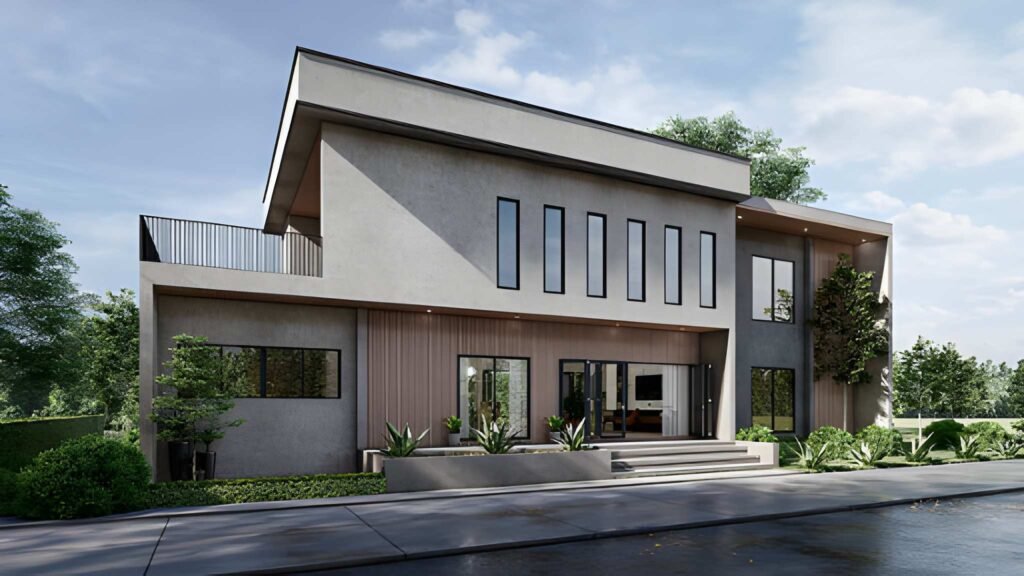
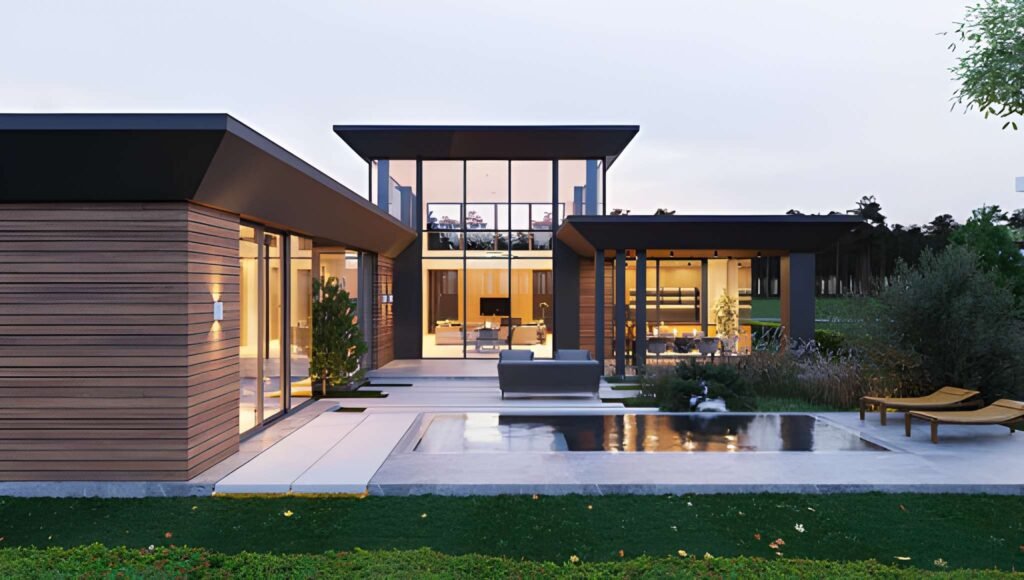
The archetype of the modern home, with its clean lines, open plans, and expansive glass, has evolved. No longer is it defined solely by an aesthetic of cold minimalism or a fetishization of industrial materials. The contemporary iteration of modern design is one deeply infused with an ecological conscience. The eco-friendly modern home is a sophisticated synthesis where the formal principles of modernism—simplicity, clarity of form, and truth to materials—are harnessed not just for visual effect, but for environmental performance. This is a home where the beauty is not skin deep; it is integral to its function, its site, and its relationship to the natural world. It represents a move away from the 20th-century model of a machine for living, toward a 21st-century vision of a living system—one that is responsive, efficient, and regenerative.
This philosophy begins with a radical reorientation of the design process itself. The site is not a blank canvas upon which to impose a predetermined form. It is the primary client. The sun, the wind, the topography, and the existing ecology are the first and most important consultants. This is the essence of passive design, the most powerful tool in the sustainable architect’s kit. A home’s long axis is typically oriented east-west, with the principal elevation facing south. This is not an arbitrary decision; it is a strategic move to capture the low-angled winter sun for natural heating while employing precisely calculated roof overhangs to block the high, harsh summer sun. The home’s form itself becomes a passive solar collector and a shading device. This bioclimatic approach extends to spatial planning. The home is zoned thermally: day-use spaces like the living room, kitchen, and dining area claim the sunny southern exposure, while bedrooms, which benefit from cooler, more stable temperatures, are placed on the north. Buffer zones like garages, laundries, and closets are positioned on the east and west to shield the core living spaces from the less desirable solar gain of sunrise and sunset.
The architectural expression of this performance-driven design is what gives the eco-friendly modern home its distinctive character. The form is often a direct result of energy modeling. A compact, two-story volume might be chosen over a sprawling single-story plan to minimize the surface-area-to-volume ratio, reducing heat loss and gain. The roofline might be a single, simple plane angled perfectly for both solar panel installation and rainwater collection. The signature expanses of glass are not merely stylistic; they are carefully placed to maximize daylighting, reducing the need for artificial light, and to frame specific views, forging a constant visual connection with the outdoors that fosters a deeper environmental awareness. The materials are selected for their honesty and their lifecycle impact.
Materiality and Structure: The Anatomy of a Low-Impact Home
The palette of the eco-friendly modern home is a celebration of both natural and technologically advanced materials, chosen for their durability, low embodied energy, and aesthetic purity. The structure itself is a key component. While advanced systems like Structural Insulated Panels (SIPs) are common for their ability to create a super-insulated, airtight shell with incredible speed, there is a renewed interest in mass timber. Cross-Laminated Timber (CLT) panels are a revolutionary material. They are strong enough to construct mid-rise buildings, they sequester carbon for the life of the structure, and their exposed interior surfaces provide a warmth and biophilic connection that steel and concrete cannot match. The very frame of the house becomes a statement of sustainability.
For the exterior, the principle is durability and low maintenance. Fiber-cement siding, metal panels with high recycled content, and locally sourced stone or brick are prevalent. These materials weather gracefully and require no toxic paints or stains. The iconic modern flat or butterfly roof is often a “cool roof,” finished with a highly reflective white membrane or a living “green roof.” A green roof, with its layer of soil and vegetation, provides exceptional insulation, manages stormwater runoff, reduces the urban heat island effect, and creates habitat for pollinators.
Inside, the material story continues with a focus on health and sensory richness. Polished concrete floors are a popular choice, not for an industrial look, but for their function as a thermal mass. They absorb heat from the southern sun during the day and release it slowly at night, moderating temperature swings. Where warmth underfoot is desired, sustainably harvested hardwood or rapidly renewable bamboo and cork are used. Walls are often finished with natural clay or lime-based plasters. These materials are breathable, helping to regulate indoor humidity, and they contain zero volatile organic compounds (VOCs), contributing to superior indoor air quality. Cabinetry is built with formaldehyde-free plywoods and finished with low-VOC paints and sealants. The luxury in this context is not ostentation, but the palpable, healthy comfort of a space that feels both refined and fundamentally natural.
The Integrated Technological Ecosystem
A tight, passive shell is the foundation, but the modern eco-home is also an intelligent, active system. Its technology is seamlessly integrated, working in concert to minimize energy and water use while maximizing comfort and resilience.
The all-electric home powered by renewables is the gold standard. The primary energy source is a rooftop solar photovoltaic (PV) array. The design of the home, with its simple, uncluttered roofline, is often conceived from the outset to be an optimal platform for solar. The energy generated is managed by a smart electrical panel and, increasingly, stored in a whole-house battery system like the Tesla Powerwall or LG Chem RESU. This battery storage is a game-changer. It allows the home to use solar power at night, provides critical backup during grid outages, and turns the residence into its own resilient microgrid.
The mechanical systems are chosen for their synergy with this renewable energy profile. Air-source or ground-source heat pumps are the default for heating and cooling, as they are incredibly efficient and run on electricity. A heat pump water heater uses the same technology to provide domestic hot water for a fraction of the cost of a conventional electric tank. In a home this airtight, fresh air is delivered not by leaks but by a balanced ventilation system. An Energy Recovery Ventilator (ERV) continuously brings in fresh, filtered air while exhausting stale air, transferring heat and moisture between the two streams to maintain comfort and efficiency.
Water is managed with a closed-loop mindset. Low-flow faucets and fixtures, dual-flush toilets, and water-efficient appliances are standard. The landscape is designed with native, drought-tolerant plants that require no supplemental watering once established. Rainwater is harvested from the roof and stored in cisterns for irrigation, and greywater from showers and sinks is often treated and reused for toilet flushing or subsurface irrigation.
Table: The Performance Matrix of an Eco-Friendly Modern Home
| Design Principle | Architectural Expression | System Integration |
|---|---|---|
| Passive Solar Gain | South-facing glazing, thermal mass floors (concrete, stone). | Minimizes load on heat pump system; allows for smaller, less expensive HVAC. |
| Daylighting | Large, strategically placed windows, clerestories, light shelves. | Reduces need for artificial lighting during the day; enhances occupant well-being. |
| Natural Ventilation | Operable windows on opposite sides of rooms, stack ventilation through high openings. | Reduces or eliminates need for mechanical cooling in shoulder seasons. |
| Super-Insulated Envelope | Simple form, SIPs or advanced framing, triple-pane windows. | Drastically reduces heating and cooling demand, enabling a smaller renewable energy system. |
| Rainwater Management | Butterfly or shed roof directing water to a central collection point. | Feeds rainwater harvesting system; integrated with site landscaping for stormwater control. |
The Human Dimension: Wellness and Connection
Ultimately, the success of an eco-friendly modern home is measured in human experience. This is a direct rebuttal to the critique that modernism can be sterile or impersonal. By forging a deep, physical connection to its site, the home becomes deeply personal. The careful framing of a view, the sound of rain channeled into a rainwater chain, the patch of sunlight tracking across a concrete floor—these are deliberate sensory experiences that root the occupant in the present moment and in the rhythm of the natural world.
The emphasis on non-toxic materials and abundant fresh air creates a physiologically healthier environment, reducing incidences of asthma, allergies, and other ailments linked to poor indoor air quality. The abundance of natural light has been proven to improve mood, regulate circadian rhythms, and boost productivity. The acoustic comfort provided by thick walls and high-performance windows creates a sanctuary of quiet.
The eco-friendly modern home, therefore, is the culmination of a holistic design philosophy. It demonstrates that environmental responsibility does not require a retreat from modernity or comfort, but rather a more intelligent and artful approach to achieving it. It is a home that is as thoughtful in its operation as it is striking in its appearance. It stands as proof that the highest form of luxury is not complexity, but simplicity—a simplicity born from a deep understanding of physics, ecology, and the human need for a healthy, beautiful, and connected place to live. It is not a trend, but the new vernacular for a conscious and forward-looking world.