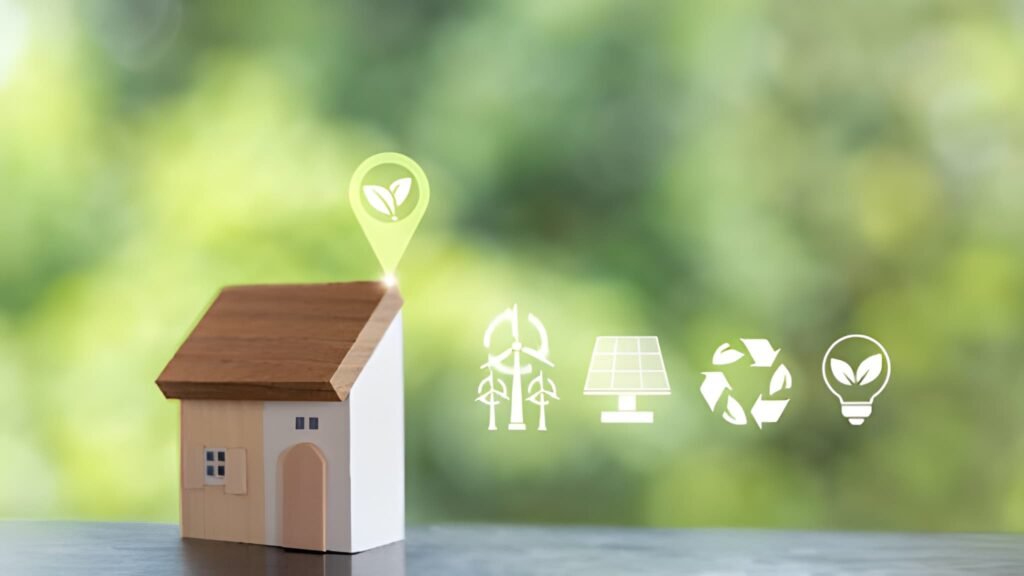

The concept of an eco-friendly home environment often conjures images of solar panels and smart thermostats. While these technologies play a role, the true essence of a green home is far more foundational and accessible. It is a living, breathing ecosystem cultivated through daily habits, conscious choices, and a philosophical shift in how we view our personal space. An eco-friendly home environment is not a destination achieved through a few purchases; it is a continuous practice of stewardship, a mindful curation of the air, water, energy, and materials within your walls. This approach transforms a house from a passive container into an active sanctuary that promotes the health of its inhabitants and the planet simultaneously. It is a quiet rebellion against wastefulness and toxicity, built one deliberate action at a time.
The journey begins with the very air we breathe. Indoor air quality is frequently two to five times more polluted than outdoor air, a consequence of off-gassing from furniture, cleaning products, and building materials. The first step is source control. This means choosing natural materials wherever possible. When painting, select zero or low-VOC (Volatile Organic Compound) options. When furnishing, seek out solid wood with natural oil finishes instead of pressed-wood products bonded with formaldehyde-based glues. Introduce houseplants not as mere decorations, but as functional bio-filters. Species like the snake plant, peace lily, and spider plant are proven to absorb common toxins like benzene and formaldehyde, while also releasing humidity and oxygen.
Ventilation is the lungs of a healthy home. The goal is not to seal a home shut, but to manage its breathing intelligently. Simply opening windows on opposite sides of the house for even ten minutes a day can create a cross-breeze that flushes out stagnant, polluted air and invites in fresh oxygen. In tighter, modern homes, this becomes even more critical. It is a simple, no-cost ritual that revitalizes the entire atmosphere. For a more consistent solution, especially in climates where opening windows is not always feasible, a small Energy Recovery Ventilator (ERV) can be installed to provide a constant, filtered fresh air supply without wasting the energy used to heat or cool the interior.
The management of resources forms the next pillar. Energy conservation is not about deprivation, but about eliminating waste with intelligence. The baseline action is the wholesale replacement of incandescent and CFL bulbs with LEDs, which use at least 75% less energy and last years longer. The next frontier is tackling phantom loads—the power electronics consume even when “off.” A simple power strip can become a central command for a media center or computer desk; flipping it off at night eliminates the cumulative drain of televisions, game consoles, and chargers. Adopting an “unplugged” mindset for small appliances like coffee makers and microwaves further deepens these savings. This is a behavioral shift that turns conservation into a daily, mindful practice.
Water stewardship follows a similar logic of mindful use. Installing low-flow aerators on kitchen and bathroom faucets and a low-flow showerhead can cut water consumption by thousands of gallons a year with no perceptible loss of pressure. The habit of turning off the tap while brushing teeth or lathering dishes saves hundreds more. For the more ambitious, a greywater system can be as simple as placing a bucket in the shower to capture the water that runs while waiting for it to heat up, which can then be used to water plants or flush a toilet. This direct reuse creates a tangible connection to the water cycle, making waste visible and valuable.
The Cycle of Consumption: From Kitchen to Curb
The heart of the home, the kitchen, is a hub of both consumption and potential waste. Cultivating an eco-friendly environment here revolves around the principles of reduction and conscious sourcing. Food waste is a monumental issue. Composting is the most direct and effective solution, turning scraps into rich, fertile soil instead of methane-producing landfill material. This can be done with a countertop bin for a small apartment or a backyard tumbler for a house. The practice closes a fundamental loop, transforming “waste” into a resource for a garden or houseplants.
Shopping habits are equally pivotal. The shift toward a whole-foods, plant-based diet has a significantly lower environmental footprint than a meat-heavy one. Supporting local farmers’ markets reduces food miles and packaging. Embracing bulk buying with reusable cloth bags and glass jars for staples like grains, nuts, and spices dramatically cuts down on single-use plastic packaging. In the pantry and refrigerator, practicing “first-in, first-out” organization minimizes food spoilage. The goal is to see the kitchen not as an endpoint for consumer goods, but as a processing center for a circular system where very little is truly discarded.
The mindset extends to all household goods. Before a purchase, the question shifts from “Do I want this?” to “Do I need this?” and “What is its full lifecycle?” Embracing secondhand markets for furniture, clothing, and electronics extends the life of existing products and circumvents the resource drain of new manufacturing. When buying new, the preference is for quality, repairable items made from natural, recycled, or sustainably sourced materials. This philosophy of “fewer, better things” reduces clutter, saves money, and lightens the home’s material footprint.
Table: The Daily Rhythm of an Eco-Friendly Home
| Area of Focus | Foundational Habits | Advanced Practices |
|---|---|---|
| Air Quality | Open windows for cross-ventilation, use natural cleaning vinegar solution, introduce air-purifying plants. | Use an air quality monitor, install an ERV, choose solid wood furniture with natural finishes. |
| Energy Conservation | Switch to LED bulbs, use smart power strips, unplug unused chargers and appliances, wash clothes in cold water. | Conduct a home energy audit, air seal and add insulation, install a smart thermostat. |
| Water Stewardship | Install low-flow fixtures, take shorter showers, turn off tap when not in active use, fix drips promptly. | Install a rain barrel for irrigation, set up a simple greywater system for plants, plant a drought-tolerant native landscape. |
| Waste Reduction | Maintain a compost bin, shop with reusable bags, avoid single-use plastics, recycle correctly. | Shop in bulk using own containers, practice “pre-cycling” by not buying over-packaged goods, repair instead of replace. |
| Non-Toxic Living | Make your own cleaners from vinegar, baking soda, and castile soap, choose low-VOC paints. | Use natural personal care products, opt for organic cotton bedding, filter tap water for drinking. |
Ultimately, an eco-friendly home environment is a state of mind. It is an ongoing dialogue with your space. It is the satisfaction of hearing the rain collected in a barrel, the scent of vinegar and citrus used for cleaning, the quiet hum of efficiency from an LED bulb, and the vibrant green of a plant thriving on compost. This environment does not demand perfection. It invites intention. It is built through a series of small, consistent choices that, over time, create a profound sense of place—a sanctuary that is not separate from the natural world, but a harmonious, healthy, and deeply considered extension of it.