A one queen studio apartment represents the ultimate urban puzzle. It is a singular space that must seamlessly integrate the functions of a bedroom, living room, dining area, and home office, all while providing a sense of order, comfort, and personal style. A true renovation of this space moves far beyond a simple cosmetic update; it is an architectural exercise in spatial efficiency, psychological comfort, and intelligent design. The goal is to transform a potentially cramped box into a fluid, multi-functional environment that feels not just livable, but intentionally curated and surprisingly spacious. The presence of a queen-sized bed as the central element makes this challenge particularly acute, demanding a layout that prevents the bed from dominating the entire room.
The Core Design Philosophy: Zoning and Visual Expansion
The fundamental principle of a successful studio renovation is the creation of distinct “zones” without the use of solid, space-consuming walls. The aim is to guide the eye and define function through subtle architectural cues, changes in elevation, and strategic furniture placement. This approach, combined with a rigorously cohesive material palette, tricks the brain into perceiving multiple rooms within a single open volume. The renovation must address the constant tension between the comfort of a queen bed and its spatial footprint, finding innovative ways to tuck it away, elevate it, or integrate it so it becomes a feature rather than an obstacle.
A Strategic Budget for a Comprehensive Transformation
A full renovation of a one queen studio involves a complete overhaul of all surfaces, the kitchen, the bathroom, and the installation of custom built-ins. The following budget assumes a 400-550 square foot unit and professional installation for most tasks.
| Budget Category | Investment Range | Strategic Application & Rationale |
|---|---|---|
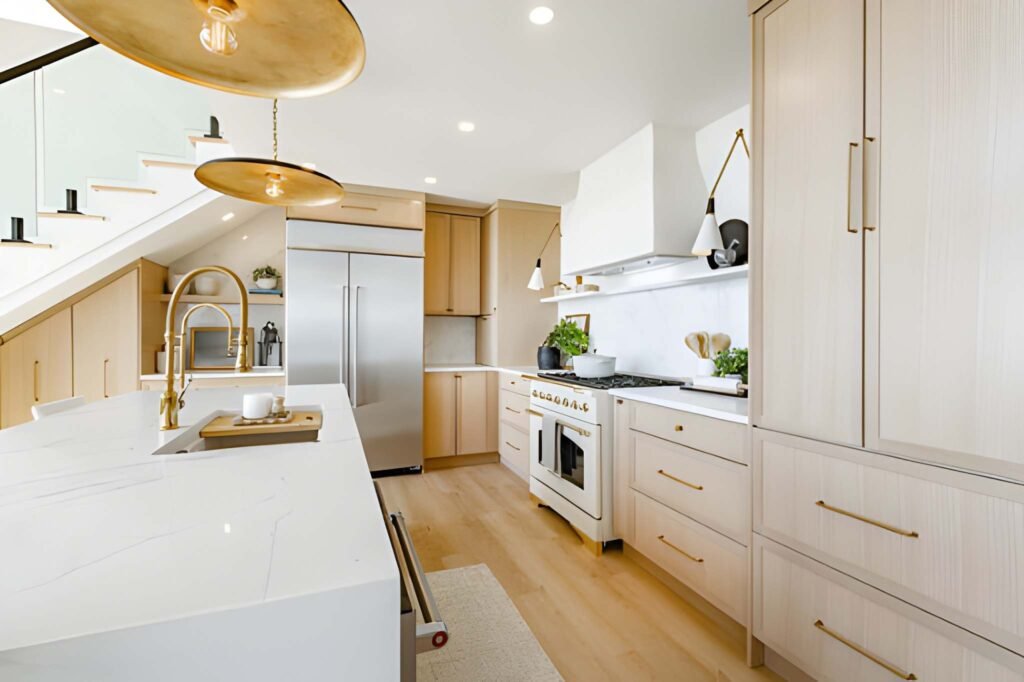
| Space-Optimized Kitchen | $7,000 – $15,000 | Funds a galley or L-shaped kitchen with full-height cabinets, integrated appliances, durable quartz or solid surface countertops that double as a dining bar, and a cohesive backsplash. The kitchen must be both highly functional and aesthetically integrated into the main space. |
| Efficient Bathroom Overhaul | $6,000 – $12,000 | Covers a full gut and update with a space-saving vanity, a walk-in shower to maximize the sense of space, large-format tiles to minimize grout lines, and upgraded lighting and ventilation. |
| Unifying Flooring | $2,500 – $5,000 | The installation of continuous, wide-plank luxury vinyl plank (LVP) or engineered wood in a light tone throughout the entire studio is non-negotiable for visual expansion. |
| The Custom Built-in & Sleeping Zone | $4,000 – $10,000 | The critical investment. This funds a custom platform bed frame with deep storage drawers, a defining headboard with integrated shelving, or a Murphy bed system with a integrated desk or sofa. |
| Lighting & Electrical Strategy | $1,500 – $3,500 | Enables a layered lighting plan: ambient (recessed or track), task (under-cabinet, reading lights), and accent (pendant over a dining area). Includes sufficient outlets and switches for each zone. |
| Paint, Millwork & Final Finishes | $1,500 – $3,000 | Premium paint for walls and ceiling, plus potential for shiplap or paneling on a feature wall to add depth. This creates the cohesive, light-enhancing backdrop. |
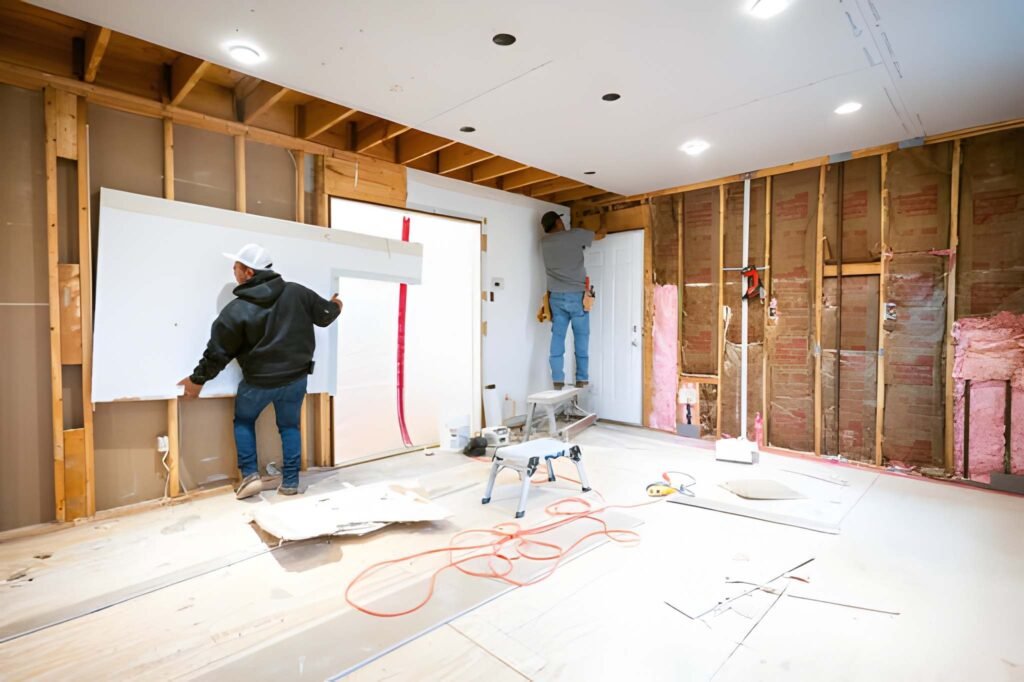
| Professional Labor & GC Fee | $5,000 – $8,000 | Essential for coordinating multiple trades in a confined space and ensuring the complex sequence of work is executed correctly and efficiently. |
| Permits & Building Fees | $500 – $1,500 | For intown apartments, condo association approvals, permits, and potential elevator reservation fees can be a significant line item. |
| Contingency (15%) | $3,000 – $6,500 | A mandatory buffer for unforeseen issues in older buildings, such as outdated wiring, plumbing problems, or subfloor repairs once old flooring is removed. |
| TOTAL ESTIMATE | $31,000 – $64,500+ | Final cost is driven by material quality, level of custom millwork, and geographic location. |
Defining the Sleeping Zone: Strategies for the Queen Bed
The placement and treatment of the queen bed is the central design decision.
The Platform Bed with Storage: A low-profile, custom-built platform bed with a full complement of deep drawers underneath eliminates the need for a separate dresser. A floor-to-ceiling headboard with integrated shelving or niches provides storage for books, a reading light, and personal items, effectively creating a “wall” that defines the sleeping area without blocking light.
The Murphy Bed Solution: For the ultimate in space reclamation, a custom Murphy bed cabinet is a transformative investment. During the day, the bed folds vertically into a cabinet that can be designed to resemble a wardrobe, a bookshelf, or a media center. This single decision liberates the entire floor plan, allowing the space to function unequivocally as a living room or office.
The Lofted Bed: In studios with high ceilings (10 feet or more), building a sleeping loft frees up the entire floor below for living, dining, and kitchen areas. This is the most effective way to literally double the functional space, though it requires a significant structural investment and may not be permitted in all buildings.
The Strategic Screen: Using a semi-transparent room divider, such as a floor-to-ceiling curtain, a open-weave bookshelf, or a panel of frosted glass, can softly separate the sleeping area from the living space. This provides a psychological boundary while maintaining a sense of openness and airiness.
Maximizing Function and Flow in the Remainder of the Space
With the sleeping zone defined, the rest of the studio must be meticulously planned.
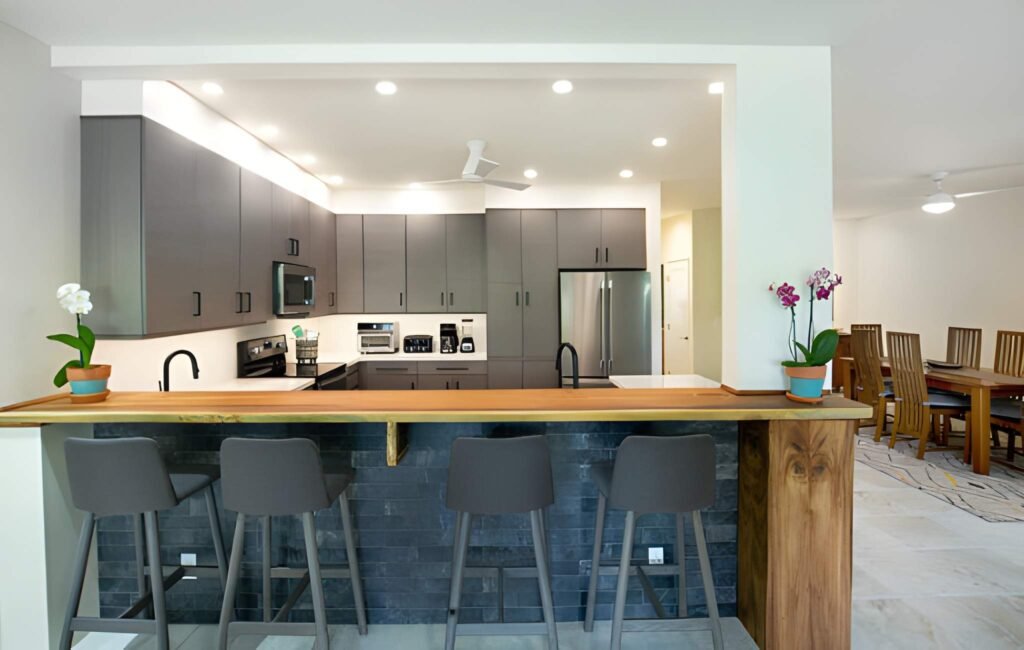
The Multi-Functional Kitchen: The kitchen should be designed as a sleek, integrated wall or galley. Upper cabinets should reach the ceiling to maximize storage. A peninsula or a small island can serve as a food prep area, a dining table for two, and a visual divider between the kitchen and living zone. Appliance integration is key; a panel-ready dishwasher and refrigerator maintain a clean, uncluttered line.
The Flexible Living Area: Furniture here must be scaled appropriately and serve multiple purposes. A small, apartment-sized sofa, a nesting side table, and a wall-mounted television prevent clutter. A drop-leaf table can serve as both a desk and a dining surface. The emphasis is on leaving open floor space to enhance the feeling of roominess.
Vertical Storage Everywhere: The renovation must aggressively claim vertical real estate. This means floor-to-ceiling built-in cabinets for media and general storage, floating shelves for display, and utilizing the space above door frames for shallow storage. This strategy keeps the floor clear and draws the eye upward, making the ceiling feel higher.
A successfully renovated one queen studio is a testament to the power of intelligent design. It proves that limitation can be the catalyst for creativity. By embracing a cohesive aesthetic, implementing clever zoning strategies, and investing in custom, space-saving solutions, the studio is transformed from a compromised living arrangement into a highly efficient, personalized, and serene urban sanctuary. It becomes a home that works harder and smarter, providing not just a place to sleep, but a fluid environment for living, working, and relaxing.