
The Proactive Home Health Guide: All-Around Maintenance and Repair
A real estate expert’s comprehensive, seasonal strategy for maintaining every critical component of your property.
Table of Contents
Home maintenance is the single greatest predictor of long-term property value retention. Every system, from the roof to the foundation, functions as an interdependent component. Neglect in one area—such as clogged gutters—inevitably places stress on another—like the foundation or siding. The most effective approach for any homeowner is adopting a cyclical, seasonal maintenance strategy. This ensures critical repairs are identified early, preventing minor defects from escalating into costly structural failures. Maintenance is not an expense; it is a compulsory investment that safeguards equity.
1. The Core Maintenance Strategy: Proactivity Yields Value
Maintenance focuses on two major principles: **Moisture Control** and **Energy Efficiency**. Controlling where water flows and how energy is contained solves the vast majority of long-term property problems.
The Principle of Moisture Control
Water is the greatest enemy of any structure. Your maintenance plan must be obsessed with shedding water away from the structure. This involves ensuring the roof is sound, the flashing is tight, and the gutters and downspouts discharge water at least six feet away from the foundation. Any failure in this defense layer results in rot, pest intrusion, and basement flooding.
2. Seasonal Maintenance: A Proactive Schedule
Organizing tasks by season ensures critical systems are ready for the stress of changing weather.
2.1. Spring: Exterior and Moisture Defense
After winter stress, spring is the time to assess exterior damage and prepare for summer heat.
Spring Checklist Items
- Inspect the roof for loose, cracked, or missing shingles. Pay attention to ridge caps and flashing around vents and chimneys.
- Clear all debris from gutters and downspouts. Confirm water drains away from the foundation.
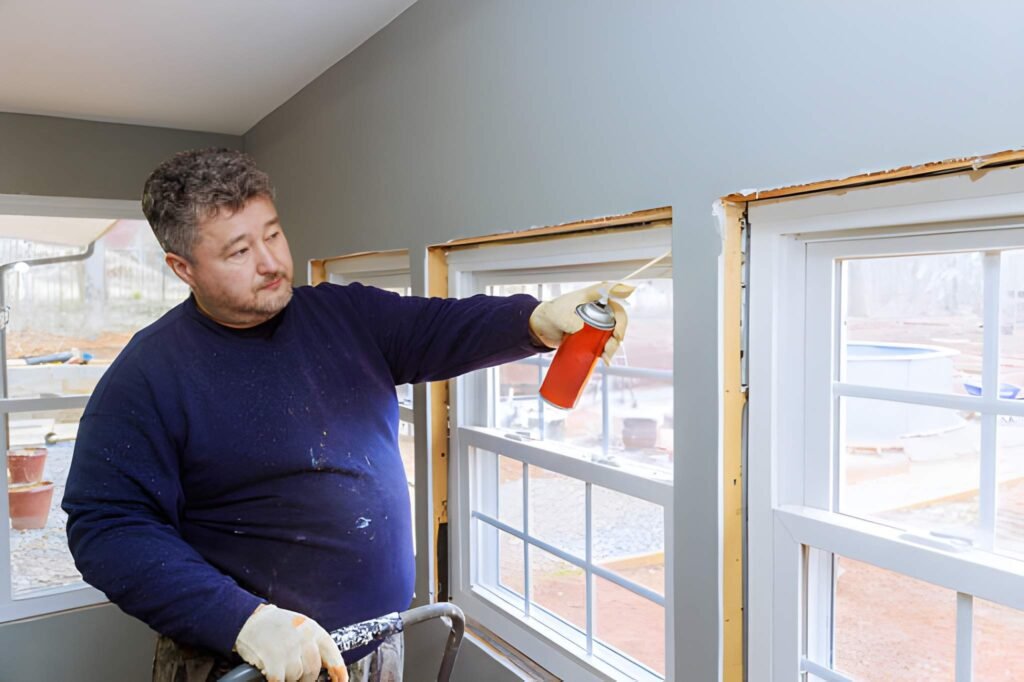
- Check siding and trim for peeling paint, cracked caulk, or soft spots (rot). Apply wood filler and re-caulk immediately.
- Test outdoor faucets and sprinkler systems for leaks before the water bill arrives.
2.2. Summer: Cooling and Pavement
Summer maintenance focuses on HVAC efficiency and protecting exterior surfaces from sun and heat.
Summer Checklist Items
- Clean the outdoor AC condenser unit. Shut off power and gently rinse the coil fins with a garden hose to remove debris, maximizing heat transfer efficiency.
- Inspect driveways and walkways. Seal asphalt driveways every two to three years to prevent cracking from sun exposure and water penetration.
- Check for pest intrusion (wasps, ants, termites) around foundations and eaves. Seal entry points with steel wool and caulk.
- Inspect exterior decks and railings. Apply stain or sealant to protect wood from UV damage.
2.3. Fall: Heating and Roof Preparation
Prepare heating systems for heavy usage and secure the exterior envelope against wind, snow, and ice.
Fall Checklist Items
- Schedule professional HVAC tune-up and safety inspection for the furnace or boiler.
- Clean chimney flue if you use a fireplace or wood stove regularly.
- Change furnace filters. This is the simplest and most effective maintenance task for winter efficiency.
- Disconnect and drain outdoor hoses and shut off exterior water valves to prevent freezing and bursting pipes.
- Inspect and seal window and door weatherstripping and thresholds to prevent heat loss.
2.4. Winter: Interior and Insulation Check
Focus shifts indoors to moisture management, safety, and energy conservation.
Winter Checklist Items
- Check attic insulation and ventilation. Ensure vents are clear of snow and insulation is not compressed or damp.
- Test all smoke detectors and carbon monoxide detectors. Replace batteries.
- Run water briefly in rarely used drains (laundry room, guest bath) to prevent the trap from drying out and releasing sewer gases.
- Inspect basement and crawl spaces for signs of moisture intrusion (damp spots, efflorescence) that may indicate frozen gutters failed.
3. Core System Longevity: Critical Repair Focus
Certain systems require immediate attention when problems arise, as deferring repair guarantees catastrophic failure.
3.1. Roofing and Drainage Integrity
The roof and drainage system forms the first line of defense. Any repair here must be prioritized.
- Immediate Repair: Repair or replace any lifted or missing shingles immediately. A small area of exposed decking can allow water to penetrate during the next rainstorm, rotting the sheathing and framing.
- Flashing Maintenance: Flashing around chimneys, skylights, and valleys must be sealed and intact. Failures in flashing are the most common cause of roof leaks.
- Downspout Extensions: Ensure all downspouts have effective extensions that direct water well away from the foundation. This is the cheapest insurance against basement issues.
3.2. Plumbing and Water Management
Water supply and waste systems require vigilance to prevent leaks and mold growth.
- Hidden Leaks: Monitor your water meter when no water is running. If the meter is still moving, a hidden leak exists, potentially in a slab or wall cavity. Immediate professional diagnosis is required to prevent mold and structural damage.
- Water Heater Flushing: Drain and flush sediment from the water heater tank annually. This improves efficiency, prolongs the lifespan of the unit, and reduces the risk of mineral buildup and catastrophic failure.
- Sump Pumps: Test the sump pump seasonally by pouring a bucket of water into the pit. Ensure it activates and discharges water quickly. Replace any pump older than ten years proactively.
3.3. Electrical Safety and Efficiency
Electrical maintenance focuses primarily on safety compliance and efficiency.
- Panel Inspection: Have a licensed electrician inspect your main breaker panel every five to ten years to check for corrosion, loose connections, and outdated breakers (e.g., FPE or Zinsco panels).
- GFCI and AFCI Testing: Manually test all Ground Fault Circuit Interrupters (GFCI) in wet areas (kitchens, bathrooms, garages, exterior) and Arc Fault Circuit Interrupters (AFCI) in bedrooms. Press the "Test" button to ensure they trip, protecting against shocks and fires.
4. Financial Strategy: Maintenance vs. Capital Expenditure
A financially savvy homeowner allocates resources based on a long-term view. Maintenance is the continuous activity, while capital expenditure covers system replacement.
Budgeting for maintenance should ideally include setting aside funds for the eventual replacement of major systems (the "capital expenditure" fund). Major systems have predictable lifespans:
| System | Estimated Lifespan (Years) | Replacement Cost Allocation |
|---|---|---|
| Asphalt Shingle Roof | 20 to 30 | Allocate 1/25th of the estimated replacement cost per year. |
| Furnace/Boiler | 15 to 25 | Allocate 1/20th of the replacement cost per year. |
| Water Heater | 8 to 12 | Allocate 1/10th of the replacement cost per year. |
Expert Summary: Continuous Asset Management
Managing a home successfully is a continuous process of inspection, prevention, and funding. The highest-value maintenance tasks are often the simplest: replacing filters, cleaning gutters, and sealing cracks. These proactive efforts shield the structure from its two greatest threats—water and thermal inefficiency—ensuring the home remains safe, efficient, and holds maximum market value.